
Best Reusable K-Cup Filters: Complete Guide (2026)
Editorial standards: manufacturer specifications, published documentation, practical workflow, maintenance, cost, and product limitations are separated where relevant. CoffeeGearHub does not claim hands-on testing where it has not occurred.
At a glance
What this guide covers
Compare reusable K-Cup filters by brewer compatibility, MultiStream support, mesh construction, cleanup, grind requirements, cup strength, and long-term value.
Editorial analysis
Compatibility comes first; grind and dose determine the cup
A reusable filter is only useful when it fits the exact Keurig generation and closes correctly. Older 1.0 brewers, 2.0 machines, and newer MultiStream models do not all accept the same filter geometry, so compatibility should be verified before comparing price or pack size.
Once the filter fits, coffee strength depends mainly on grind size, dose, water volume, and flow. This guide separates manufacturer compatibility claims from editorial brewing guidance and does not claim hands-on testing where it has not occurred.
The 30-Second Answer
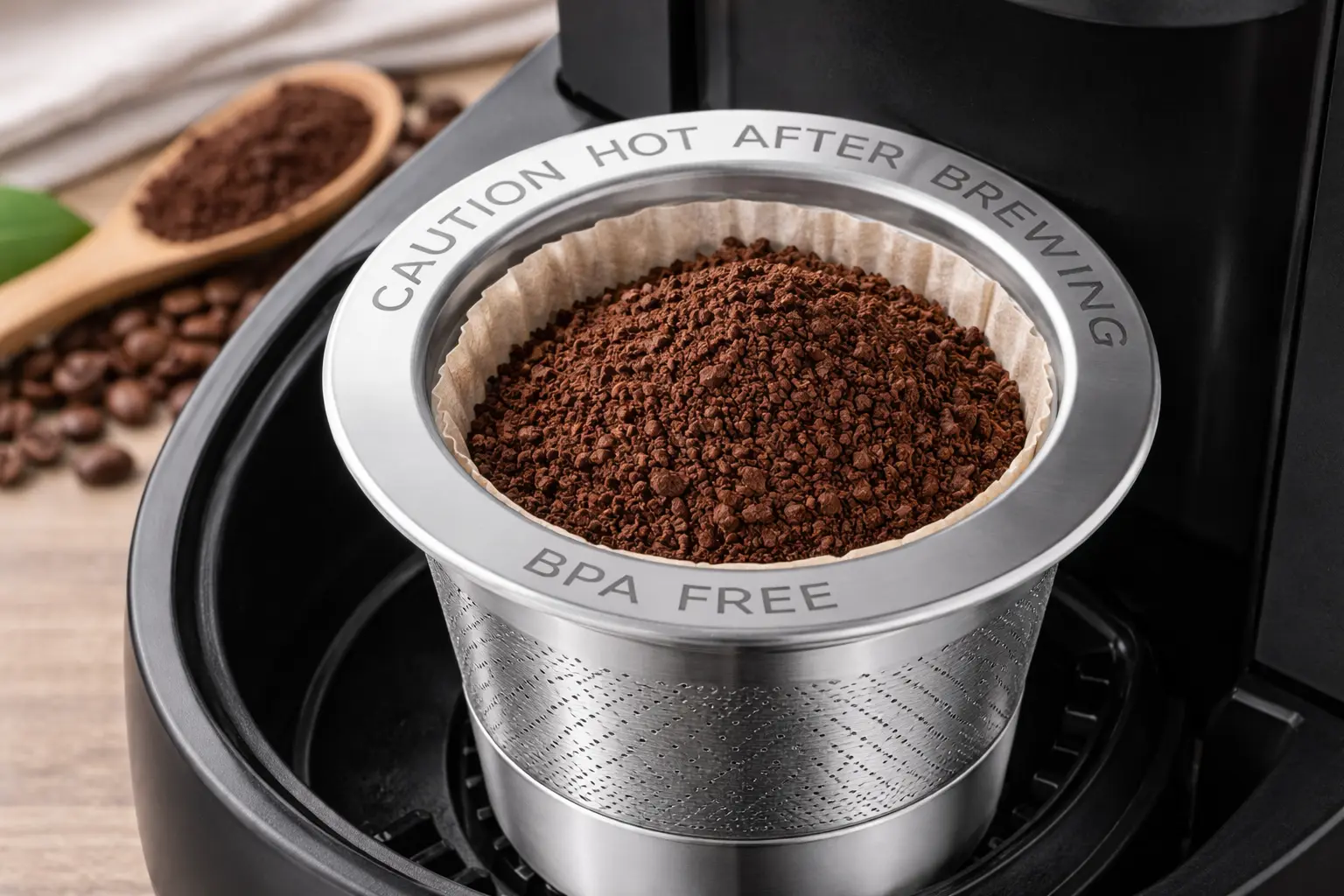
The official Keurig My K-Cup Universal filter is the safest starting point for buyers who prioritize documented compatibility. CAPMESSO’s MultiStream-compatible filters make more sense for newer K-Supreme, K-Slim, and K-Duo configurations, while dual-mesh stainless designs are useful when durability and sediment control matter most.
Confirm the brewer model first, then use a medium grind, avoid overfilling, and start with a smaller cup size before changing coffee dose.
Compare current options
Reusable filter options to compare
Product configurations, pack sizes, compatibility, sellers, and prices change. Verify the exact listing before purchasing.
 CAPMESSO Dual-Mesh FilterA stainless dual-mesh option for buyers prioritizing durability and sediment control.Check current price →
 CAPMESSO MultiStream 4-PackDesigned for selected newer MultiStream brewers; verify the exact model before ordering.Check current price →
Affiliate disclosure: These Amazon links may earn CoffeeGearHub a commission at no additional cost to you. As an Amazon Associate, we earn from qualifying purchases. Prices and availability can change.
What a Reusable K-Cup Filter Is — and What It Is Not
A reusable K-Cup is a refillable basket that lets a compatible Keurig brewer use loose ground coffee instead of a sealed disposable pod. It gives you control over the coffee, grind, and dose while keeping the brewer’s one-cup workflow. It does not turn a Keurig into an espresso machine or guarantee café-style extraction.
The filter replaces the pod, not the brewer’s pressure, temperature, or water-delivery system. Results still depend on the machine, cup-size setting, and how evenly water reaches the grounds. The practical benefit is flexibility: fresher coffee, less packaging waste, and a lower recurring cost when the filter is used regularly.
Compatibility is the first buying question. Classic single-needle brewers and newer MultiStream models do not always accept the same basket or lid. A filter that physically fits can still brew poorly if its top does not align with the machine’s inlet needles.
Compatibility Comes Before Material or Price
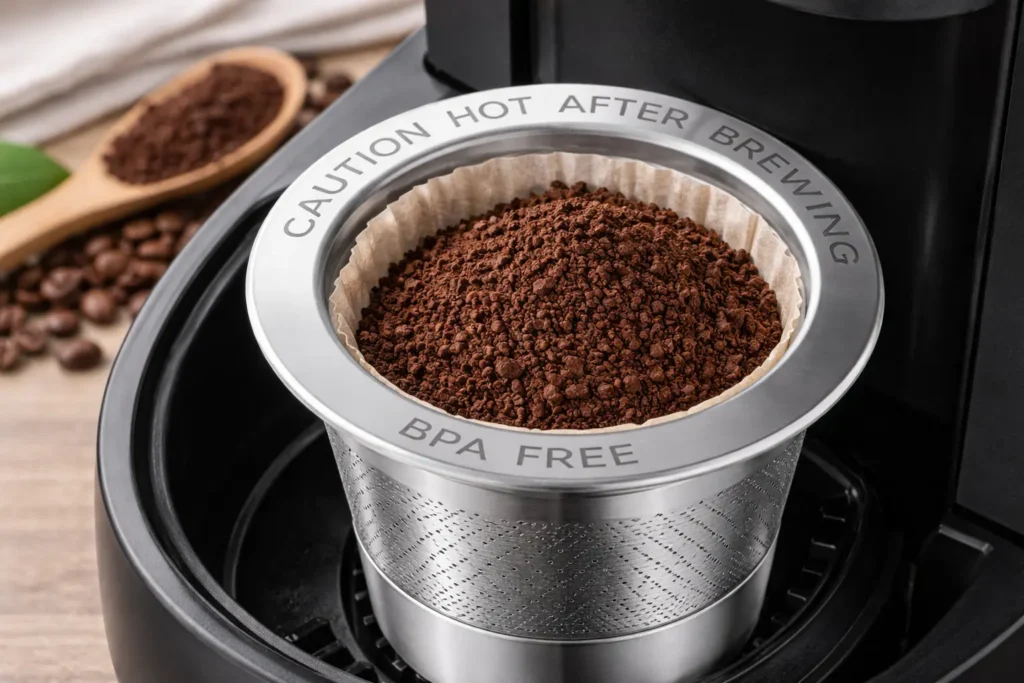
Start with the exact brewer model printed on the machine, then check the filter manufacturer’s compatibility list. Keurig has changed pod-holder dimensions, lid geometry, and needle layouts across generations. Labels such as “universal” are useful only when the current listing names your brewer and any required adapter.
MultiStream machines use several inlet needles rather than one central puncture point. Their reusable filters need a lid designed for that pattern. A conventional single-hole lid may block flow, leak, or produce uneven saturation even when the basket appears to lock into place.
Older 2.0-era brewers and compact models can introduce their own fit restrictions. Do not force the handle closed. If the basket rocks, sits too high, or requires pressure to latch, remove it and verify the model before brewing.
Mesh Design Changes Sediment and Flow
Stainless-steel mesh lasts longer and avoids a disposable paper filter, but very fine screens can slow water and retain oils. Coarser mesh flows more freely and produces a fuller cup, with a greater chance of light sediment. Neither design is automatically better; the right balance depends on grind consistency and taste.
Plastic-frame filters are lighter and often less expensive. All-stainless baskets feel more durable and reduce plastic contact, although they can become hot immediately after brewing. Hinges and lid seals matter as much as the basket material because those parts take the most daily wear.
Dual-mesh designs can limit sediment without choking flow, but marketing terms are not standardized. Inspect the actual screen, lid seal, and published compatibility rather than relying on “premium” or “ultra-fine” wording.
Grind Size Matters More Than Most Buyers Expect
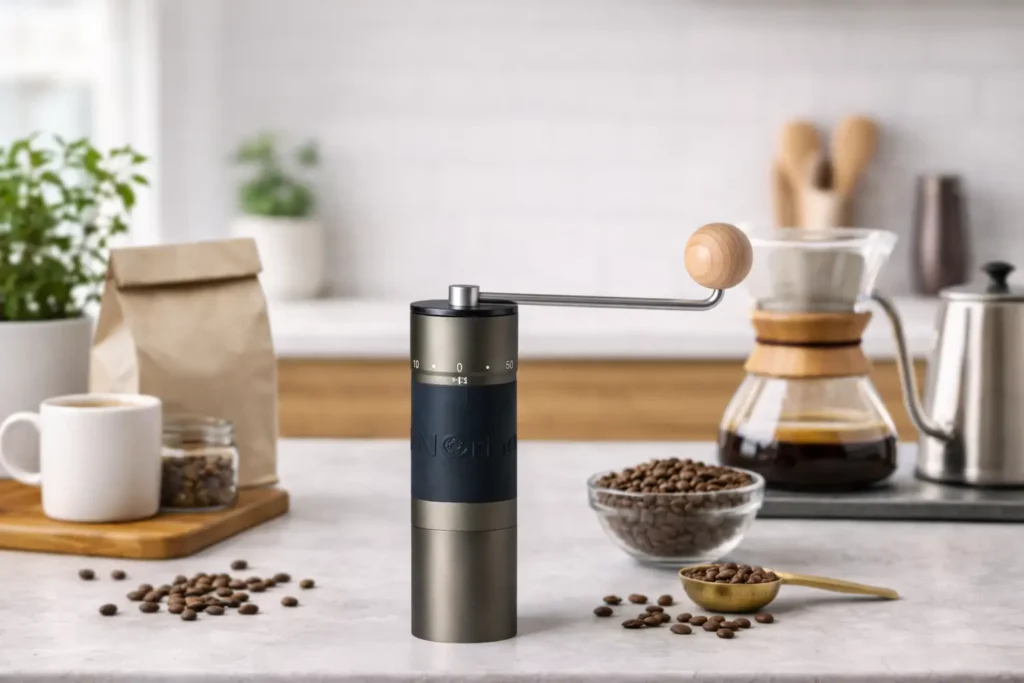
Use a medium grind as the starting point—roughly the texture used for standard drip coffee. Coffee that is too fine packs tightly, slows drainage, and can push grounds into the cup. Coffee that is too coarse lets water pass too quickly and tastes thin.
Consistency matters more than chasing a precise grinder number. A burr grinder produces fewer powdery fines and oversized pieces than a blade grinder, making flow easier to predict. If the cup is bitter or drains slowly, move slightly coarser; if it is weak, move slightly finer before increasing the dose.
Do not tamp the basket. Level the grounds gently and leave enough headspace for water to spread across the bed. A packed or overfilled filter prevents even saturation and can create leaks around the lid.
Dose and Cup Size Determine Strength
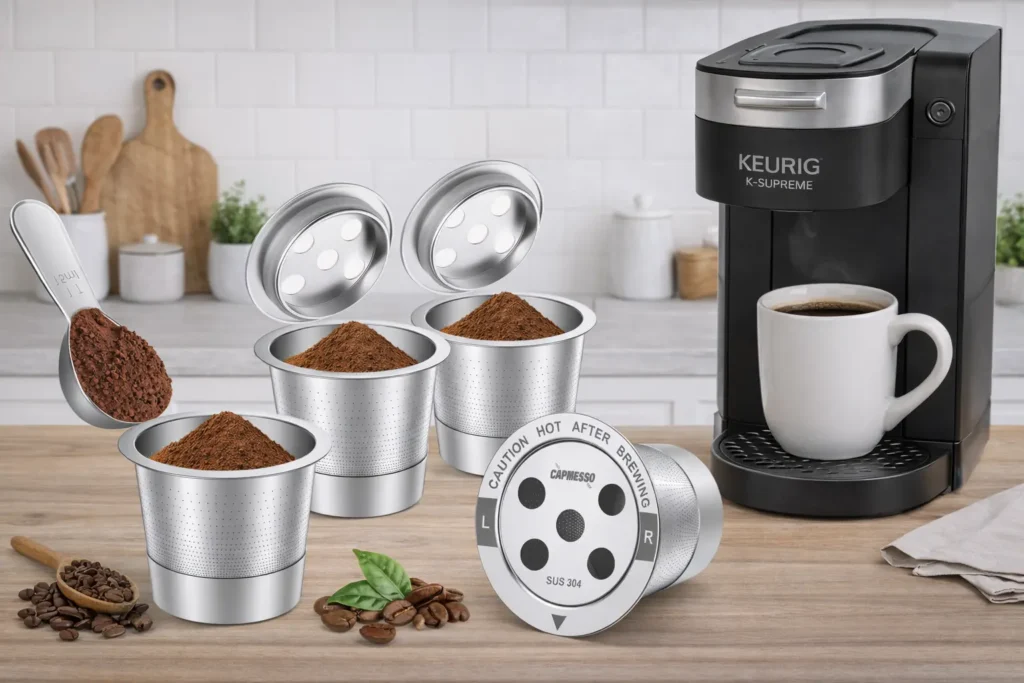
A reusable basket holds less coffee than many people expect, so the selected cup size has an immediate effect on concentration. Begin with the smallest practical brew size, taste the result, and increase water only if the cup remains balanced.
Fill to the filter’s indicated line without compressing the grounds. Overfilling can block the inlet needles or prevent the lid from sealing. Underfilling is safer but usually produces a lighter cup, especially at ten or twelve ounces.
If your brewer offers a Strong setting, use it after the dose and grind are stable. The setting generally slows or pulses water contact; it cannot compensate for stale coffee, an oversized cup, or a poorly fitted filter.
Cleaning Convenience Affects Daily Use
Reusable filters work best when they are emptied soon after brewing. Let the basket cool, tap the grounds into compost or trash, rinse from the outside toward the inside, and check that no coffee remains beneath the lid or around the seal.
A narrow rim, fixed hinge, or very fine screen can make an otherwise good filter annoying to clean. If convenience is the main goal, prioritize a simple lid, smooth interior, and a shape that can be rinsed without trapping grounds.
Dishwasher claims vary by model and material. Hand-rinsing is gentle and fast, while occasional deeper cleaning with mild dish soap removes oil buildup that can make coffee taste stale.
Coffee Freshness Matters More Than Brand Name
Freshly roasted coffee gives a reusable filter its clearest advantage over sealed pods. Choose a roast you already enjoy in drip coffee, grind only what you need, and store the remaining beans in an airtight container away from heat and light.
Medium and medium-dark roasts are forgiving starting points because they extract readily during Keurig’s short brew cycle. Very light roasts can taste sharp or underdeveloped unless the dose is generous and the cup size is small.
Dark, oily beans can produce strong flavor but leave more residue on the mesh. They are usable; they simply require prompt rinsing and periodic cleaning to keep flow consistent.
Reusable Filters Reduce Long-Term Pod Cost
Recurring Cost: Ground Coffee Changes the Math
A reusable filter has a small upfront price, while the larger saving comes from replacing individual pods with coffee bought by the bag. Compare the cost per brewed cup using the dose you actually prefer, not only the package price.
Availability and discounts depend on the product and account. As an Amazon Associate, CoffeeGearHub earns from qualifying purchases and eligible program actions.
Savings depend on how much coffee you load and what beans you buy. Specialty beans may cost more than value pods, but they can still deliver better freshness and control. Budget coffee usually creates the lowest cost per cup.
The environmental benefit is also practical rather than absolute. The filter must be washed and eventually replaced, but repeated use generally avoids the packaging associated with one pod per drink.
Maintenance and Replacement
Inspect the mesh, lid hinge, and seal regularly. Replace the filter if the screen tears, the rim warps, or the lid no longer closes securely. A damaged basket can leak grounds and may interfere with the brewer’s pod holder.
Coffee oils accumulate gradually and can restrict flow. Soak the cooled filter in warm water with a small amount of mild detergent, rinse thoroughly, and allow it to dry. Avoid abrasive tools that can deform fine mesh.
The brewer still needs its normal needle cleaning and descaling schedule. A clean reusable filter cannot overcome mineral scale or a partially blocked exit needle, both of which can weaken flow and change flavor.
Reusable K-Cup Specifications and Compatibility
| Feature | What to Check |
|---|---|
| Brewer fit | Exact model and generation listed by the filter maker |
| Needle layout | Single-stream or MultiStream-compatible lid |
| Basket material | Plastic frame, stainless mesh, or all-stainless construction |
| Recommended grind | Medium drip grind; adjust one step at a time |
| Dose | Fill line without tamping or blocking the lid |
| Care | Rinse after use; deep-clean when oils accumulate |
Specifications and compatibility can change by revision. Confirm the current product listing and brewer manual before purchase.
Standard vs MultiStream Filters: Choose for the Brewer You Own
A standard reusable filter is the sensible choice for a compatible classic Keurig that uses a single inlet needle. It is widely available, simple to clean, and often less expensive. Buying a MultiStream design for a brewer that cannot use it adds no benefit.
For K-Supreme, K-Slim, and related MultiStream models, choose a basket whose lid is designed around the multi-needle pattern. This preserves the brewer’s water distribution and reduces the chance of blocked inlets or uneven wetting.
The decision is not about which system is newer. It is about matching the filter to the machine, then dialing in grind, dose, and cup size. A correctly matched basic filter will outperform an incompatible premium one.
Who Should Buy a Reusable K-Cup Filter?
A reusable filter is a strong fit for Keurig owners who want fresher coffee, more roast choices, and lower recurring pod cost. It is especially useful for households that already buy whole beans or ground coffee for another brewer.
It also suits people willing to spend an extra minute emptying and rinsing the basket. The workflow is still fast, but it is not as hands-off as dropping in a sealed pod and discarding it.
Skip it if single-use convenience is the main reason you own a Keurig, or if your brewer model has uncertain compatibility. In those cases, a well-chosen pod and a smaller brew size are the simpler route to consistent coffee.
Editorial bottom line: Buy for compatibility first. The official My K-Cup Universal is the safest documented starting point for many Keurig brewers, while a clearly labeled MultiStream basket is the better match for supported newer machines. Grind consistency and cup size will affect flavor more than decorative features.
As an Amazon Associate, CoffeeGearHub earns from qualifying purchases.
Prices, pack sizes, compatibility claims, and seller listings can change.
Frequently Asked Questions
Do reusable K-Cups work in every Keurig?
No. Fit and needle layout vary across brewer generations. Match the filter to the exact model and confirm whether the brewer uses a single inlet needle or MultiStream.
What grind is best for a reusable K-Cup?
Start with a medium drip grind. Move slightly coarser if flow is slow or sediment is heavy, and slightly finer if the cup is weak.
Should I tamp coffee in the filter?
No. Fill to the indicated line and level the bed gently. Tamping restricts flow and can prevent the lid from closing correctly.
How often should the filter be cleaned?
Empty and rinse it after every brew. Deep-clean periodically when oils, odor, or slower drainage appear.
Are reusable filters cheaper than pods?
Usually, when used frequently with coffee bought by the bag. The exact saving depends on dose, coffee price, and how often you brew.
Sources and Further Reading
Primary references: Keurig for current brewer and accessory information; Keurig Support for manuals, cleaning, and troubleshooting; and the Specialty Coffee Association for coffee preparation resources.
CoffeeGearHub product shortlist
Continue with related products on CoffeeGearHub
Review product categories and current verified merchant offers on CoffeeGearHub before leaving the site.
Continue Learning
Related Keurig guides
Brewing and maintenance
In this guide
- The 30-Second Answer
- What a Reusable K-Cup Filter Is — and What It Is Not
- Compatibility Comes Before Material or Price
- Mesh Design Changes Sediment and Flow
- Grind Size Matters More Than Most Buyers Expect
- Dose and Cup Size Determine Strength
- Cleaning Convenience Affects Daily Use
- Coffee Freshness Matters More Than Brand Name
- Reusable Filters Reduce Long-Term Pod Cost
- Maintenance and Replacement
- Reusable K-Cup Specifications and Compatibility
- Standard vs MultiStream Filters
- Who Should Buy a Reusable K-Cup Filter?
- Frequently Asked Questions
- Sources and Further Reading
- Continue Learning