Last Updated: February 27, 2026 • 22–28 min read • Pillar Guide: Bean Selection + Roast Science + Grind Dial-In
✍️ Editorial note: This guide is researched and written by the editors at CoffeeGearHub.com using published brewing science, moka pot extraction principles, and established specialty-coffee community knowledge. Recommendations reflect research consensus rather than in-house lab testing. All product links are affiliate links — we may earn a commission at no cost to you.
The 30-Second Answer
The best coffee beans for moka pot are medium to medium-dark roasts with chocolate, caramel, and nutty notes — paired with a grind that’s finer than drip but coarser than espresso (fine sand texture). Use 100% Arabica for smooth black cups; add 10–30% Robusta if you want more punch and crema. Medium-low heat and stopping before aggressive gurgling keeps cups clean and sweet.
- Safest roast default: Medium (most forgiving, sweetest cups)
- Best for milk drinks: Medium-dark espresso blend, 10–30% Robusta
- Best origins: Brazil, Colombia, Guatemala — and Italian-style espresso blends
- Grind target: Fine sand / table salt — between drip and espresso, never tamp
Who This Guide Is For — Jump to What You Need
☕ Just want a bean pick
Go straight to Best-Selling Bean Picks or the Brew-Style Table.
🔬 Want to understand why
Read Why Beans Matter, Roast Level, and Arabica vs Robusta.
🔧 Fixing a bad cup
Jump to the Troubleshooting Matrix or Grind Dial-In Guide.
🧮 Need dose + ratios
See the Brew Ratio by Pot Size table.
Table of Contents
Best Coffee Beans for Moka Pot: Top Picks
These are popular, widely purchased coffees that consistently perform well in moka pots because their roast level and flavor profile match what moka extraction does best: sweet, chocolate-forward, low-to-moderate acidity, and strong body. Whole bean gives you grind control; I’ve also included the most popular pre-ground convenience pick.
Top “Most People Will Love This” Picks

Lavazza Super Crema (Whole Bean)
Roast: Medium • Blend: Arabica/Robusta • Tastes like: hazelnut, brown sugar, cocoa. A classic moka “crowd-pleaser” with big body that stays bold in milk.
Best for: moka lattes + bold “espresso-style” cups
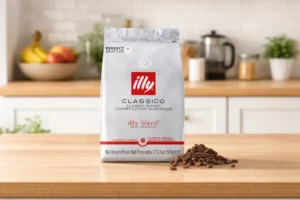
illy Classico (Whole Bean)
Roast: Medium • Blend: 100% Arabica • Tastes like: caramel, gentle floral, soft cocoa. Cleaner and smoother moka with refined sweetness — lowest bitterness risk of any pick here.
Best for: smooth black moka cups (low bitterness risk)
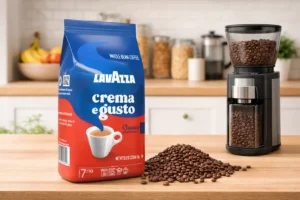
Lavazza Crema e Gusto (Whole Bean)
Roast: Medium • Blend: Arabica/Robusta • Tastes like: cocoa, spice, heavy body. Traditional moka profile that holds its character in milk and stands up beautifully to sugar.
Best for: classic “Italian café” moka + Cuban-style sweetness
Best-Selling “Stronger / Bolder” Options
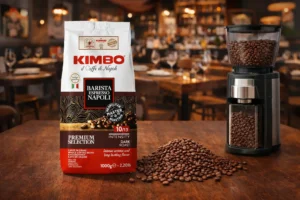
Kimbo Espresso Napoletano (Whole Bean)
Roast: Medium–Dark • Tastes like: bold cocoa, toasted notes, heavy body. Great for short, intense moka cups. Keep heat low to avoid harshness.
Tip: keep heat low to avoid harshness
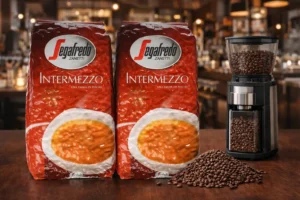
Segafredo Intermezzo (Whole Bean)
Roast: Medium–Dark • Tastes like: spice, cocoa, strong finish. A budget-friendly moka staple when you want bold without fuss — excellent everyday value.
Best for: bold daily moka on a budget
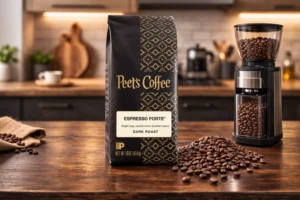
Peet’s Espresso Forte (Whole Bean)
Roast: Dark • Tastes like: chocolate, hazelnut, stout body. Excellent for moka lattes — brew gently on medium-low heat and stop early to avoid harshness.
Best for: milk drinks + dark roast fans
Convenience & Pre-Ground Picks
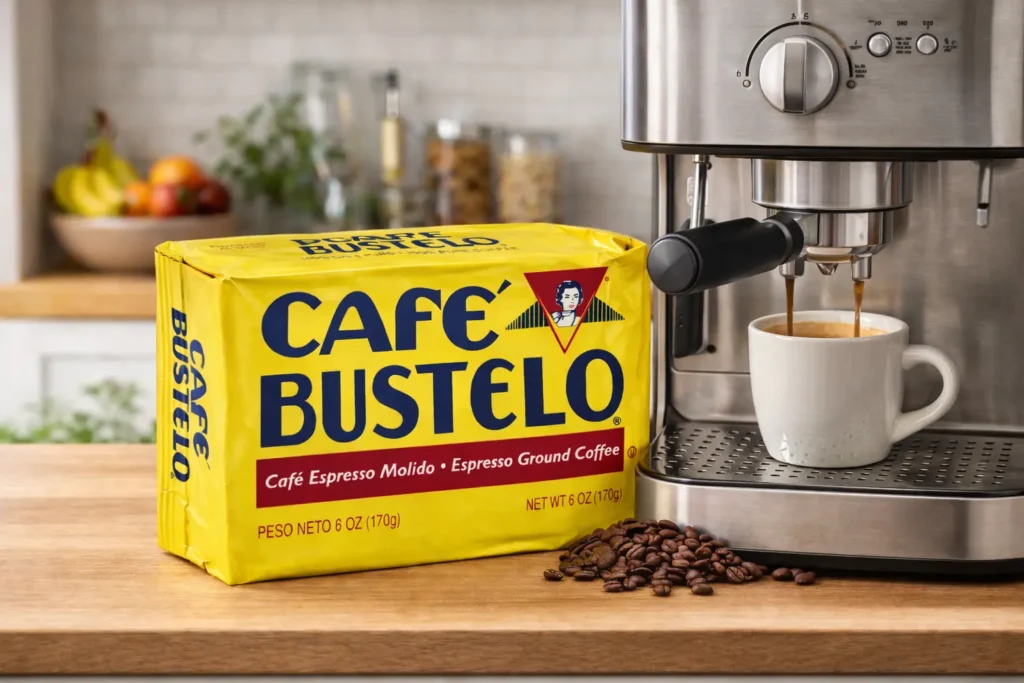
Café Bustelo Espresso (Ground Brick)
Roast: Dark • Format: Pre-ground • Tastes like: bold, roasty, classic Cuban-style moka coffee. Use medium-low heat and stop early for the smoothest result. The convenience pick for Cuban-style sweet moka.
Best for: Cuban-style sweet moka / colada
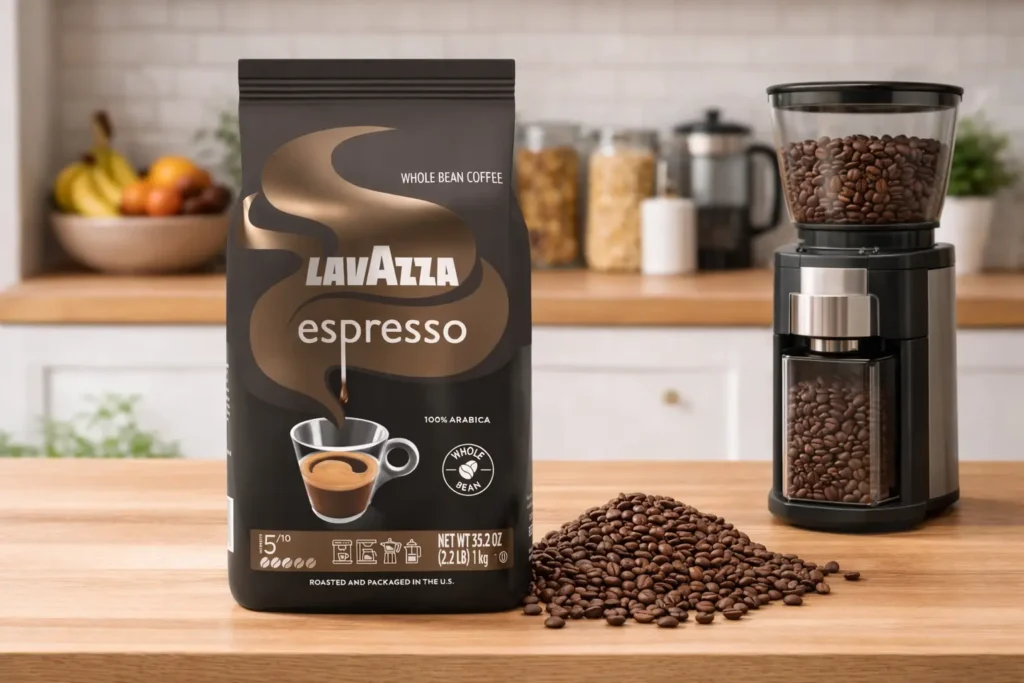
Lavazza Espresso (Whole Bean)
Roast: Medium • Blend: 100% Arabica • Tastes like: sweet, aromatic, clean finish. Great for black moka when you want bold but not harsh — an approachable all-rounder.
Best for: smooth “espresso-style” moka without bitterness
Comparison Table: All Picks at a Glance
Prices change constantly, so the table uses a stable price tier system. Use it to match roast and blend to the flavor you want from your moka pot.
| Bean | Roast | Origin / Blend | Flavor snapshot | Best for | Price tier |
|---|---|---|---|---|---|
| Lavazza Super Crema | Medium | Arabica/Robusta blend | Hazelnut, cocoa, brown sugar | Moka lattes + bold cups | $$ |
| Lavazza Crema e Gusto (WB) | Medium | Arabica/Robusta blend | Cocoa, spice, heavy body | Classic Italian + Cuban-style | $$ |
| Lavazza Espresso (WB) | Medium | 100% Arabica | Sweet, aromatic, clean finish | Black moka (low bitterness) | $$ |
| illy Classico (WB) | Medium | 100% Arabica | Caramel, soft cocoa, refined | Smooth black moka | $$$ |
| Kimbo Espresso Napoletano | Medium–Dark | Espresso-style blend | Bold cocoa, toasted, intense | Short, punchy moka | $$ |
| Segafredo Intermezzo | Medium–Dark | Espresso-style blend | Spice, cocoa, strong finish | Budget daily moka | $–$$ |
| Peet’s Espresso Forte | Dark | 100% Arabica | Chocolate, hazelnut, stout | Milk drinks | $$ |
| Café Bustelo (Ground) | Dark | Espresso-style ground | Bold, roasty, classic | Cuban-style sweet moka | $ |
Choose Beans by Brew Style: Moka Latte vs Black Moka vs Cuban-Style
Different moka drinks reward different beans. Use this table to pick the right roast and blend for milk drinks, black cups, or Cuban-style sweet moka — with quick “best pick” shortcuts.
| Brew style | What you want | Ideal roast | Ideal blend/origin | Best pick | Runner-up | Avoid |
|---|---|---|---|---|---|---|
| Moka Latte | Bold base in milk; chocolate/nut sweetness | Medium–Dark | Espresso blend; Arabica-dominant or 10–30% Robusta | Lavazza Super Crema | Peet’s Espresso Forte | Very light roasts |
| Black Moka | Smooth sweetness; clean finish | Medium | 100% Arabica; Brazil/Colombia profiles | illy Classico | Lavazza Espresso | Ultra-dark oily roasts |
| Cuban-Style (Sweet Moka/Colada) | Intense, punchy, roasty; holds up to sugar | Med–Dark to Dark | Espresso-style; often Robusta | Café Bustelo (Ground) | Lavazza Crema e Gusto | Bright high-acid coffees |
💡 Pro tip: For milk drinks, stronger extraction is fine — medium-dark with Robusta holds its character through foam. For black cups, use gentler heat and stop earlier to keep bitterness down and sweetness up.
Why Bean Choice Matters More in a Moka Pot
A moka pot makes concentrated, espresso-style coffee by using steam pressure to push hot water through a packed bed of coffee grounds. Unlike drip brewing — where water gently flows through by gravity — moka extraction is aggressive. The water is hotter at the basket than most people realize, and the pressure forces extraction faster and more thoroughly than gravity-fed methods.
This means moka amplifies everything: the sweetness of a well-matched bean becomes rich and dense, but the bitterness of a mis-matched one becomes sharp and harsh. Drip coffee forgives a lot. Moka doesn’t. A light, acidic bean that tastes bright and pleasant in a pour-over can turn sour and metallic in a moka pot. A very oily dark roast that’s fine in a French press can go ashy and acrid in moka if heat is too high.
The good news: when you match the right beans to the moka process, you get what moka does better than almost any other home brewer — dense sweetness, deep cocoa, syrupy body, and a concentrated base that’s perfect for milk drinks. That’s what this guide helps you find.

Best Roast Level for Moka Pot (and What to Avoid)
Medium roast is the safest and most universally rewarding default for moka pot. At medium, the bean’s natural sugars are developed enough to produce sweetness and body, but the roast hasn’t gone far enough to develop the bitter, ashy compounds that amplify badly under moka’s pressure. You get chocolate, caramel, and nut notes with balanced acidity — the classic moka profile that most people picture when they think of Italian café coffee.
Medium-dark is the best choice for milk drinks and traditional Italian-style moka. The extra roast development gives you more intense cocoa and toasted notes, and the heavier body holds its character through steamed or frothed milk. Many of the most iconic Italian moka brands — Lavazza, Kimbo, Segafredo — target this roast level precisely because it was developed for stovetop brewing.
Dark roast can work, but requires careful technique. Stop brewing before the aggressive gurgling phase, keep heat on medium-low, and use a slightly coarser-than-normal grind. Very dark, oily roasts (French or Italian roast on the darker end of the dial) carry the highest bitterness risk in moka because the volatile compounds that produce that ashy/burnt note extract very quickly under pressure and heat. There’s also a practical concern: extremely oily beans can leave residue that degrades rubber gaskets over time.
Light roast is the most challenging. Light roasts are denser and harder to extract — they need higher temperatures and finer grind to get into the sweet zone. In moka, where extraction is already aggressive, light roasts often come out sharp and grassy rather than fruity and bright. If you want to use a light roast, choose a natural-process coffee (which has more residual sweetness) and dial grind carefully.
🔬 Quick roast guide: Medium = sweetest, most forgiving. Medium-dark = best for milk drinks. Dark = intense, requires gentle technique. Light = hardest to get right in moka.
Arabica vs Robusta for Moka Pot
The Arabica vs Robusta decision matters more in moka than in most other brew methods, because moka’s concentrated extraction magnifies the differences between them.
100% Arabica produces sweeter, more complex cups with brighter acidity and more nuanced fruit or chocolate notes. It’s the right choice for black moka when you want to taste the coffee’s origin character clearly. Arabica beans are lower in caffeine and bitterness, which means they’re more forgiving at the higher temperatures and pressures moka generates. illy Classico and Lavazza Espresso (both 100% Arabica) are the clearest examples: they produce smooth, sweet cups even when extraction isn’t perfectly dialed in.
Robusta adds intensity, a heavier body, and a thicker, more persistent crema on top of your moka brew. It also contributes more caffeine — roughly twice as much as Arabica — and a slightly earthy, almost rubbery bitterness at high percentages. In small amounts (10–30%), Robusta boosts punch without overwhelming the flavor. This is why most classic Italian moka blends — Lavazza Super Crema, Lavazza Crema e Gusto, Kimbo Napoletano — include a Robusta component. The Robusta gives the cup the body and staying power that makes it work in a cappuccino or cortado.
The practical recommendation: use 100% Arabica for smooth black moka cups where you want clarity and sweetness. Use an Arabica/Robusta blend (10–30% Robusta) for moka lattes, Cuban-style sweet moka, or anytime you want maximum body and intensity. Avoid 100% Robusta — it can produce harsh, astringent cups at moka temperatures even with careful technique.
| Attribute | 100% Arabica | Arabica + Robusta blend |
|---|---|---|
| Flavor | Sweet, complex, nuanced | Bold, intense, heavier body |
| Acidity | Moderate, brighter | Lower, earthier |
| Body | Medium | Heavy, syrupy |
| Crema | Light to moderate | Thicker, more persistent |
| Caffeine | Lower | Higher |
| Best moka use | Black moka, nuanced cups | Moka lattes, Cuban-style, bold cups |
Best Coffee Origins for Moka Pot Flavor
Not all coffee origins behave the same way in a moka pot. Origins with lower natural acidity and chocolate or nut-forward profiles tend to be the most forgiving and enjoyable. High-acid, fruit-forward origins can produce sharp, almost medicinal cups unless the roast and grind are carefully calibrated.
Brazil is the most forgiving moka origin and a good default when trying a new bean. Brazilian coffees tend to be processed naturally (dried with the fruit on), which gives them a low-acidity, chocolate-and-nut profile with a round, sweet body. This translates directly to what moka does best: dense, sweet, cocoa-rich cups. Most Italian espresso blends use Brazilian beans as their Arabica base for exactly this reason.
Colombia brings a bit more brightness than Brazil but stays well-balanced — caramel sweetness, medium body, and a clean finish. Colombian beans at medium roast are excellent for black moka drinkers who want a little more complexity without the sharpness risk of higher-acid origins. A medium-roast Colombia is one of the best starting points if you’re exploring single-origins in moka.
Guatemala adds cocoa depth and a spicy, slightly smoky character that works well in moka’s concentrated format. Guatemalan coffees tend to have a sturdier, more rustic profile than Colombian — they pair beautifully with a medium-dark roast and hold up well in milk drinks.
Ethiopia and Kenya are the trickiest moka origins. Both are known for bright, fruity, floral characteristics — notes that shine in pour-over or AeroPress but can turn sharp, sour, or almost medicinal in moka if roasted light. If you want to use an East African coffee, choose a medium roast (not light) and be prepared to dial grind carefully. Natural-process Ethiopians with wine or berry notes can work surprisingly well in moka at medium roast if extraction is controlled.
Best Grind Size for Moka Pot: Dial-In Guide
Grind is the most important variable in moka brewing — more impactful than water temperature or brew time in most cases. Get it wrong and no bean choice will save you. Get it right and even a modest bean tastes clean and sweet.
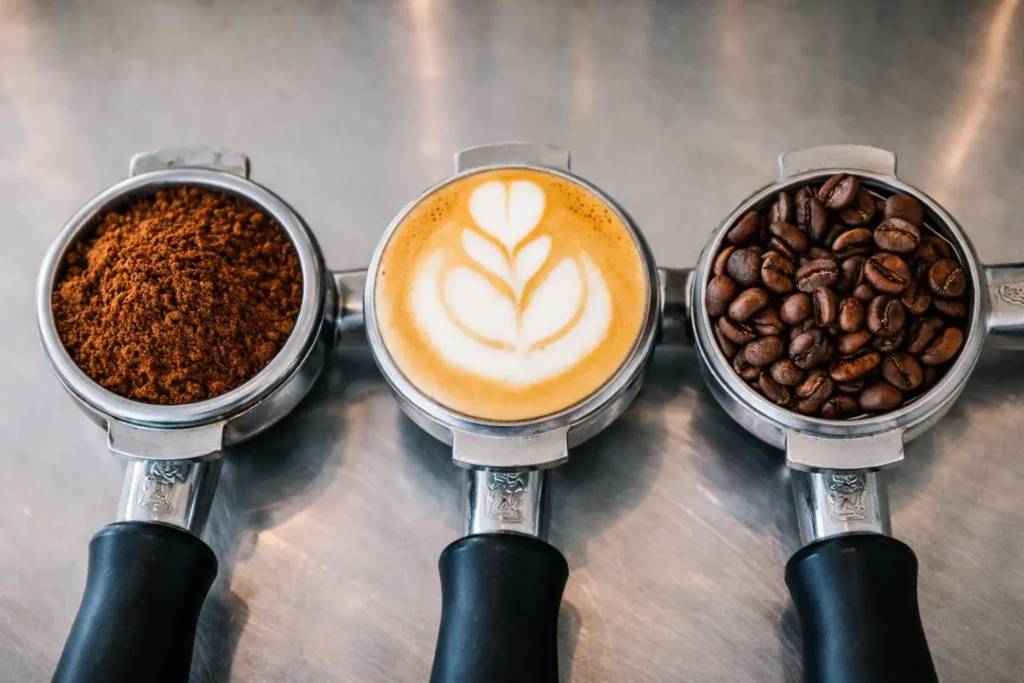
The target: a grind between drip and espresso. Visually, think fine sand or table salt. The particles should hold together slightly when pressed between your fingers but not clump or feel powdery. This is coarser than true espresso grind but finer than what you’d use for a drip machine.
Why this matters: moka uses pressure rather than gravity to push water through the coffee bed. If the grind is too fine, the bed becomes too dense, flow stalls or channels, pressure builds unevenly, and the result is over-extracted bitterness or a sputtering, violent brew. If the grind is too coarse, water races through too quickly, under-extracts, and produces a thin, sour, hollow cup.
Never tamp the basket. Tamping — pressing the coffee down as you would for espresso — is one of the most common moka mistakes. It creates exactly the same resistance problem as too-fine a grind: over-pressure, channeling, and harsh results. Fill the basket, level gently with a finger or flat edge, and leave it alone.
Dialing in step by step: start at medium-fine (table salt texture). Brew on medium-low heat. If the cup tastes sour or hollow, go one step finer. If it tastes bitter or the brew sputters aggressively, go one step coarser. Change only grind between brews — keep everything else fixed — until sweetness clearly “pops” and the finish is clean.
| Grind size | Texture reference | Most common result | Fix |
|---|---|---|---|
| Too coarse | Sea salt / chunky sand | Thin, sour, hollow | Go finer by 1–2 steps |
| ✦ Target: Medium-fine | Table salt / fine sand | Sweet, balanced, clean | This is your baseline |
| Too fine | Espresso-fine / powdery | Bitter, sputtering, harsh | Go coarser, never tamp |
💡 Roast adjustments: Dark roasts extract more easily — go 1–2 steps coarser than baseline. Light roasts resist extraction — go 1–2 steps finer and consider slightly lower heat to avoid the sharp edge that pressure can create.
Moka Pot Brew Ratio by Pot Size
Moka pots are sized by the number of espresso-size cups they produce — but the actual yield per “cup” is typically 40–50ml of strong coffee, not a full mug. The basket must be filled fully for the pot to work correctly: never half-fill a moka basket, or water will rush through unevenly. If you want less coffee, use a smaller pot.
| Pot size | Basket capacity (coffee) | Water in base | Yield (approx.) | Brew ratio | Notes |
|---|---|---|---|---|---|
| 1-cup | 5–7g | 50–60ml | ~40ml | ~1:8 | Fill basket fully; use fine-sand grind |
| 2-cup | 10–12g | 90–100ml | ~80ml | ~1:8 | Good for one strong serving or two short cups |
| 3-cup | 15–18g | 130–150ml | ~120ml | ~1:8 | Most common size; a great starting point |
| 6-cup | 28–32g | 280–300ml | ~240ml | ~1:9 | Two full servings; may need slightly finer grind |
| 9-cup | 42–48g | 430–460ml | ~360ml | ~1:9 | Use lower heat to avoid scorching base |
| 12-cup | 55–65g | 560–600ml | ~480ml | ~1:9 | Longer heat-up time; stop early before sputtering |
Note: These are approximate starting points. Moka basket sizes vary by brand and model — weigh your specific basket’s actual capacity before relying on these figures. The ratio describes coffee-in to water-in, not yield.
Grinder Recommendation for Moka Pot
Whole bean coffee plus a good burr grinder is the single biggest upgrade you can make to your moka game. Pre-ground coffee comes at a fixed grind size — you can’t adjust when something tastes off, and freshness fades fast once beans are ground. A burr grinder gives you the ability to dial in and the consistency to keep results repeatable.
For moka, you need a grinder that can reliably hit the fine-sand zone without generating excessive fine particles (which cause bitterness and pressure spikes). The KINGrinder K6 — the site’s recommended hand grinder for AeroPress — works equally well for moka. Its click-based adjustment system makes 1–2 click changes easy, it produces a narrow, consistent particle distribution, and it retains almost no coffee between brews. For moka’s fine-sand target, start around 2–3 rotations from fully closed and dial from there.
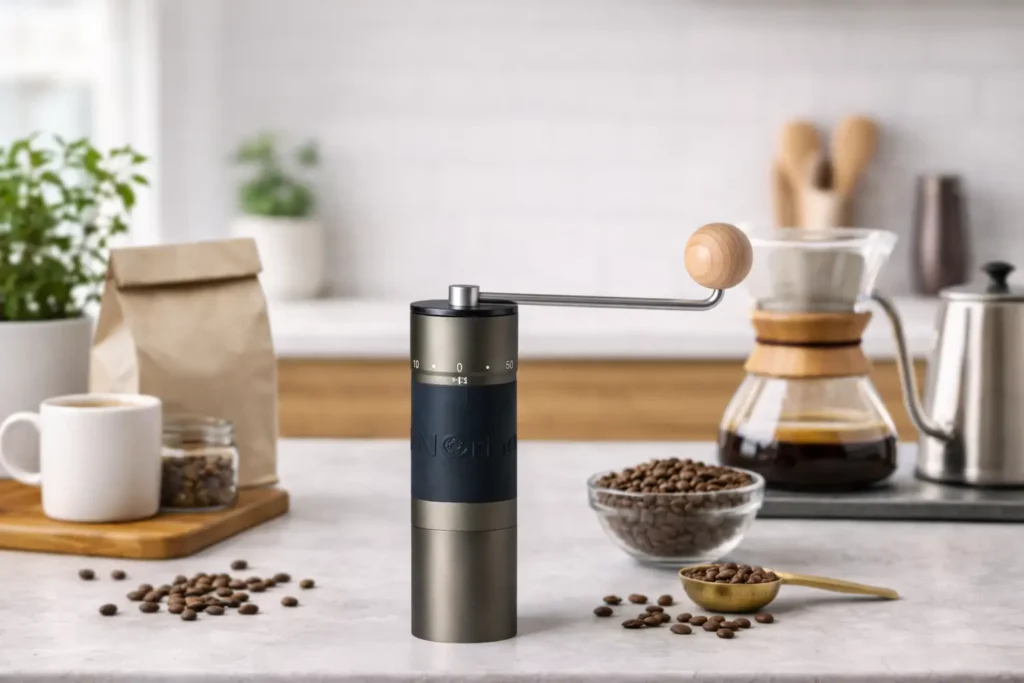
KINGrinder K6 — Best Hand Grinder for Moka Pot
The K6’s precise click-based adjustment system and consistent steel burrs make it ideal for the fine-sand grind zone that moka needs. Start around 2–3 rotations from closed and adjust by 2–4 clicks until cups are sweet and balanced.
- Precise 1-click adjustments for easy moka dial-in
- Near-zero retention — no stale grounds carried over
- Portable — works for travel moka pot setups too
Disclosure: CoffeeGearHub may earn from qualifying purchases.
How to Choose Beans by Flavor Goal
Match your bean to the cup experience you want:
- Chocolatey + smooth black cup: medium roast, Brazil/Colombia notes, 100% Arabica
- Strong café-style moka: medium-dark espresso blend, Arabica/Robusta
- Moka latte base: medium-dark, chocolate/nut-forward, 10–30% Robusta
- Cuban-style sweet moka: bold dark espresso-style, often with Robusta (Café Bustelo is the go-to)
- Exploring single origins: Brazil or Colombia at medium roast — low acid, most forgiving
What to Avoid When Choosing Moka Beans
- Very light roasts: under-developed, often taste sharp and grassy in moka’s concentrated format
- Ultra-oily dark roasts (French/Italian roast extremes): ashy, bitter risk — and can degrade rubber gaskets over time
- Espresso-fine pre-ground: too fine for moka; causes pressure spikes, channeling, and bitter cups
- Old or stale coffee: flat, lifeless cups regardless of how well you brew — freshness is non-negotiable
- 100% Robusta: can be harsh and astringent at moka temperatures; look for Robusta as a blend component only
Brewing Tips That Make Any Bean Taste Better
Even the best beans will underperform if technique is off. These five steps remove the most common sources of bitterness and harshness:
- Start with hot water in the base. Pre-heating the water in a kettle before adding it to the moka base reduces the time the coffee sits over heat, which lowers bitterness risk significantly. Cold water in the base means the coffee grounds heat up slowly over several minutes before water reaches them — a recipe for over-extraction and harsh cups.
- Fill the basket fully; level gently (never tamp). A partially filled basket creates uneven extraction. A tamped basket creates over-pressure. Fill to the top of the basket, level with a flat edge or your finger, and leave it.
- Brew on medium-low heat with the lid open. Medium-low heat produces a slow, controlled flow that extracts evenly. High heat creates a fast, violent flow that extracts the early bitter/ashy compounds before the sweet ones have time to emerge.
- Remove from heat when the stream turns pale and just starts to gurgle. The first stream of dark, rich coffee is your gold. The pale sputtering at the end is bitter, over-extracted water passing through spent grounds. Removing the pot at the right moment — before the aggressive sputtering — makes a significant difference to cup quality.
- Stir before serving. The first and last portions of a moka brew differ in concentration and flavor. A quick stir before pouring homogenizes the cup and gives you a more consistent, balanced result every time.
Troubleshooting: Bitter, Sour, Weak, Burnt
Moka has a narrower extraction window than drip or AeroPress. When something tastes off, one of these causes is almost always responsible. Start with grind first — it’s the most impactful adjustment — then work through heat and timing.
| Taste symptom | Most likely cause | Fix (in order) |
|---|---|---|
| Bitter + harsh | Too fine / heat too high / brewing too long | Coarsen grind → lower heat → stop earlier before gurgling |
| Sour + hollow | Too coarse / under-extracted | Finer grind → steadier heat → ensure basket is full |
| Weak + watery | Too coarse / stale coffee / basket under-filled | Finer grind → fresher beans → fill basket completely |
| Burnt / ashy | Dark roast + aggressive heat, or brewing past gurgling phase | Gentler heat → stop early → try medium roast |
| Sour AND bitter simultaneously | Inconsistent grind (blade grinder) | Upgrade to a burr grinder — see recommendation above |
| Pressure spike / sputtering early | Grind too fine or tamped | Coarsen grind, never tamp, check gasket condition |
FAQs: Best Coffee Beans for Moka Pot
What roast is best for a moka pot?
Medium roast is the best default for moka because it balances sweetness, body, and acidity. Medium-dark gives a more traditional Italian café profile, especially for milk drinks.
Should I use espresso roast coffee in a moka pot?
Yes—espresso roast works well if it’s medium to medium-dark. Very dark oily espresso roasts can turn bitter fast in moka unless you brew on low heat and stop early.
What grind size is best for moka pot coffee?
Use a grind between drip and espresso—think fine sand or table salt. Too fine leads to bitterness and sputtering; too coarse leads to weak or sour cups.
Do I tamp coffee in a moka pot basket?
No. Fill the basket, level gently, and don’t tamp. Tamping increases resistance and makes bitter, harsh brews more likely.
Why does my moka pot coffee taste bitter?
The most common causes are grind too fine, heat too high, or brewing too long into the gurgling phase. Fix it by slightly coarsening the grind, lowering heat, and removing the pot earlier.
Why does my moka coffee taste sour or weak?
That’s usually under-extraction: grind too coarse, coffee too old, or not enough resistance. Go slightly finer, use fresher beans, and make sure the basket is filled fully.
Are Arabica or Robusta beans better for moka pots?
Arabica is usually sweeter and smoother for black moka. Robusta adds punch and heavier body—many classic moka blends use 10–30% Robusta for intensity.
What are the best beans for moka lattes?
Choose medium-dark, chocolate/nut-forward espresso blends that stay bold in milk. Lavazza Super Crema is a strong moka latte pick.
Can I use light roast coffee in a moka pot?
You can, but light roasts often taste sharp when concentrated. If you want fruit notes, choose a medium roast natural-process coffee and dial your grind and heat carefully.
Does a moka pot make real espresso?
Not exactly—espresso uses much higher pressure (9 bar vs moka’s 1–2 bar). But moka makes a concentrated, espresso-style coffee that works great for milk drinks and short servings.
Whole bean vs pre-ground: which is better for moka?
Whole bean is best because you can match grind size to your moka pot and keep flavors fresher. If using pre-ground, avoid espresso-fine grinds and brew gently.
What coffee is best for Cuban-style moka coffee?
Bold espresso-style coffees that hold up to sugar work best. Café Bustelo (pre-ground) is a popular choice for Cuban-style sweet moka.
Continue Learning
☕
Written by the CoffeeGearHub Editorial Team
CoffeeGearHub is a specialty coffee equipment resource run by home brewers and coffee enthusiasts. Our guides are researched using published brewing science, manufacturer specifications, and established specialty-coffee community knowledge. We review and update our pillar content regularly. About CoffeeGearHub →