Last Updated: February 2026 | 42 min read
Manual vs Semi-Automatic vs Automatic vs Super-Automatic
Choosing the right espresso machine is not just about price. The machine type you pick determines how much control you’ll have over extraction, how consistent your results can become, and how far you can take espresso quality at home.
This guide breaks down every major espresso machine type — including boiler systems, pump types, PID temperature control, pressure profiling, and flow control — so you can choose intelligently and avoid costly “wrong-first-machine” regrets.
New to espresso technique? Start with our foundational guide: How to Dial In Coffee at Home.
Quick Takeaways
- Semi-automatic is the best long-term choice for most home baristas (control + growth).
- Manual lever offers maximum shot shaping (and the steepest learning curve).
- Automatic improves convenience by auto-stopping shot volume.
- Super-automatic is best for one-touch drinks, but limits extraction control.
- For taste and consistency, grinder quality + temperature stability matter more than brand.
- Pressure profiling + flow control are advanced features that can improve clarity/sweetness, especially for light roasts.
Machine Types at a Glance
| Type | Control | Convenience | Learning Curve | Best For |
|---|---|---|---|---|
| Manual (Lever) | Maximum | Low | High | Enthusiasts & hobbyists |
| Semi-Automatic | High | Moderate | Moderate | Most serious home baristas |
| Automatic | Medium | High | Low–Moderate | Busy households |
| Super-Automatic | Low | Very High | Minimal | One-touch drink makers |
1) Manual (Lever) Espresso Machines
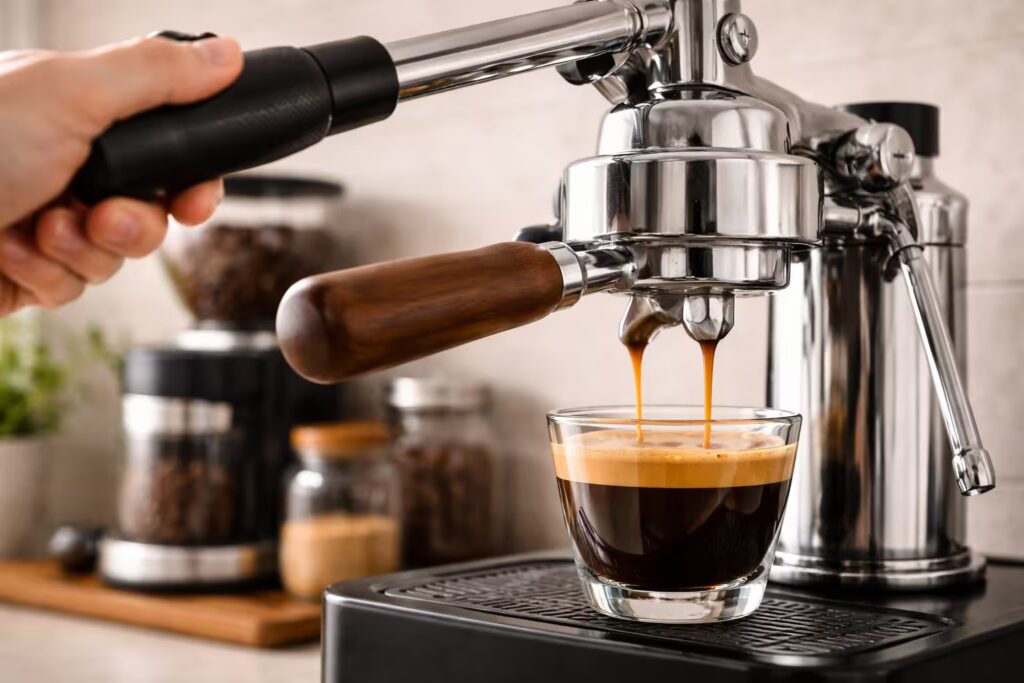
Manual lever machines are the most hands-on category. Instead of an electric pump, you generate brewing pressure with a lever connected to a piston. This gives you unmatched control over how pressure rises and falls during the shot.
What lever machines do differently
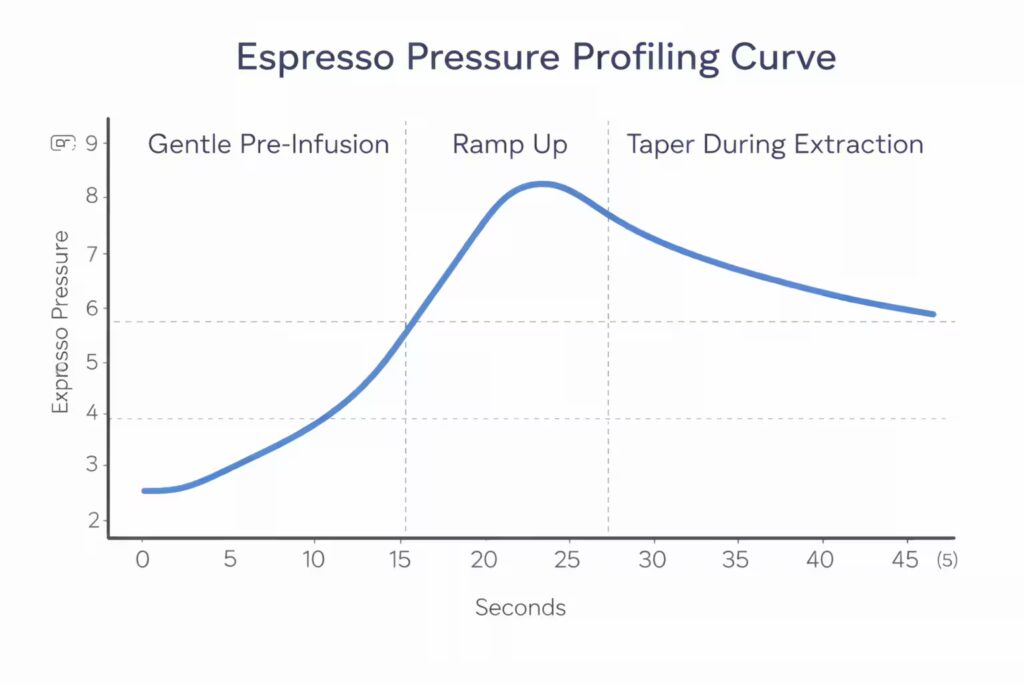
- Natural pressure profiling: start gently (pre-infusion), ramp up, then taper down.
- Tactile feedback: you feel puck resistance as you pull.
- Potential flavor upside: can enhance sweetness and texture when dialed in.
Amazon picks (manual lever)
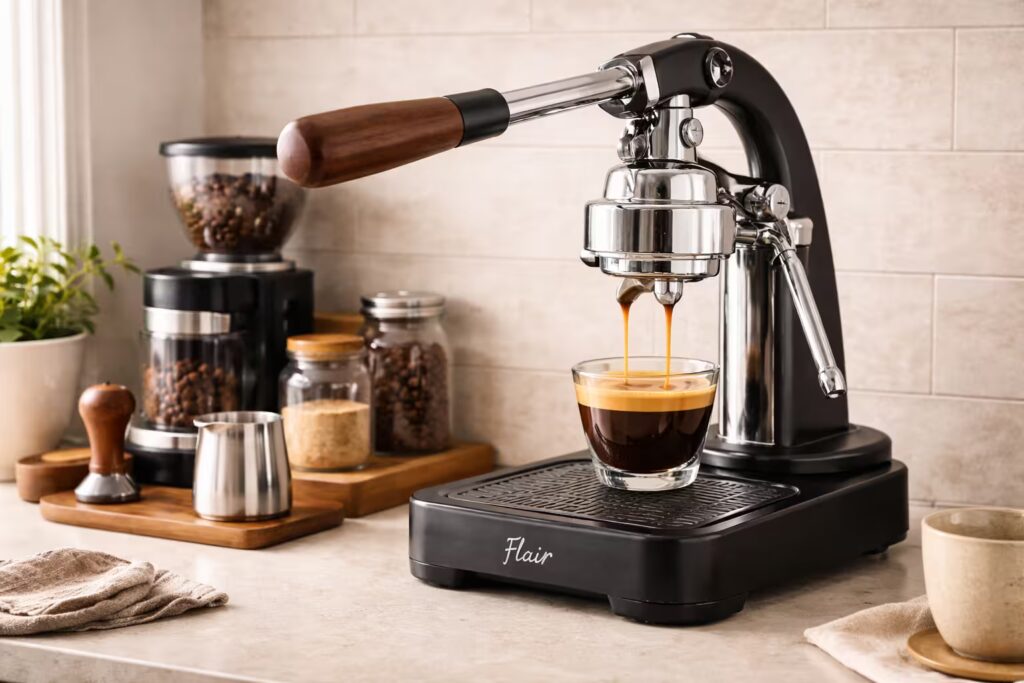
Flair 58
Best for learning manual pressure profiling with true 58mm basket workflow.
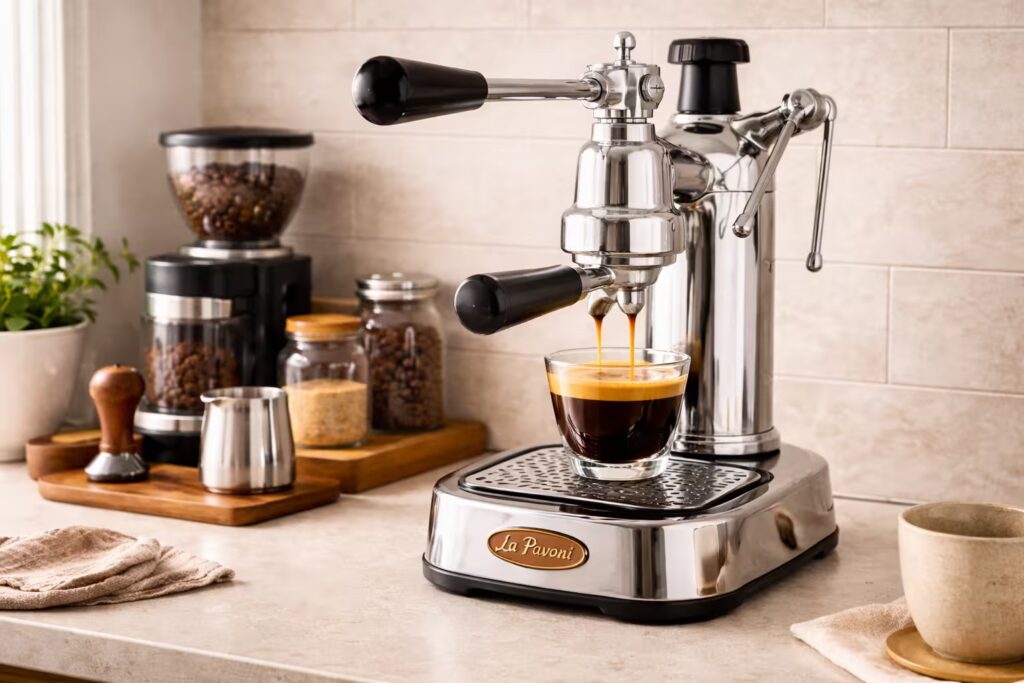
La Pavoni Europiccola
Classic lever espresso machine with a huge community and long ownership history.
2) Semi-Automatic Espresso Machines
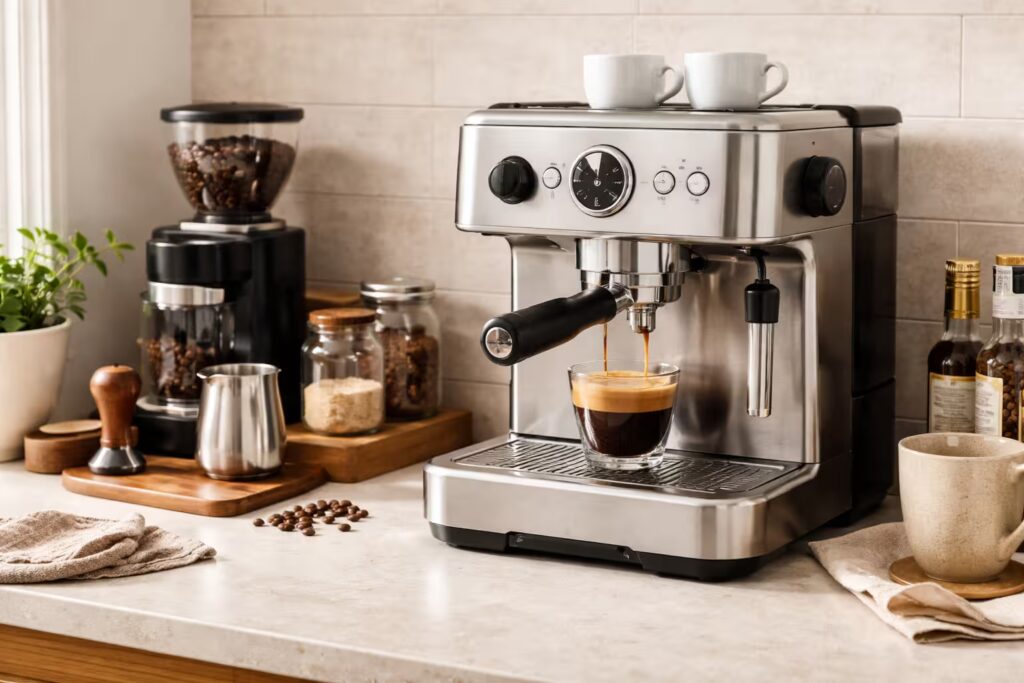
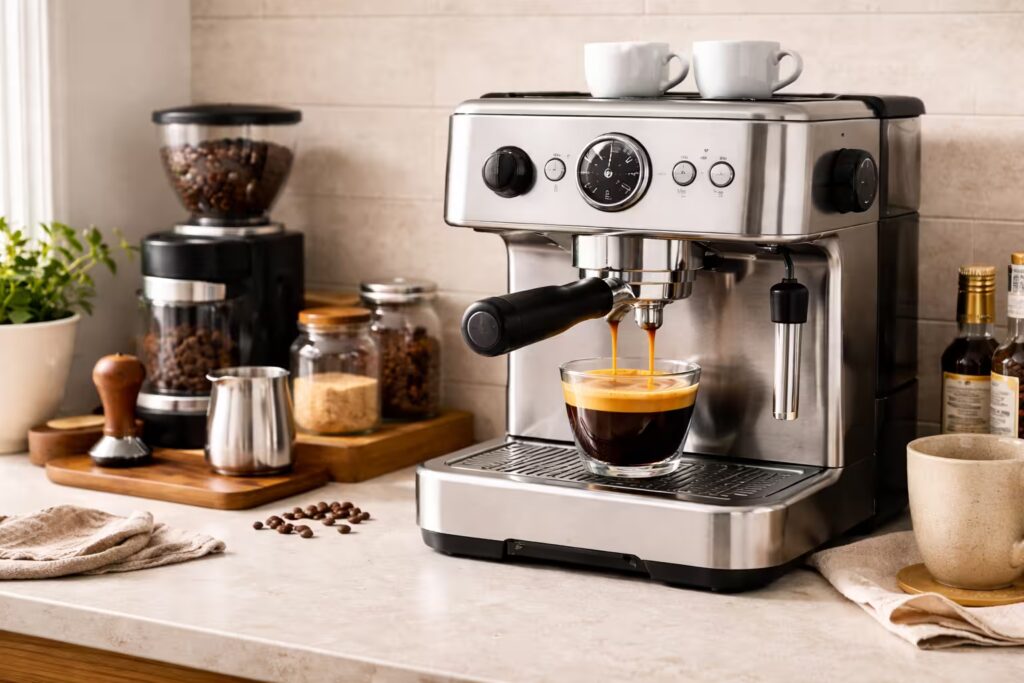
Semi-automatic machines are the “serious home espresso” standard. They generate pressure with an electric pump, but you control grind size, dose (grams in), yield (grams out), and when the shot stops. This is the category where café-level espresso is most achievable at home.
If you’re struggling with sour/bitter swings or inconsistency, see: Espresso Troubleshooting Guide.
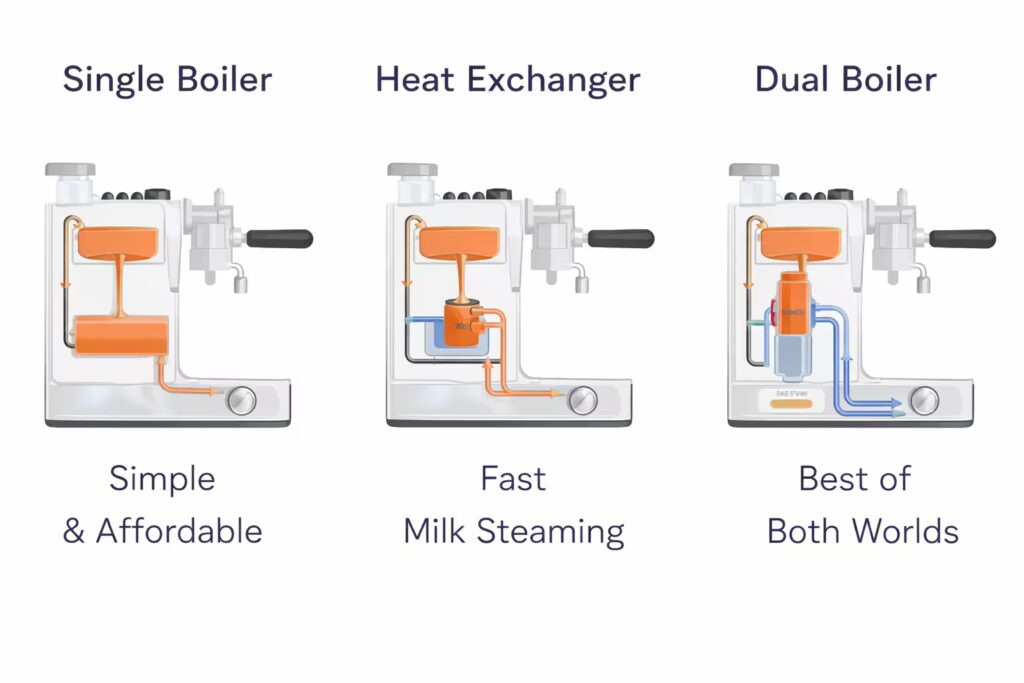
Boiler systems (single boiler vs HX vs dual boiler)
| Boiler Type | Brew + Steam Together? | Temperature Stability | Best For |
|---|---|---|---|
| Single Boiler | No | Moderate | Budget users and straight espresso |
| Heat Exchanger (HX) | Yes | Good | Milk drinkers who want faster workflow |
| Dual Boiler | Yes | Excellent | Precision-focused users and frequent milk drinks |
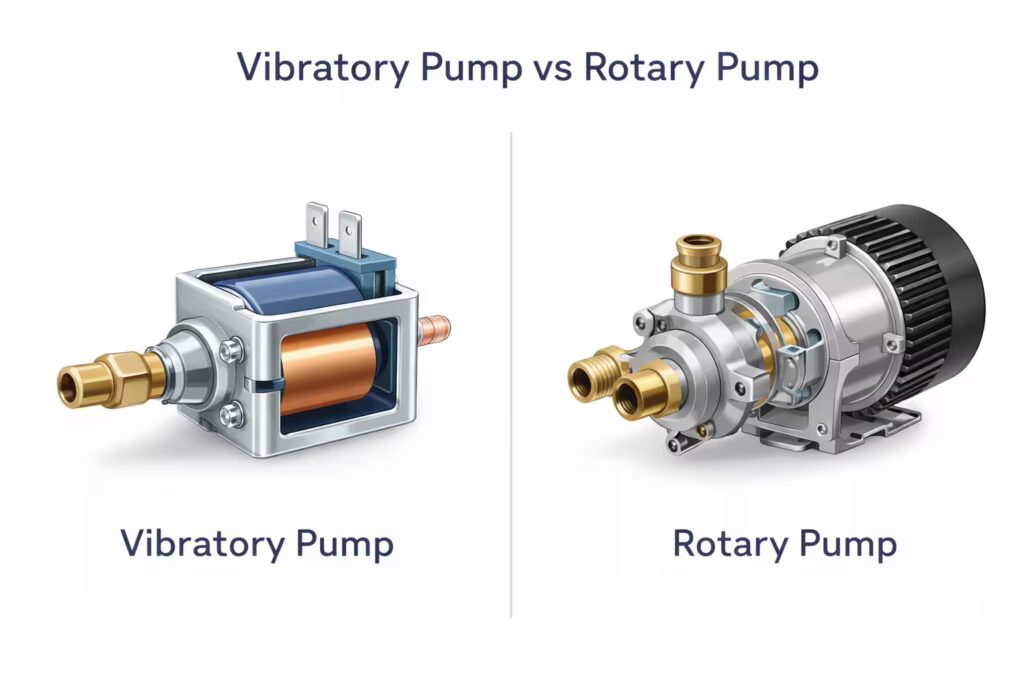
Pump types (vibratory vs rotary)
| Pump | Noise | Pressure Stability | Typical Price Tier |
|---|---|---|---|
| Vibratory | Louder | Good | Entry–Mid |
| Rotary | Quieter | Excellent | Premium |
Pressure profiling + flow control (advanced features)
Pressure profiling changes brewing pressure during the shot. Flow control changes how quickly water moves through the puck (often via a valve). These features can improve sweetness, reduce harshness, and help manage channeling risk — especially for lighter roasts.
Amazon picks (semi-automatic)
Breville Bambino Plus
Fast heat-up and beginner-friendly workflow in a compact footprint.
Gaggia Classic Pro
Classic single-boiler platform with strong mod community and upgrade potential.
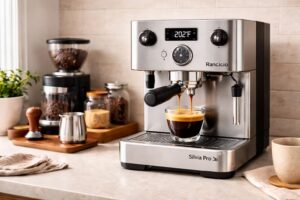
Rancilio Silvia Pro X
Dual-boiler precision for advanced home baristas and frequent milk drinks.
3) Automatic Espresso Machines
Automatic machines still require manual grinding, dosing, and tamping — but they stop the shot automatically based on a programmed volume. That makes them easier for multi-user households and reduces inconsistency caused by stopping shots too early or too late.
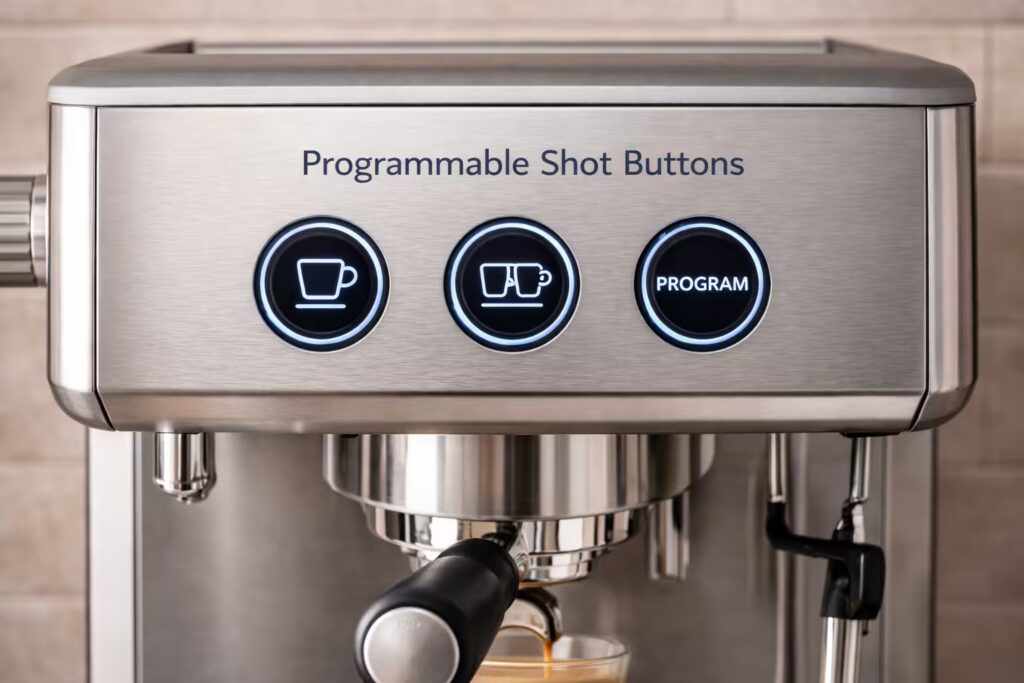
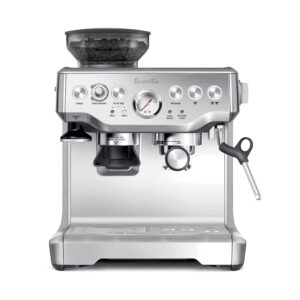
Affiliate pick: Breville Barista Express
Built-in grinder + programmable volumes for a simpler workflow (dedicated grinders can still outperform).
4) Super-Automatic Espresso Machines
Super-automatic machines grind, dose, tamp, brew, and often steam milk at the push of a button. They’re the best choice when convenience is the priority — but they limit the fine control that produces truly exceptional espresso.
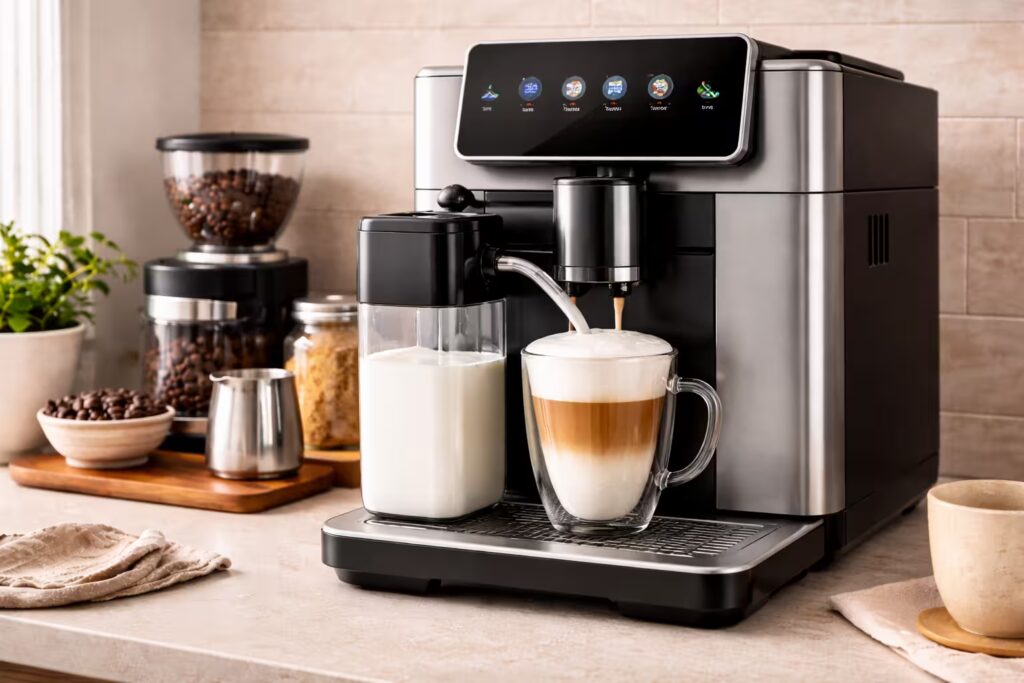
Philips 3200 LatteGo
Easy cleaning, one-touch drinks, strong value for convenience-first users.
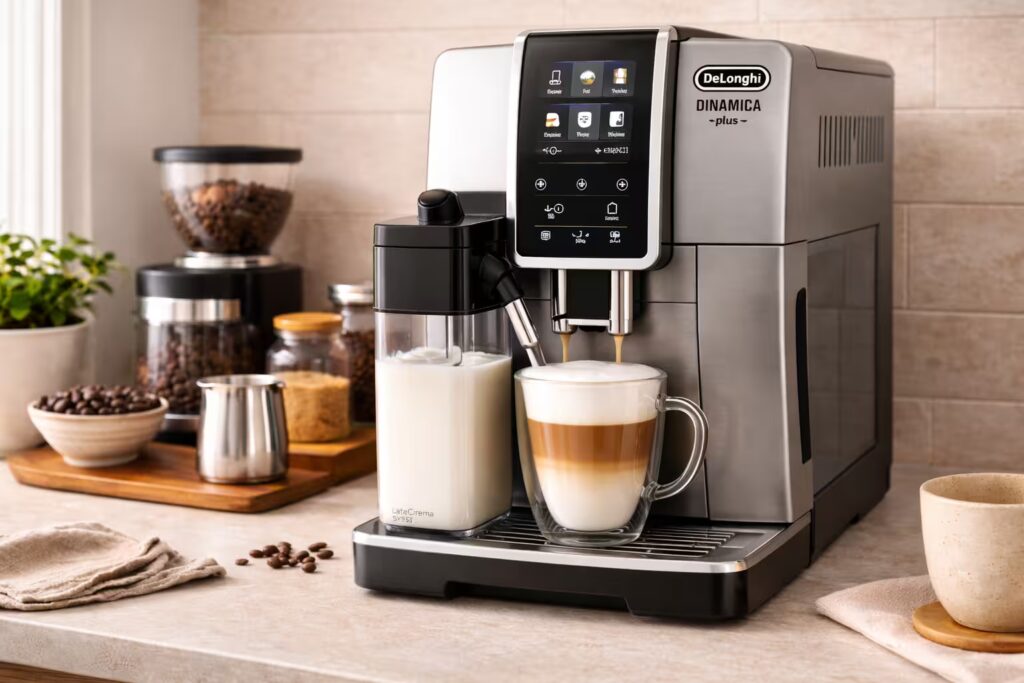
DeLonghi Dinamica Plus
Premium convenience with strong everyday usability and automated milk drinks.
FAQs
What is the best type of espresso machine for beginners?
For most beginners, a semi-automatic espresso machine offers the best balance of control and usability. You can learn proper dialing-in (dose, yield, grind, and shot control) without being locked into one-touch automation.
Is a semi-automatic espresso machine better than a super-automatic?
Semi-automatic is better for flavor control and long-term skill growth because you control grind, puck prep, and shot stopping. Super-automatic is better for convenience and one-touch milk drinks, but it limits extraction control.
Do I need a grinder with a semi-automatic espresso machine?
Yes. An espresso-capable burr grinder is essential because grind size and particle consistency control puck resistance and extraction. A strong grinder paired with a capable machine is the fastest path to consistent espresso.
What is the difference between manual (lever) and pump-driven espresso machines?
Lever machines generate pressure with a lever and piston, giving you direct control over the pressure curve. Pump machines generate pressure electrically and are generally easier to use consistently—especially for beginners and multi-user households.
What’s the difference between a single boiler, heat exchanger (HX), and dual boiler machine?
Single boiler machines can brew or steam but not both at once. HX machines can brew and steam simultaneously but often require temperature management. Dual boiler machines have separate boilers for brew and steam, offering the best temperature stability and workflow.
Is a dual boiler espresso machine worth it at home?
If you make milk drinks frequently and want stable temperatures while brewing and steaming at the same time, dual boiler is worth it. If you mostly drink straight espresso, a strong single boiler or HX machine can still be an excellent choice.
What is PID temperature control and do I need it?
PID temperature control stabilizes brew temperature by regulating the heating system precisely. It’s not required, but it improves consistency—especially with lighter roasts and when you want repeatable results day to day.
What is pressure profiling in espresso machines?
Pressure profiling changes brewing pressure during the shot (for example: gentle pre-infusion, ramp to peak pressure, then taper). It can improve sweetness and clarity and reduce harsh bitterness, especially with lighter roasts.
What is flow control and how is it different from pressure profiling?
Flow control adjusts how quickly water moves through the coffee puck (often via an adjustable valve). Pressure profiling changes pressure directly. Both shape extraction, but flow control is often easier for controlling shot speed and managing channeling risk.
Which matters more for espresso quality: the machine or the grinder?
For most home setups, the grinder matters more. A consistent burr grinder improves particle distribution, reduces channeling, and makes dialing in far easier—even on mid-range machines.
Can super-automatic machines make real espresso?
They can make enjoyable espresso-style drinks and milk beverages, but they limit grind range, puck prep, and shot shaping. If you want maximum flavor tuning, semi-automatic or lever machines offer more control.
How long do espresso machines typically last?
With proper maintenance and correct water chemistry, entry-level machines often last 5–8 years, mid-range prosumer machines 10+ years, and premium dual-boiler machines 15+ years. Regular cleaning and scale prevention extend lifespan significantly.
Next Reads
How to Dial In Coffee at Home
The complete workflow for dialing in espresso (plus drip and pour-over).
Espresso Troubleshooting Guide
Diagnose sour, bitter, channeling, and inconsistent shots with a fix-first checklist.
Coffee Grind Size Chart
Quick reference for espresso through French press—useful when you need a starting point.
Coffee Water Quality Guide
Water chemistry affects taste and machine health—learn what matters most.
Coffee Equipment Maintenance Hub
Cleaning schedules and methods that actually impact flavor.
Best Coffee Grinders (Home + Espresso)
Pick the right grinder for your machine type—your biggest driver of consistency.