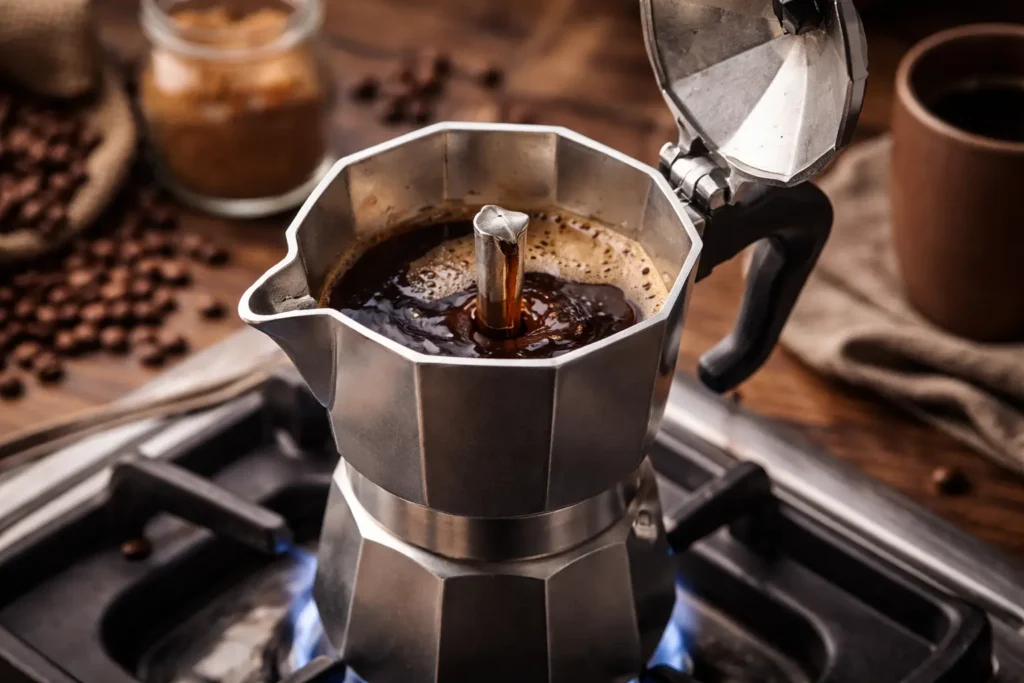
If your moka pot coffee tastes bitter, burnt, metallic, weak, or sour, grind size is usually the real cause. The moka pot sits between drip and espresso: it uses steam-driven pressure (roughly 1–2 bars), rising brew temperature, and a fast-changing flow rate. That makes grind size the “master variable” that controls resistance, contact time, extraction yield, and flavor balance. This pillar guide gives you the exact grind target, the physics behind it, and a step-by-step method to dial in any moka pot—plus moka-friendly grinder picks and conversion-ready product cards.
Quick Takeaways (If You Only Read One Section)
- Best grind for moka pot: medium-fine—coarser than espresso, finer than drip.
- Espresso grind is usually too fine for moka: it increases resistance and pushes extraction toward harsh bitterness.
- Target brew time: 4–5 minutes total with a steady stream (not violent sputtering).
- Never tamp moka coffee. Fill level, distribute evenly, and leave it fluffy.
- Stop the brew early: remove from heat before aggressive sputtering to avoid the bitter end-phase.
- Uniform grind matters: burr grinders outperform blade grinders for sweetness and clarity.
Table of Contents
Best Grind Size for Moka Pot
The moka pot sweet spot is medium-fine. That sounds simple, but the “why” matters: moka brewing needs enough resistance to slow water through the coffee bed, yet not so much resistance that pressure spikes and extraction becomes harsh.
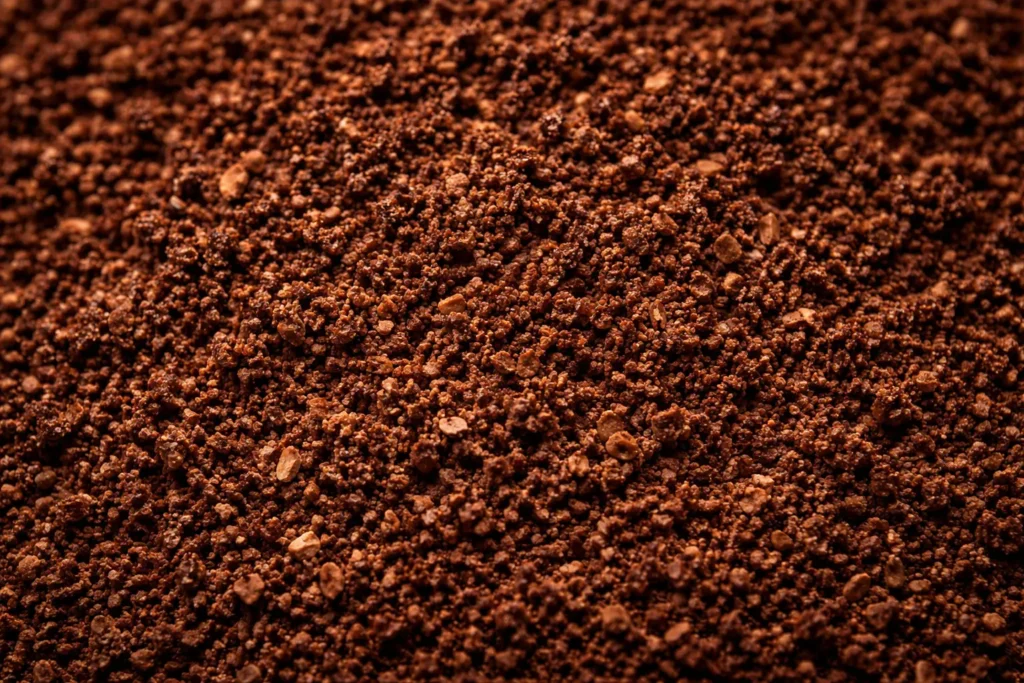
Texture reference: Think “fine sand.” It should feel gritty—not powdery like flour. If you pinch it, it shouldn’t form a firm clump. It should pour cleanly and evenly into the basket.
Rule of thumb: If espresso grind is “flour,” moka is “fine sand,” and drip is “table salt.” Start at fine sand and move slightly finer or coarser based on taste.
What if you use pre-ground coffee? Choose coffee labeled for “moka,” “stovetop,” or “fine drip.” Avoid pre-ground espresso unless you know it’s slightly coarser than typical espresso flour-grind. Fresh grinding beats pre-ground for aroma and sweetness, but grind size still comes first.
Why Moka Pot Is Not Espresso
Moka coffee is strong and concentrated, but it’s not espresso. Espresso is typically brewed around 9 bars of pump pressure. A moka pot uses steam-driven pressure that generally lands far lower (often around 1–2 bars in real use, depending on heat and design). That difference changes the grind requirements.
| Variable | Espresso | Moka Pot |
|---|---|---|
| Pressure | High (pump-driven) | Lower (steam-driven) |
| Flow | Controlled/consistent | Ramping/variable |
| Temperature | Relatively stable | Rises through the brew |
| Grind | Very fine | Medium-fine |
| Main risk | Channeling | Over-extraction at the end-phase |
Why espresso grind often fails in moka: Espresso grind creates too much resistance for a lower-pressure system. Flow can slow dramatically, pressure spikes, and extraction shifts toward bitter, metallic notes. Even if the pot “works,” the cup often tastes harsh.
The Pressure Curve: What Your Moka Pot Actually Does
Moka brewing isn’t a flat, steady-state process. It’s a changing pressure curve. Understanding this is the key to understanding grind.
Phase A: Heating and Pre-Flow
Water heats in the bottom chamber. As temperature rises, vapor forms and pressure begins to build. In this stage, the coffee bed is still dry or partially wet. If your grind is extremely fine, the bed can resist wetting and promote uneven saturation.
Phase B: Stable Flow (The Sweet Window)
This is where the moka pot can taste amazing: steady flow, proper contact time, and a balanced extraction. Grind size determines how long you live in this stage. If grind is too coarse, this stage is short and under-extracted. If too fine, the system strains and shifts into harsh extraction faster.
Phase C: End-Phase (Where Bitterness Is Born)
Near the end, the brew often accelerates and begins sputtering. Steam content increases, temperatures spike, and extraction turns aggressive. This is why many great moka brews are “saved” by stopping early—removing from heat before the last violent sputter.
Key idea: The moka pot has a “sweet window.” Grind size + heat control determines how long you remain in that window before the bitter end-phase takes over.
Particle Distribution: Why Uniformity Wins (and Blade Grinders Lose)
“Grind size” is really two things:
- Average particle size (how fine/coarse you set the grinder)
- Particle size distribution (how many fines + boulders you have)
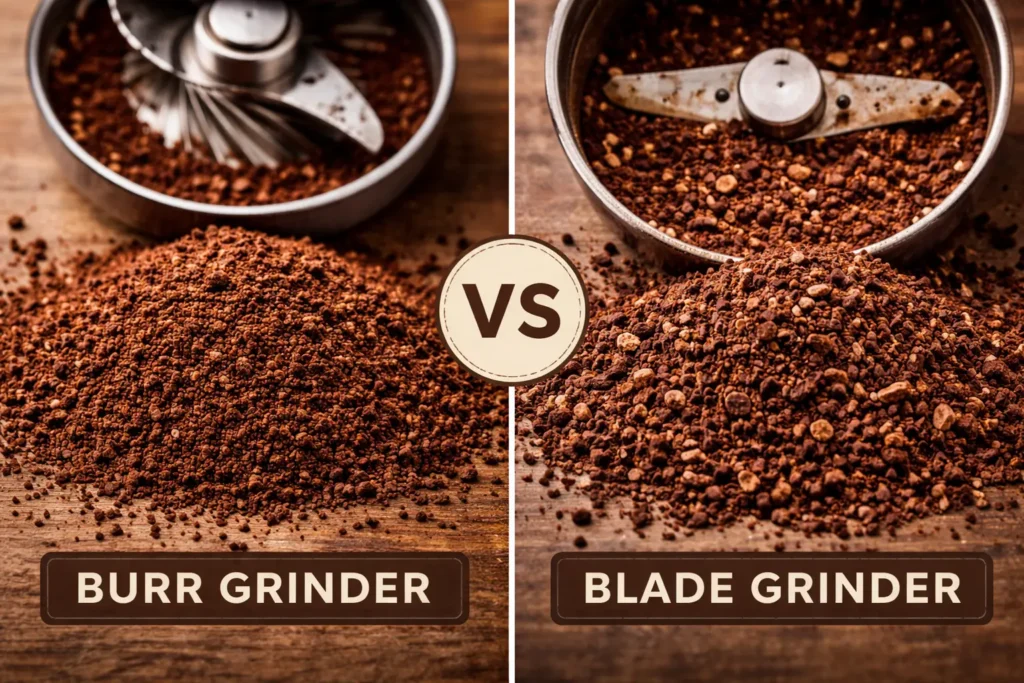
Moka is especially sensitive to distribution because pressure is lower and flow is variable. If you have lots of fines (dust), they pack into the coffee bed and create resistance spikes. If you have lots of boulders (chunks), water finds easy pathways and under-extracts those regions.
Burr Grinders: The Shortcut to Better Moka
A burr grinder produces a tighter distribution, which usually means:
- More sweetness
- Less harsh bitterness
- More consistent brew times
- Easier dialing in
Blade Grinders: Why They Taste “Burnt” Even on Good Beans
Blade grinders create a mix of dust and chunks. Dust over-extracts and contributes bitterness. Chunks under-extract and contribute sourness. Together, you get the worst of both: a cup that is both harsh and thin.
Extraction Yield, Strength, and Why Moka Gets Bitter
Let’s define three terms in plain English:
- Strength (TDS): How concentrated the coffee is (how “strong” it tastes)
- Extraction yield: How much of the coffee solids you dissolved from the grounds
- Balance: The flavor harmony of acids, sweetness, and bitterness
A moka pot often produces higher strength than drip because it uses pressure and a relatively low brew ratio. But a coffee can be strong and still taste sour (under-extracted) or strong and bitter (over-extracted). Grind size is the lever that pushes you along that spectrum.
Why “Bitter Moka” Happens So Often
Moka bitterness usually comes from a combination of:
- Too fine a grind (excess resistance + longer contact time)
- Too much heat (pressure spikes + hotter end-phase)
- Brewing into the sputter (steam-heavy extraction at the end)
Fixing bitterness is rarely about buying different beans. It’s usually about moving grind slightly coarser, reducing heat, and stopping the brew earlier.
The Temperature Ramp: The Variable Nobody Talks About
Unlike many brew methods, moka pot brewing typically experiences a rising temperature through the brew. Early flow can be relatively moderate, but late flow is often much hotter—especially if you brew on high heat and run into aggressive sputtering.
Why this matters: hotter water extracts faster and pulls more bitter compounds. If grind is too fine, you’re already extracting heavily. Add higher temperature late in the brew, and the cup turns harsh quickly.
Two Easy Temperature Fixes
- Use pre-heated water in the base: it reduces the time the coffee bed spends heating and can reduce harshness.
- Use medium heat and aim for steady flow rather than a fast “blast.”
Brew Time Targets & Flow Control
For most standard moka pots, a reliable target is:
4–5 minutes total brew time (from putting it on heat to removing it), with a steady stream during the main flow stage.
What “Good Flow” Looks Like
- Steady stream, not spurts
- Even color that gradually lightens
- Minimal violent sputtering
If Your Brew Is Too Fast
If coffee rushes through quickly, the bed didn’t provide enough resistance. That usually means grind is too coarse or dose is too low for your basket size. The cup often tastes thin, sharp, or sour.
- Move grind slightly finer
- Confirm the basket is filled level (not underfilled)
- Use medium heat, not high heat
If Your Brew Is Too Slow
If it takes forever to start flowing, or it only spurts after long pressure buildup, grind is likely too fine (or the bed is packed unevenly). The cup often tastes bitter and harsh.
- Move grind slightly coarser
- Do not tamp
- Reduce heat
Dialing In Step-by-Step: A Repeatable Method
This method makes dialing in moka feel as systematic as dialing espresso—without obsessing over lab tools.
Step 1: Start at Medium-Fine
Start at “fine sand.” If you already brew espresso, go noticeably coarser than espresso. If you brew drip, go noticeably finer than drip.
Step 2: Use a Consistent Workflow
- Fill base with water to the valve line (or manufacturer mark).
- Use medium heat. (Optional: start with pre-heated water.)
- Fill basket level—no mound, no tamp.
- Assemble firmly (use a towel if hot water is used).
- Start timer when it hits heat.
- Watch for steady flow; remove when color pales and before aggressive sputter.
Step 3: Taste and Adjust One Click at a Time
Adjust based on flavor first, then time:
- Sour / sharp / watery: grind slightly finer
- Bitter / harsh / metallic: grind slightly coarser
- Both sour and bitter: distribution problem (uneven grind, blade grinder, poor leveling) or heat too high
Important: moka is sensitive to small changes. Big grind jumps can overshoot the sweet spot. Move slowly.
Roast-Level Grind Adjustments
Roast level changes bean density and extraction behavior. Your “best moka grind” shifts slightly depending on roast.
Light Roast
- Usually needs slightly finer grind
- Benefits from pre-heated water and careful heat control
- More acidity; aim for sweetness and clarity
Medium Roast
- Most forgiving
- Use as your baseline for dialing
- Best balance of sweetness and body for most people
Dark Roast
- Usually needs slightly coarser grind
- Extracts quickly; can turn bitter fast in the end-phase
- Stop early—avoid the sputter finish
Common Mistakes (and What to Do Instead)
Mistake: Using Espresso Grind
Espresso grind often creates too much resistance for steam-driven pressure and pushes the brew toward harshness.
- Fix: go coarser until flow is steady and the cup sweetens.
Mistake: Tamping or Packing the Basket
Compressing moka grounds reduces permeability and promotes pressure spikes and uneven extraction.
- Fix: fill level, distribute evenly, and leave it fluffy.
Mistake: Brewing on High Heat
High heat rushes the pressure curve, shortens the sweet window, and makes the end-phase more brutal.
- Fix: medium heat, steady flow, and pull it early.
Mistake: Letting It Sputter to the End
The last phase is often steam-heavy and bitter. It can ruin an otherwise excellent brew.
- Fix: remove when color pales and before aggressive sputtering; optionally cool the base under a little tap water to stop extraction quickly.
Advanced Techniques for Smoother, Sweeter Moka
A) Pre-Heat Water (The “Smoother Moka” Hack)
Starting with hot water reduces the time the coffee bed spends warming while the pot climbs to pressure. Many people report less harshness and a cleaner sweetness. If you use hot water, assemble carefully (use a towel) and keep heat moderate to avoid a too-fast brew.
B) Control the Heat to Extend the Sweet Window
Your goal is not maximum speed. Your goal is steady flow. Medium heat often gives a longer stable phase and reduces end-phase bitterness.
C) Even Distribution Without Tamping
If you’re getting uneven results, distribution may be the hidden problem. Try:
- Lightly tapping the basket to settle
- Gently leveling with a finger (no compression)
- Avoiding big voids or channels
D) Stir the Output in the Top Chamber
Moka output can stratify (stronger early flow, weaker late flow). A quick stir in the top chamber smooths the cup and improves consistency.
E) “Stop the Brew” Technique
When the stream turns pale and sputtering begins, remove from heat. To stop extraction fast, briefly cool the base under running tap water (avoid splashing into the top chamber). This limits the bitter end-phase.
Moka-Friendly Grinder Picks + Conversion-Optimized Product Cards
For moka, you want a grinder that excels at consistent medium-fine and offers small-enough steps to dial in sweetness without jumping past the target. Below are three common “moka-friendly” picks that cover most budgets and use-cases.
Baratza Encore — Best Overall for Moka Pot
Best for: Most homes brewing moka + drip (and sometimes pour-over).
- Strong consistency in the medium-fine range
- Easy workflow and predictable adjustments
- Repair-friendly (great long-term value)
Why it converts: It solves the #1 moka problem (uneven grind) without becoming an “espresso hobby project.”
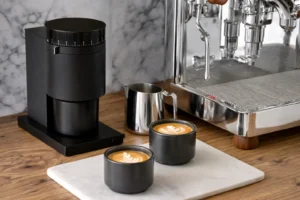
Fellow Opus — Best Compact Modern Option
Best for: Small kitchens, modern setups, moka + multiple brew methods.
- Wide usable range including moka sweet spot
- Good control for small grind adjustments
- Designed for low mess and easy daily use
Why it converts: It’s a “looks good + works well” grinder that feels like an upgrade without the espresso-only complexity.

Eureka Mignon Notte — Best “Espresso + Moka” Upgrade
Best for: Enthusiasts who brew moka now and may add espresso later (or already do both).
- Fine adjustment control for dialing sweetness
- Strong grind quality and consistency
- Great if you want one grinder for multiple concentrated brews
Why it converts: It appeals to “future-proofing” buyers who want to buy once and grow into espresso without sacrificing moka results.
Troubleshooting: Fix Moka Pot Grind Problems by Taste (Fast)
Use this section like a diagnostic tool. Make one change at a time, then brew again using the same heat and dose.
| Symptom | Most Likely Cause | Fix |
|---|---|---|
| Bitter / harsh / burnt | Grind too fine; heat too high; brewed into sputter | Grind coarser; reduce heat; stop early |
| Sour / sharp / thin | Grind too coarse; brew too fast | Grind slightly finer; ensure basket is level-full |
| Metallic / astringent | Pressure spike; end-phase extraction; uneven distribution | Lower heat; don’t tamp; cool base to stop brew |
| Starts late, then spurts | Too fine or packed bed | Coarser grind; fluff and level the bed |
| Fast rush, weak output | Too coarse; too much heat | Finer grind; medium heat |
When It’s Not Grind: Three Checks
- Gasket & seal: A worn gasket can leak pressure and cause weak brews.
- Basket fill: Underfilling reduces resistance and weakens extraction.
- Dirty filter: Old oils add bitterness even with perfect grind.
FAQs
What grind size is best for a moka pot?
Medium-fine is best for most moka pots—coarser than espresso, finer than drip. Aim for a “fine sand” texture that pours freely and doesn’t clump like flour.
Is espresso grind too fine for moka pot?
Often, yes. Espresso grind can create excessive resistance in a steam-driven system, increasing harsh bitterness and sputtering. If your moka is bitter or metallic, go slightly coarser.
Why does moka pot coffee taste bitter?
The most common causes are too fine a grind, too much heat, and letting it sputter to the end. Move grind coarser, brew on medium heat, and stop before aggressive sputtering.
Why does moka pot coffee taste sour or weak?
Sour or weak moka is usually under-extraction from a grind that’s too coarse or a brew that runs too fast. Move slightly finer and keep heat moderate for steady flow.
Should you tamp coffee in a moka pot?
No. Don’t tamp. Tamping restricts flow, increases pressure spikes, and often makes moka more bitter. Fill level, distribute gently, and leave the bed fluffy.
What’s the ideal brew time for moka pot?
A good target is 4–5 minutes total. The stream should be steady during the main flow stage. Very fast brews often taste thin; very slow brews often taste bitter.
Can I use pre-ground coffee in a moka pot?
Yes. Look for pre-ground labeled “moka,” “stovetop,” or “fine drip.” Avoid ultra-fine espresso powder unless you know it’s compatible with your pot and heat control.
Does a burr grinder matter for moka pot?
Yes. Burr grinders produce more uniform particle sizes, which improves sweetness and reduces harshness. Blade grinders produce dust + chunks, causing bitter and sour flavors in the same cup.
Should I grind differently for light vs dark roast in moka pot?
Usually, yes. Light roasts often need slightly finer grind to extract sweetness. Dark roasts often need slightly coarser grind and earlier stopping to prevent bitterness.
Does moka pot make crema?
Not true espresso crema. Moka can produce a foam-like layer from oils and pressure changes, but it’s different from the emulsified crema produced at espresso pressure.
Next Reads
| Best Grinders for Moka Pot Dial-in-friendly grinders for medium-fine consistency. | How to Dial In Coffee at Home Extraction fundamentals across brew methods. | Moka Pot vs Espresso Machine Pressure, flavor, and strength differences explained. |
| Best Coffee Beans for Moka Pot Roasts and blends that avoid bitterness. | Espresso Troubleshooting Guide Fix bitterness, channeling, and flow issues. | Arabica vs Robusta Species impact on body, crema-like foam, and caffeine. |