Espresso is brutally sensitive to grind. You can have a great machine and fresh beans—and still pull sour, bitter, or “spray-and-pray” shots if your grinder can’t make small, repeatable adjustments.
This guide ranks espresso-capable grinders by tier (budget → prosumer), with custom comparison tables for each tier and a simple decision framework so you can buy the right grinder the first time.
Want the espresso-machine side of the setup too? Pair this with Best Espresso Machines for Beginners and keep Grind Size Explained open while you dial in.
Affiliate Disclosure: Some links below are affiliate links. If you buy through them, CoffeeGearHub may earn a commission at no extra cost to you. As an Amazon Associate, we earn from qualifying purchases.

Quick Takeaways (Read This First)
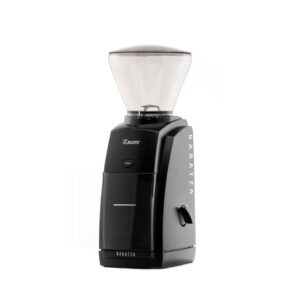
- Best budget espresso grinder (true dial-in): Baratza Encore ESP — espresso-oriented micro-steps and strong value.
- Best “dial-in fast” workflow: Baratza Sette 270 — macro + stepless micro tuning makes adjustments easier.
- Best stepless grinder for the money: Eureka Mignon Notte/Manuale — stepless micrometric adjustment for small changes.
- Best manual espresso grinder: 1Zpresso J-Max — fine click resolution for espresso without the noise.
- If you’re mostly milk drinks: you can “get away with” slightly less perfection—but you still need repeatability to avoid sour/bitter swings.
- If you’re using non-pressurized baskets: prioritize adjustment precision first, then consistency/retention.
If you want CoffeeGearHub’s dedicated espresso-grinder list, see: Best Burr Grinders for Espresso. This guide expands the tiering, adds buying rules, and makes it easier to choose quickly.
What Makes a Grinder “Espresso-Capable” (Without the Jargon)
Lots of grinders can grind “fine.” Espresso needs something stricter: fine + repeatable + adjustable in tiny steps. The difference between a great shot and a sour one can be a movement so small you barely notice it—so the grinder must let you move slightly, not “jump.”
The 5 features that matter most
- Adjustment precision: Stepless (near-infinite) or espresso-specific micro-steps. This is the #1 “dial-in” factor. :contentReference[oaicite:4]{index=4}
- Consistency: Fewer “boulders + fines” = fewer channeling problems and more repeatable shots.
- Retention + workflow: How much old coffee stays inside, how messy it is, and how easy it is to repeat dose-to-dose.
- Clumping/static behavior: Espresso puck prep is harder if grinds clump heavily (often fixed with simple distribution/WDT).
- Daily usability: Noise, size, and ease of cleaning—because if it’s annoying, you’ll stop using it.
New to dialing in? Read Grind Size Explained before you start “fixing” espresso problems by changing everything at once. The fastest method is: change grind first, then tweak dose/time.

Tier 1: Best Budget Espresso Grinders (Under ~$200)
This tier is about one thing: real espresso control without paying prosumer prices. The goal isn’t “perfect café competition shots”—it’s repeatable home espresso you can improve over time.
Tier 1 Comparison Table
| Model | Adjustment Type | Best For | Watch-Outs | Amazon |
|---|---|---|---|---|
| Baratza Encore ESP | Espresso-focused micro-steps | First espresso setup, learning dial-in | Not the quietest; hopper workflow | CTA below |
| Breville Smart Grinder Pro | Stepped | Milk drinks, beginner convenience | Steps can feel “too big” for picky espresso | CTA below |
| Manual: 1Zpresso (entry espresso models) | Fine clicks | Quiet espresso on a budget | Effort for multiple shots | CTA below |
Top Pick (Tier 1): Baratza Encore ESP
The Encore ESP earns its spot because it’s designed around the problem most budget grinders fail: espresso needs smaller, espresso-relevant adjustments. It’s a practical “first real espresso grinder” that doesn’t force you to guess between two settings that are both wrong. :contentReference[oaicite:6]{index=6}
- Buy this if: you’re building your first espresso setup and want a sane learning curve.
- Skip this if: you need ultra-quiet grinding or you’re chasing high-end single-dose workflow.
- Pairs well with: beginner machines that don’t include grinders (example: Bambino-style setups).

Dial-in tip: If shots run fast and taste sour, go finer. If they run slow and taste bitter/dry, go coarser—one small move at a time. (This is the same logic outlined in Grind Size Explained.)
Tier 2: Best Value Espresso Grinders ( ~$200–$400 )
This is the “sweet spot” for most home espresso drinkers: noticeable jump in dialing control and repeatability, without entering true prosumer pricing.
Tier 2 Comparison Table
| Model | Adjustment | What You’re Paying For | Best For | Amazon |
|---|---|---|---|---|
| Baratza Sette 270 | Macro + stepless micro | Fast dialing + repeatable workflow | People pulling espresso often | CTA below |
| Eureka Mignon Notte / Manuale | Stepless micrometric | Tiny adjustments + “espresso-first” feel | Traditional espresso dialing | CTA below |
Best for Fast Dialing: Baratza Sette 270
The Sette 270 is popular because it makes the iterative part of espresso—change grind, pull shot, adjust—feel quicker and less frustrating. Its macro range gets you close, and the micro adjustment lets you nudge the shot without “jumping past it.”

Best Stepless Value: Eureka Mignon Notte (Manuale)
If you want classic espresso control, the Eureka Mignon Notte/Manuale is the “buy a real stepless grinder” move. Stepless adjustment is the big deal here: you can make tiny changes until your shot time and taste land exactly where you want.

Internal read: If you’re choosing your first grinder overall (not just espresso), use How to Choose Your First Coffee Grinder to sanity-check burr type, workflow, and budget before you buy.
Tier 3: Prosumer Espresso Grinders ( ~$400–$900 )
This tier is for people who care about espresso as a hobby: more refined build, better “feel,” and usually smoother dialing. If you pull espresso daily and want fewer “why did it change today?” moments, this is where the experience starts to feel easier—not just better.
Tier 3 Comparison Table
| Type | What Improves Most | Who It’s For | Typical Trade-Off |
|---|---|---|---|
| Stepless “prosumer” electrics | Dialing smoothness + repeatability | Daily espresso users | Cost, size, sometimes retention management |
| Single-dose focused grinders | Freshness + low retention workflow | Bean-switchers, lighter roast espresso | Extra steps (bellows, RDT), cost |
Note: CoffeeGearHub’s espresso-grinder guide goes deeper on “what makes espresso-capable” and includes more decision factors around retention, workflow, and adjustment design. See Best Burr Grinders for Espresso.
If you’re also shopping machines, match your grinder tier to your machine tier—then learn the basics on Best Espresso Machines for Beginners.

Manual Espresso Grinders: The Quiet Value Play
Manual espresso grinders make sense when you pull 1–2 shots at a time and you value quiet, portability, and value-per-dollar. The key requirement is the same as electric: fine enough adjustment steps for espresso.
Top Manual Pick: 1Zpresso J-Max
The 1Zpresso J-Max is frequently recommended for espresso because its adjustment resolution supports real dialing in (instead of “close enough”). If you’re in an apartment, don’t want grinder noise, or want a travel-capable espresso option, this category is hard to beat.

If you’re debating manual vs electric overall (not just for espresso), read: How to Choose Your First Coffee Grinder.
How to Choose the Right Espresso Grinder (Fast Decision Framework)
Step 1: Are you using pressurized or non-pressurized baskets?
- Pressurized baskets: More forgiving. A budget espresso-capable grinder can work while you learn.
- Non-pressurized baskets: You’ll feel grinder limitations immediately. Prioritize micro-steps or stepless adjustment.
Step 2: How often do you pull espresso?
- 1–3x/week: Manual espresso grinder can be perfect (quiet, high value).
- Daily (1–2 drinks): Value electrics like Encore ESP / Sette 270 are the “easy” path.
- Multiple drinks daily: Prioritize workflow speed + repeatability; consider stepping up tiers.
Step 3: Do you switch beans often?
If you constantly swap coffees, you’ll care more about repeatable settings and low-retention workflow. If you stick to one bean, hopper-style grinders can be simpler and still excellent.
When you get stuck, use the simplest dial-in method: Grind Size Explained. It’s designed to help you diagnose sour vs bitter quickly and fix it with small moves.
Custom Comparison Tables by Grinder Tier
Tier Summary Table (All Tiers at a Glance)
| Tier | Best For | What Improves | Top Picks |
|---|---|---|---|
| Tier 1 (Under ~$200) | First espresso setup | Entry dial-in control | Encore ESP |
| Tier 2 (~$200–$400) | Regular espresso drinkers | Finer control + workflow | Sette 270, Eureka Notte |
| Tier 3 (~$400–$900) | Hobbyists / daily users | Smoother dialing + refinement | Prosumer stepless / single-dose styles |
| Manual | Quiet, 1–2 shots | Value per dollar | 1Zpresso J-Max |
For CoffeeGearHub’s espresso-focused grinder breakdown with additional picks and deeper explanations, see: Best Burr Grinders for Espresso. :contentReference[oaicite:18]{index=18}
Recommended Next Reads (Internal Links)
- Best Espresso Machines for Beginners
- Best Burr Grinders for Espresso
- Grind Size Explained
- How to Choose Your First Coffee Grinder
FAQs
Do I really need a burr grinder for espresso?
Yes. Espresso needs consistent, fine grinding with small adjustment steps. Many general-purpose grinders can grind fine, but lack the precision to dial in reliably—especially with non-pressurized baskets.
What’s more important for espresso: the machine or the grinder?
For most beginners, the grinder matters more. Espresso extraction is fast and sensitive, and the grinder controls how water flows through the puck. A capable grinder makes dialing in dramatically easier.
What’s the difference between stepless and stepped adjustment?
Stepped grinders move in fixed increments; stepless grinders allow near-infinite positions. Espresso often benefits from stepless or micro-stepped designs because you can make tiny changes without overshooting.
Can one grinder handle espresso and drip coffee?
Some can, but switching back and forth can be annoying because it’s hard to return to the exact espresso setting. If espresso is your priority, choose an espresso-capable grinder first, then confirm it’s convenient for filter coffee too.
Are manual grinders good enough for espresso?
Yes—if they have fine enough adjustment steps. Manual grinders are great for 1–2 shots at a time and are popular for quiet operation and portability.
What’s the fastest way to fix sour or bitter espresso shots?
Change grind size first. If shots run fast and taste sour, grind finer. If shots run slow and taste bitter/dry, grind coarser. Make one small change at a time and keep dose/yield consistent.
Final Takeaway
The best espresso grinder is the one that matches your routine and makes dialing in feel predictable. If you want the easiest entry point, start with an espresso-capable grinder that offers micro-steps or stepless adjustment—then learn the grind-first method from Grind Size Explained.
If you’re building your setup from scratch, use this order: grinder → machine → accessories. Your espresso quality improves faster that way.