Fundamentals
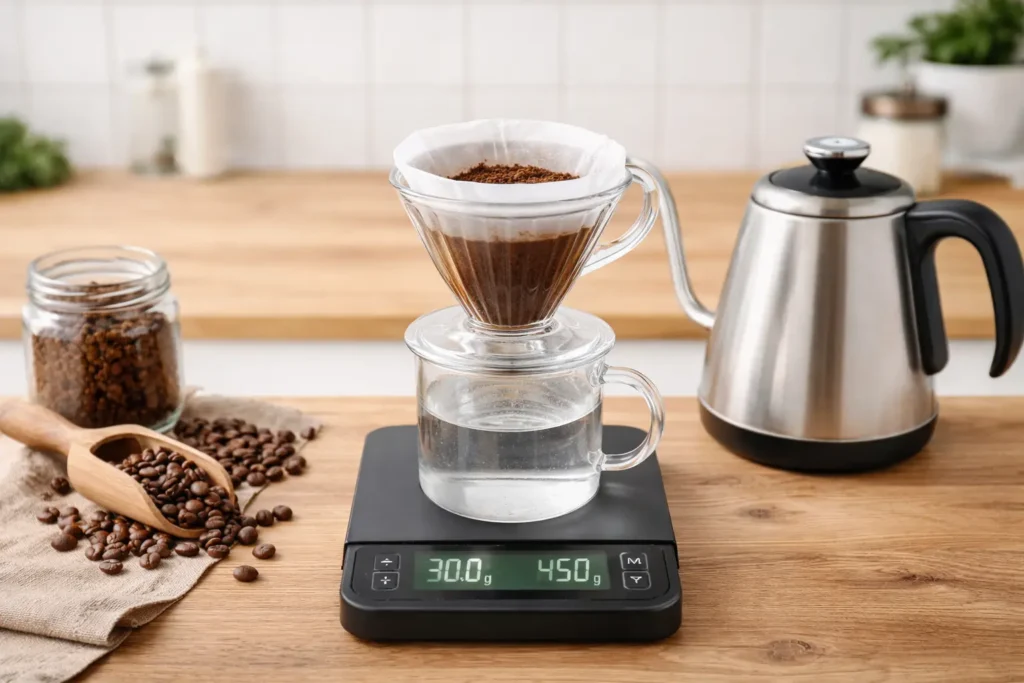
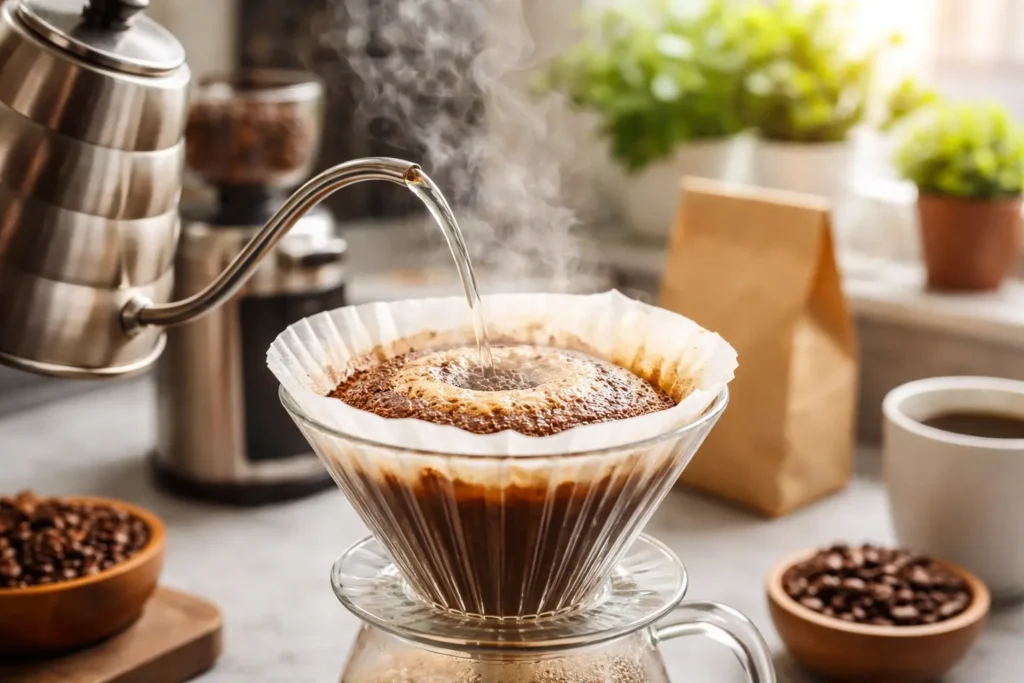
Brewing fundamentals are the core principles that determine how coffee is extracted and how it ultimately tastes in the cup. Regardless of the brewing method you use—whether it’s pour-over, French press, AeroPress, espresso, or drip coffee—understanding the basic variables of coffee brewing helps you produce consistently better results.
Several key factors influence coffee extraction. Grind size, coffee-to-water ratio, water temperature, brew time, and water quality all work together to control how flavors are dissolved from the coffee grounds. Small changes in these variables can significantly affect the balance of acidity, sweetness, bitterness, and body in the final brew.
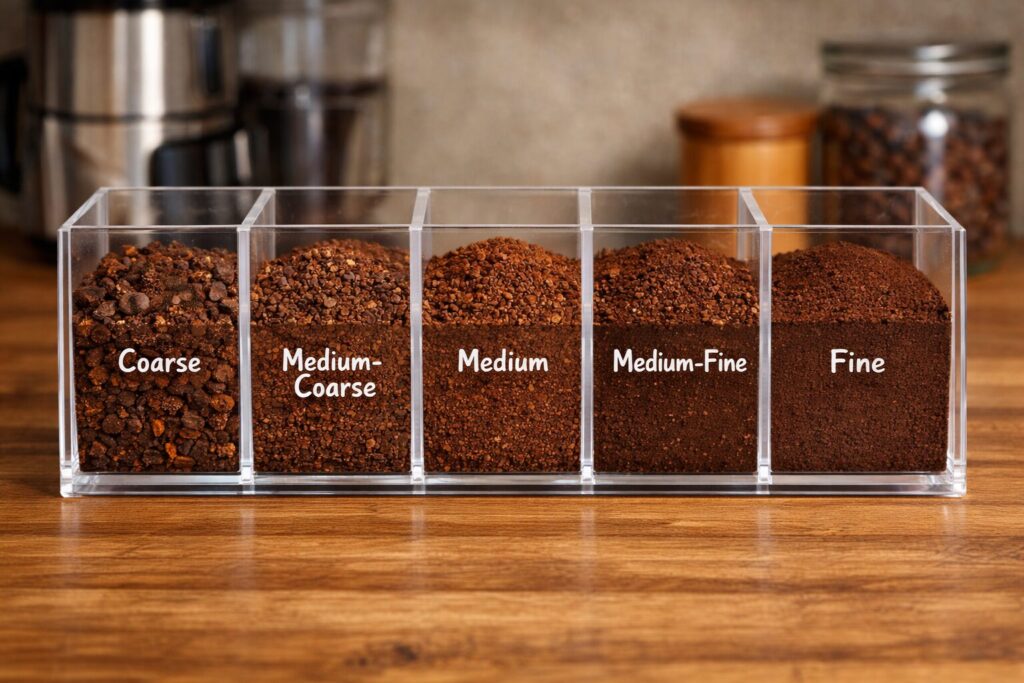
Grind size determines how quickly water moves through coffee grounds and how efficiently flavor compounds are extracted. The brew ratio, which is the relationship between the amount of coffee and water used, affects strength and balance. Water temperature influences how quickly the extraction process occurs, while brew time controls how long water remains in contact with the coffee grounds.
Another important factor is water quality. Because brewed coffee is mostly water, the mineral content and purity of the water used can influence extraction and flavor clarity. Using properly filtered water and maintaining the right brewing temperature can make a noticeable difference in taste.
In this section of CoffeeGearHub, you’ll find guides that explain the essential elements of coffee brewing, including grind size selection, brew ratios, water temperature, and dialing in coffee for different brewing methods. These brewing fundamentals form the foundation for making consistently great coffee at home and help you better understand how to adjust your brewing technique for improved flavor and balance.
Fundamentals
Last Updated: March 2026 • 40–50 min read • Cornerstone Guide: Brew Ratio Science + Dial-In System + Gear Picks The coffee brew ratio — the amount of coffee relative to water — is the single most controllable variable in brewing. Get it right and every cup is balanced, consistent, and repeatable. Get it wrong […]
Fundamentals
Last Updated: March 2026 • 35–55 min read • Cornerstone Brewing Science + Dial-In Framework ✍️ Editorial note: This guide is researched and written by the editors at CoffeeGearHub.com using published brewing science, equipment manufacturer specifications, and established specialty-coffee community knowledge. Recommendations reflect research consensus rather than in-house lab testing. All product links are affiliate
Fundamentals
Last Updated: March 2026 • 20–25 min read • Brewing Methods: Pour-Over, Drip, French Press & Espresso Most people assume bad home coffee is a machine problem. It almost never is. After working through hundreds of home brewing troubleshooting cases, the pattern is consistent: coffee tastes sour, bitter, or flat because of grind size, inconsistent
Fundamentals
Water quality affects coffee flavor by controlling extraction. Because coffee is about 98% water, the minerals in your water determine how much sweetness, acidity, and bitterness are pulled from coffee grounds during brewing. Water that is too soft often produces thin, sour coffee, while water that is too hard can mute flavor and create bitterness
Fundamentals
Last Updated: January 26, 2026 | 15 min read 📌 Key Takeaways: Starting to brew coffee at home can feel overwhelming. Between grinders, ratios, and endless gear recommendations, it’s easy to think great coffee requires professional expertise. The good news? It doesn’t have to be complicated—especially once you understand how to choose coffee beans that
Fundamentals
Coffee Grind Sizes: The Complete Guide to Every Brew Method (2026) Last Updated: February 25, 2026 • 20–25 min read • Pillar Guide: Grind Science + Brew Methods + Dial-In Workflow ✍️ Editorial note: This guide is researched and written by the editors at CoffeeGearHub.com using published brewing science, extraction principles, and established specialty-coffee community
Fundamentals
Grind size is the #1 lever you can control for better coffee at home. If your coffee tastes sour, bitter, weak, or muddy, grind size is often the fastest fix—sometimes faster than changing beans or buying a new brewer. That said, if your grind is dialed in and the cup still isn’t “you,” the next