Last Updated: February 25, 2026 • 18–24 min read
Correct coffee grind sizes depend on your brew method. Coarse grind is best for French press. Medium grind is ideal for most drip coffee makers. Medium-fine works for pour-over brewers like V60 and Kalita. Fine grind is required for espresso and moka pot. Extra-fine is used for Turkish coffee. If your coffee tastes sour, bitter, weak, or hollow, grind size is the first variable to adjust.
Key Takeaways (Read This First)
- Sour / sharp / salty → grind finer (increase extraction)
- Bitter / harsh / drying → grind coarser (reduce extraction)
- Weak but not sour → consider a tighter ratio (more coffee) after you confirm grind is reasonable
- Pour-over drawdown too fast → grind finer; stalls → grind coarser (or reduce fines)
- Espresso runs fast → grind finer; chokes → grind coarser
- Consistency matters: a burr grinder makes adjustments meaningful
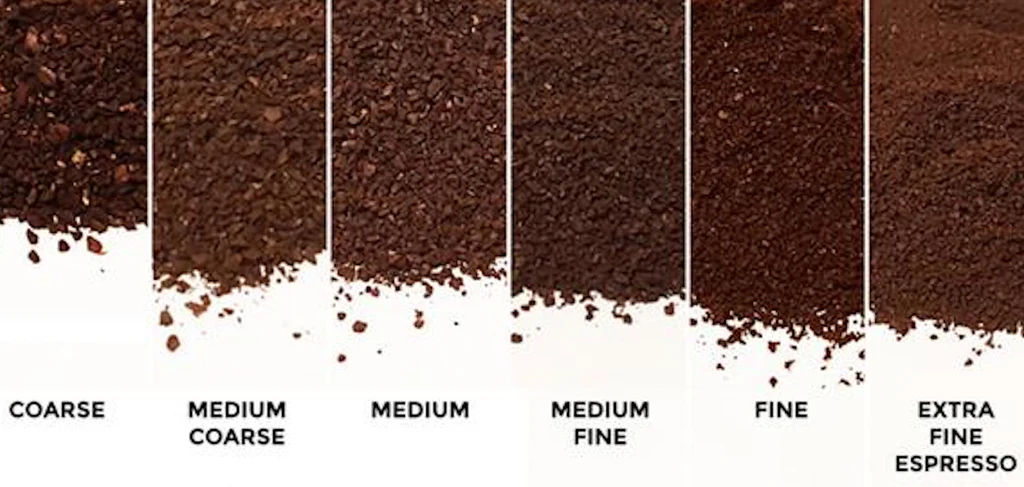
Coffee Grind Size Chart (Quick Reference)
Use this chart as your starting point. Then let taste + timing guide adjustments. If you’re only going to remember one rule, remember this: sour = finer, bitter = coarser.
| Grind Size | Texture | Best Brew Methods | Typical Brew Time | If Too Coarse | If Too Fine |
|---|---|---|---|---|---|
| Extra Coarse | Peppercorn-like | Cold Brew | 12–24 hours | Weak, watery concentrate | Harsh, woody concentrate |
| Coarse | Sea salt | French Press, Cupping | 4–6 minutes | Sour, thin, underdeveloped | Muddy, bitter, silty cup |
| Medium-Coarse | Rough sand | Chemex, Clever Dripper | 3:30–5:00 | Hollow, flat | Dry, papery finish |
| Medium | Sand | Drip coffee makers, flat-bottom pour-over | 4:30–6:30 | Bland, weak | Bitter, heavy body |
| Medium-Fine | Fine sand | V60, Kalita Wave, AeroPress | 2:30–3:30 | Sour, sharp | Astringent, slow drawdown |
| Fine | Table salt | Espresso, Moka Pot | 25–35 sec (espresso) | Fast, sour shots | Chokes, bitter shots |
| Extra-Fine | Powdered sugar | Turkish Coffee | 1–2 minutes | Watery, weak | Over-extracted sludge |
Pro tip: Grind size labels on grinders aren’t standardized. Two “medium” settings on different grinders can produce very different particle distributions. Use texture, brew time, and taste to confirm you’re in the right zone.
Why Grind Size Matters (Extraction Science Without the Confusion)
Grind size controls how quickly water can dissolve flavor compounds from coffee and how evenly it does so. It affects extraction through two big levers:
- Surface area: Finer grinds expose more surface to water, increasing extraction speed.
- Flow resistance: Finer grinds pack tighter, slowing water and increasing contact time.
That’s why grind size is so powerful: it changes both chemistry (how fast things dissolve) and physics (how water moves).
Under-extraction vs Over-extraction (What You Taste)
Extraction isn’t “good vs bad.” It’s about balance. Coffee extracts in stages: quick-to-dissolve acids and aromatics come early, while sweetness and deeper solubles come later. Push too far and you pull harsh bitter compounds and a drying finish.
| What You Taste | Likely Cause | Best First Fix |
|---|---|---|
| Sour, sharp, salty, thin | Under-extraction | Grind finer (or slightly longer brew time) |
| Bitter, harsh, drying, woody | Over-extraction | Grind coarser (or shorten contact time) |
| Hollow, flat, “empty” | Often under-extracted or too fast flow | Grind slightly finer; improve pouring consistency |
| Muddy, silty, heavy sediment | Too many fines; grind too fine for method | Grind coarser; improve grinder quality |
If you want a full “start-to-finish” dialing system across brew styles, use: How to Dial In Coffee at Home (Drip, Pour-Over, Espresso).
Why “Consistency” Beats “Perfect Setting”
A grind setting only matters if it produces a stable particle distribution. Uneven grind creates a mix of fines (dust) and boulders (big chunks). The fines over-extract (bitterness), while boulders under-extract (sourness) — the classic “both sour and bitter” cup.
This is also why grind size is “misunderstood”: many people change grind and don’t get predictable results because their grinder produces inconsistent particles.
The Dial-In Workflow (Do This and Stop Guessing)
When your coffee tastes off, the fastest way to fix it is to change one thing at a time in a repeatable order. Here’s the workflow used by serious home brewers (and café baristas) to dial in quickly.
Step 1: Lock Your Recipe (Dose + Ratio)
Choose a ratio and keep it consistent while dialing in:
- Pour-over / drip: 1:16 to 1:17 (e.g., 20g coffee to 320–340g water)
- French press: 1:14 to 1:16
- AeroPress: varies by recipe, but start around 1:12 to 1:15 for brewed strength
- Espresso: start at 1:2 (e.g., 18g in, 36g out)
- Cold brew concentrate: about 1:5 by weight (then dilute to taste)
If you change dose and grind at the same time, you’ll never know which adjustment helped.
Step 2: Track Time (Your “Speedometer”)
Time is the easiest way to verify grind is in the right neighborhood. Use time as a guide — not a prison — then confirm by taste.
- V60 / cone pour-over: ~2:45–3:15 total drawdown (for ~300–400g brews)
- Flat-bottom pour-over: ~3:00–3:45
- Drip machines: typically ~4:30–6:30
- French press: 4 minutes steep (then press + decant)
- Espresso: 25–30 seconds (starting point)
Step 3: Adjust Grind by Taste (The Only Rule You Need)
- Sour / sharp → grind finer
- Bitter / harsh → grind coarser
- Hollow / flat → grind slightly finer (or increase agitation a bit)
- Dry / astringent → grind coarser (or reduce agitation)
Make small changes. Brew again. Taste. Repeat. This feedback loop beats memorizing charts.
Step 4: Only Then Change Temperature or Ratio
Once grind is close, fine-tune with:
- Temperature: cooler can reduce harshness; hotter can improve extraction on light roasts
- Ratio: more coffee strengthens body; less coffee lightens it
- Agitation: more swirling/stirring increases extraction; too much can add bitterness
Need full troubleshooting logic? Start here: Pour-Over Troubleshooting (Fix Sour, Bitter, Weak Coffee) and Espresso Troubleshooting Guide.
Grind Size by Brew Method (Deep Guide)
Below are method-by-method targets, plus the why behind them — and exactly what to do when flavor goes sideways.
French Press (Coarse)
French press uses full immersion and a metal filter. Because grounds sit in water for minutes, you want a coarse grind to keep extraction controlled and reduce fines that slip through the mesh.
- Target texture: sea salt
- Baseline: 1:15 ratio, 4:00 steep, gentle stir at start
- If sour/thin: grind slightly finer or steep 30–60 seconds longer
- If bitter/muddy: grind coarser and decant immediately after pressing
Why “muddy” happens: Most bitterness complaints in French press are actually fine particles extracting too quickly. A better burr grinder and a coarser grind usually fixes it instantly.
Cold Brew (Extra Coarse)
Cold brew is long contact time (12–24 hours) at low temperature. Because extraction is slow, you use a very coarse grind to prevent pulling harsh woody compounds over time.
- Target texture: cracked peppercorn
- Starting ratio: 1:5 for concentrate (then dilute 1:1 to 1:2)
- Steep: 14–18 hours (room temp or fridge)
- If harsh/bitter: grind coarser or shorten steep
- If weak: steep longer or slightly tighten ratio
Cold brew guide coming soon (cluster support): Cold Brew Coffee Guide.
Drip Coffee Maker (Medium)
Most automatic drip machines are designed for medium grind and moderate flow through a paper filter. Too fine slows flow and can over-extract. Too coarse runs fast and tastes watery.
- Target texture: sand
- If weak: grind slightly finer (or use more coffee)
- If bitter: grind slightly coarser
- If inconsistent day-to-day: weigh dose and use fresh, filtered water
Best paired tool: a scale. It removes guesswork and keeps your dial-in stable.
Pour-Over (Medium to Medium-Fine)
Pour-over is grind-sensitive because water is moving through a bed that can channel if grind is too fine (or if pouring is uneven). Your goal is steady flow, even saturation, and a drawdown time that matches your brewer.
- Flat-bottom drippers (Kalita, many flat-bottom brewers): medium
- Cone drippers (V60): medium-fine
- Target drawdown (300–400g brews): ~2:45–3:45 depending on brewer
If your pour-over tastes sour: grind finer (or increase brew time slightly). If it tastes bitter and drying: grind coarser (and reduce aggressive agitation).
Complete gear + recipe walkthrough: Pour-Over Coffee Brewing Setup (Gear + Recipe)
Why Pour-Over Sometimes “Stalls”
Stalling usually comes from too many fines clogging the filter, or grinding too fine for your brewer. It can also come from aggressive swirling that packs the bed. If drawdown suddenly slows, the fix is usually: grind a bit coarser, reduce agitation, and ensure your grinder isn’t creating excessive fines.
AeroPress (Medium-Fine, Flexible)
AeroPress can behave like immersion, percolation, or a hybrid depending on recipe. That’s why it’s forgiving. Most standard recipes do well with medium-fine, but you can go finer with shorter contact times.
- Standard: medium-fine
- Inverted immersion style: medium to fine
- If pressing is too hard: grind coarser or reduce dose
- If cup is thin: grind slightly finer or steep longer
Espresso (Fine, Precise)
Espresso is where grind size matters most because pressure amplifies small differences. A tiny change in grind can shift your shot from fast and sour to slow and bitter.
- Starting point: 18g in → 36g out in 25–30 seconds
- Fast shot (under ~20s): grind finer
- Slow shot (over ~35s): grind coarser
- Channeling/spraying: improve puck prep; grind may be too fine or uneven
For a full fix list: Espresso Troubleshooting Guide
Moka Pot (Fine-ish, Not Espresso Fine)
Moka pot wants a grind finer than drip but typically a touch coarser than true espresso. Too fine can stall flow and taste harsh; too coarse tastes weak.
- Target texture: between table salt and fine sand
- If bitter: grind a bit coarser and keep heat lower
- If weak: grind a bit finer and ensure full fill of basket (no tamping)
Turkish Coffee (Extra-Fine)
Turkish coffee uses an ultra-fine grind so coffee can suspend in the brew. This is one of the only methods where “powder” is correct.
- Target texture: powdered sugar / flour
- If weak: grind finer and ensure proper heat control
- If harsh: lower heat and avoid boiling aggressively
Troubleshooting: Fix Bad Coffee Fast (Grind-First Logic)
Most “bad coffee” issues can be solved by grind adjustments — but the key is making the right adjustment. Use this quick diagnosis matrix.
| Problem | What It Usually Means | Fix (Do This Next) |
|---|---|---|
| Sour, sharp, lemony | Under-extracted | Grind finer (small step) |
| Bitter, burnt, drying | Over-extracted | Grind coarser (small step) |
| Weak/watery | Too fast flow or too little coffee | First grind finer; if still weak, tighten ratio |
| Hollow/flat | Often under-extracted or uneven saturation | Grind slightly finer; improve pouring consistency |
| Muddy/sludgy | Too fine or too many fines | Grind coarser; consider upgrading grinder |
| Both sour and bitter | Uneven extraction (fines + boulders; channeling) | Improve grinder or reduce channeling; grind slightly coarser |
| Pour-over stalls | Filter clogging from fines/agitation | Grind coarser; reduce swirling; ensure proper rinse |
| Espresso sprays/channeling | Puck prep + grind interaction | WDT + level tamp; slightly coarser if choking |
If you’re troubleshooting pour-over specifically, use the full guide: Pour-Over Troubleshooting (Fix Sour, Bitter, Weak Coffee).
Advanced Extraction Variables That Interact With Grind Size
Once you’re close, grind size becomes part of a system. These variables can change what grind you “should” use — even if your brew method stays the same.
Roast Level (Light vs Dark)
Light roasts are harder to extract, so they often benefit from a slightly finer grind (or higher temperature). Dark roasts extract easily and can turn bitter fast, so they often need a slightly coarser grind (or lower temperature). If your dark roast tastes harsh at a normal setting, try grinding a touch coarser before changing anything else.
Freshness & Degassing (Why New Beans Act “Weird”)
Fresh beans release CO₂. In pour-over, that gas can repel water early in the brew, increasing channeling and uneven extraction. If you struggle with “sharp” cups on very fresh beans, you may need a slightly finer grind and a longer bloom (or a gentler pouring approach). In espresso, very fresh beans can create excessive crema and unstable flow; you may need to adjust grind, dose, or rest time.
Humidity & Static (Why Your Grind Setting Changes Day-to-Day)
Humidity changes how grounds clump and how they flow through the grinder and into your brewer. In dry conditions, static can increase and grounds can distribute unevenly; in humid conditions, clumping can change bed resistance. If your espresso suddenly runs slower on a rainy week, it’s not in your head — the environment can alter flow enough to require a grind tweak.
Agitation (Pouring, Stirring, Swirling)
Agitation increases extraction by moving fresh water across coffee particles. But too much agitation can drive fines to the filter, clogging it and slowing drawdown (especially in pour-over). If your brew is bitter and drawdown is slow, you may not need a coarser grind — you may need less swirling.
Water Chemistry
Water is the majority of your cup, and mineral content changes how coffee extracts and tastes. If your coffee tastes consistently flat no matter the grind, your water may be too soft; if it tastes harsh, it may be too hard. Grind is still the first fix, but water can set the ceiling of flavor.
(Cluster support idea) Water guide: Best Water for Coffee (Minerals, Filtration, Recipes).
Blade Grinder vs Burr Grinder (Why Consistency Matters)
Blade grinders chop beans unevenly, producing a mix of dust and boulders. That creates under- and over-extraction in the same brew — which is why your coffee can taste both sour and bitter at once. Burr grinders produce a consistent particle size, so adjustments actually work.
Our picks and what to buy by budget: Best Burr Grinders for Home Coffee.
Recommended Gear to Dial In Grind Size (Quick Wins)
If you want more consistent results, these tools remove the biggest sources of variation: inconsistent grind, inconsistent dose, and inconsistent temperature.
1) Burr Grinder
Best for: every brew method
Why it matters: consistent particles = consistent extraction
2) Coffee Scale
Best for: pour-over, drip, espresso
Why it matters: stable dose + stable yield = repeatable dial-in
3) Gooseneck Kettle
Best for: pour-over
Why it matters: controlled flow reduces channeling and improves extraction
Burr Grinder Comparison Grid (Astra-Friendly)
These are popular, widely used grinders that cover most budgets. Choose based on the brew method you care about most (espresso requires finer adjustment and higher consistency).
| Grinder | Best For | Strength | Tradeoff | Link |
|---|---|---|---|---|
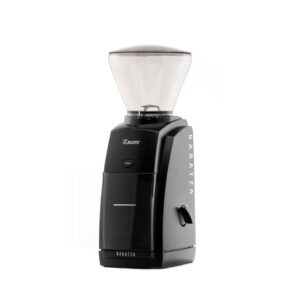
| Baratza Encore | Drip / Pour-over | Reliable entry-level consistency | Not ideal for true espresso | Check Price |
| OXO Brew Conical Burr | Drip / Daily use | Easy workflow, solid value | Less precise for espresso | Check Price |
| Breville Smart Grinder Pro | Espresso-capable | Wide range + dosing timer | More retention than premium grinders | Check Price |
| 1Zpresso Hand Grinder (espresso-capable models) | Travel / Precision | High consistency per dollar | Manual effort | Check Price |
Want our full breakdown (including grinder types, burr geometry, and what to buy for each brew style)? Read: Best Burr Grinders for Home Coffee.
How to Choose the Right Grind Size (Practical Rules That Work)
If you’re still unsure, use these three practical rules:
- Rule 1 — Match the filter: metal filters (French press) generally work better with coarser grinds; paper filters (pour-over) allow finer grinds but can clog if you go too far.
- Rule 2 — Match contact time: long contact time → coarser grind; short contact time → finer grind.
- Rule 3 — Let time confirm: if brew runs too fast, grind finer; if it runs too slow, grind coarser (then confirm by taste).
What “One Click Finer” Actually Means
On stepped grinders, “one click” can be a big change. On espresso grinders, one small step can be subtle. The goal is to make small, repeatable adjustments and keep notes. If your grinder’s steps are too large, you’ll feel stuck between “too sour” and “too bitter.” That’s a grinder limitation — not your technique.
FAQs
What is the best grind size for pour-over coffee?
Most pour-over brewers work best with a medium to medium-fine grind. Flat-bottom drippers tend to prefer medium, while cone brewers like V60 usually work better with medium-fine. Use drawdown time and taste to confirm.
What grind size is best for a drip coffee maker?
Most drip coffee makers are designed for a medium grind (sand-like texture). If coffee tastes weak, go slightly finer; if it tastes bitter, go slightly coarser.
What grind size should I use for French press?
French press works best with a coarse grind (sea salt). Too fine causes sludge and bitterness; too coarse can taste sour or thin.
Why does my pour-over stall and draw down too slowly?
Stalling usually means your grind is too fine or your grinder produces too many fines. Grind a bit coarser, reduce aggressive swirling, and ensure your filter is properly rinsed.
How fine should espresso be?
Espresso should be fine and consistent—roughly like table salt. If shots run under ~20 seconds, grind finer. If shots run over ~35 seconds or choke, grind coarser.
Does grind size affect caffeine?
Grind size affects extraction efficiency, not the bean’s caffeine content directly. Longer contact time and higher extraction can pull slightly more caffeine, but ratio and brew method matter more.
Can humidity change my grind setting?
Yes. Humidity and temperature can change how grounds clump and how water flows through the coffee bed. It’s normal to need small grind adjustments across seasons.
Why does my coffee taste both sour and bitter?
That usually signals uneven extraction—often caused by an inconsistent grinder creating fines and boulders, or channeling in pour-over/espresso. Improve grind consistency, reduce channeling, and try a slightly coarser grind.
Is pre-ground coffee okay to use?
You can use pre-ground coffee, but it stales quickly and removes your ability to adjust grind size for taste. Fresh grinding is the easiest upgrade for better coffee.
What grind size is best for cold brew?
Cold brew works best with an extra coarse grind (peppercorn-like). If it tastes harsh, grind coarser or steep less time; if it’s weak, steep longer or adjust ratio.
What grind size should I use for moka pot?
Moka pot typically works best with a grind slightly finer than drip but usually a touch coarser than true espresso. Too fine can stall and taste harsh; too coarse tastes weak.
Do different grinders produce different ‘medium’ grinds?
Yes. Grind labels are not standardized. Use texture, brew time, and taste to dial in rather than relying on printed grinder numbers.
Next Reads (Brewing Cluster)
How to Dial In Coffee at Home
Your full system for fixing bad coffee across drip, pour-over, and espresso.
Pour-Over Troubleshooting
Fix sour, bitter, weak cups using drawdown, grind, and pouring diagnostics.
Best Burr Grinders
The easiest upgrade for consistent extraction and predictable dial-ins.
Final Take: Master Grind Size, Master Flavor
Grind size is your fastest, most powerful lever for improving coffee. Once you can diagnose “sour vs bitter vs weak,” you stop guessing and start dialing in with confidence — across every brew method you use.