
Arabica vs Robusta Coffee: What’s the Difference?
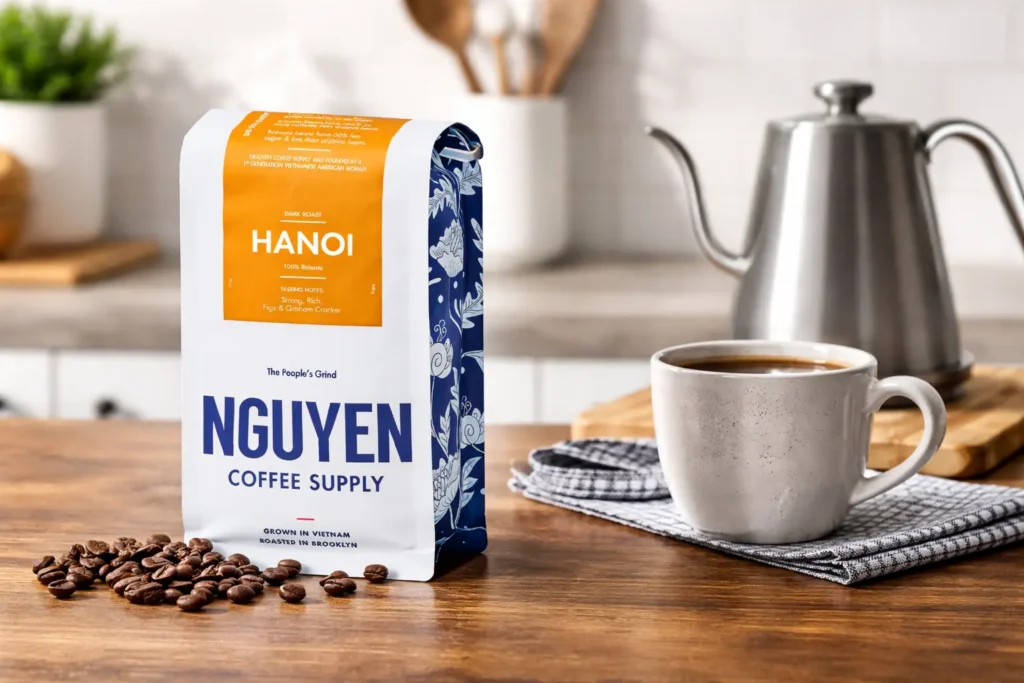
Editorial standards: this guide separates species-level differences from roast, freshness, processing, and extraction. Product examples illustrate flavor directions; they are not substitutes for checking roast date, origin, and current seller details.
At a glance
What changes most between Arabica and Robusta
Arabica generally leans sweeter and more aromatic, while Robusta usually carries more caffeine, heavier body, and more bitterness. Quality exists in both species, and brewing can exaggerate or hide those differences.
Editorial analysis
Species matters, but it is only one layer of the cup
“100% Arabica” is a species statement, not a quality certificate. Freshness, cultivar, processing, roast development, water, grind, and extraction can matter just as much to what you taste.
Robusta also deserves more nuance than the old “cheap and bitter” shorthand. Fine Robusta is evaluated as a quality category in its own right, and carefully produced canephora can be intentionally used for body, crema, intensity, and distinctive flavor.
The 30-Second Answer
Arabica is generally the sweeter, more aromatic species; Robusta usually brings more caffeine, heavier body, and more bitterness. Neither label guarantees quality. Roast, freshness, processing, and extraction still have a major effect on what reaches the cup.
Compare the difference in the cup
Start with these representative choices
These two choices make the contrast easy to taste: an Arabica-first blend for a smoother, sweeter profile and an Arabica/Robusta espresso blend for more body and crema.
Peet’s Major Dickason’s — Arabica-first reference
A useful representative choice for readers who want body and roast depth while staying on the Arabica side of the comparison.
Lavazza Super Crema — Arabica/Robusta reference
A practical comparison point for espresso drinkers who want to see what some Robusta can add to crema, body, and intensity.
Affiliate disclosure: Amazon links may earn CoffeeGearHub a commission at no additional cost to you.
Quick Comparison: Arabica vs Robusta
If you only read one section, make it this one. Here’s what changes most in the cup and why it matters for how you brew.
| Category | Arabica | Robusta |
|---|---|---|
| Typical taste | Sweeter, nuanced; fruit, floral, caramel, chocolate notes | Stronger, more bitter; earthy, nutty, cocoa, sometimes woody |
| Caffeine | Lower (~1.0–1.5%) | Higher (~2.0–2.7%) |
| Body | Medium; can feel silky with good roasting | Heavier and more punchy |
| Acidity (perceived) | Brighter and clearer | Lower, more blunt; bitterness can dominate |
| Crema potential | Cleaner, lighter crema | Often thicker crema (especially in blends) |
| Price | Usually more expensive | Usually cheaper (Fine Robusta can cost more) |
| Best for | Pour-over, drip, single-origin espresso | Espresso blends, Vietnamese-style coffee, high-caffeine |
Arabica Coffee Explained (Coffea arabica)
Arabica is the species most people associate with specialty coffee. It’s often grown at higher elevations where cooler temperatures slow cherry maturation. Slower maturation supports higher sugar development and more aromatic complexity — especially when farming and processing are done well.
Arabica Flavor Profile: What You’ll Actually Taste
Arabica can range from chocolatey and nutty to floral and fruit-forward, but it typically shows:
- Sweetness — caramel, honey, cocoa
- Aromatics — floral, fruit, tea-like notes
- Clarity — distinct flavors, cleaner finish
Why Arabica Usually Costs More
Arabica is typically more expensive because it’s more sensitive to heat and disease, often yields less, and is commonly harvested more selectively. Many specialty Arabicas are picked and sorted for ripeness, which increases labor and cost but improves cup quality.
When Arabica Disappoints (and It’s Not the Bean’s Fault)
- Stale beans: muted aromatics, papery notes, flat sweetness
- Too-dark roasting: smoky or ashy flavors mask origin character
- Extraction problems: sour (under-extracted) or bitter (over-extracted) dominates everything
Fix sour vs bitter fast: How to Dial In Coffee at Home.
Robusta Coffee Explained (Coffea canephora)
Robusta is tougher: it tolerates warmer climates, resists pests better, and produces higher yields. That makes it a major player in commercial coffee, instant coffee, and espresso blends where intensity and cost efficiency matter.
Robusta Flavor Profile (and Why It’s Often Misunderstood)
Robusta has a reputation for bitterness, but the truth is more nuanced. The species tends to have more caffeine and compounds that can read as harsh if roasted very dark or over-extracted. But well-produced Robusta — often called “Fine Robusta” — can be bold, chocolatey, and pleasantly intense.
- Body: heavier, thicker mouthfeel
- Flavor: earthy, nutty, cocoa; less fruit and floral clarity
- Bitterness: more likely if pushed too fine or too long
Why They Taste Different: Flavor Chemistry (in Plain English)
When you brew coffee, you extract acids, sugars, aromatics, and oils from roasted beans. Arabica and Robusta start with different chemical profiles, which changes what’s available to extract — and how forgiving the coffee is when you brew it.
Sugars: Sweetness Potential
Arabica typically contains more sugars. During roasting, sugars caramelize and contribute to sweet, dessert-like aromas. Less sugar means less natural sweetness in the cup — one reason Robusta can taste more blunt at equivalent roast levels.
Lipids (Oils): Aroma and Mouthfeel
Arabica generally contains more lipids, which carry aromatics and contribute to a smoother mouthfeel. Robusta can feel heavier in body, but Arabica often wins on aromatic complexity and sweetness.
Caffeine and Bitterness
Robusta has more caffeine, which contributes bitterness. That doesn’t mean it must taste bad — it simply means roast and extraction choices matter more with Robusta than with Arabica.
Species vs Roast vs Extraction: What Matters Most?
| Factor | How it changes taste | What to do |
|---|---|---|
| Species | Sets baseline sweetness, bitterness, and aromatics | Arabica for nuance; blend or Robusta for punch |
| Roast | Light = brighter; dark = more roasty and bitter | Match roast to brew method and preference |
| Extraction | Under = sour and weak; over = bitter and dry | Adjust grind, ratio, and time — see dial-in guide |
| Freshness | Stale = flat, muted aromas | Buy fresher; store airtight away from heat and light |
Caffeine: Which Has More (and What That Means)
Robusta usually contains nearly double the caffeine of Arabica. Higher caffeine can mean a stronger kick, but it can also mean a narrower extraction sweet spot — over-extraction amplifies bitterness much more noticeably in Robusta than in Arabica.
| Species | Typical caffeine (bean) | In the cup |
|---|---|---|
| Arabica | ~1.0–1.5% | Smoother; sweetness is easier to highlight |
| Robusta | ~2.0–2.7% | Stronger kick; bitterness more likely if over-extracted |
Best Brew Methods for Arabica vs Robusta (and Why)
Your brew method acts like a magnifying glass. Pour-over magnifies clarity and acidity. Espresso magnifies body, bitterness, and roast flavors. Cold brew magnifies chocolatey depth while muting acidity. The same bean can excel in one method and disappoint in another.
| Brew method | Arabica tends to | Robusta / blends tend to |
|---|---|---|
| Pour-over (V60/Kalita/Chemex) | High clarity; origin notes shine | Can be flatter or bitter unless high-quality Fine Robusta |
| Drip coffee | Balanced sweetness; smooth daily cup | Stronger and heavier; roasty notes show more |
| Espresso | Cleaner, sweeter shot; less bite | More crema and punch; great for milk drinks |
| Cold brew | Smooth, chocolatey; forgiving | Very strong concentrate; can go bitter if pushed too long |
| Vietnamese phin | Can taste light under condensed milk | Classic match: bold and intense |
Crema, Espresso Blends, and Why Robusta Shows Up in Serious Espresso
Crema is a foam created by emulsified oils and trapped CO₂ released during espresso extraction. It’s not a perfect quality marker, but it affects texture, aroma, and the espresso experience. Robusta is often used in blends specifically to increase crema thickness and add intensity.
| Blend style | Typical Arabica/Robusta | Best for | Flavor profile |
|---|---|---|---|
| Modern specialty | 100% Arabica | Straight espresso | Sweeter, cleaner, more origin character |
| Balanced café blend | 80/20 (or 90/10) | Daily espresso + milk drinks | Sweetness + extra body and crema |
| Traditional Italian-style | 70/30 (varies) | Milk drinks; punchy ristretto | Bold, chocolatey, more bitter bite |
| High-caffeine | Robusta-forward | Maximum kick | Heavy body; needs careful extraction |
Roast Level: How Light vs Medium vs Dark Interacts with Each Species
Roast level can make Arabica taste flat (roasted too dark) or make Robusta taste harsh (dark roast combined with over-extraction). Matching roast to brew method makes a bigger difference than most people expect.
| Roast | Arabica tends to | Robusta / blends tend to | Best match |
|---|---|---|---|
| Light | Fruit and floral; brighter acidity | Can taste sharp if low-grade | Pour-over; modern single-origin espresso |
| Medium | Balanced sweetness and clarity | More approachable; less harshness | Drip, espresso, cold brew |
| Dark | Roasty; origin character muted | Very bold; bitterness extracts easily | Milk drinks, moka pot |
Processing Methods: Washed vs Natural vs Honey
Processing changes sweetness, fruit intensity, and clarity. Two Arabicas can taste wildly different if one is washed and one is natural. The same principle applies to Robusta — processing method often has a larger impact on flavor than species alone.
| Process | Flavor impact | Best for |
|---|---|---|
| Washed | Cleaner, brighter, clearer flavors | Pour-over, drip |
| Natural | Fruit-forward; heavier sweetness | Adventurous cups; some espresso |
| Honey | Middle ground: sweet but clean | All-around crowd-pleaser |
Buying Guide: Choose the Right Beans in 60 Seconds
1) Pick Your Brew Method
- Pour-over or drip: Arabica, light–medium roast, washed or honey processed
- Espresso: medium roast; try a blend if you want more crema and body
- Cold brew: medium–dark roast; Arabica for smoothness; blends for more kick
- Vietnamese phin: Robusta-forward; medium-dark roast
2) Match Your Flavor Goal
| Goal | Look for | Best with |
|---|---|---|
| Sweet & smooth | Medium roast; chocolate or caramel notes | Arabica or balanced blend |
| Bright & fruity | Light–medium; citrus or berry notes | Single-origin Arabica |
| Bold & intense | Espresso blend; darker roast | Blend with some Robusta |
| Maximum caffeine | Robusta-forward or high-caffeine blend | 100% Robusta or Robusta-heavy blend |
3) Don’t Ignore Freshness
Fresh whole bean coffee is one of the highest-return upgrades you can make. Buy beans with a visible roast date on the bag — not a “best by” date — and aim to use them within 1–4 weeks of roast. Store airtight, away from heat, light, and moisture.
Representative Bean Picks: Arabica, Blend, and Robusta
These examples are here to make the species differences concrete. They are not a claim that one species is universally better; each represents a different flavor and brewing direction.
Peet’s Major Dickason’s — Bold Arabica Blend
Best fit: bold drip coffee or an Arabica-first espresso profile. Expect cocoa, roast depth, and a fuller cup rather than delicate floral notes.
Kicking Horse Smart Ass — Approachable Arabica
Best fit: daily drip and pour-over for readers who want sweetness and brightness without pushing into a very light specialty roast.
Lavazza Super Crema — Arabica/Robusta Espresso Blend
Best fit: espresso and milk drinks where the goal is more body, crema, and forgiving intensity than a light single-origin Arabica typically provides.
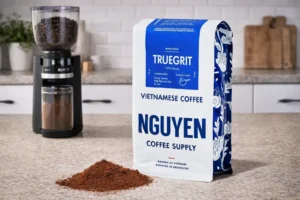
Nguyen True Grit — 100% Robusta
Best fit: strong coffee, Vietnamese-style brewing, and readers who want to taste quality Robusta on its own terms rather than only as a blend component.
Affiliate disclosure: Amazon links may earn CoffeeGearHub a commission at no additional cost to you. Prices, sellers, and availability can change.
Troubleshooting: Fix Flavor Problems People Blame on Arabica vs Robusta
Most “Arabica vs Robusta” complaints are actually brew problems. Use this quick diagnostic before switching beans — the species is rarely the actual cause.
| What you taste | Likely cause | Fix (try this first) |
|---|---|---|
| Sour / sharp / thin | Under-extraction | Grind finer; increase contact time slightly |
| Bitter / dry / harsh | Over-extraction or very dark roast | Grind coarser; shorten brew time; reduce dose |
| Flat / dull | Stale beans or weak ratio | Buy fresher beans; store airtight; strengthen the ratio |
| “Robusta is unbearable” | Dark roast combined with aggressive extraction | Try a medium roast blend; pull shorter; coarsen grind |
| Both sour AND bitter | Inconsistent particle size (blade grinder) | Upgrade to a burr grinder — this is the only fix for bimodal extraction |
🔬 The grinder rule applies here too: If your coffee tastes simultaneously sour and bitter — no matter which species — the problem is almost always a blade grinder producing wildly inconsistent particle sizes. A burr grinder upgrade solves this immediately. See the Best Manual Coffee Grinders guide for starting points at every budget.
FAQs: Arabica vs Robusta
Is Arabica coffee better than Robusta?
Not necessarily. Arabica is usually sweeter and more complex, making it popular for specialty coffee and pour-over brewing. Robusta contains more caffeine and produces stronger, bolder flavors. The better choice depends on your taste preference and brew method — neither species is universally superior.
Why does Robusta have more caffeine than Arabica?
Robusta naturally contains nearly double the caffeine of Arabica. Caffeine acts as a natural insect repellent for the coffee plant, which helps Robusta thrive in harsher, lower-altitude growing conditions where Arabica would struggle.
Which coffee is better for espresso: Arabica or Robusta?
Many specialty espresso blends use mostly Arabica for sweetness and clarity. However, traditional Italian-style espresso often includes 10–30% Robusta to increase crema thickness, body, and intensity. The best approach depends on whether you prefer a cleaner, sweeter shot or a bolder, more classic espresso experience.
Does 100% Arabica mean higher quality?
No. ‘100% Arabica’ only refers to the species, not quality. Roast level, freshness, processing method, and origin have a much bigger impact on flavor than species alone. A poorly roasted or stale Arabica will taste worse than a well-processed, freshly roasted Robusta.
Which coffee is stronger in taste?
Robusta typically tastes stronger and more bitter due to higher caffeine and chlorogenic acid levels. Arabica tends to taste smoother and more nuanced, with greater sweetness and aromatic complexity.
Is Robusta used in instant coffee?
Yes. Robusta is commonly used in instant coffee because it is less expensive to grow and produces higher yields. It also retains bold flavor characteristics after the industrial processing and spray-drying that instant coffee requires.
Is Arabica less acidic than Robusta?
Arabica often has brighter perceived acidity — the kind that reads as citrus or fruit-like notes in the cup. Robusta usually has lower measured acidity but higher bitterness from caffeine and chlorogenic acids, which can make it feel harsher rather than bright.
Which coffee is better for cold brew?
Medium to dark roast Arabica is typically the smoothest choice for cold brew, producing a chocolatey concentrate with minimal bitterness. Robusta or Arabica-Robusta blends can create a stronger, higher-caffeine concentrate but require careful attention to steep time to avoid harshness.
What is Fine Robusta and how is it different from commodity Robusta?
Fine Robusta refers to specialty-grade Robusta coffee that is carefully farmed, selectively harvested, and processed with the same attention as specialty Arabica. It can be bold and chocolatey without the harshness associated with commodity Robusta. Fine Robusta is increasingly recognized by specialty coffee organizations as a distinct quality tier worth evaluating on its own merits.
Why does my coffee taste bitter and is it because of Robusta?
Bitterness is most often caused by over-extraction — grinding too fine, brewing too long, or using too-hot water — rather than the species itself. Before assuming Robusta is the problem, try grinding coarser, shortening brew time, and reducing water temperature. A well-extracted Robusta blend tastes bold and rich, not harshly bitter.
CoffeeGearHub product shortlist
Compare beans and brewing fit
Use these CoffeeGearHub guides to narrow the coffee style before choosing a bag or merchant.