
Best Coffee Beans for Espresso (2026): Roast Levels, Top Picks, and Dial-In Starting Points
Editorial standards: this guide compares roaster descriptions, published tasting notes, and owner and reviewer reports, and uses established espresso extraction principles. Recipes and grind settings are starting points that vary with machine, grinder, and roast date. CoffeeGearHub does not claim hands-on testing where it has not occurred.
At a glance
Freshness and roast fit matter more than the word espresso on the bag
What makes a coffee work as espresso, a roast-level reference, five recommended coffees, light versus medium versus dark, blends versus single origins, processing, freshness, Arabica and Robusta, a dial-in routine, milk drinks versus straight shots, troubleshooting, and where to buy.
Editorial analysis
Choose the roast your machine and grinder can handle
There is no such thing as a bean that is biologically suited to espresso. The label signals a roast intended for high pressure, a fine grind, and a short contact time. What matters is roast level, freshness, processing, and whether the coffee is a blend or single origin.
Entry-level machines and grinders do best with medium to medium-dark blends, which extract easily and forgive small errors. Light roasts can produce brilliant shots but need a capable grinder, higher brew temperature, and patience.
The 30-Second Answer
For most home espresso setups, start with a forgiving medium or medium-dark blend such as Lavazza Super Crema or Intelligentsia Black Cat Classic Espresso. Choose Stumptown Hair Bender when you are ready for a brighter, more complex specialty blend, illy Classico for traditional Italian-style shots, and Kicking Horse Cliff Hanger as a budget organic option.
Whichever you buy, look for a roast date and use the coffee roughly one to four weeks after roasting.
Compare current options
Start with these representative choices
Three starting points: an everyday blend, a specialty blend, and a forgiving roast-dated blend for beginners.
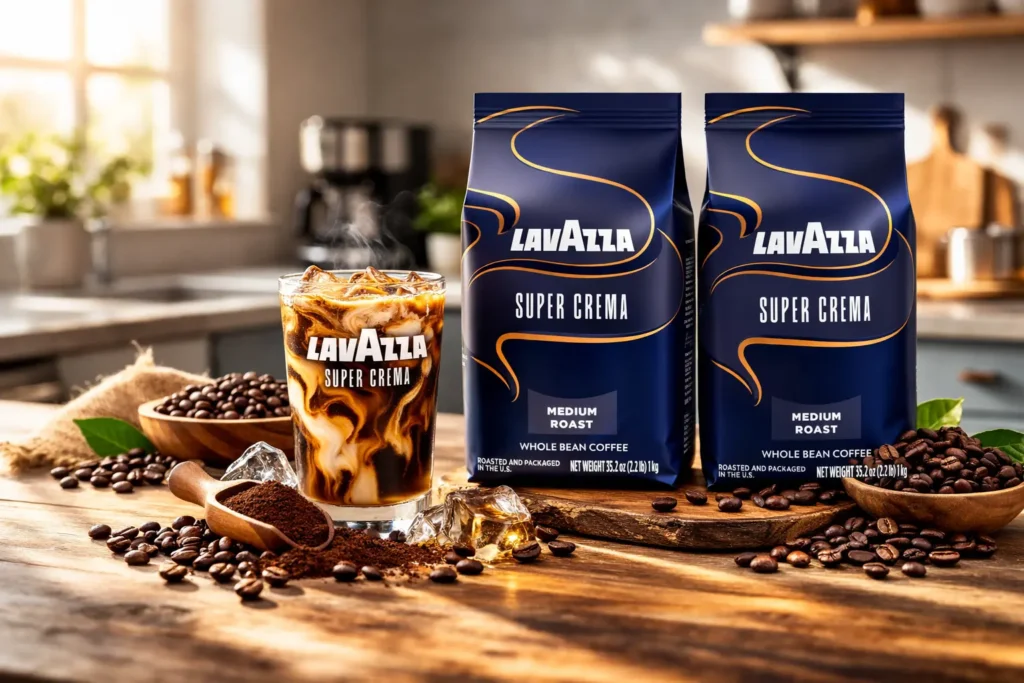
Lavazza Super Crema — Everyday
A widely available Arabica and Robusta blend with full body and good crema for milk drinks.
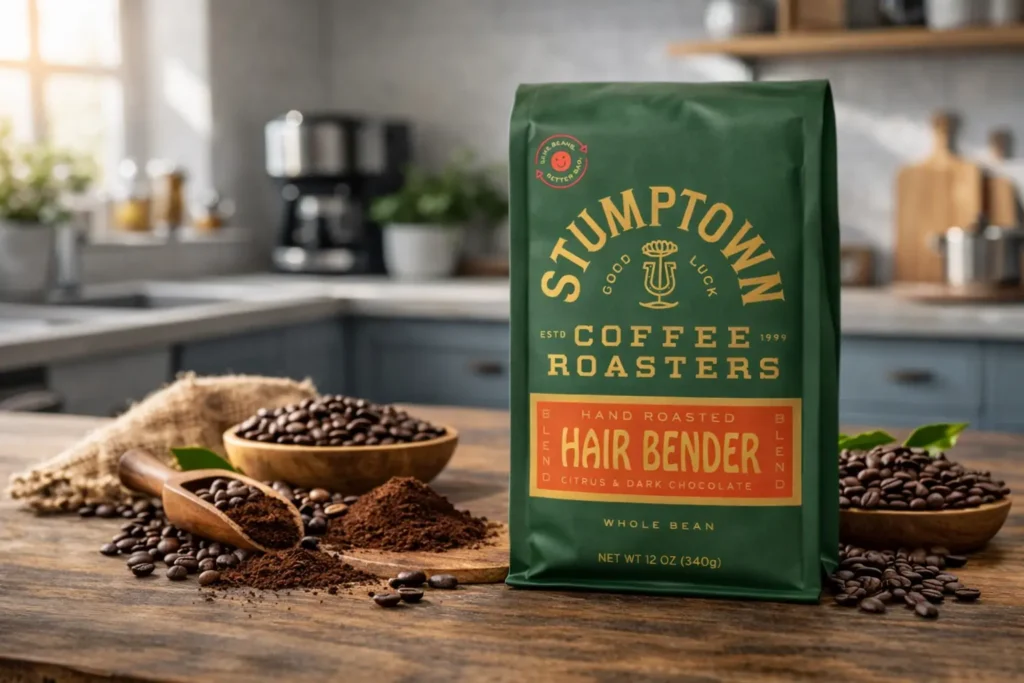
Stumptown Hair Bender — Specialty
A complex specialty espresso blend with citrus, chocolate, and caramel that rewards careful dial-in.
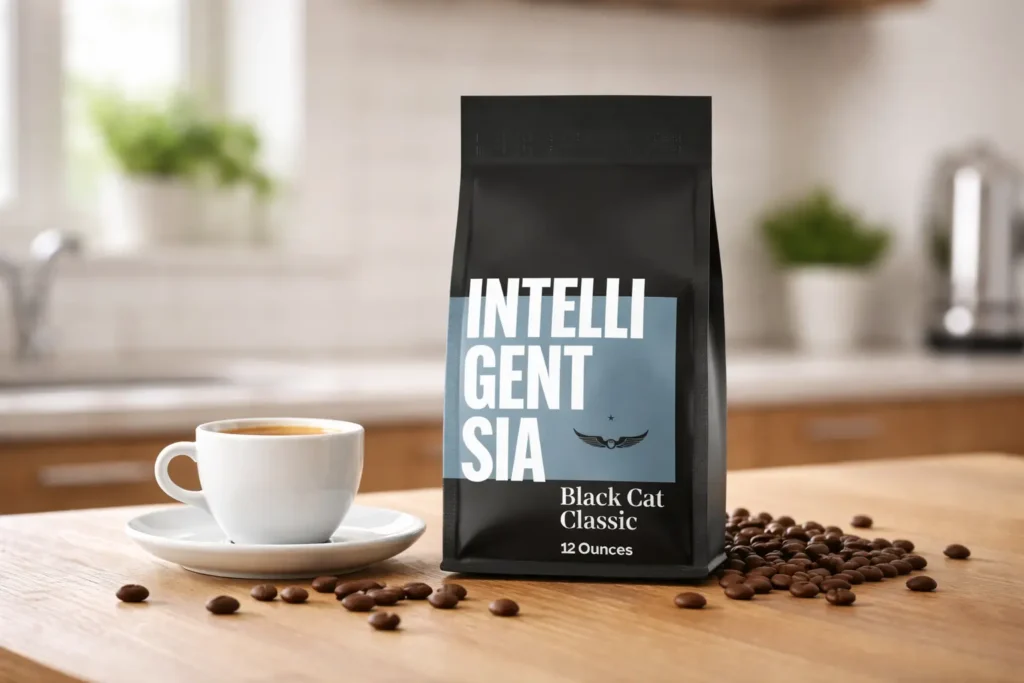
Black Cat Classic — Beginners
A sweet, chocolate-forward blend designed to perform across a wide range of machines.
Affiliate disclosure: Amazon links may earn CoffeeGearHub a commission at no additional cost to you. Prices and availability can change.
What Makes a Good Espresso Bean?
Espresso uses hot water at high pressure, a very fine grind, and a short contact time, so it magnifies everything about a coffee. Roast level decides how easily the coffee extracts: darker roasts are more soluble and extract quickly, while lighter roasts are denser and need finer grinding, higher temperature, or longer shots. Freshness decides aroma and crema, and processing method shapes sweetness, body, and acidity.
The biggest mistake is buying a supermarket bag labeled espresso roast with no roast date. Many are roasted very dark and sit for months, producing flat, bitter shots that no grind adjustment can fix. Look instead for a visible roast date, a roast level that suits your machine, and a flavor profile that matches how you drink espresso, straight or with milk.
Espresso Roast Level Reference
Roast level is the single most useful filter when choosing espresso beans, especially on entry-level machines with fixed brew temperature. Use the table as a starting reference; your machine, grinder, and coffee will shift the exact numbers, and temperatures only apply if your machine lets you set them.
| Roast level | Brew temperature | Shot time at 1:2 | Typical flavor |
|---|---|---|---|
| Light | 93–96°C | 28–35 s | Fruit, floral, bright acidity |
| Medium-light | 91–94°C | 26–32 s | Stone fruit, milk chocolate |
| Medium | 90–93°C | 25–30 s | Caramel, nuts, round body |
| Medium-dark | 88–92°C | 24–28 s | Dark chocolate, brown sugar |
| Dark | 88–91°C | 22–26 s | Roasted nuts, bittersweet, smoky |
Lavazza Super Crema: Best Everyday Espresso Blend
Lavazza Super Crema is one of the most widely recommended beginner espresso coffees because it works in almost any machine, dials in quickly, and produces full body and generous crema. It blends Arabica with a share of Robusta, which adds body and crema stability, and its flavor leans toward hazelnut, brown sugar, and dried fruit.
It suits milk drinks such as cappuccinos and flat whites as well as everyday doubles. A good starting recipe is 18 grams in, about 36 grams out, in 25 to 28 seconds. Because it is sold through many retailers, freshness varies, so check for a roast or production date and buy from sellers with quick turnover.
Stumptown Hair Bender: Best Specialty Espresso Blend
Stumptown Hair Bender is a benchmark specialty espresso blend in the United States. It typically combines coffees from Latin America, East Africa, and Indonesia to build a layered cup: citrus brightness up front, chocolate and caramel in the middle, and a clean finish. Stumptown prints roast dates on its bags.
It rewards technique: a capable grinder, an accurate dose, and stable temperature around 92 to 93°C bring out its complexity, while a rushed shot can taste sharp. Start around 18 grams in and 36 grams out in 27 to 32 seconds. It suits home baristas who are comfortable adjusting grind and yield and who enjoy straight espresso and flat whites.
Intelligentsia Black Cat Classic: Best for Beginners
Intelligentsia Black Cat Classic Espresso is designed for consistency across a wide range of machines and skill levels. It is a sweet, chocolate-forward medium roast with low acidity, so it tolerates small errors in grind and temperature better than brighter coffees. Intelligentsia roast-dates every bag.
That forgiving profile makes it a strong first specialty espresso while you learn to dial in, and it tastes good both straight and with milk. Start around 18 grams in and 36 grams out in 25 to 30 seconds, and use it roughly one to three weeks off roast for the most stable shots.
illy Classico: Best for Traditional Italian-Style Espresso
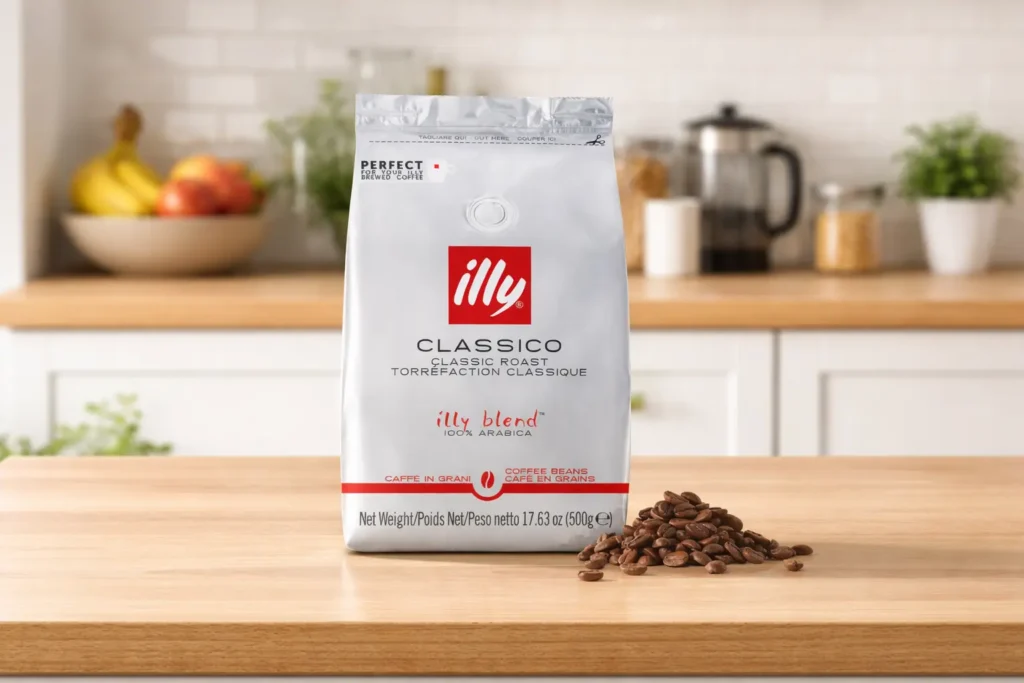
illy Classico is a 100 percent Arabica blend built around the Italian espresso tradition: smooth, low in acidity, with chocolate, caramel, and a rich aroma. illy describes it as a medium roast, though it sits darker than most specialty mediums, and its pressurized tins help preserve freshness better than ordinary bags.
It suits drinkers who prefer classic, rounded shots and milk drinks without bright acidity. Start around 18 grams in and 36 grams out in 24 to 27 seconds with slightly lower brew temperature if your machine allows it. Once opened, use the tin within a couple of weeks and store it sealed.
Kicking Horse Cliff Hanger Espresso: Best Budget Option
Kicking Horse Cliff Hanger Espresso is a Fairtrade, organic whole-bean espresso that offers good value. Its medium roast leans toward cocoa, molasses, and dark fruit with a smooth finish, and it has enough body for milk drinks while staying approachable for beginners.
It will not match the complexity of a specialty blend like Hair Bender, but it is a dependable daily coffee for a budget setup. It is widely available in grocery stores as well as online, so check the roast date when buying. Start around 18 grams in and 36 grams out in about 25 seconds.
Espresso Beans Compared
| Coffee | Roast | Flavor | Best for |
|---|---|---|---|
| Lavazza Super Crema | Medium, Arabica and Robusta | Hazelnut, brown sugar | Milk drinks, everyday shots |
| Stumptown Hair Bender | Medium-light blend | Citrus, chocolate, caramel | Experienced home baristas |
| Intelligentsia Black Cat | Medium | Milk chocolate, brown sugar | Beginners, any machine |
| illy Classico | Medium, darker style | Chocolate, caramel, low acidity | Traditional Italian shots |
| Kicking Horse Cliff Hanger | Medium, organic | Cocoa, molasses | Budget daily espresso |
Light, Medium, and Dark Roast Espresso
Light roast espresso can be extraordinary, with fruit, florals, and tea-like clarity, but light roasts are dense and less soluble. They need a fine, consistent grind, higher brew temperature, and often longer shots or ratios around 1:2.5. On machines without temperature control or with entry-level grinders, they often taste sour and thin, so they are best saved for later.
Medium roasts are the universal sweet spot, balancing sweetness, body, and acidity and working in nearly every machine. Medium-dark and dark roasts extract easily and give chocolatey, bittersweet shots that cut through milk, but they can turn bitter or ashy if the water is too hot or the shot runs long, so lower the temperature slightly and keep shots shorter. Our roast levels guide explains the differences in more depth.
Single Origin vs Blends for Espresso
Blends are designed for espresso consistency. Roasters combine coffees so that one component brings body and sweetness while another adds brightness or aroma, producing a balanced shot that stays similar from bag to bag. That makes blends the better starting point for beginners and for milk drinks.
Single-origin espresso shows one farm or region’s character, which can be thrilling as a straight shot: berry-like Ethiopian naturals, juicy Kenyan coffees, or chocolatey Brazilians. Single origins usually have a narrower sweet spot and change more between harvests, so explore them once your dial-in routine is reliable.
Processing: Washed, Natural, and Honey
Washed coffees have the fruit removed before drying, producing clean, bright, transparent espresso with crisp acidity. Natural coffees dry inside the whole fruit, which adds fruity sweetness and heavier body, flavors that come through well in milk drinks but can taste wild in some straight shots. Honey-processed coffees sit between them, with some fruit left on during drying for sweetness and body without the intensity of a natural.
If your espresso tastes too sharp, try a natural or honey-processed coffee or a blend that includes one. If it tastes muddled or overly fruity, a washed coffee will give a cleaner shot. Roasters usually list the process on the bag, which makes it an easy variable to use when choosing.
Freshness and Roast Date
Freshly roasted coffee releases carbon dioxide for days after roasting, and that gas affects espresso directly. Coffee used too soon after roasting can produce erratic, gassy shots, while coffee that is too old loses aroma and crema and tastes flat. For most espresso, the sweet spot is roughly one to four weeks after the roast date, with darker roasts peaking a little earlier.
Buy bags with a roast date, not just a best-before date, and buy amounts you will finish within a few weeks. Store beans sealed, away from light, heat, and moisture, and grind right before brewing. Our bean storage guide covers storage in detail.
Arabica vs Robusta for Espresso
Arabica dominates specialty espresso because of its sweetness, aromatic complexity, and balanced acidity. Robusta has more caffeine, more body, and more bitterness, and it produces thick, persistent crema. Many traditional Italian blends include a share of Robusta for exactly those reasons, and it can make milk drinks taste stronger and richer.
The quality of the Robusta matters: well-grown, carefully processed Robusta can add pleasant chocolate and nut notes, while low-grade Robusta tastes rubbery. If you prefer bright straight shots, stick with 100 percent Arabica; if you want punchy, crema-heavy milk drinks, a blend with some Robusta is worth trying. Our Arabica vs Robusta guide compares them further.
How to Dial In Any New Espresso Bean
Start with a baseline: 18 grams of coffee in, about 36 grams of espresso out, in 25 to 30 seconds, with brew temperature around 91°C for medium roasts, 93°C for light, and 89°C for dark if your machine allows it. Weigh the dose and the yield, time the shot, and taste. Change only one variable before the next shot so you know what caused the difference.
If the shot runs fast, under about 20 seconds, grind finer; if it runs slow, over about 40 seconds, grind coarser. If the time is right but the shot tastes sour, raise temperature a degree or two; if it tastes bitter, lower it. If the shot is balanced but weak, increase the dose slightly; if it is balanced but too intense, increase the yield. Our espresso dial-in guide walks through the process.
Best Beans for Milk Drinks vs Straight Espresso
Milk softens acidity and mutes delicate flavors, so milk drinks favor coffees with body, chocolate, and caramel: medium to medium-dark blends such as Lavazza Super Crema, Black Cat Classic, or illy Classico. A small amount of Robusta or a natural-processed component helps the coffee cut through milk.
Straight espresso shows everything, so it rewards sweeter, more complex coffees with balanced acidity, such as Hair Bender or a carefully roasted single origin. If you drink both, choose a medium roast blend that tastes good on its own and still has enough body for a cappuccino.
Troubleshooting Espresso by Taste
Sour, thin, or salty shots point to under-extraction: grind finer, raise temperature slightly, or extend the shot. Bitter, dry, or ashy shots point to over-extraction or a roast that is too dark for your settings: grind coarser, lower temperature, or shorten the shot. Shots that are both sour and bitter often indicate channeling, so improve distribution and tamping before changing grind.
Little or no crema usually means stale beans. Erratic shot times with very fresh coffee suggest the beans need a few more days to rest. If nothing improves the shot, try a fresher, more forgiving medium roast to separate a bean problem from a technique problem. Our espresso troubleshooting guide covers more symptoms.
Where to Buy Espresso Beans
Buying directly from a roaster usually gives the freshest coffee, with clear roast dates and often subscription options. Online retailers, including Amazon, offer convenience and wide selection, including several picks in this guide, but freshness varies by seller, so check dates and reviews. Supermarkets are the most convenient but often stock coffee that has sat for weeks or months.
Whichever route you use, prioritize roast dates, buy in quantities you will finish within a few weeks, and keep notes on coffees you like. That record makes it easy to reorder a favorite or find similar coffees later.
Grinder and Machine Considerations
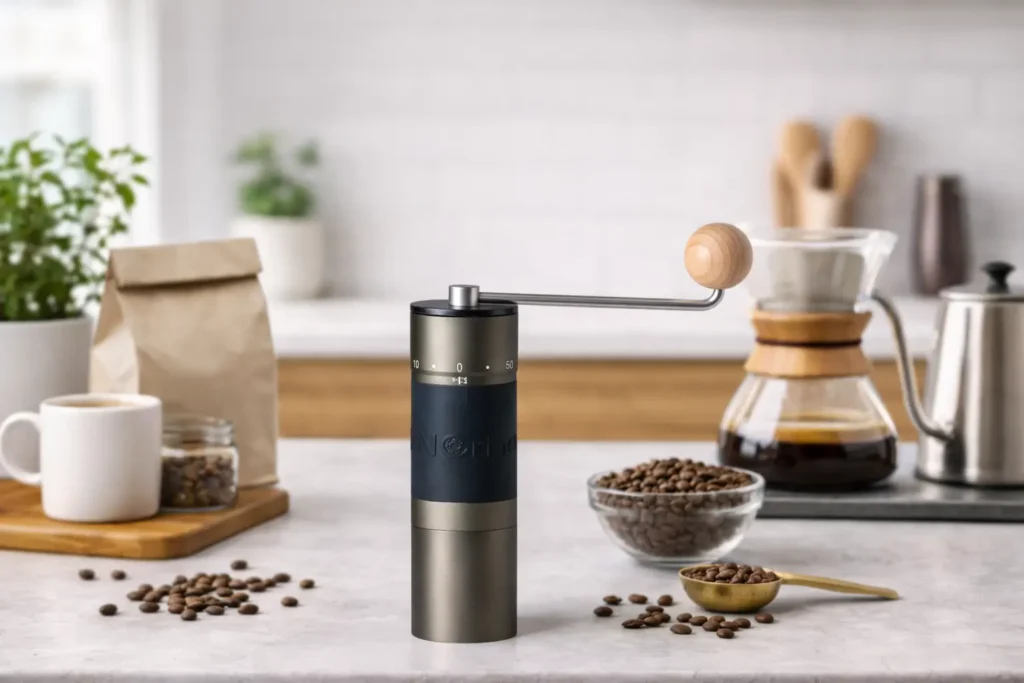
Bean choice and grinder are linked. A grinder that cannot grind fine and consistently enough will struggle with light roasts, so beginners do best pairing an entry-level setup with medium to medium-dark coffees. The KINGrinder K6 can reach espresso fineness with fine click adjustment, though hand-grinding an espresso dose takes a couple of minutes; a dedicated electric espresso grinder offers more speed and shot-to-shot consistency.
An all-in-one machine such as the Breville Barista Express combines a grinder and espresso machine, which simplifies setup for beginners and handles medium to dark blends well. Our espresso grind size guide explains how grind and bean choice interact.
Start With a Forgiving Blend
Lavazza Super Crema is the everyday pick; Black Cat Classic is the beginner specialty pick.
As an Amazon Associate, CoffeeGearHub earns from qualifying purchases.
Editorial bottom line: Start with a fresh, roast-dated medium or medium-dark blend such as Lavazza Super Crema or Intelligentsia Black Cat Classic, move to Stumptown Hair Bender when your dial-in is consistent, and choose illy Classico for traditional shots. Freshness and roast fit matter more than any espresso label.
Frequently Asked Questions
What are the best coffee beans for espresso?
For most home setups, a fresh medium or medium-dark blend such as Lavazza Super Crema or Intelligentsia Black Cat Classic Espresso. Stumptown Hair Bender suits more experienced home baristas, and illy Classico suits traditional Italian-style espresso.
Do you need special espresso beans?
No. Any coffee can be brewed as espresso. Beans sold for espresso are usually roasted to extract well under pressure, but freshness and roast level matter far more than the label.
What roast level is best for espresso?
Medium to medium-dark roasts are the easiest and work in nearly every machine. Light roasts can taste excellent but need a capable grinder, higher brew temperature, and more careful dial-in.
How fresh should espresso beans be?
Most espresso tastes best roughly one to four weeks after the roast date. Very fresh coffee can be gassy and unstable, while coffee more than a month or two past roast loses aroma and crema.
Why does my espresso taste sour?
Usually under-extraction: the shot ran too fast or the water was too cool. Grind finer first, then raise temperature slightly if your machine allows it. Very light roasts also taste sour when under-extracted.
Should I use Arabica or Robusta for espresso?
Most specialty espresso is 100 percent Arabica for sweetness and complexity. A small share of Robusta, as in many Italian blends, adds body, crema, and caffeine, which some people prefer in milk drinks.
Sources and Further Reading
Coffee descriptions come from Lavazza, Stumptown, Intelligentsia, illy, and Kicking Horse published product information. Grinder settings reference KINGrinder’s published grind chart. Espresso extraction, brew ratio, and freshness concepts follow the Specialty Coffee Association’s brewing standards. CoffeeGearHub did not taste-test these coffees in-house; recommendations draw on published information and owner and reviewer reports.
CoffeeGearHub product shortlist
Continue with related products on CoffeeGearHub
Review product categories and current verified merchant offers on CoffeeGearHub before leaving the site.
Continue Learning
In this guide
- The 30-Second Answer
- What Makes a Good Espresso Bean
- Roast Level Reference
- Lavazza Super Crema
- Stumptown Hair Bender
- Black Cat Classic
- illy Classico
- Kicking Horse Cliff Hanger
- Picks Compared
- Light, Medium, Dark
- Blend vs Single Origin
- Processing
- Freshness
- Arabica vs Robusta
- Dialing In
- Milk Drinks vs Straight
- Troubleshooting
- Where to Buy
- Grinder and Machine
- FAQ
- Sources
- Continue Learning