
Last Updated: September 2026 • 18–24 minute read • Office Coffee Setup Guide: Brewer + Water + Coffee + Supplies + Maintenance + Recurring Costs
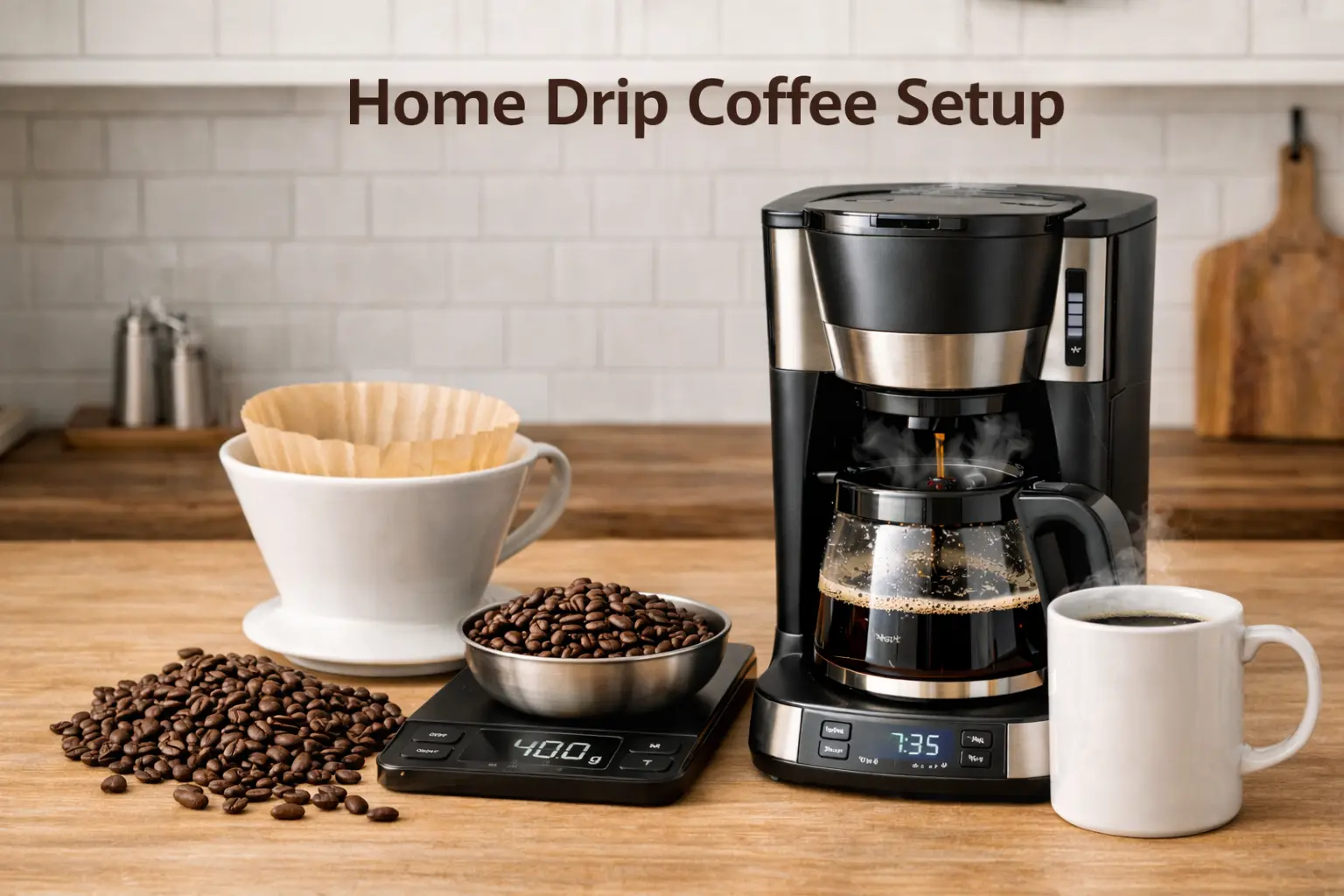
An office coffee station setup works best when it is designed as a small operating system rather than a pile of coffee products on a counter. The brewer matters, but so do the water source, coffee supply, filters or pods, storage, cups, cleaning routine, and the person or process responsible for restocking everything.
The right setup for a five-person office is different from the right setup for a twenty-person break room. A single-serve station may reduce waste and accommodate different tastes, while a shared drip brewer can lower cost per cup. Whole-bean coffee can improve freshness, but it adds a grinder, more cleanup, and another step that someone has to manage.
✍️ Editorial note: This guide focuses on practical office workflow, recurring costs, and product compatibility. Product examples are based on manufacturer information, current product documentation, and CoffeeGearHub’s existing equipment research. We do not claim hands-on testing where it has not occurred. Product links may be affiliate links; as an Amazon Associate, CoffeeGearHub earns from qualifying purchases at no extra cost to you.
How We Evaluated an Office Coffee Station
- Workflow: how many people use the station and whether demand arrives all at once or throughout the day.
- Recurring cost: coffee, pods, filters, cups, water filters, creamers, and cleaning products.
- Maintenance burden: how much cleaning and restocking the setup requires to stay usable.
- Flexibility: whether the office needs single serve, a shared carafe, whole-bean coffee, decaf, tea, or mixed beverage options.
The 30-Second Answer
A practical office coffee station needs seven things: a brewer, reliable water, coffee, the correct filters or pods, cups, organized storage, and a maintenance plan. Everything else is optional. Start with the brewing workflow, then add only the accessories that reduce friction or recurring waste.
- Single-serve office: brewer + K-Cups + water filtration + cups + descaler + pod storage.
- Shared-pot office: drip brewer + ground or whole-bean coffee + filters + thermal carafe + storage + cleaning supplies.
- Whole-bean office: add a burr grinder and simple dosing routine.
- Best procurement strategy: separate one-time equipment from repeat purchases so recurring coffee, filters, and cleaning supplies can be reordered consistently.
☕ Useful office-station products to compare

Green Mountain Breakfast Blend
Crowd-friendly K-Cup option
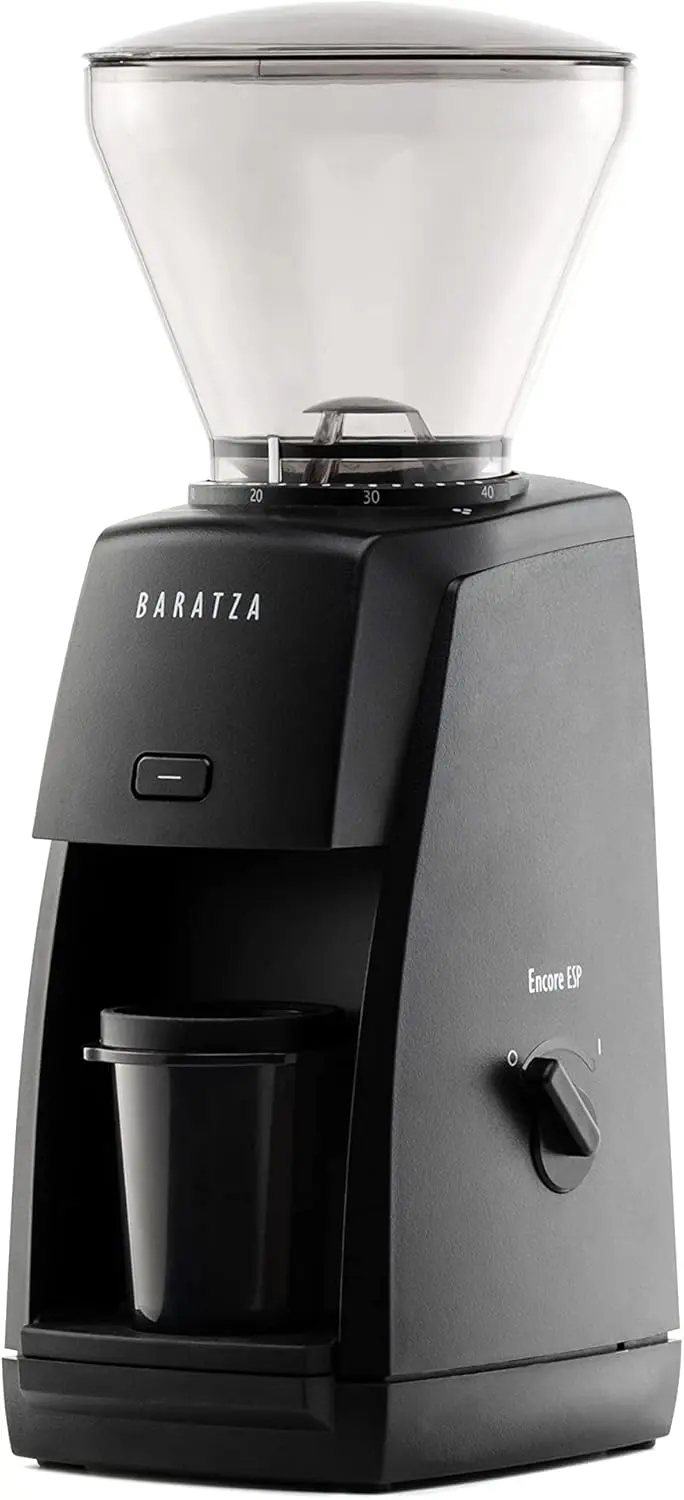
Baratza Encore
Whole-bean office grinder
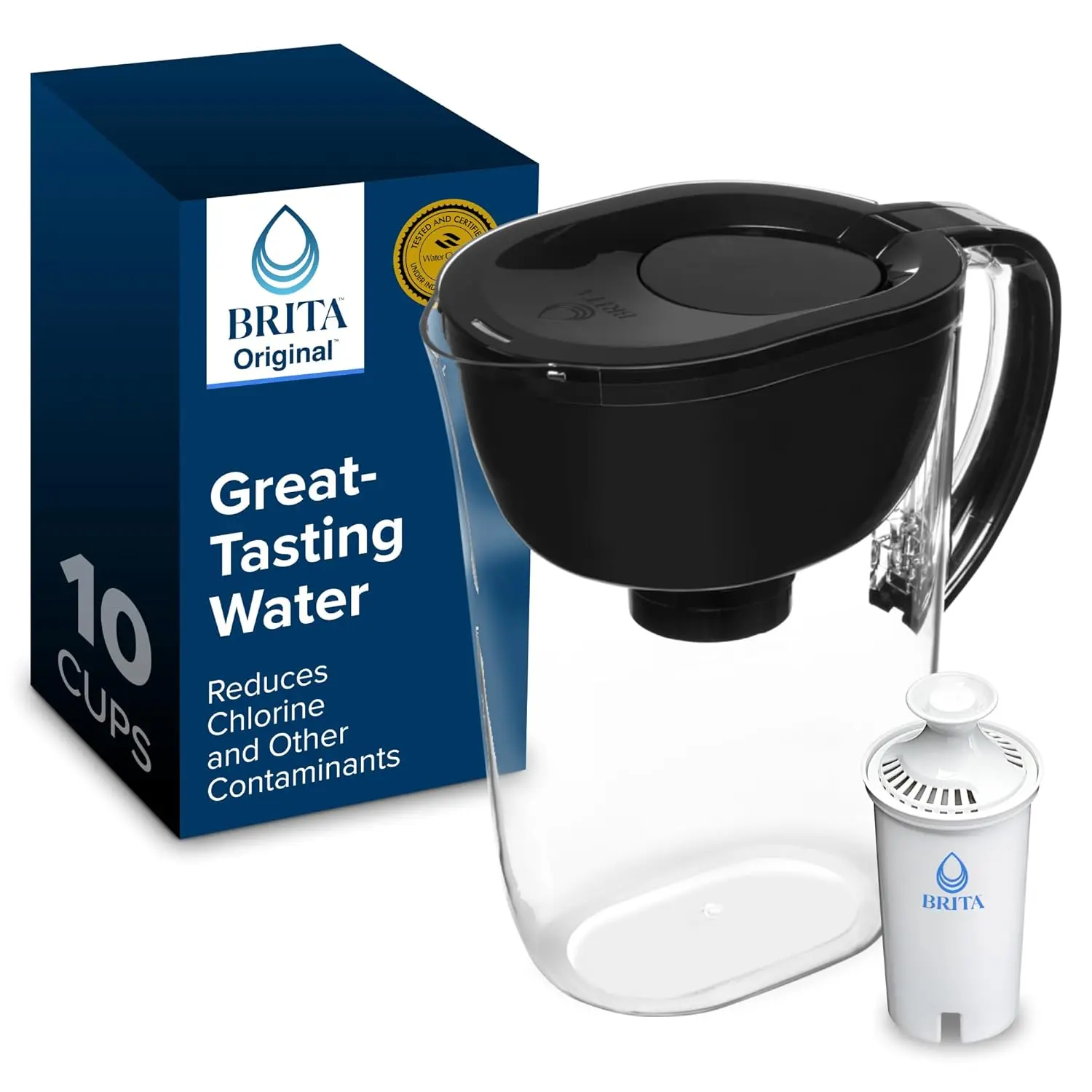
Brita 10-Cup Pitcher
Simple filtered-water option
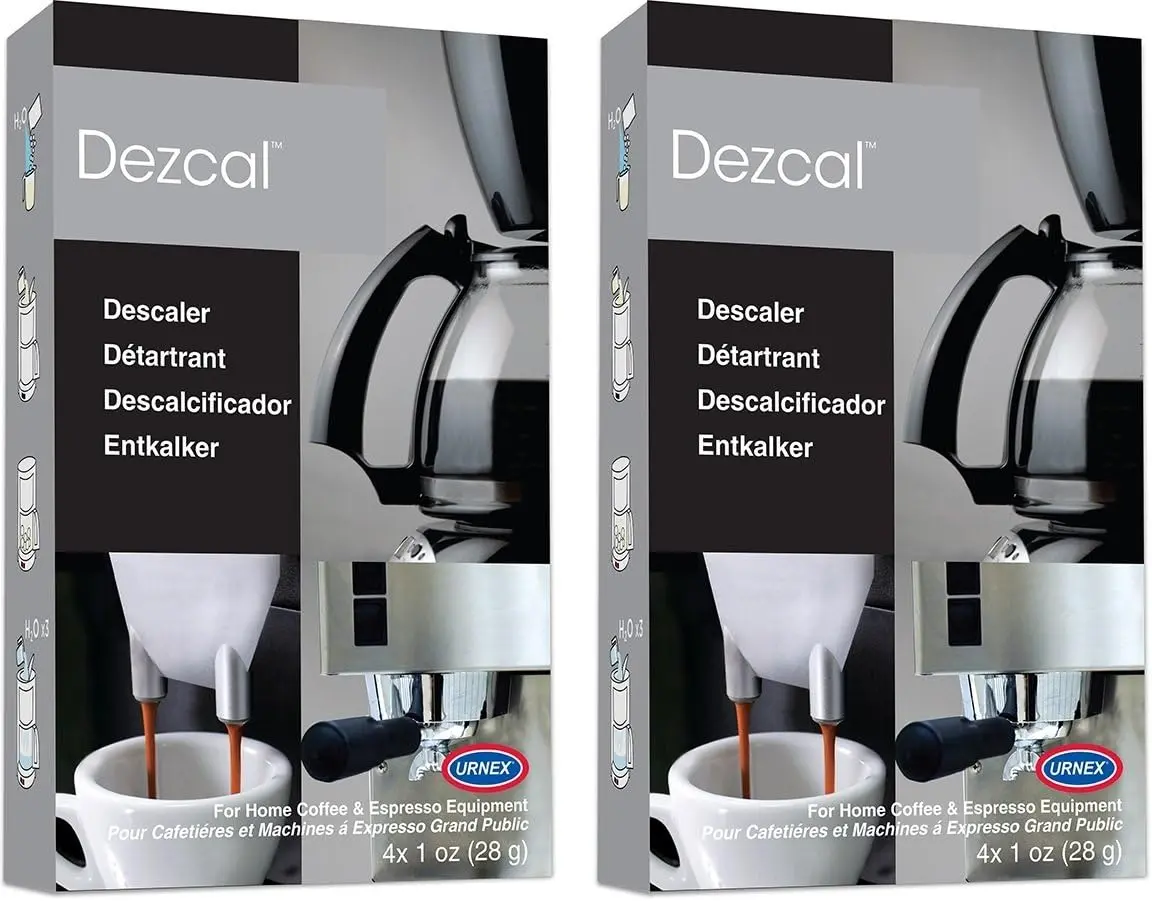
Urnex Dezcal
Descaling and maintenance
Table of Contents
1. Choose the Brewing Workflow Before Buying Supplies
The biggest setup mistake is buying accessories before deciding how the office will actually brew. Start with one of three workflows: single serve, shared batch, or hybrid. If that choice is still unsettled, use our Best Coffee Makers for Offices & Small Businesses guide first.
A single-serve station is easiest when employees arrive at different times or want different roasts, decaf, tea, or flavored coffee. A batch brewer is more efficient when the office drinks coffee at roughly the same time and wants to control cost per cup. A hybrid setup can support both, but it also means stocking two types of coffee and maintaining more equipment.
Keep it simple: if the office only has three to five regular coffee drinkers, one good brewer and one coffee format is usually better than a complicated mini café.
2. Set Up the Water Supply
Water affects both coffee flavor and equipment maintenance. If the office tap water has an obvious chlorine taste or inconsistent quality, a simple filtered-water workflow can make the station easier to standardize.
Brita currently sells multiple 10-cup pitcher options. That capacity is practical for a small office because it can refill many home-style reservoirs without requiring plumbing. For a larger office, a dispenser or plumbed commercial brewer may be more appropriate.
3. Choose the Coffee Supply Around the Office’s Drinking Pattern
The coffee itself is the largest recurring decision. Single-serve offices should stock at least one medium roast, one darker option, and decaf if there is regular demand. Batch-brew offices should decide whether to buy pre-ground coffee for simplicity or whole beans for freshness and better control.
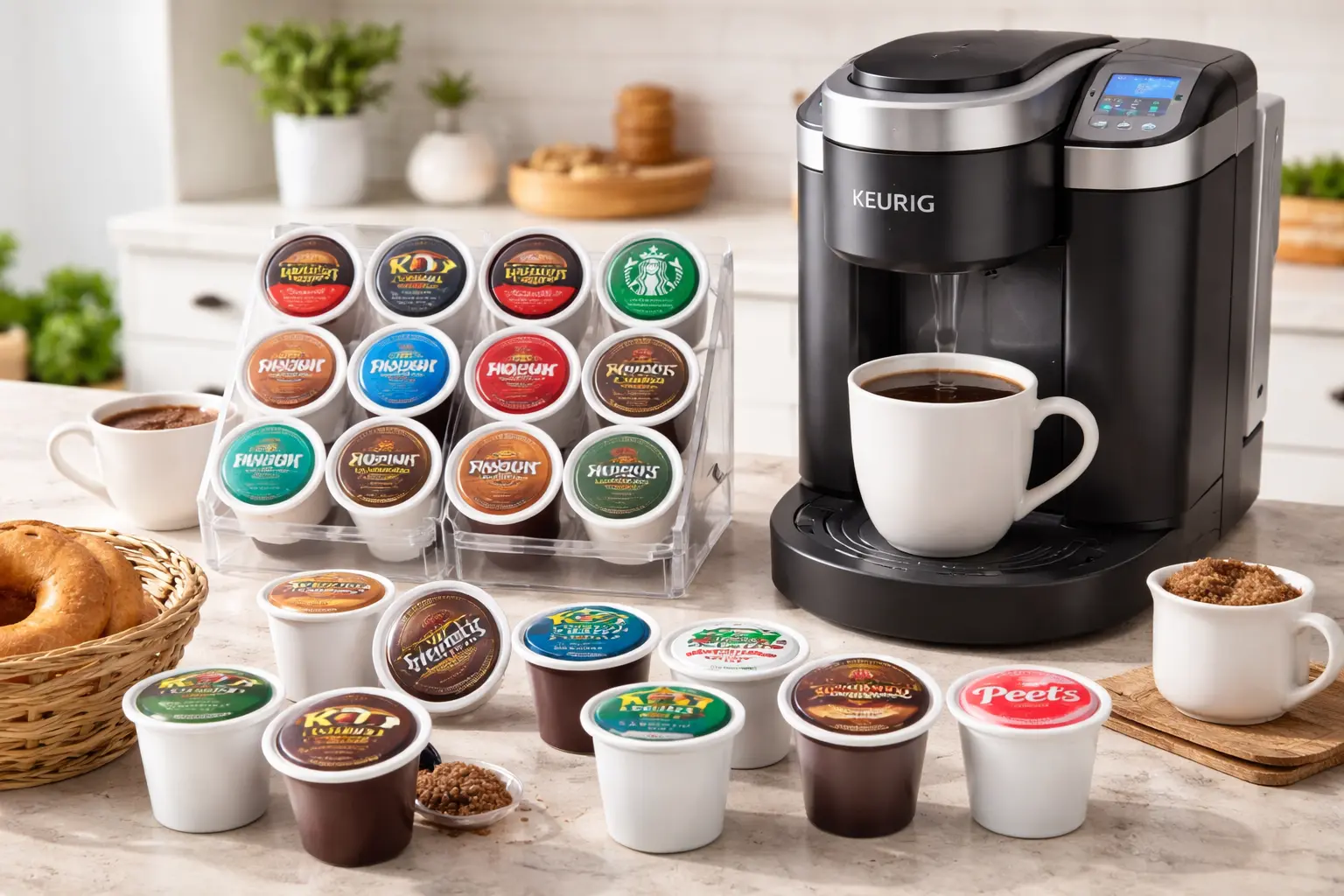
For a single-serve office, variety packs are useful during the first few weeks because they show what people actually drink before the business starts buying large boxes of one roast. Once demand is clear, recurring orders of the most-used options are usually more efficient.
For more specific pod recommendations, see Best Coffee for Keurig. That guide covers roast, caffeine, and value in more detail.
4. Add a Grinder Only If the Office Will Actually Use Whole Beans
A grinder can improve freshness, but it also introduces noise, spilled grounds, adjustment questions, and another item to clean. Do not add one merely because whole-bean coffee sounds more premium.
The Baratza Encore is designed for filter-brew grinding and remains a sensible example of the type of grinder that fits a batch-brew office better than an espresso-focused grinder. A simple grind setting and one labeled scoop or scale routine are usually enough for a shared drip setup.
5. Stock Filters, Cups, and Condiments Without Overbuying

Paper filters are inexpensive, but buying the wrong size creates an annoying recurring problem. Confirm the brewer’s basket shape and filter size before ordering in bulk. The same rule applies to cups and lids: standardize one or two sizes instead of stocking a cabinet full of mismatched pieces.
For creamers and sweeteners, start smaller than you think. Office coffee stations often accumulate stale or unpopular options because someone ordered variety before measuring actual demand.
6. Use Simple Storage and Organization
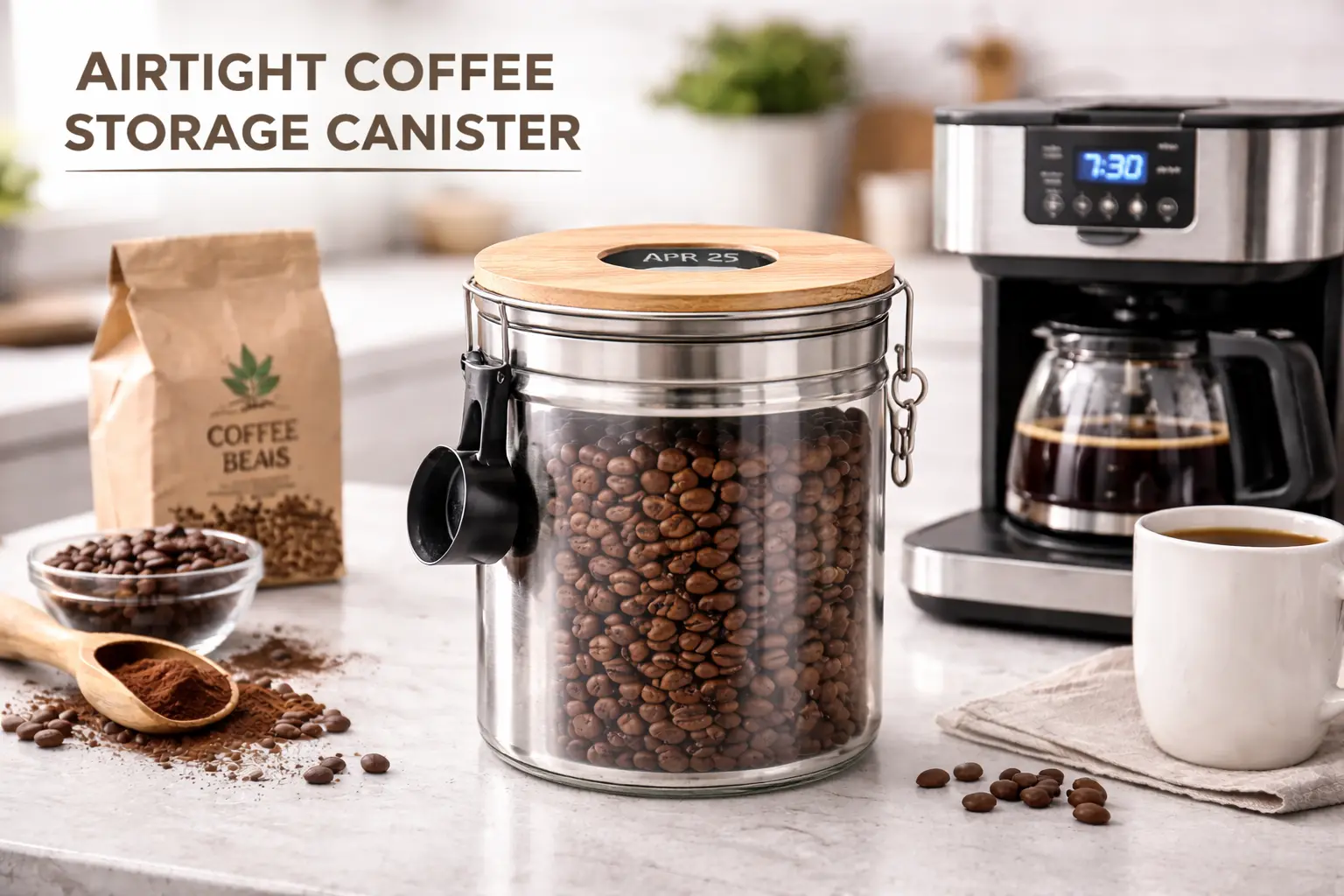
Organization should reduce searching, spills, and duplicate purchasing. Whole beans or ground coffee should be stored in a sealed container away from heat and sunlight. Pods can stay in their original boxes unless a drawer or organizer genuinely improves access.
A good office station usually has one clearly labeled area for coffee, one for cups and condiments, and one small maintenance bin with descaler, filters, and cleaning supplies.
7. Build Cleaning and Descaling Into the Setup From Day One
The easiest way to end up with terrible office coffee is to treat cleaning as somebody else’s problem. Assign a basic routine: rinse removable parts, empty used grounds or pods, wipe the station, and follow the manufacturer’s descaling schedule.
Urnex’s Dezcal line is designed to remove mineral scale from coffee equipment. Whatever product you use, follow the machine manufacturer’s instructions rather than improvising a cleaning mixture that may not be appropriate for the brewer.
8. Place the Coffee Station Where Cleanup Is Easy
The best coffee station location is not necessarily the prettiest counter. It is the place where people can refill water, empty grounds, wipe spills, and reach a trash or recycling bin without carrying wet parts across the office. If the station is far from a sink, every cleanup task becomes more annoying and is therefore more likely to be skipped.
For a small office, a counter near a sink with a grounded outlet and enough overhead clearance for reservoir lids is usually ideal. Leave working space beside the brewer rather than pushing it tightly between appliances. People need room to fill a carafe, open a pod compartment, remove a drip tray, or take out a grinder hopper without knocking over cups and supplies.
Also think about traffic. A coffee station directly beside the refrigerator or microwave can create a morning bottleneck. If several people use the break room at once, giving the coffee area its own small stretch of counter is more valuable than adding another accessory.
Power matters: follow the brewer manufacturer’s electrical requirements and avoid creating a permanent office setup around overloaded extension cords or power strips. High-wattage coffee equipment should have a safe, appropriate outlet arrangement.
9. Set Restocking Levels and Give Someone Ownership
A coffee station usually fails because supplies run out or nobody feels responsible for maintenance—not because the brewer was the wrong color. The simplest fix is to assign one person or team to check the station on a predictable schedule and define a reorder point for the consumables that matter most.
For example, instead of waiting until the last K-Cup box is empty, decide that a new order is triggered when only one unopened box remains. For paper filters, reorder when the backup pack is opened. For whole beans, choose a minimum amount that covers several normal workdays. These “par levels” prevent emergency purchases and make recurring ordering much easier to manage.
| Supply | Simple reorder trigger | Why it helps |
|---|---|---|
| K-Cups / coffee | One unopened backup package remains | Prevents the station from running dry between deliveries |
| Paper filters | Backup pack is opened | Filters are cheap but easy to forget |
| Cups / lids | About one week of normal use remains | Avoids emergency small-pack purchases |
| Water filters | Next replacement is scheduled or only one spare remains | Keeps filtration maintenance predictable |
| Descaler / cleaner | No unopened treatment remains | Makes scheduled maintenance possible without delay |
Do not automate a recurring order until the office has several weeks of usage data. A subscription for the wrong roast or too many cups creates clutter instead of efficiency. Measure first, then automate what is genuinely repetitive.
Office Coffee Station Checklist by Team Size
| Office size | Good starting setup | What to avoid |
|---|---|---|
| 1–5 coffee drinkers | One brewer, one coffee format, filtered water, cups, basic cleaning supplies | Buying multiple machines or too many coffee varieties |
| 5–10 coffee drinkers | Large-reservoir single serve or 10–12 cup batch brewer, backup coffee supply, organized storage | Relying on a tiny water tank or small bag of coffee that needs daily restocking |
| 10–25 coffee drinkers | Commercial-oriented single serve or larger batch workflow, bulk consumables, assigned maintenance | Using lightly built home equipment for nonstop all-day demand |
| Customer-facing / waiting room | Simple controls, easy cleanup, individually served drinks or managed carafe service | Complicated grinder-and-scale workflows that customers must operate themselves |
Recurring Ordering: Separate Equipment From Consumables
Office coffee becomes much easier to manage when the shopping list is divided into two groups. Equipment includes the brewer, grinder, storage, organizers, and water system. Consumables include coffee, K-Cups, filters, cups, lids, creamers, sweeteners, water-filter replacements, and descaler.
Consumables are where the recurring cost lives, so those are the items worth tracking monthly. Once the office knows what it actually uses, larger pack sizes or recurring ordering can make more sense than frequent small orders.
Buying and Restocking for a Business
If the office is buying coffee alongside other workplace supplies, an organizational purchasing account may make it easier to keep work purchases separate from personal orders. For recurring coffee and eligible grocery items, Subscribe & Save may also be worth comparing after the office has identified the products it actually reorders.
Three Office Coffee Station Mistakes to Avoid
- Buying for hypothetical demand. Start with what people already drink, then expand after a few weeks of real usage.
- Ignoring ownership. Someone needs to be responsible for restocking, cleaning, and noticing when filters or descaler are needed.
- Choosing too many formats. Pods, whole beans, pre-ground coffee, tea, flavored syrups, and multiple cup sizes can turn a simple station into a supply-management project.
Helpful Next Guides
Frequently Asked Questions
What should an office coffee station include?
At minimum, an office coffee station needs a brewer, water, coffee, the correct filters or pods, cups, basic storage, and a cleaning plan. Add a grinder only if the office will regularly use whole beans.
Are K-Cups or drip coffee better for an office?
K-Cups are easier when employees want different drinks at different times. Drip coffee is usually more efficient when many people drink the same coffee around the same time and the office wants to reduce cost per cup.
Does an office coffee station need filtered water?
Not every office needs a separate filtration system, but filtered water can be useful when tap water has an obvious taste or odor or when the brewer manufacturer recommends filtration. Follow the brewer manufacturer’s water and maintenance guidance.
Should an office buy a coffee grinder?
Only if the office plans to buy whole beans consistently. A grinder improves freshness but adds noise, cleanup, and another step. Pre-ground coffee is often the simpler choice for a shared workplace.
How often should an office coffee maker be cleaned?
Removable parts and spills should be handled routinely, while descaling should follow the machine manufacturer’s schedule and local water conditions. Shared machines usually need more attention than lightly used home brewers.
Sources & Verification
Product claims in this guide prioritize current first-party manufacturer documentation. Retailer listings can vary by bundle or seller, so verify the exact model and included accessories before purchasing.
Before buying: verify the brewer’s filter size, water requirements, and cleaning instructions so recurring supplies match the exact machine.
Written by the CoffeeGearHub Editorial Team
CoffeeGearHub is a specialty coffee equipment resource for people who want to make better coffee with less guesswork. Our guides compare verified specifications, practical workflow differences, maintenance requirements, and long-term ownership costs. We do not claim hands-on testing where it has not occurred. About CoffeeGearHub →