
Best Coffee Beans for Pour-Over (Beginner-Friendly Picks)
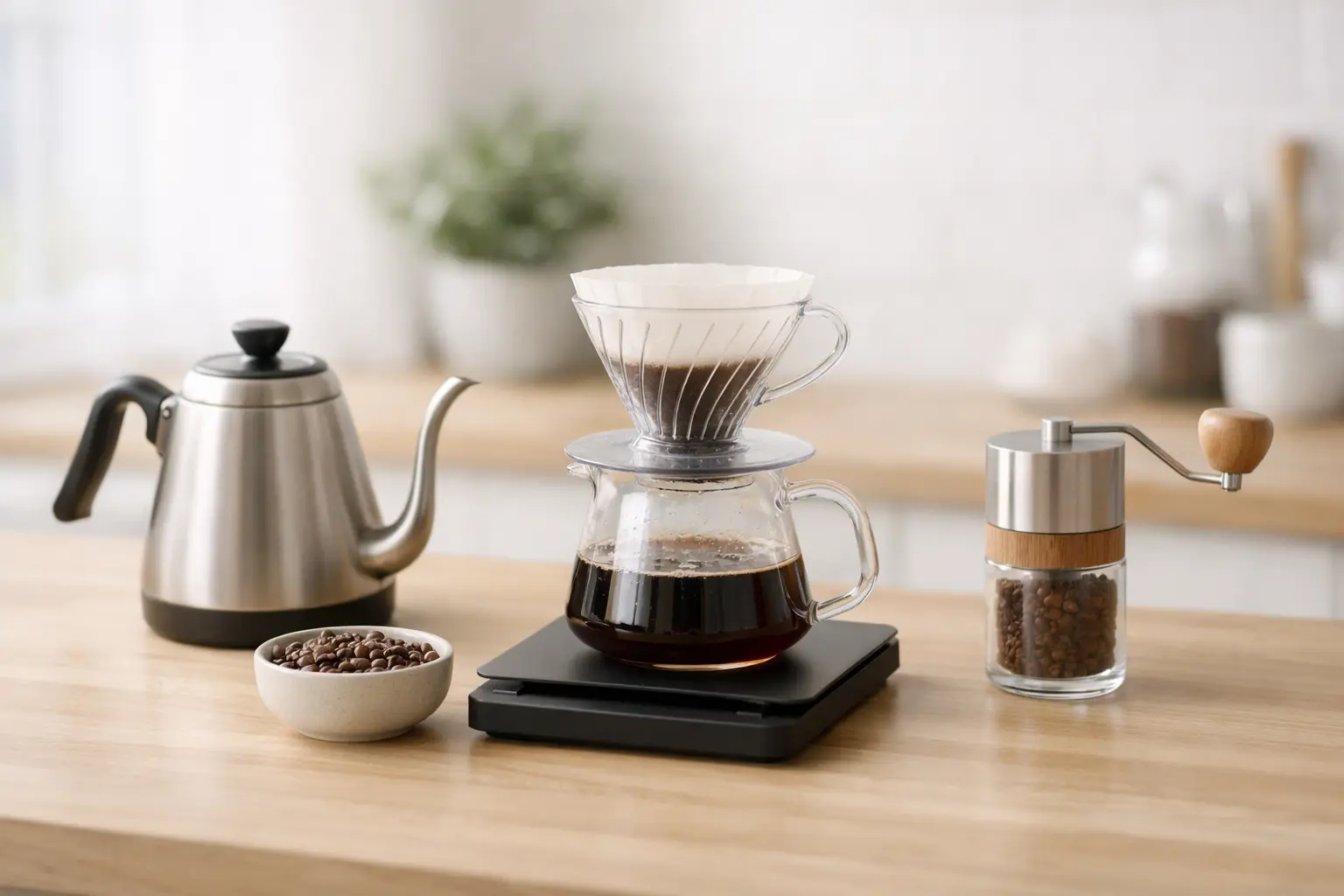
Editorial standards: this guide compares coffee for pour-over by roast level, origin character, freshness, processing style, and how those traits interact with grind, water, and brewer geometry. Product guidance is based on published information and practical brew-method fit unless tasting or hands-on testing is explicitly stated.
At a glance
What this guide covers
This guide explains which bean characteristics tend to work well for pour-over, how roast level and processing affect cup clarity and sweetness, and how to choose coffee without relying on a single ‘best’ origin.
Editorial analysis
Freshness and roast fit matter more than prestige
Pour-over makes differences in aroma, acidity, sweetness, and clarity easy to notice, so reasonably fresh coffee and a roast profile suited to your taste matter more than buying the most expensive bag.
Light and medium roasts are common choices for clarity, but darker coffees can still work well when the grind and temperature are adjusted to avoid harsh extraction. Treat origin notes as guidance rather than guarantees.
The 30-Second Answer
For pour-over, start with reasonably fresh whole beans and choose roast level by the flavor you want. Light-to-medium roasts often emphasize clarity and origin character, while medium-to-dark roasts can give more body and lower perceived acidity when brewed carefully.
Fresh coffee delivery
Want beans delivered on a schedule?
Coffee subscriptions can be useful when freshness and repeat ordering matter more than hunting for a new bag each time. CoffeeGearHub now compares verified recurring-delivery options by brewing style, variety and current merchant offer. Browse verified coffee subscriptions →
What Makes Coffee Beans Good for Pour-Over?
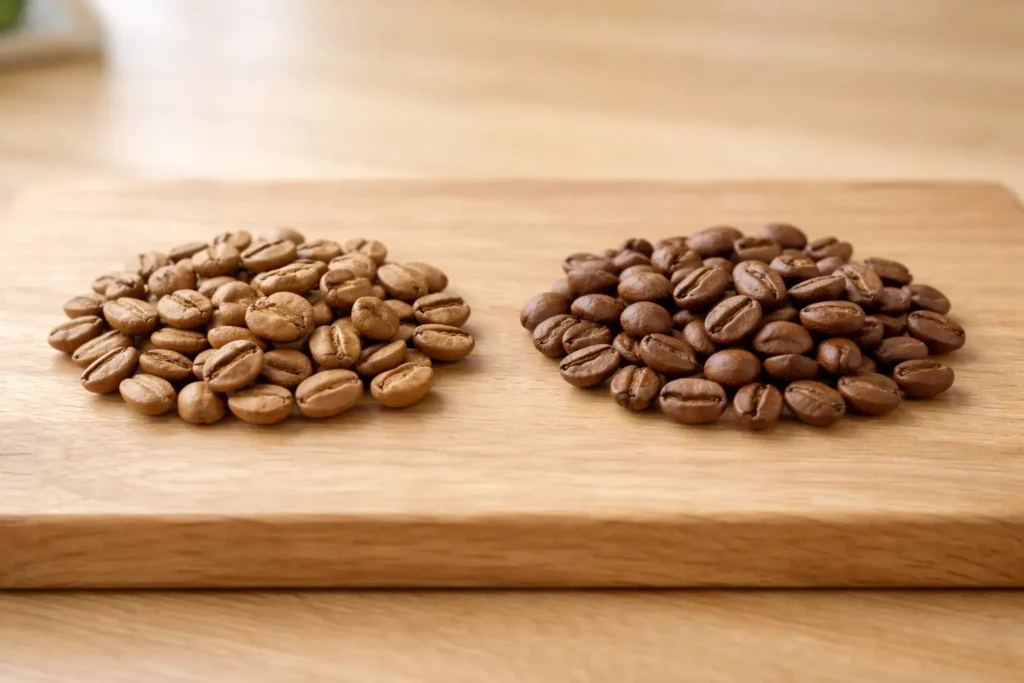
Pour-over brewing extracts coffee gently and without automation, which means every element of the bean shows up in the cup — good and bad. Unlike a drip machine, there is no built-in buffer for timing variation or temperature inconsistency. This is why bean choice matters more for pour-over than almost any other brew method.
Pour-over also exposes problems quickly. Here’s what determines whether a bean is genuinely suited to the method:
| Quality | What It Means in the Cup | Why It Matters for Pour-Over |
|---|---|---|
| Balanced acidity | Bright but smooth — not sharp, not flat | Pour-over amplifies acidity; unbalanced beans taste harsh under the method’s transparency |
| Natural sweetness | Chocolate, caramel, honey, or soft fruit at common beginner ratios | Sweetness masks minor extraction errors — critical while learning |
| Even roasting | No oil sheen, no scorched aromas, consistent color throughout the batch | Unevenly roasted batches extract unevenly regardless of technique |
| Extraction tolerance | Tastes good across minor grind or pour errors | The most important quality for beginners — forgives mistakes that would ruin a picky bean |
💡 The most important thing to understand: if your pour-over tastes sour or bitter, beans are rarely the only cause. Grind size, water temperature, and pour technique are usually involved. Start with a forgiving medium-roast bean and our grind size guide before blaming the bag.
How to Choose Beans for Your Pour-Over Setup
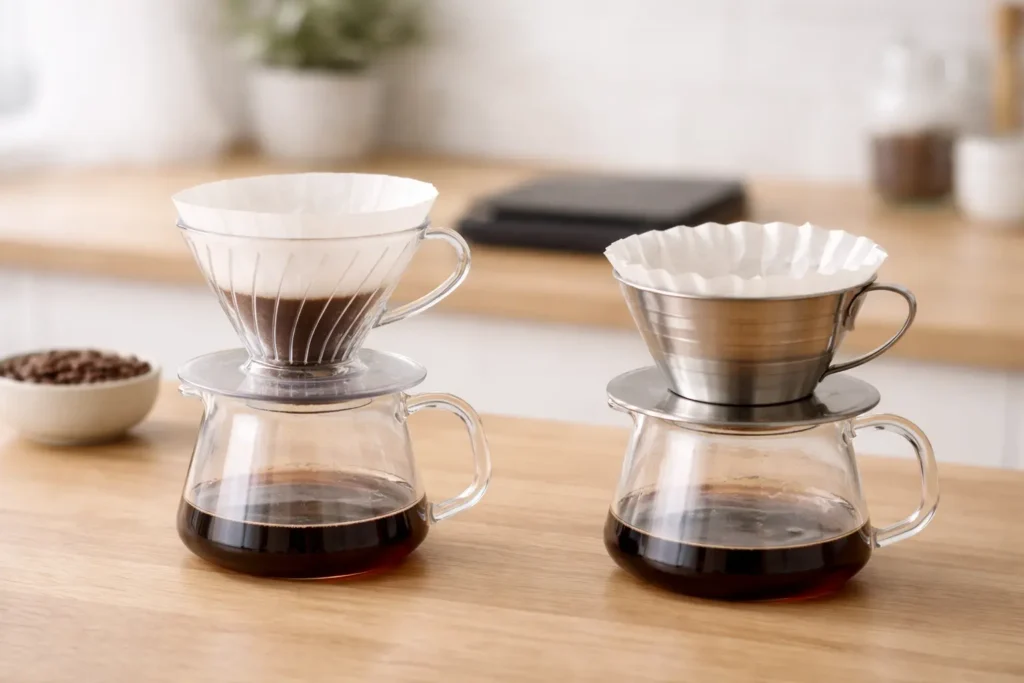
Not all pour-over brewers extract coffee the same way. Your dripper geometry, filter material, and grinder all influence which beans perform best. Use this as your decision framework before buying.
| Your Setup | Best Roast Level | Best Origin Type | Why |
|---|---|---|---|
| V60 or cone dripper | Light-medium | Colombian, Central American | Cone drippers drain quickly and reward precise pouring; balanced origins are most forgiving |
| Kalita Wave (flat-bottom) | Medium | Colombian, Guatemalan, blends | Restricted drain produces more even extraction; chocolate and caramel notes shine |
| Chemex | Medium to light-medium | Blends, Colombian | Thick paper produces a very clean, light cup; dark roasts taste hollow through Chemex filters |
| Entry-level burr grinder | Medium only | Any balanced Latin American origin | Budget grinders struggle with very light or very dark roasts; medium is most tolerant of minor inconsistency |
🔬 The grinder rule for pour-over: If you have a blade grinder, no bean will save you — blade grinders produce a mix of fine powder and coarse chunks in the same batch, causing simultaneous over- and under-extraction. A $70–$80 manual burr grinder paired with forgiving medium-roast beans will outperform any setup using a blade grinder. Grind quality is foundational. See our first coffee grinder guide for the right starting point.
A Practical Guide to Coffee Origins for Pour-Over
Origin shapes flavor more than almost any other variable in pour-over. The method’s transparency means origin character comes through clearly — which is great when you’re ready for it and frustrating when you’re not. This table maps origin to technique requirement so you can choose where to start.
| Origin | Typical Flavor Notes | Beginner-Friendly? | Best Dripper Match |
|---|---|---|---|
| Colombia | Caramel, red apple, mild citrus, milk chocolate | ✅ Very high — start here | All pour-over types |
| Guatemala | Dark chocolate, brown sugar, walnut | ✅ Very high | Kalita Wave, Chemex |
| Brazil | Nutty, low acid, smooth, bittersweet chocolate | ✅ High | Kalita Wave, flat-bottom |
| Ethiopia (washed) | Lemon, bergamot, jasmine, floral | ⚠️ Moderate — rewards better technique | V60 |
| Ethiopia (natural) | Blueberry, strawberry, tropical fruit | ⚠️ Moderate — polarizing for beginners | V60, Chemex |
| Kenya | Blackcurrant, tomato, grapefruit, wine | ⚠️ Low — best with practiced technique | V60 |
| Sumatra | Earthy, herbal, full-bodied, low acidity | ⚠️ Low for pour-over | Not recommended for pour-over |
💡 Beginner recommendation: Start with Colombian or Guatemalan origins. Once you can consistently brew balanced cups without sourness, add Ethiopian washed-process beans as your first stretch pick. Ethiopian naturals and Kenyan beans reward you significantly more once your technique and grinder are dialed in.
What Good Pour-Over Coffee Should Taste Like
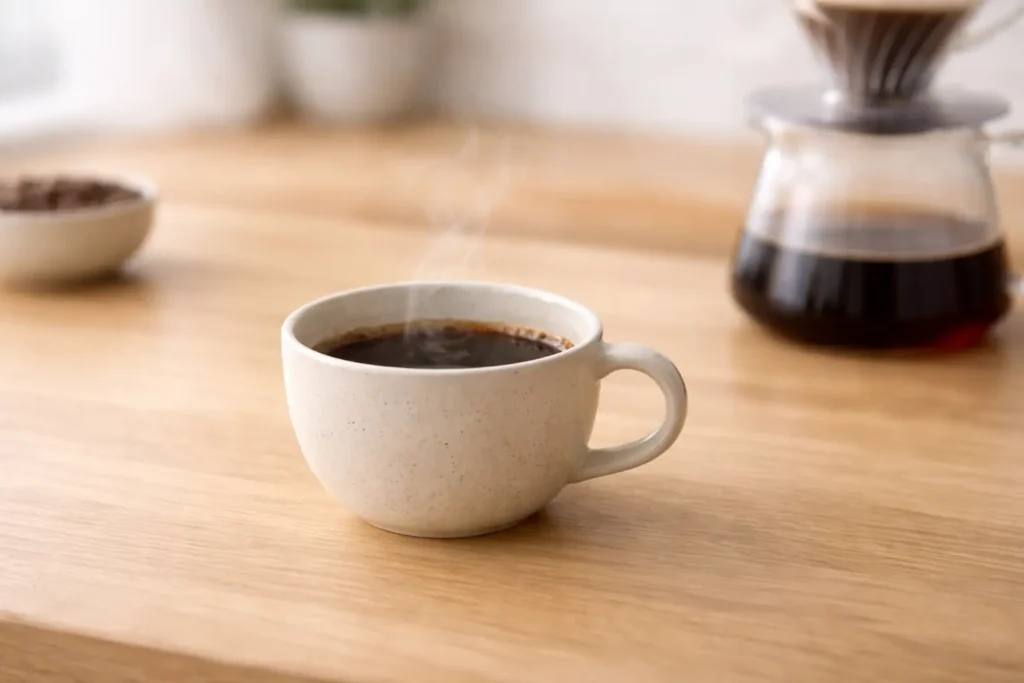
Knowing what to expect from a well-executed cup helps you diagnose problems faster. Here’s the flavor progression of a properly brewed pour-over with quality beans:
| Stage | What You Should Experience | If It’s Wrong — Most Likely Cause |
|---|---|---|
| Aroma | Sweet, clean, never burnt or musty. Should remind you of something pleasant before the first sip. | No aroma or flat smell = stale beans; burnt/smoky smell = roast too dark for the method |
| First sip | Gentle brightness that lifts the flavors without sharpness. Not sour, not flat. | Sour = under-extraction; flat = stale beans or machine too cold |
| Mid-palate | Main flavor notes — chocolate, caramel, fruit, or nuts. Balanced, not dominant in any direction. | Bitter = over-extraction or roast too dark; thin = ratio too low or grind too coarse |
| Finish | Clean and pleasant. No harsh bitterness, no drying sensation. Mild sweetness can linger. | Harsh or drying finish = over-extraction; no finish at all = stale beans |
🔬 The diagnosis rule: Sour coffee almost always means under-extraction — grind too coarse, water too cool, or brew too fast. Bitter points to over-extraction or a roast that’s too dark for the method. Flat or papery flavor most often means stale beans. None of these problems are primarily solved by buying more expensive coffee.
How We Selected These Beans
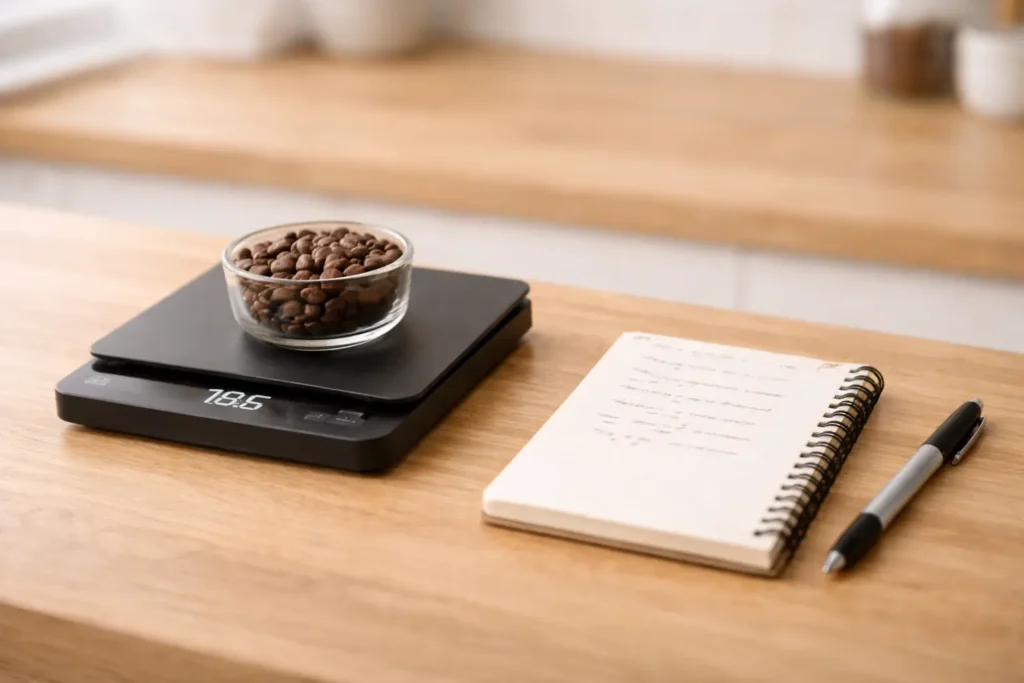
Each coffee below was selected using published roaster specifications, roast profile and origin information, established pour-over brewing principles, availability, and patterns in independent expert and verified user feedback. We favor coffees whose documented flavor profile and roast development suit common V60, Kalita Wave, and Chemex recipes, while also considering retail availability, reported batch consistency, freshness information, and price-to-quality ratio.
| Criterion | Evidence We Consider |
|---|---|
| Extraction tolerance | Extracts cleanly with minor pouring inconsistencies and still produces a pleasant cup |
| Beginner ratio performance | Tastes balanced at common beginner ratios (1:15–1:17) without fine-tuning |
| Multi-brewer consistency | Performs well across V60, Chemex, and Kalita Wave — not just one brewer |
| Availability and batch consistency | Widely available through Amazon or the roaster’s direct store; re-roasted consistently |
Best Coffee Beans for Pour-Over: Our Top 6 Picks
🏆 COFFEEGEARHUB TOP PICK — BEST OVERALL POUR-OVER BEAN
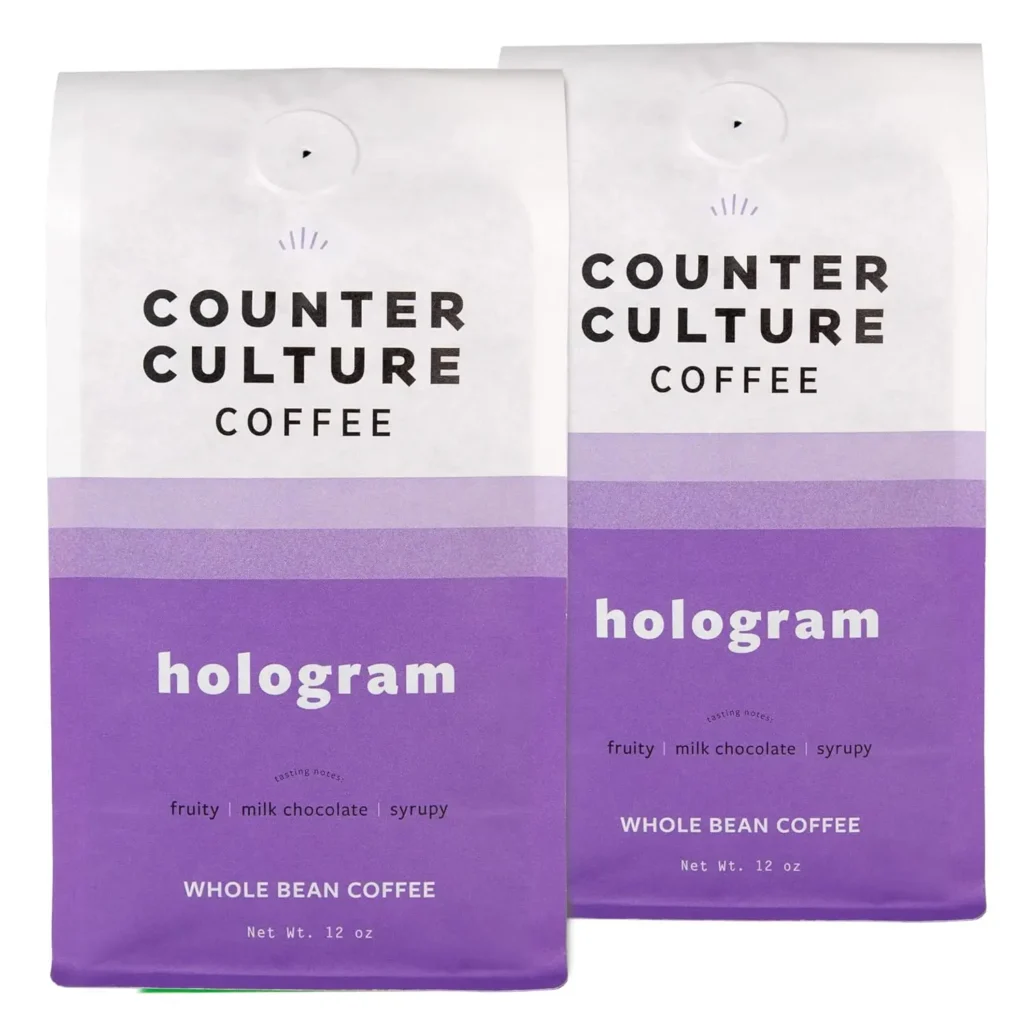
Counter Culture Hologram — Best Overall Pour-Over Bean
Hologram is a year-round blend specifically designed for filter brewing, and it shows. It introduces complexity — brown sugar, soft fruit, cocoa — without punishing technique mistakes. At 1:15 it’s rich and sweet; at 1:17 it opens up with more clarity and fruit. This is the ideal stepping stone from commodity coffee into specialty without the steep learning curve. Flavor is consistent batch to batch, which matters for beginners still dialing in their process.
- Roast level: Light-medium
- Flavor notes: Brown sugar, soft fruit, cocoa
- Best brewers: V60, Chemex
- Grind tolerance: Medium-high
- Price tier: Mid-range specialty
Starter recipe: 22g coffee · 330g water · 200°F (93°C) · Medium-fine grind · ~3:15 total brew time
Affiliate link — we may earn a commission at no cost to you.
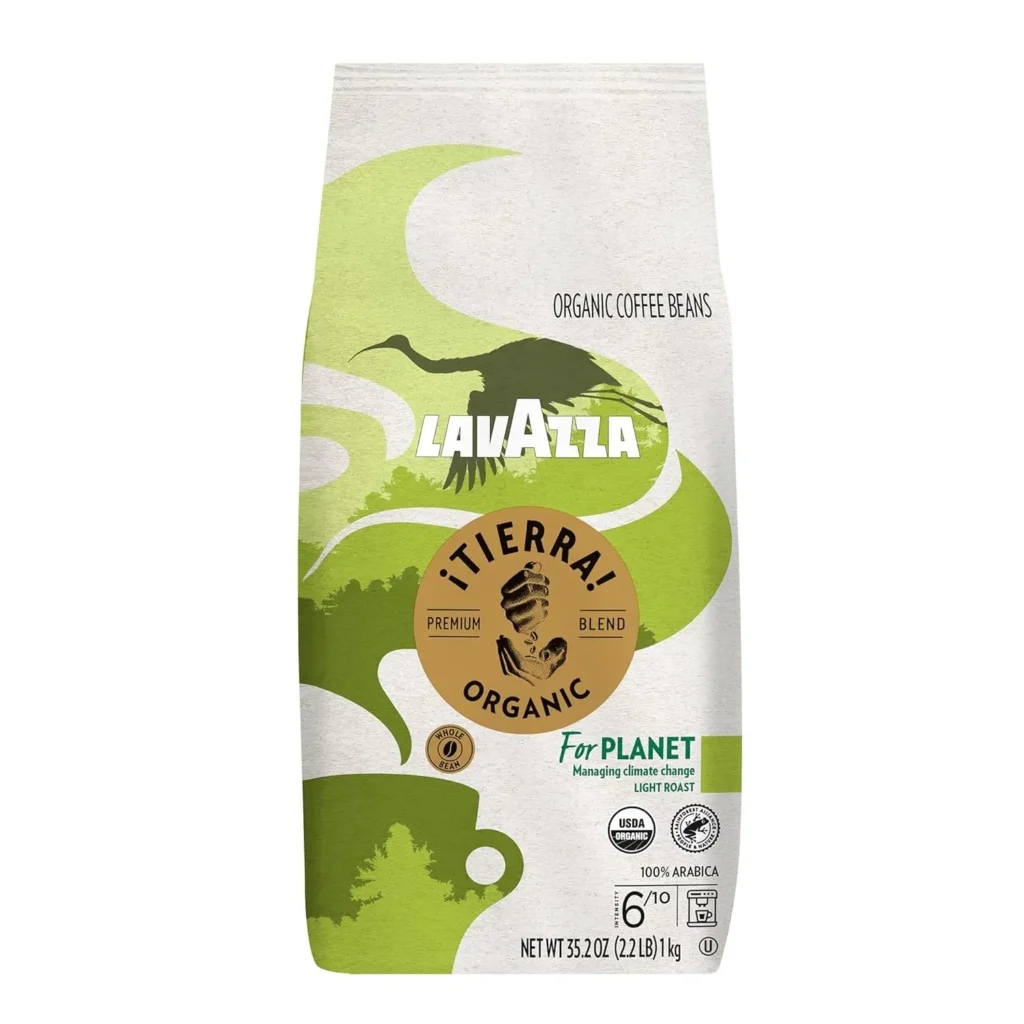
Lavazza ¡Tierra! Organic Light Roast — Best for Beginners
This is the most forgiving pour-over coffee on this list. Low acidity, consistent roasting, and a milk chocolate sweetness that holds up even with imprecise pours or slightly uneven grinds. It does not challenge your technique — it lets you focus entirely on learning the physical process. Organic certification and wide Amazon availability make it easy to buy consistently. If you’re on your first bag of pour-over beans, start here.
- Roast level: Light
- Flavor notes: Milk chocolate, toasted nuts, mild sweetness
- Best brewers: Kalita Wave, flat-bottom drippers
- Grind tolerance: Very high
- Price tier: Budget-friendly
Starter recipe: 20g coffee · 320g water · 200°F (93°C) · Medium grind · ~3:00 total brew time
Affiliate link — we may earn a commission at no cost to you.
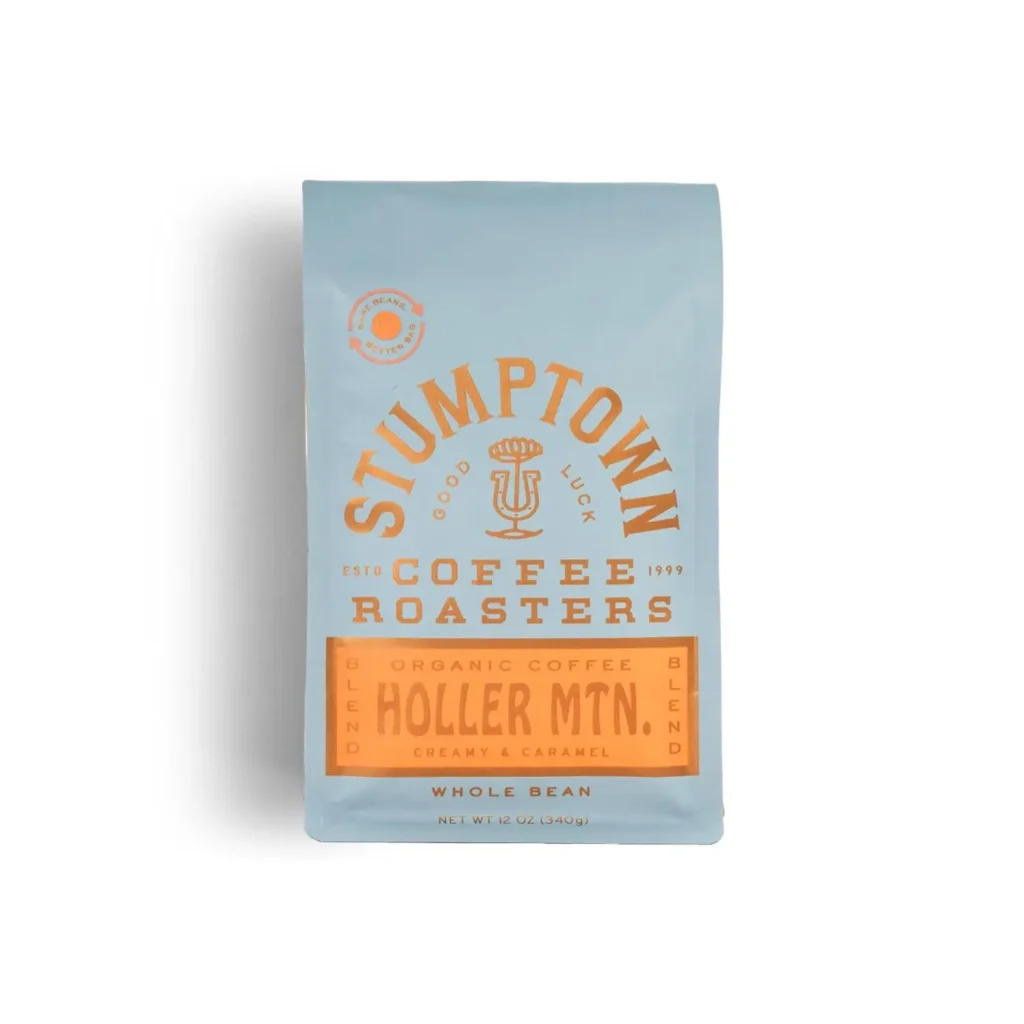
Stumptown Holler Mountain — Best for Drip-to-Pour-Over Switchers
If you’re coming from a drip machine, Holler Mountain will feel immediately familiar — comforting, balanced, caramel-sweet — while being noticeably cleaner and more dimensional than anything from a supermarket bag. It brews well at longer times (~3:30) and is highly tolerant of the inconsistent technique that comes with learning a new brewer. A flat-bottom dripper or Kalita Wave brings out its best. An excellent transitional bean that won’t disappoint once your pour-over technique improves.
- Roast level: Medium
- Flavor notes: Caramel, mild citrus, bittersweet chocolate
- Best brewers: Kalita Wave, flat-bottom drippers
- Grind tolerance: High
- Price tier: Mid-range
Starter recipe: 20g coffee · 340g water · 200°F (93°C) · Medium grind · ~3:30 total brew time
Affiliate link — we may earn a commission at no cost to you.
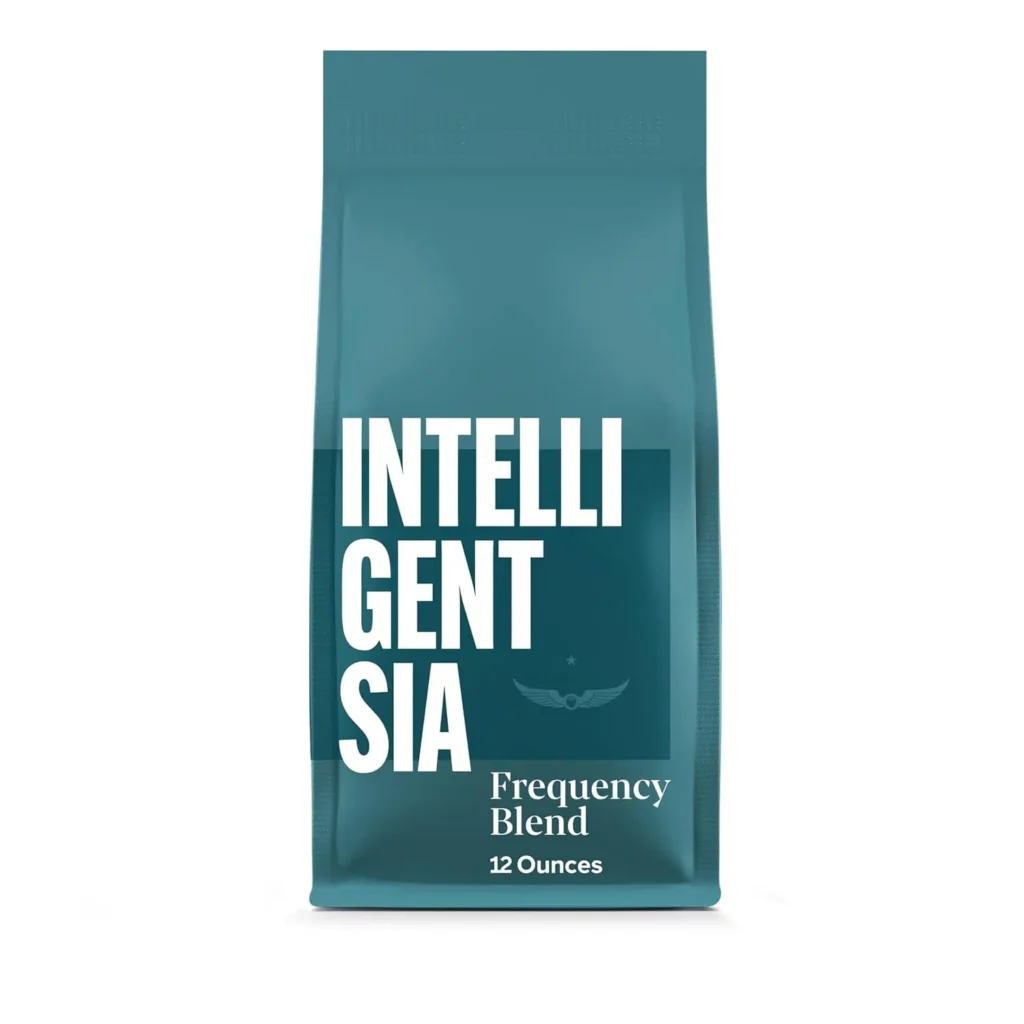
Intelligentsia Frequency Blend — Best for V60 and Chemex
Intelligentsia’s Frequency Blend is formulated specifically for filter brewing, with a light-medium roast that showcases what a V60 or Chemex does best — clarity, brightness, and layered sweetness. The structured acidity rewards a slightly finer grind and more precise pour, making it the right choice once you’ve had a few weeks of practice and are ready for more nuance. The batch consistency from Intelligentsia is among the best in widely available specialty coffee.
- Roast level: Light-medium
- Flavor notes: Stone fruit, honey, soft citrus, clean finish
- Best brewers: V60, Chemex
- Grind tolerance: Medium
- Price tier: Mid-range specialty
Starter recipe: 22g coffee · 330g water · 202°F (94°C) · Medium-fine grind · ~3:15 total brew time
Affiliate link — we may earn a commission at no cost to you.

Peet’s Coffee Big Bang — Best Budget Pick
Peet’s Big Bang is a light-medium blend with more brightness and floral character than most coffee at its price point. It consistently punches above its weight in pour-over, particularly in a Chemex or V60 where the clean filter lets its winey, fruit-forward notes develop. For a budget pick, the roast quality and batch consistency are unusually reliable. Available directly from Peet’s with subscription discounts that improve the value further.
- Roast level: Light-medium
- Flavor notes: Meyer lemon, peach, rose, mild sweetness
- Best brewers: Chemex, V60
- Grind tolerance: Medium
- Price tier: Budget-friendly
Starter recipe: 20g coffee · 320g water · 202°F (94°C) · Medium-fine grind · ~3:15 total brew time
Affiliate link — we may earn a commission at no cost to you.
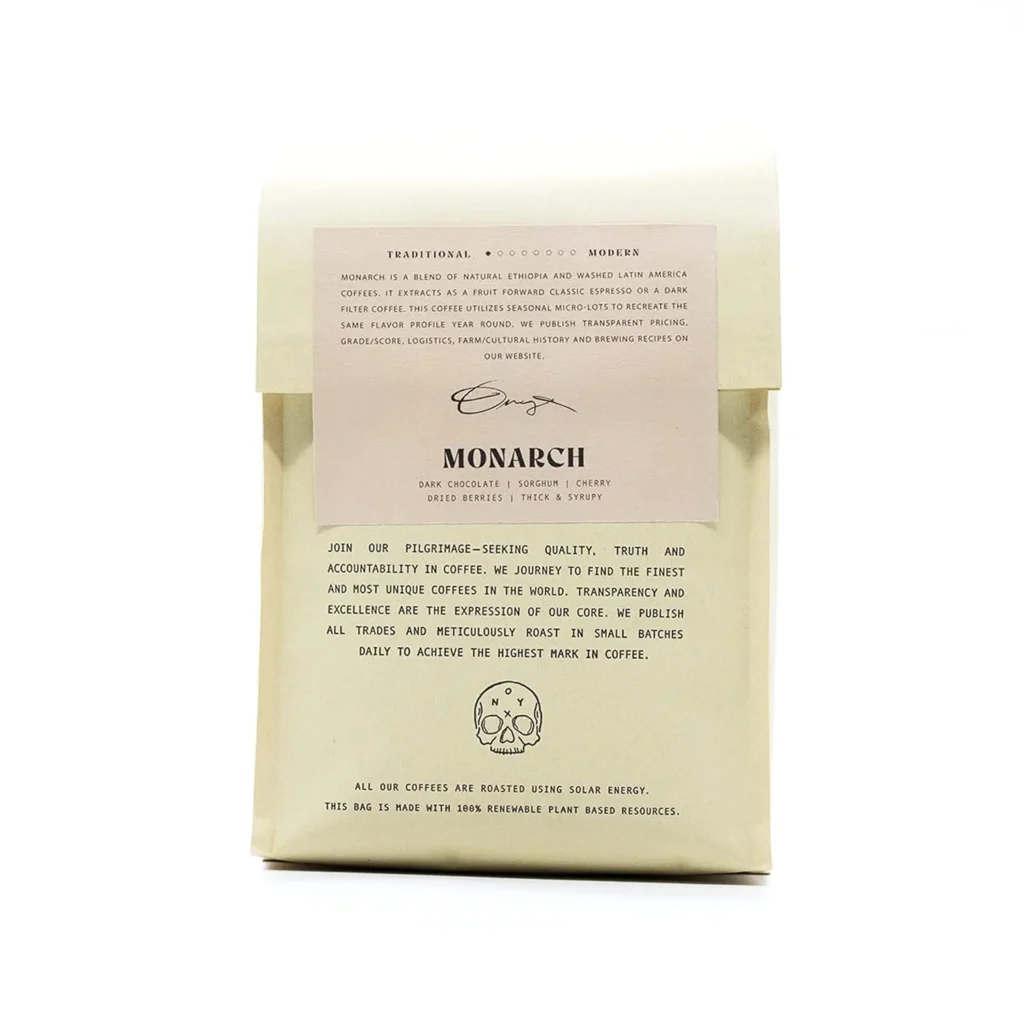
Onyx Coffee Lab Monarch Blend — Best Step-Up Single Origin
When you’re ready to graduate from blends and explore what origin character actually means, Onyx Monarch is a natural next step. It’s a structured, approachable washed-process single origin with distinct fruit notes that emerge clearly in a V60 or Chemex without requiring aggressive technique adjustments. Onyx’s roast quality and transparency about sourcing make it a gateway into understanding specialty coffee at a deeper level — and a strong motivator to keep refining your pour.
- Roast level: Light-medium
- Flavor notes: Dark cherry, milk chocolate, dried fig
- Best brewers: V60, Chemex
- Grind tolerance: Medium (rewards better technique)
- Price tier: Premium specialty
Starter recipe: 22g coffee · 330g water · 205°F (96°C) · Medium-fine grind · ~3:15 total brew time
Affiliate link — we may earn a commission at no cost to you.
Side-by-Side Comparison
| Coffee | Best For | Roast | Best Brewer | Ideal Ratio | Grind Tolerance | Price Tier |
|---|---|---|---|---|---|---|
| Counter Culture Hologram | 🏆 Best Overall | Light-medium | V60, Chemex | 1:15–1:16 | Medium-high | Mid-range |
| Lavazza ¡Tierra! | 👶 Beginners | Light | Kalita Wave | 1:16 | Very high | Budget |
| Stumptown Holler Mountain | 🔄 Drip switchers | Medium | Kalita, flat-bottom | 1:16–1:17 | High | Mid-range |
| Intelligentsia Frequency | ⚗️ V60 / Chemex | Light-medium | V60, Chemex | 1:15–1:16 | Medium | Mid-range |
| Peet’s Big Bang | 💰 Best budget | Light-medium | Chemex, V60 | 1:15–1:16 | Medium | Budget |
| Onyx Monarch Blend | 🌍 Step-up pick | Light-medium | V60, Chemex | 1:15 | Medium | Premium |
How to Store Pour-Over Coffee Beans
Freshness is the single highest-leverage variable in pour-over coffee that most beginners ignore. A mediocre bag within its optimal window will outperform an excellent bag that’s three months old. The pour-over method’s transparency makes stale beans more obvious here than in any other brew method.
The Freshness Window
Pour-over coffee is most expressive between 7 and 21 days post-roast. In the first week, freshly roasted beans off-gas CO₂ aggressively, causing uneven bloom and a slightly sharp or grassy quality. After three weeks, CO₂ has mostly dissipated, oxidation begins to mute sweetness and clarity, and the distinctive flavor notes the roaster developed start to flatten. Check the roast date on the bag — not the “best by” date — and aim to brew within this window.
Container, Environment, and the Freezer Myth
Store beans in an airtight, opaque container away from heat, light, and moisture. The four enemies of fresh coffee are oxygen, light, heat, and moisture. A ceramic or stainless canister with a rubber-sealed lid on the counter is ideal for beans you will use within two to three weeks of opening. Do not store beans in the refrigerator for daily use — moisture from temperature cycling causes rapid flavor degradation. Freezer storage only makes sense for unopened bags you won’t touch for a month or more, and only once. Once thawed, don’t refreeze.
Grind Just Before Brewing
Ground coffee stales roughly 15 times faster than whole beans due to the dramatically increased surface area exposed to oxygen. For pour-over — where clarity and sweetness are the primary goals — grinding immediately before brewing is non-negotiable if you want the best results. Even an entry-level burr grinder grinding fresh will outperform pre-ground coffee from a premium bag. See our first coffee grinder guide for beginner grinder recommendations.
💡 The grinder rule: If you have a $200 pour-over setup and a blade grinder, you are wasting most of that setup’s capability. A $70–$80 manual burr grinder paired with fresh medium-roast beans will produce a better cup than any kettle or dripper upgrade while a blade grinder remains in the chain. Grind consistency is foundational — it is not an accessory.
Troubleshooting Matrix: Fix Pour-Over Flavor Problems at the Source
Most pour-over flavor problems have more than one cause. Work through the symptom that matches your cup and trace it to the most likely cause before assuming it’s a bean problem — it usually isn’t.
| Symptom | Most Likely Cause | Fix (in order) |
|---|---|---|
| Sour or sharp taste | Under-extraction — grind too coarse, water too cool, pour too fast | Grind finer 2–3 steps → raise water temp to 200–205°F → slow your pour → if still sour, switch to a more forgiving medium roast |
| Harsh bitterness | Over-extraction or roast too dark for the method | Grind coarser 2–3 steps → lower water temp slightly → shorten brew time → switch to a lighter, filter-specific blend |
| Flat or papery flavor | Stale beans — past the freshness window | Buy fresher beans — check roast date, not best-by date → rinse your paper filter thoroughly before brewing |
| Thin or watery body | Weak ratio or fast drawdown; old beans lose body | Increase dose (try 1:15 instead of 1:17) → grind finer to slow drawdown → buy fresher beans |
| No aroma in the cup | Stale beans or roast too dark | Buy fresher beans from a quality roaster → try a lighter roast → extend bloom to 30–45 seconds |
| Inconsistent cup-to-cup | Grind inconsistency; no scale; variable pour | Weigh every dose → use a click-step burr grinder and record your setting → a forgiving medium roast helps mask minor grinder flaws |
| Grassy or green taste | Beans too fresh — under 7 days post-roast | Rest beans 7–10 days after the roast date before brewing → extend bloom time slightly |
For a deeper breakdown of what’s happening chemically when flavors go wrong, see our coffee extraction science guide. For pour-over-specific technique fixes, our pour-over troubleshooting guide walks through every common problem step by step.
FAQs: Best Coffee Beans for Pour-Over
What roast level is best for pour-over coffee?
Light-medium and medium roasts are ideal for pour-over. They balance acidity and sweetness without requiring perfect pouring technique. Ultra-light roasts can taste sour if your grind or pour isn’t precise, while darker roasts often taste flat or bitter in pour-over.
Are single-origin beans better than blends for pour-over?
Not always. Single-origin coffees can highlight unique flavors, but blends are often more consistent and forgiving for beginners. A well-crafted blend can deliver balanced sweetness and repeatable results while you’re still learning.
How fresh should coffee beans be for pour-over brewing?
Pour-over coffee tastes best when beans are brewed between 7 and 21 days after roast. Beans that are too fresh can taste grassy or sharp, while older beans lose sweetness and clarity.
Can I use pre-ground coffee for pour-over?
You can, but it limits quality. Pour-over is especially sensitive to grind size, and pre-ground coffee stales quickly. Grinding whole beans fresh will noticeably improve clarity, sweetness, and aroma.
Why does my pour-over coffee taste sour even with good beans?
Sour flavors usually indicate under-extraction. This can happen if the grind is too coarse, the water temperature is too low, or the coffee-to-water ratio is too weak — even with high-quality beans.
Do expensive coffee beans always taste better in pour-over?
No. Price doesn’t guarantee better flavor. Well-roasted, moderately priced beans often outperform expensive specialty coffees if they’re fresher and better suited to your grinder and brewing method.
Should I avoid espresso-labeled beans for pour-over?
In most cases, yes. Espresso-labeled beans are usually roasted darker to suit pressure brewing. In pour-over, they can taste muted or overly bitter compared to beans roasted specifically for filter methods.
How do I know when it’s time to try lighter or more complex beans?
Once you can consistently brew balanced cups — without sourness or bitterness — you’re ready to experiment. Upgrading your grinder and refining your pour technique first will make lighter roasts far more enjoyable.
Does coffee origin affect how beans taste in pour-over?
Yes, significantly. Ethiopian beans often show floral and fruit-forward flavors in pour-over. Colombian and Central American origins lean toward chocolate, caramel, and balanced sweetness. East African origins generally reward more precise technique, while Latin American origins are more forgiving for beginners.
How should I store pour-over coffee beans to keep them fresh?
Store beans in an airtight, opaque container away from heat, light, and moisture. Avoid refrigerating or freezing beans you use daily — condensation harms flavor. An opaque ceramic canister on the counter works well for beans you’ll finish within two to three weeks of opening.
CoffeeGearHub product shortlist
Compare coffee and pour-over gear
Review CoffeeGearHub catalog pages for coffee, grinders, and brewing gear before opening merchant offers.
Continue Learning
Choose and dial in coffee
In this guide
- The 30-Second Answer
- What Makes Coffee Beans Good for Pour-Over?
- How to Choose Beans for Your Pour-Over Setup
- A Practical Guide to Coffee Origins for Pour-Over
- What Good Pour-Over Coffee Should Taste Like
- How We Selected These Beans
- Best Coffee Beans for Pour-Over: Our Top 6 Picks
- Side-by-Side Comparison
- How to Store Pour-Over Coffee Beans
- Troubleshooting Matrix: Fix Pour-Over Flavor Problems at the Source
- FAQs: Best Coffee Beans for Pour-Over
- Continue Learning