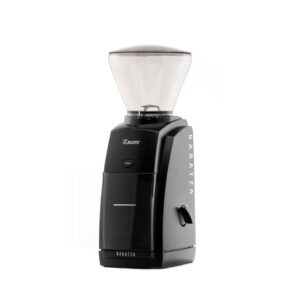
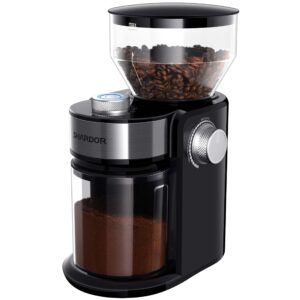
Manual coffee grinders used to be “good enough” for camping or emergency coffee. In 2026, the best hand grinders are legitimately impressive—delivering cleaner flavor, tighter particle consistency, and better control than many budget electric grinders.
If you brew pour-over, AeroPress, French press, or espresso (with the right grinder), this guide will help you choose a manual grinder that feels authoritative, durable, and worth the money—and avoid thin-content “listicles” with no real buying guidance.

Quick Picks (If You Want the Short Version)
- Best Overall: 1Zpresso J-Series
- Best for Espresso: 1Zpresso J-Max
- Best Value: Timemore Chestnut C3
- Best Premium Build: Comandante C40 MK4
- Best Budget / Travel: Hario Mini Slim Plus
Why a Manual Grinder Can Beat an Electric Grinder (At the Same Price)
In a budget electric grinder, your money pays for a motor, housing, electronics, and noise control. In a good hand grinder, most of the cost goes into the things that matter for taste: precision burrs, burr alignment, and a stable drive shaft.
- Better grind consistency per dollar: More uniform grounds = more even extraction and better flavor.
- Quiet operation: No loud motor—great for early mornings.
- Portability: Travel, office, camping, or anywhere without power.
- Long-term reliability: Fewer parts to fail compared to electrics.

How We Chose These Manual Coffee Grinders
Manual grinders vary wildly in real-world performance. We prioritized models that consistently deliver on:
- Burr quality & alignment: The biggest predictor of grind uniformity.
- Adjustment precision: Especially critical for espresso.
- Ease of use: Comfortable grip, smooth crank, and predictable settings.
- Build quality: Strong materials and minimal wobble in the drivetrain.
- Value: Performance relative to price and long-term durability.
Manual Coffee Grinder Comparison Table
Use this table to narrow down your options quickly—then jump to the detailed reviews below.

| Grinder | Burr Type | Best For | Adjustment | Price Tier |
|---|---|---|---|---|
| 1Zpresso J-Series | Stainless Steel | All brew methods | External | $$$ |
| 1Zpresso J-Max | Stainless Steel | Espresso | Ultra-fine external | $$$ |
| Timemore Chestnut C3 | Stainless Steel | Pour-over, drip, AeroPress | Internal | $$ |
| Comandante C40 MK4 | Stainless Steel | Filter coffee clarity | Internal | $$$$ |
| Hario Mini Slim Plus | Ceramic | Budget / travel backup | Internal | $ |
Best Manual Coffee Grinders (Detailed Reviews)
1Zpresso J-Series (Best Overall Manual Coffee Grinder)
If you want one manual grinder that can handle almost everything—pour-over, AeroPress, French press, and espresso—the 1Zpresso J-Series is the most balanced pick. The grind quality is excellent, the crank is smooth, and the external adjustment makes it easy to repeat recipes.

Why it’s great
- Strong grind consistency: Cleaner cups with less muddiness (especially for pour-over).
- External adjustment: Fast changes between brew methods—no guessing.
- Solid build: Feels premium and stable in hand.
Best for: The “one grinder for everything” buyer who wants quality without going ultra-premium.
1Zpresso J-Max (Best Manual Grinder for Espresso)
Espresso demands tiny grind changes. The J-Max is built for that job, offering ultra-fine adjustments that make dialing-in far less frustrating. If you use a non-pressurized portafilter (or a serious espresso setup), this is one of the most practical hand grinders you can buy.

What to expect
- Espresso-friendly micro-adjustments: Helps hit the “sweet spot” without jumping past it.
- Repeatable settings: Easier to return to a previous dial-in.
- Fast for a hand grinder: Efficient burr geometry reduces effort.
Best for: Espresso-first brewers who want precision without upgrading to an expensive electric single-dose grinder.
Timemore Chestnut C3 (Best Value Manual Grinder)
If you want a major upgrade from blade grinders or entry-level ceramics without spending a lot, the Timemore C3 is a standout value. It’s compact, easy to travel with, and produces surprisingly uniform grounds for pour-over, drip, and AeroPress.

Pros and trade-offs
- Great value: Strong grind quality for the price.
- Portable: Slim profile fits travel kits.
- Trade-off: Internal adjustment is less convenient than external dials.
Best for: Beginners who want “real burr grinder” results for pour-over/drip without spending premium money.
Comandante C40 MK4 (Best Premium Manual Grinder)
The Comandante C40 is the “premium benchmark” many enthusiasts compare against, especially for filter coffee. What you’re paying for is refined burr design and a build that feels dialed-in. For pour-over fans chasing clarity, it’s a classic—though it’s priced accordingly.
Why people love it
- Excellent cup clarity: Great separation of flavors in pour-over.
- Premium materials: Built to last.
- Trade-off: High price and not the fastest for large doses.

Best for: Pour-over enthusiasts who want a premium hand grinder and don’t mind paying more for a refined experience.
Hario Mini Slim Plus (Best Budget / Travel Backup)
The Hario Mini Slim Plus is best viewed as a budget travel grinder—something to keep as a backup or bring when you’re not willing to pack a heavier metal-bodied grinder. It’s inexpensive and widely available, but it’s slower and less consistent than the steel-burr options above.

What it’s good for
- Budget-friendly: A low-cost way to grind fresh on the go.
- Lightweight: Easy to pack.
- Trade-off: Slower grinding and less consistent grounds than steel burr grinders.
Best for: Travel backup and casual brewing—not recommended for espresso.
How to Choose the Right Manual Coffee Grinder
Here’s the short checklist that prevents most buyer regret. If you’re unsure, focus on burr type, adjustment precision, and your brew method.
1) Burr material: steel vs ceramic
Steel burrs are usually the best choice for performance: faster grinding, better consistency, and greater durability. Ceramic burrs can be fine for budget travel grinders, but they’re typically slower and less consistent.
2) Adjustment precision (especially for espresso)
Espresso needs small changes. If espresso is your priority, choose a grinder with fine, repeatable steps (the 1Zpresso J-Max is built for this). For pour-over or French press, you can prioritize consistency and ease of use over micro-precision.
3) Speed & comfort
Larger burrs generally grind faster. Ergonomics matter too—if the grip is uncomfortable, you’ll stop using it. For most people, a well-designed metal grinder is far more pleasant day-to-day than a small plastic travel grinder.
Manual vs Electric Coffee Grinders
Manual grinders shine when you brew 1–2 cups at a time and care about flavor. Electric grinders win on speed and convenience for larger batches.

- Choose manual if you want portability, quiet grinding, and great grind quality per dollar.
- Choose electric if you brew bigger batches, entertain often, or prioritize speed.
Recommended Next Reads (Internal Links)
Build your grinder + brewing setup with these CoffeeGearHub guides:
- Best Burr Grinders for Pour Over
- Manual vs Electric Coffee Grinders
- Coffee Grind Size Chart & Brew Guide
- Beginner Espresso Guide
FAQs: Best Manual Coffee Grinders
Are manual coffee grinders better than electric grinders?
Often, yes—at the same price. Manual grinders can put more budget into burr quality and alignment, which improves grind consistency and cup clarity.
Can manual coffee grinders be used for espresso?
Yes, as long as the grinder has fine, repeatable steps. Espresso-focused grinders like the 1Zpresso J-Max are the safest bet for unpressurized espresso.
Do manual grinders take a long time to grind coffee?
Premium hand grinders are faster than most people expect. For a typical dose, many can finish in under a minute. Budget ceramic grinders are slower.
Are ceramic burrs or steel burrs better?
Steel burrs are typically better for daily brewing. They grind faster, last longer, and produce more consistent grounds—especially important for pour-over and espresso.
Final Verdict
If you want the best mix of performance, durability, and versatility, the 1Zpresso J-Series is the best overall choice. Espresso-first brewers should look at the 1Zpresso J-Max, while the Timemore Chestnut C3 is an excellent value for pour-over and AeroPress.
Whichever grinder you pick, grinding fresh is one of the highest-impact upgrades you can make—especially when paired with the right brew method and a consistent recipe.