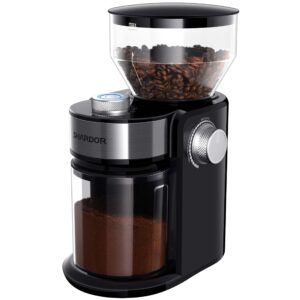
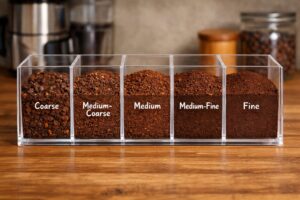
When choosing a coffee grinder, one decision matters more than brand, price, or features: burr vs blade.
While both types grind coffee beans, they do so in fundamentally different ways — and those differences directly affect flavor, consistency, and how well your coffee brewer performs.
This guide explains how burr and blade grinders work, how they compare in real-world use, and which option makes sense depending on how you brew coffee at home.
Quick Answer
If you care about flavor consistency and repeatable results, a burr grinder is the better choice.
For example:
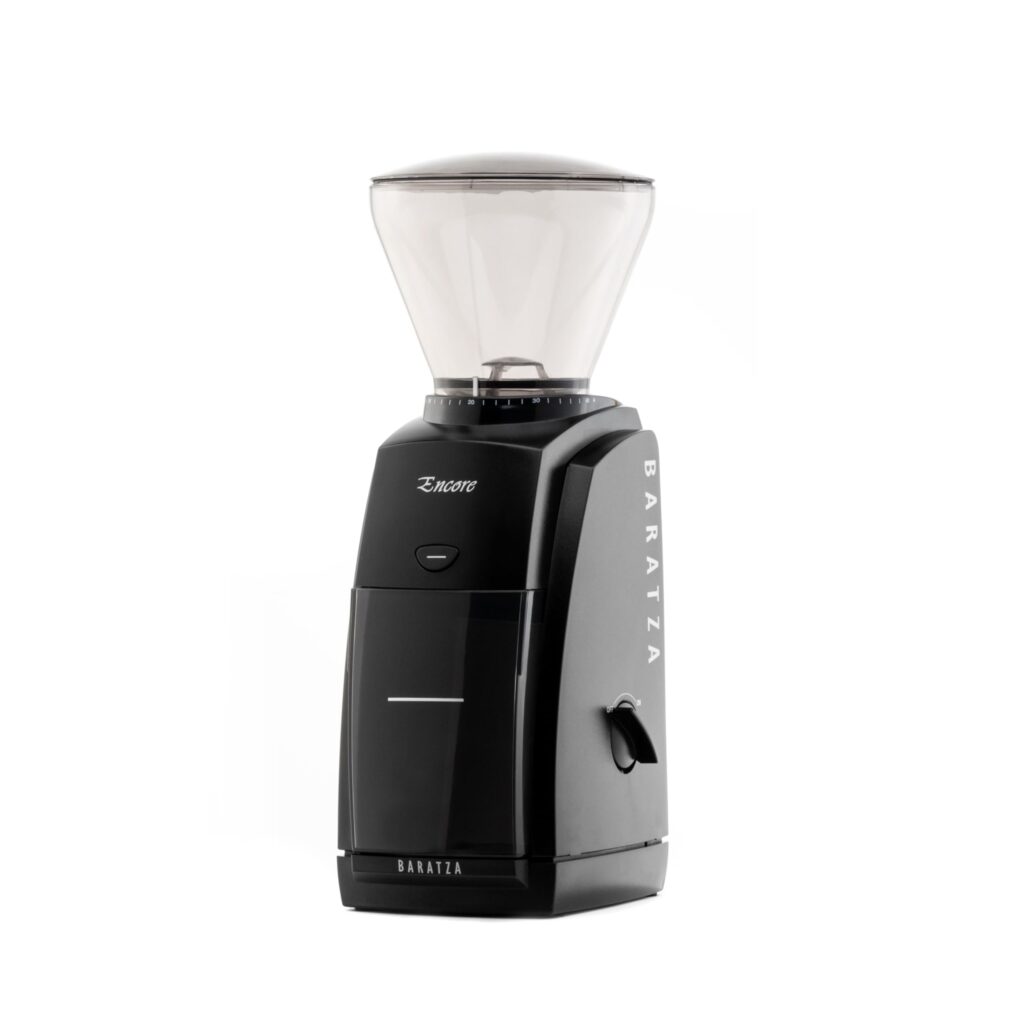
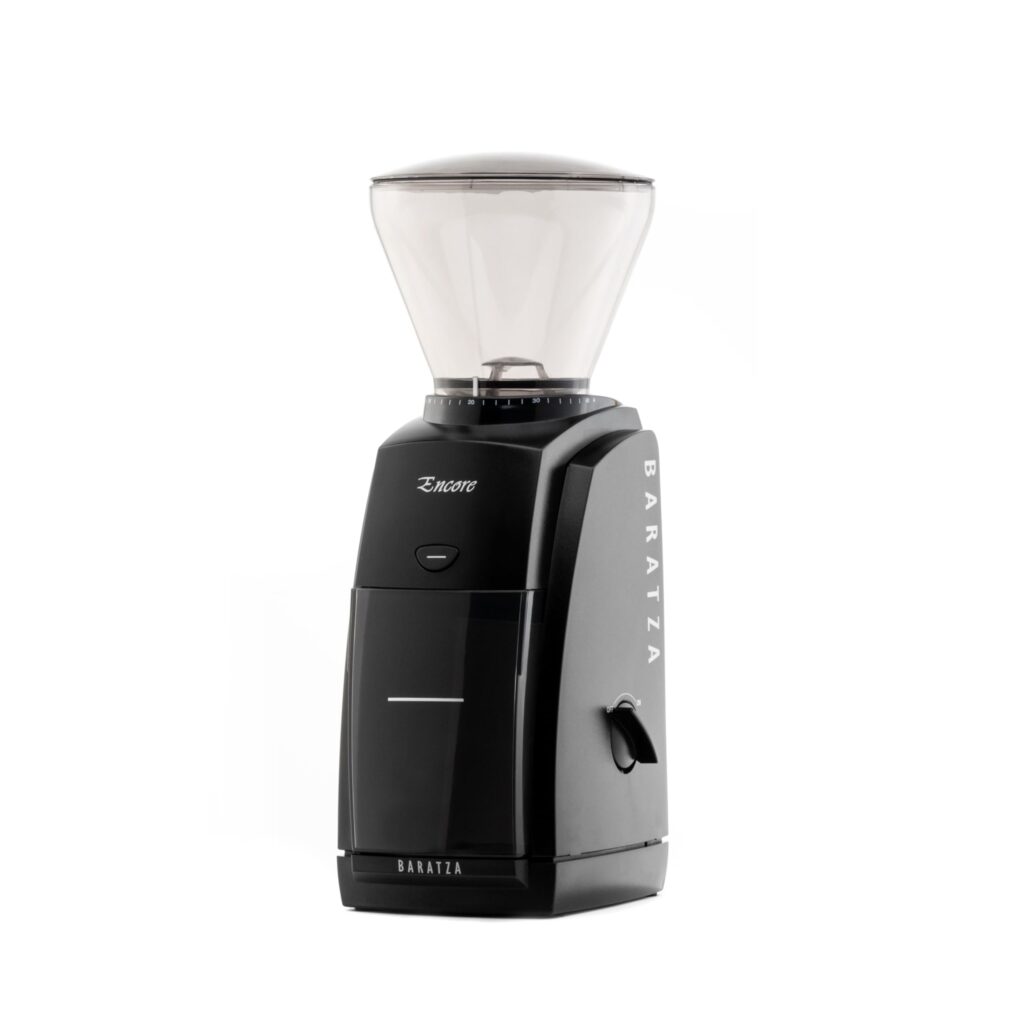
- A burr grinder like the Baratza Encore produces uniform grounds suitable for drip and pour-over brewing.
- A blade grinder like the KRUPS F203 chops beans unevenly, leading to mixed extraction.
Both grind coffee — but they don’t deliver the same results.
Why Coffee Grinder Choice Matters
Coffee extraction depends on uniform particle size.
When grounds are inconsistent:
- Fine particles over-extract and taste bitter
- Larger particles under-extract and taste sour
- The cup lacks balance and clarity
A grinder’s job is to reduce beans into particles of similar size, allowing water to extract flavors evenly.
This is where burr and blade grinders differ most.
Burr vs Blade Grinders: At-a-Glance Comparison
| Feature | Burr Grinder | Blade Grinder |
|---|---|---|
| Grinding method | Crushes beans between burrs | Chops beans with blade |
| Grind consistency | High | Low |
| Adjustability | Precise | None |
| Brew methods | Drip, pour-over, French press, espresso* | Basic drip |
| Learning curve | Moderate | Very easy |
| Typical examples | Baratza Encore, OXO Brew | KRUPS F203 |
| Best for | Most coffee drinkers | Occasional use |
*espresso requires espresso-capable burr grinders
What Is a Burr Grinder?
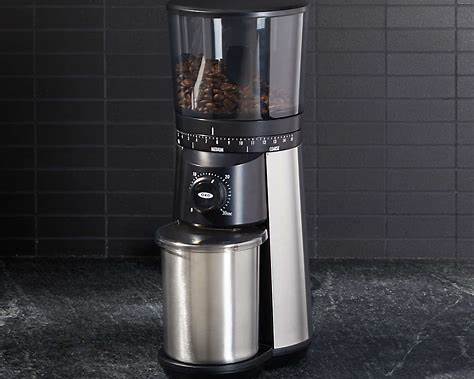
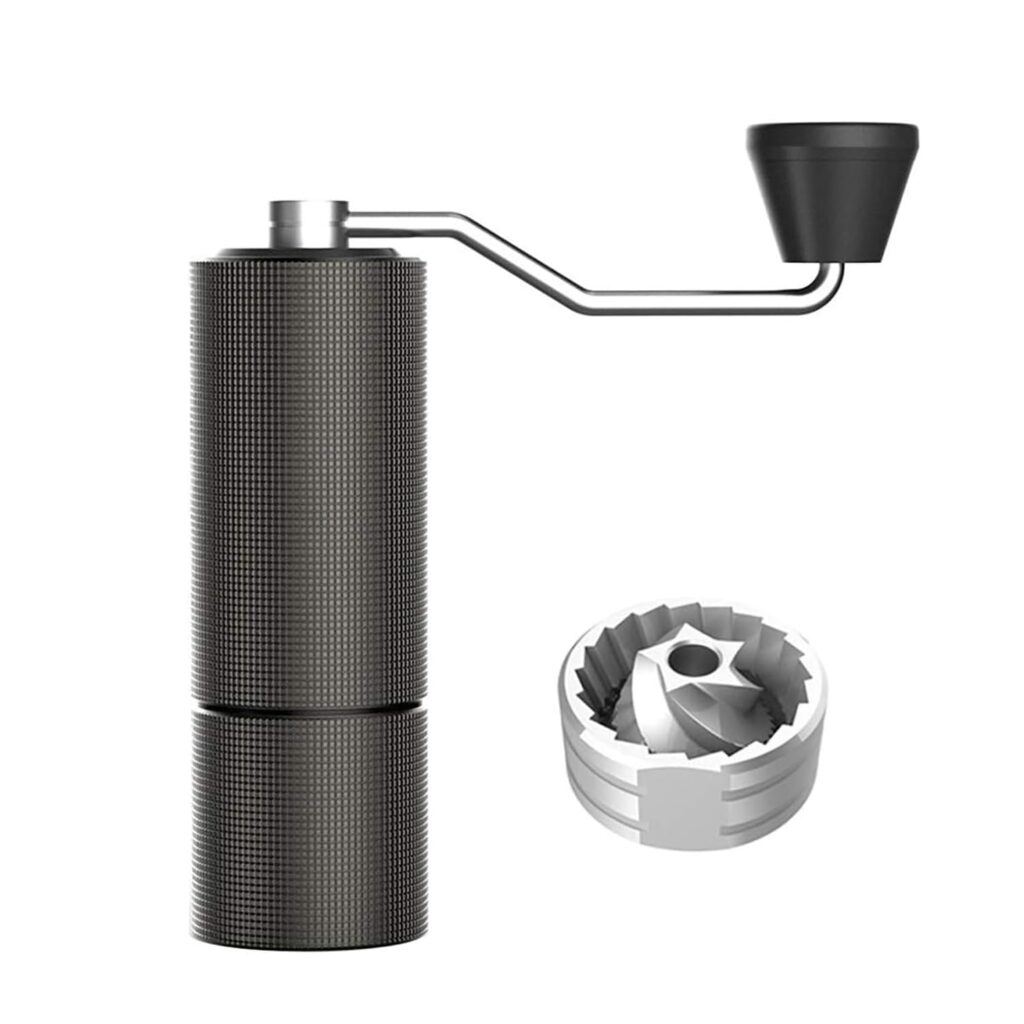
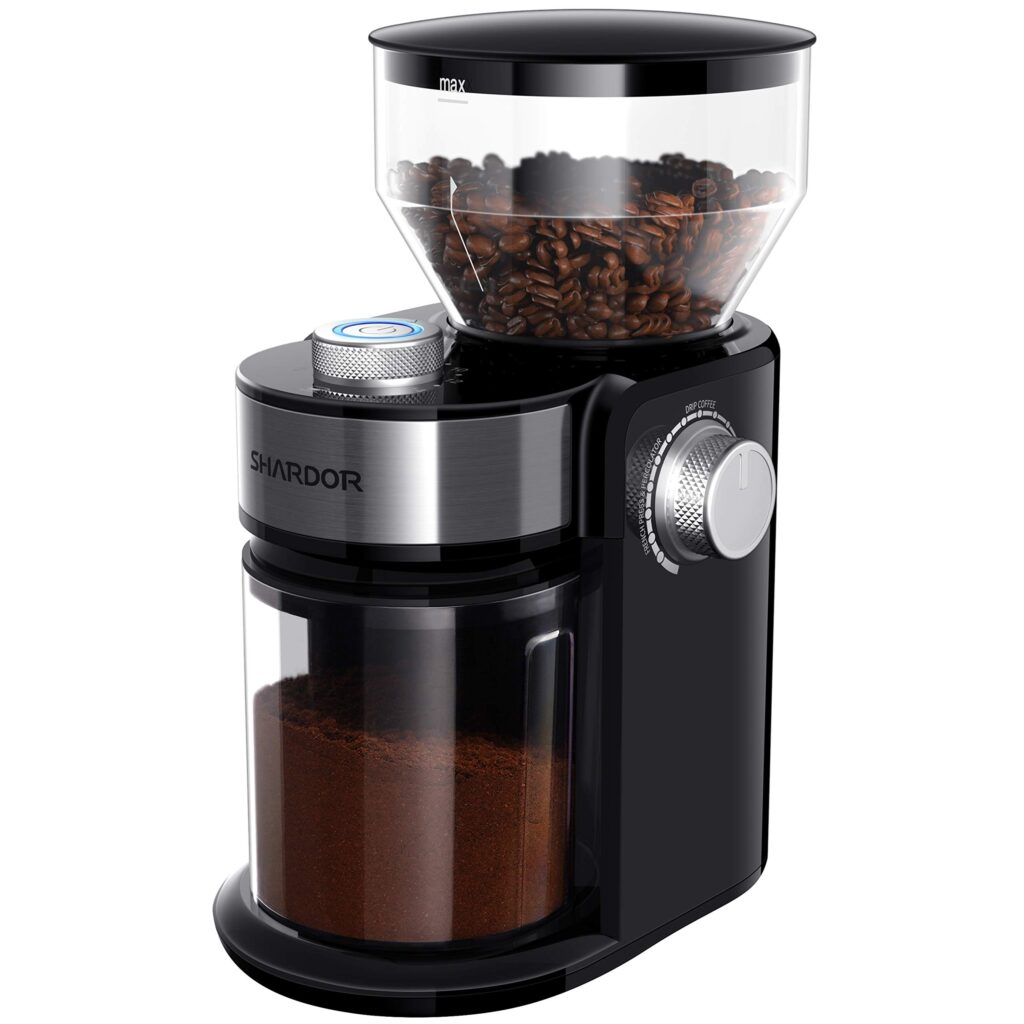
A burr grinder crushes coffee beans between two burrs set at a fixed distance. One burr rotates while the other remains stationary, producing grounds of consistent size.
Why Burr Grinders Perform Better
- Controlled grind size
- Repeatable results
- Suitable for multiple brewing methods
Common Burr Grinder Examples
- Baratza Encore – popular entry-level electric burr grinder
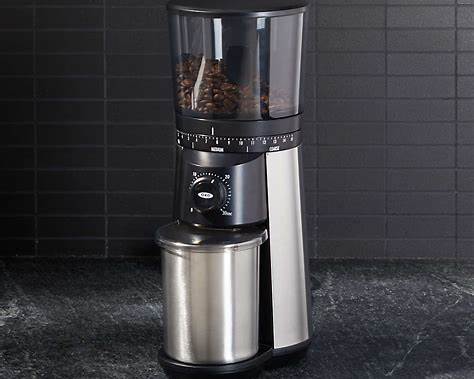
- OXO Brew Conical Burr Grinder – user-friendly with consistent results
- Timemore Chestnut C2 – manual burr grinder known for grind quality
Readers researching burr grinders often start with the Baratza Encore, which is widely available and frequently recommended for home use.
👉View the Baratza Encore on Amazon
What Is a Blade Grinder?
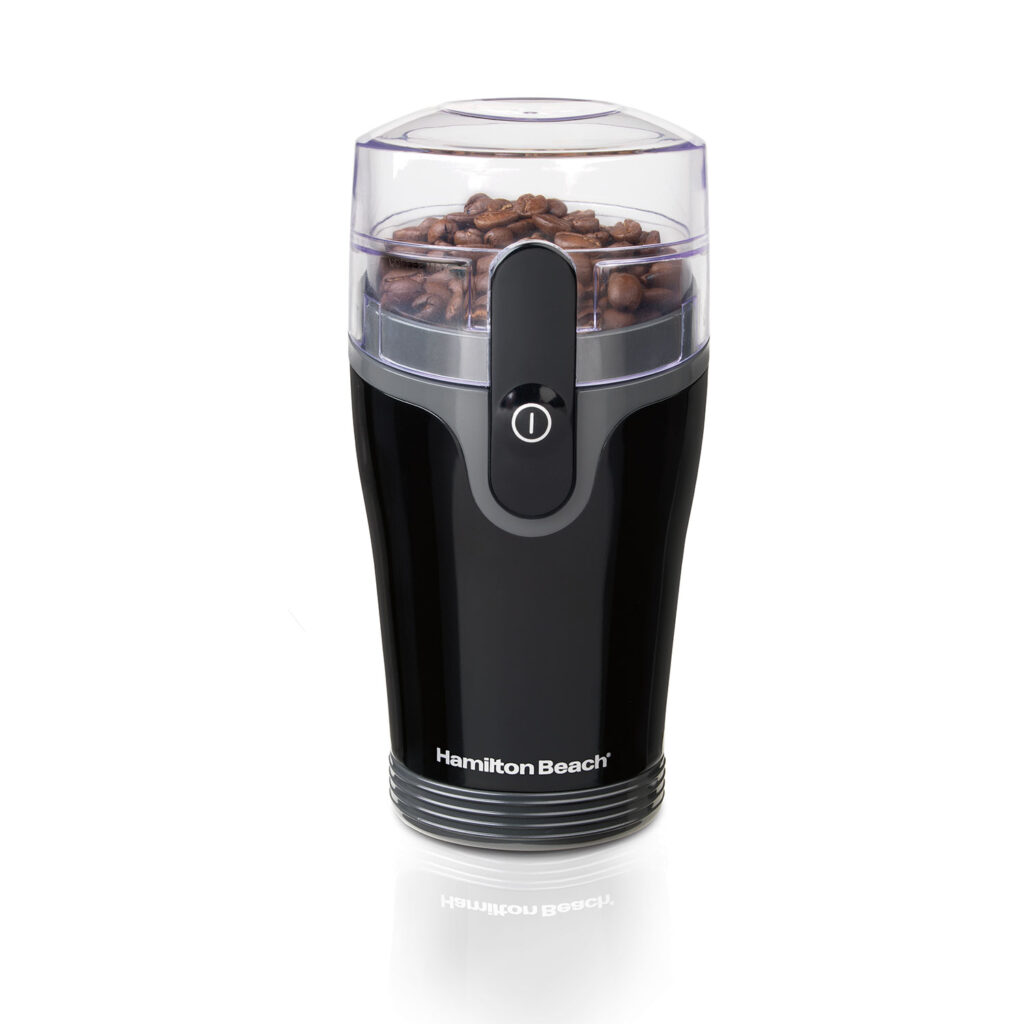
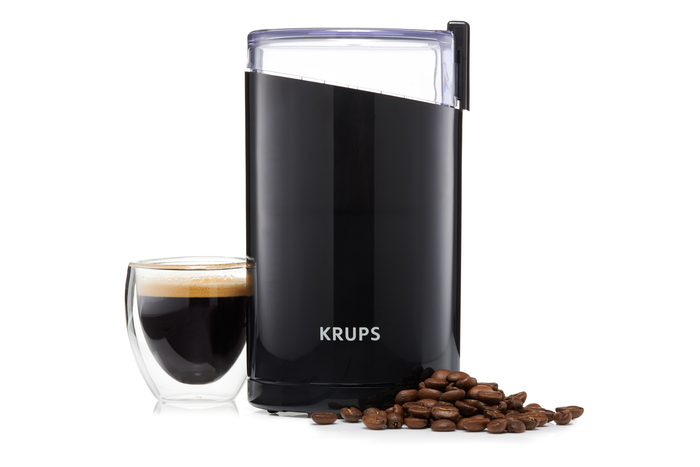
A blade grinder uses a spinning metal blade to chop coffee beans, similar to a small food processor.
Because beans bounce around the chamber, blade grinders rely on grinding time rather than mechanical precision — which leads to uneven results.
Characteristics of Blade Grinders
- Rely on grinding time rather than precision
- Produce a mix of fine powder and large chunks
- Offer no true grind size adjustment
Common Blade Grinder Examples
- KRUPS F203 Electric Coffee Grinder
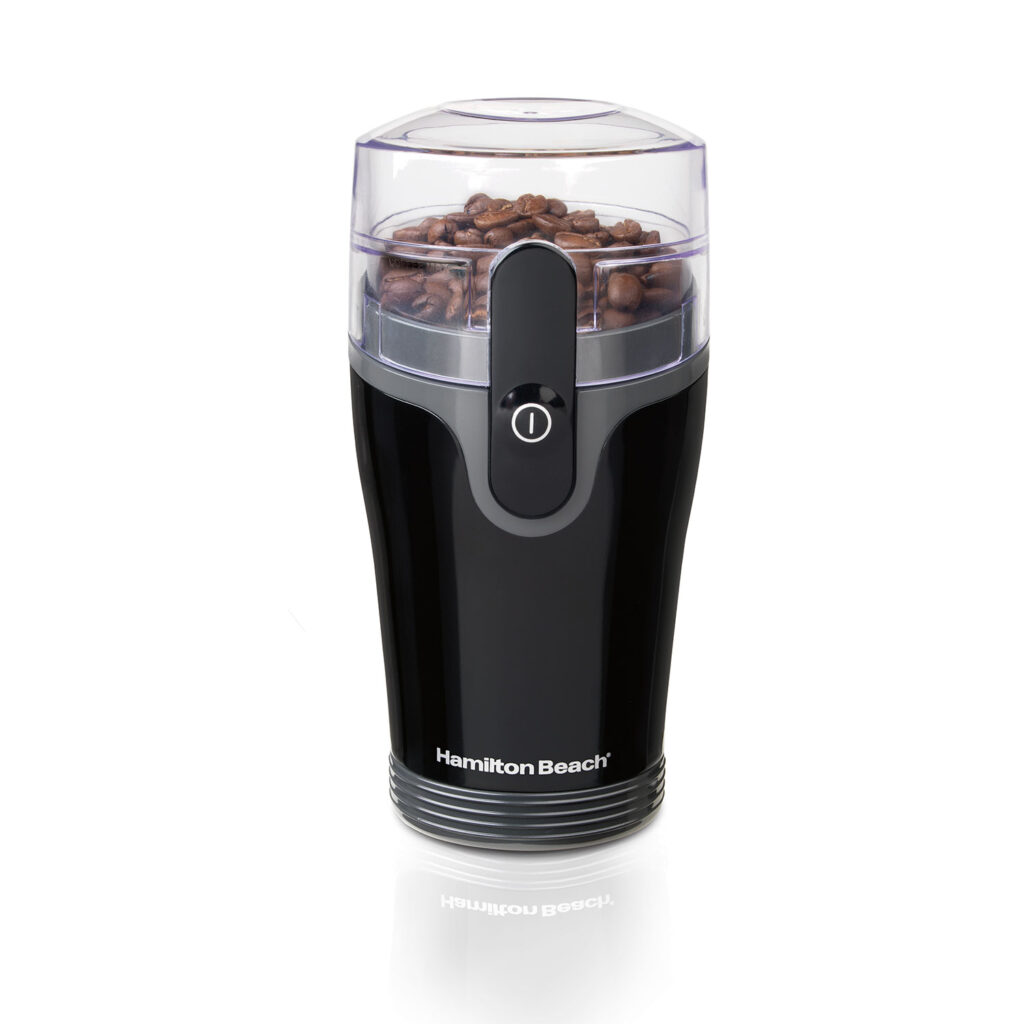
- Hamilton Beach Fresh Grind
The KRUPS F203 is a common budget option for basic drip coffee, but it has clear limitations.
👉 See details on Amazon
Why Burr Grinders Produce Better Coffee
1. Consistent Particle Size
Uniform grounds extract evenly, improving balance and clarity.
2. Brewing Method Control
Burr grinders allow you to match grind size to brewing method:
- Coarse for French press
- Medium for drip and pour-over
- Fine for espresso (with suitable models)
3. Repeatability
Once dialed in, burr grinders deliver consistent results from brew to brew.
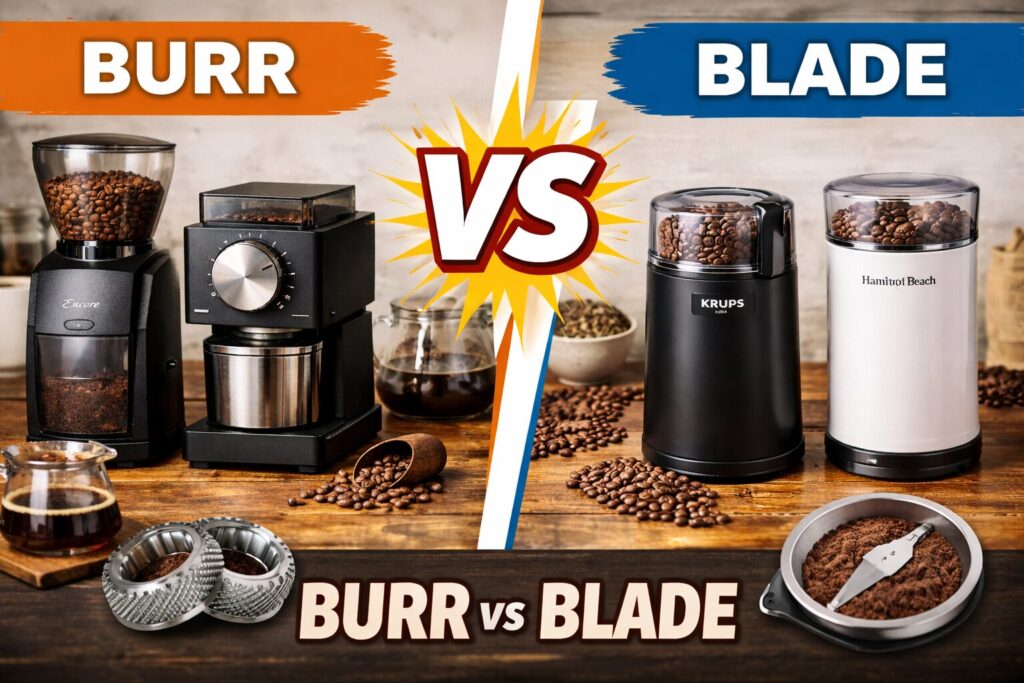
Burr vs Blade: Visual Comparison
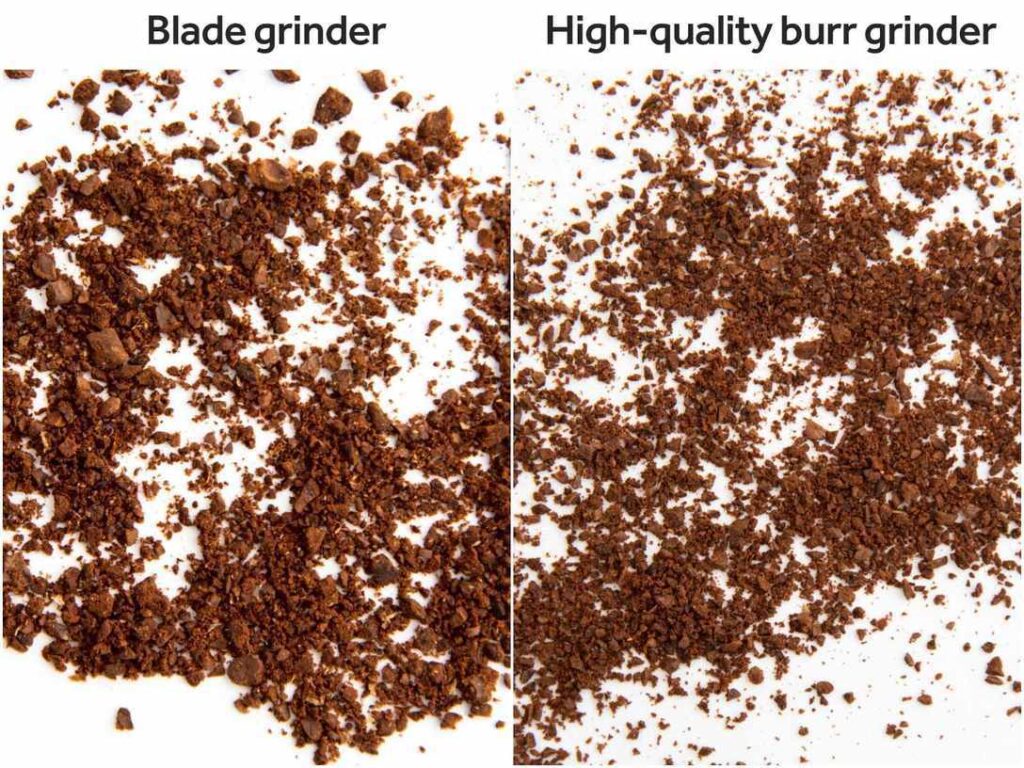
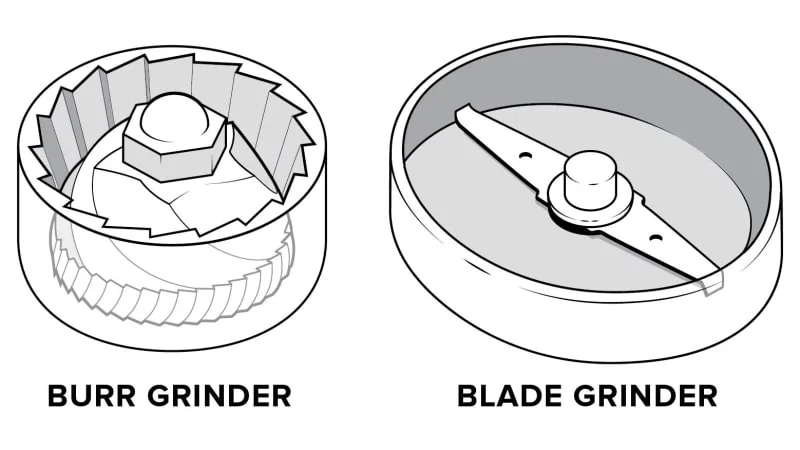
This visual difference helps explain why burr grinders are preferred for most brewing methods.
Where Blade Grinders Fall Short
Blade grinders tend to:
- Over-grind some beans while under-grinding others
- Generate heat during grinding
- Require shaking or pulsing to approximate control
They are inexpensive and compact — but they limit how far coffee quality can improve.
Example Products Compared
| Grinder | Type | Best For | |
|---|---|---|---|
| Baratza Encore | Electric Burr | Beginners, drip & pour-over | 👉 View on Amazon |
| OXO Brew Conical Burr | Electric Burr | Ease of use, consistency | 👉 Check availability on Amazon |
| Timemore Chestnut C2 | Manual Burr | Travel, value | 👉 See details on Amazon |
| KRUPS F203 | Blade | Basic drip, budget | 👉 View on Amazon |
Disclosure: Coffee Gear Hub may earn a commission from qualifying purchases at no additional cost to you.
Burr Grinders and Espresso
Espresso requires:
- Very fine grinding
- Small adjustment increments
- High consistency
Not all burr grinders are espresso-capable. Models designed for espresso, such as the Baratza Sette 270 or Breville Smart Grinder Pro, are built for this level of precision.
Blade grinders are not suitable for espresso brewing.
Manual vs Electric Burr Grinders
| Feature | Manual Burr Grinder | Electric Burr Grinder |
|---|---|---|
| Grind quality | Excellent | Excellent |
| Speed | Slower | Faster |
| Noise | Very low | Moderate |
| Cost | Lower | Higher |
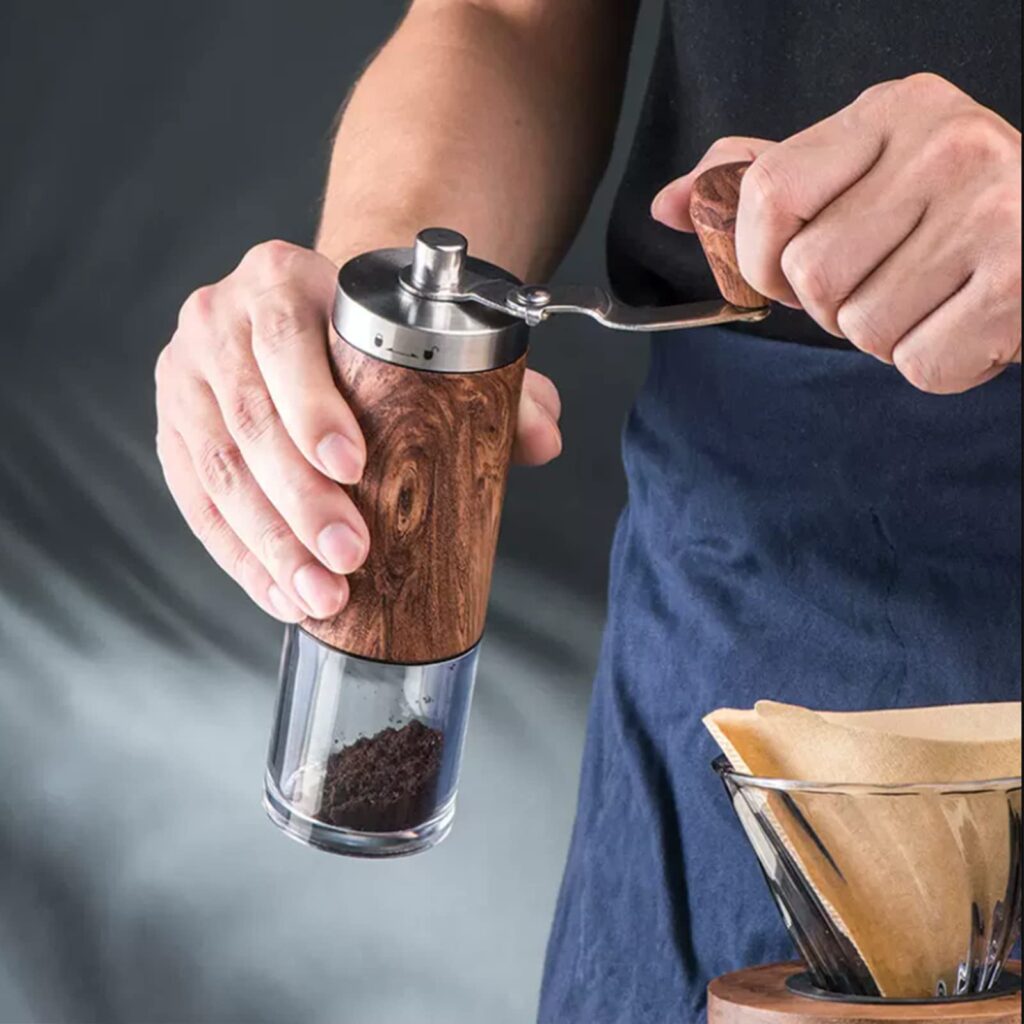
| Best examples | Timemore C2, 1Zpresso JX | Baratza Encore |
Manual grinders offer excellent value if you don’t mind the effort. Electric grinders prioritize convenience.
When a Blade Grinder Might Be Acceptable
A blade grinder may be sufficient if:
- You brew basic drip coffee
- You grind infrequently
- Budget is extremely limited
For example, the KRUPS F203 can work as a temporary solution — but most users upgrade once they notice the limitations.
Common Grinder Buying Mistakes
- Buying a blade grinder for espresso
- Choosing based on motor wattage alone
- Ignoring grind adjustment quality
- Overspending on unnecessary features
Understanding grinder type matters more than brand name.
Which Grinder Should You Choose?
Choose a Burr Grinder If:
- You brew pour-over, French press, or espresso
- You want consistent results
- You plan to improve your setup over time
Choose a Blade Grinder If:
- You brew basic drip coffee
- You prioritize simplicity over precision
- You understand the trade-offs
For most home coffee drinkers, a burr grinder like the Baratza Encore is a safer long-term choice.
👉 View the Baratza Encore on Amazon
How We Select Grinder Examples
The products referenced in this guide are chosen because they:
- Are widely available from major retailers
- Represent common grinder categories
- Are frequently considered by home users
- Clearly demonstrate real-world trade-offs
More details are available on our How We Review & Recommend page.
Final Takeaway
The difference between burr and blade grinders isn’t marketing — it’s mechanical.
If you want better-tasting coffee and more control over brewing, a burr grinder is the right tool. Blade grinders offer convenience and affordability, but they cap how far your coffee can improve.
FAQs
What is the main difference between burr and blade coffee grinders?
The main difference is how they grind coffee beans. Burr grinders crush beans between two burrs to produce uniform particles, while blade grinders chop beans unevenly using spinning blades. This difference greatly affects flavor, consistency, and brew quality.
Are burr grinders really better than blade grinders?
Yes, burr grinders are significantly better for most brewing methods because they produce consistent grind size, which leads to more even extraction and better-tasting coffee. Blade grinders are cheaper but often result in bitter or sour coffee due to uneven grinding.
Is a blade grinder good enough for beginners?
A blade grinder can work for beginners on a tight budget, especially for French press or drip coffee, but it’s not ideal. Beginners who want noticeable improvements in flavor should start with an entry-level burr grinder for more consistent results.
Can you use a blade grinder for espresso?
No, blade grinders are not suitable for espresso. Espresso requires a very fine and consistent grind, which blade grinders cannot produce. A burr grinder designed for espresso is essential for proper pressure and extraction.
Do burr grinders make better-tasting coffee?
Yes. Burr grinders improve taste by creating uniform coffee particles, which extract evenly during brewing. This results in clearer flavors, better balance, and less bitterness compared to coffee ground with a blade grinder.
Are burr grinders harder to clean than blade grinders?
Burr grinders require slightly more maintenance, but they are still easy to clean. Many models allow you to remove the burrs for cleaning. Blade grinders are simpler but often trap oils and grounds under the blade, which can affect flavor over time.
Are manual burr grinders better than electric blade grinders?
In many cases, yes. A manual burr grinder often produces better grind consistency than an electric blade grinder, even though it requires more effort. This makes manual burr grinders a popular choice for beginners and travelers.
Why are burr grinders more expensive than blade grinders?
Burr grinders cost more because they use precision burrs, stronger motors (in electric models), and better build quality. These components provide consistent grind size and durability, which directly improves coffee quality.
Which grinder should I choose for everyday coffee at home?
If you care about flavor and consistency, choose a burr grinder. Blade grinders are only recommended if budget is the primary concern and expectations are low. For most home coffee drinkers, a burr grinder is a worthwhile upgrade.
Is upgrading from a blade grinder to a burr grinder worth it?
Yes, upgrading is one of the biggest improvements you can make to your coffee setup. Most people notice better flavor, smoother cups, and more control over brewing immediately after switching to a burr grinder.