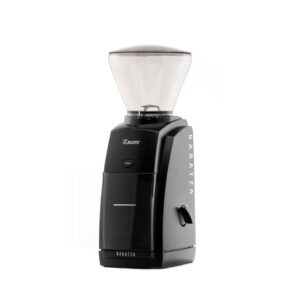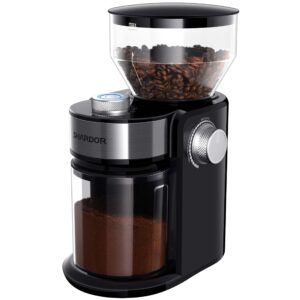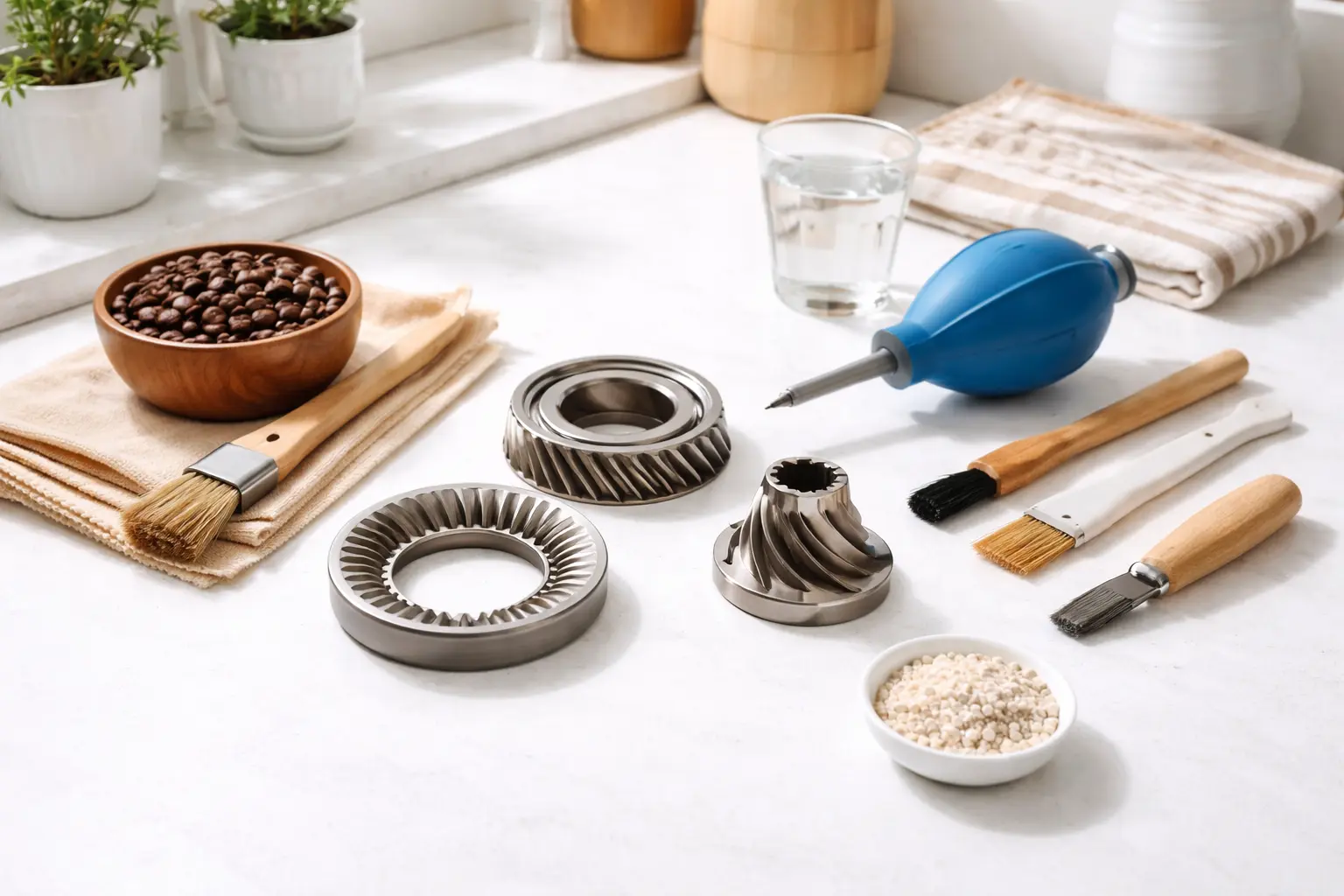
Short answer: If your coffee tastes bitter, flat, or inconsistent, your grinder may be the real problem—not your beans or brew method. Old coffee oils and retained grounds inside grinders quietly degrade flavor over time, and regular cleaning improves taste far more than most beginner upgrades.
This guide is based on real-world home brewing experience and common grinder designs used in drip, pour-over, and espresso setups.
Key takeaways (read this first):
- A dirty grinder can make fresh coffee taste stale or bitter
- Grinder retention is normal — neglect is what causes bad flavor
- Cleaning improves taste more than upgrading for most home brewers
- Manual and electric grinders both need regular maintenance
- Retention matters most for espresso and single-dosing workflows
Affiliate disclosure: CoffeeGearHub may earn a commission from qualifying purchases. This doesn’t change your price and helps support the site.
Why Grinder Cleaning Matters More Than You Think
Most home brewers assume bad coffee comes from the wrong grind size, poor pouring technique, or “not expensive enough” equipment. In reality, oxidized coffee oils and old grounds trapped inside grinders are a far more common culprit.
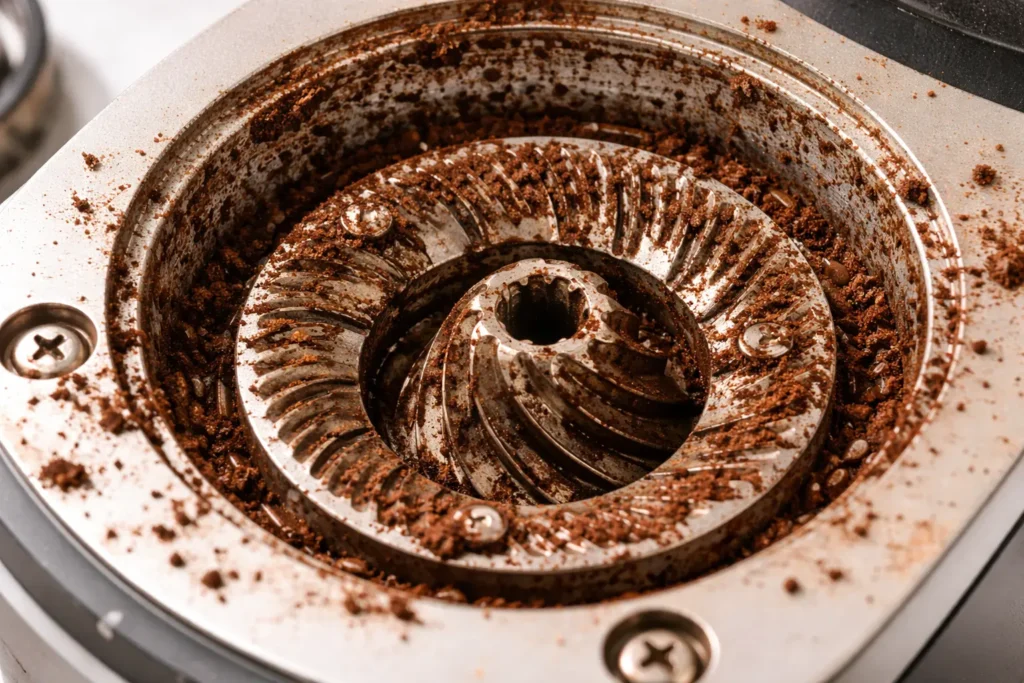
Coffee oils begin to oxidize within days. Once they coat burrs and internal surfaces, they introduce harsh bitterness, muted sweetness, and a dusty or burnt aftertaste. This happens in all grinders, regardless of price or brand.
What Is Coffee Grinder Retention?
Grinder retention refers to ground coffee that stays inside the grinder instead of exiting into your cup or portafilter.
Why retention happens
- Grounds cling to burr teeth
- Static electricity traps fine particles
- Chutes and anti-clump forks hold coffee
Retention is not a defect—it’s a byproduct of grinding coffee.
Retention vs Flavor: What Actually Matters
Retention only becomes a flavor problem when old grounds sit inside the grinder for days, fresh coffee mixes with stale residue, or the grinder is never cleaned.
- Retention + cleaning = normal
- Retention + neglect = bad coffee
For most drip, pour-over, and French press brewers, cleanliness matters far more than chasing “zero retention.”
Signs Your Grinder Needs Cleaning
If any of these sound familiar, cleaning will help immediately:
- Coffee tastes harsher than usual
- Flavor changes day to day using the same recipe
- Grinder smells oily or dusty
- Excessive static and clumping
- Grounds look more uneven than before
How Often Should You Clean a Coffee Grinder?
| Usage | Light cleaning | Deep cleaning |
|---|---|---|
| Daily brewing | Every 1–2 weeks | Every 2–3 months |
| Occasional use | Monthly | Every 3–4 months |
| Dark / oily roasts | Weekly | Every 1–2 months |
How to Clean a Coffee Grinder (Step-by-Step)
What you’ll need:
- Soft grinder brush
- Hand air blower (or compressed air)
- Dry microfiber cloth
- Optional: grinder cleaning pellets
Important: Never use water or soap on burrs.
Step 1: Empty the grinder
Run the grinder empty. Unplug electric grinders before doing anything else.
Step 2: Remove the burrs
Follow the manufacturer’s instructions. Take a quick photo so you remember burr orientation during reassembly.
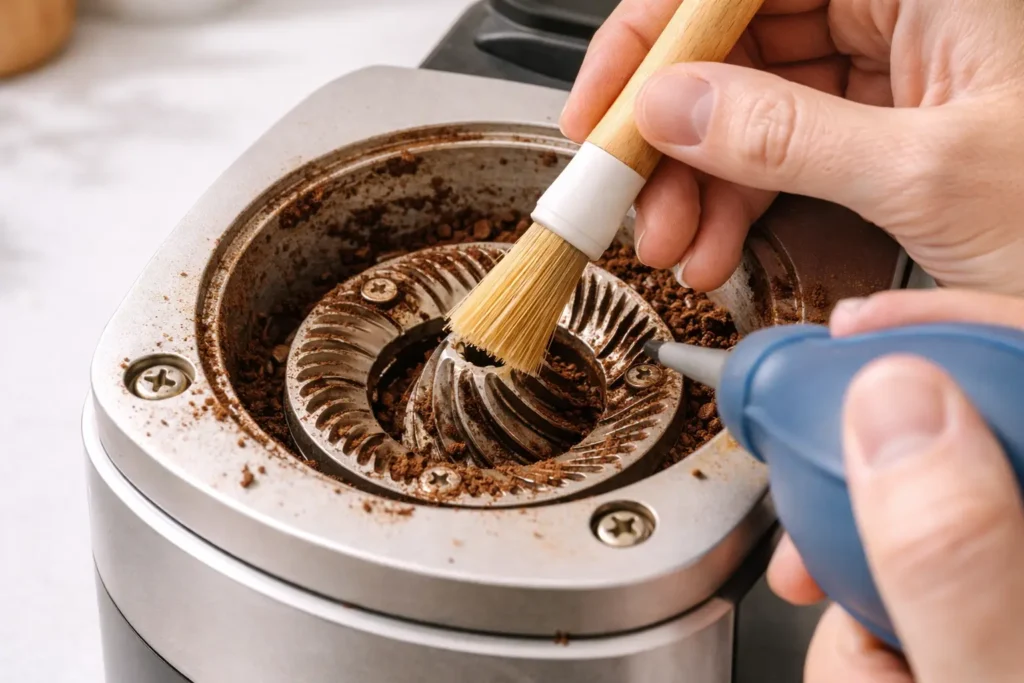
Step 3: Brush all surfaces
Brush burr teeth, the burr chamber, and any visible grounds near the exit path.
Step 4: Blow out retained fines
Use a hand blower (or short bursts of compressed air) to clear trapped fines from corners and the chute.
Step 5: Reassemble carefully
Make sure burrs seat correctly. If your grinder allows calibration, confirm your normal grind range afterward.
Recommended Tools
These simple tools make cleaning faster and more consistent. If you don’t already have them, they’re a practical “quality of life” upgrade.
Soft grinder cleaning brush
Reaches burr teeth and tight corners without damaging surfaces. Avoid metal brushes.
Hand air blower / bellows
Great for clearing retained fines from the chamber and chute—especially helpful for single-dosing.
Grinder cleaning tablets
Convenient for routine maintenance when full disassembly isn’t practical. Purge with beans afterward.
Grinder Cleaning Pellets: Helpful or Hype?
Cleaning pellets are useful if you can’t easily remove burrs or you want quick maintenance between deep cleans. They do not replace proper burr cleaning. Use them every 1–2 months and follow with a small purge of coffee beans.
How to Reduce Grinder Retention (Without Buying a New Grinder)
These simple habits reduce how much coffee stays behind—and improve consistency without overthinking it.
- Single-dose your beans: weigh what you need before grinding
- Tap the grinder: a gentle tap helps dislodge trapped grounds
- Use a blower: one or two puffs clears fines in the chute
- Clean more often: the most important fix for most people
When Retention Actually Matters
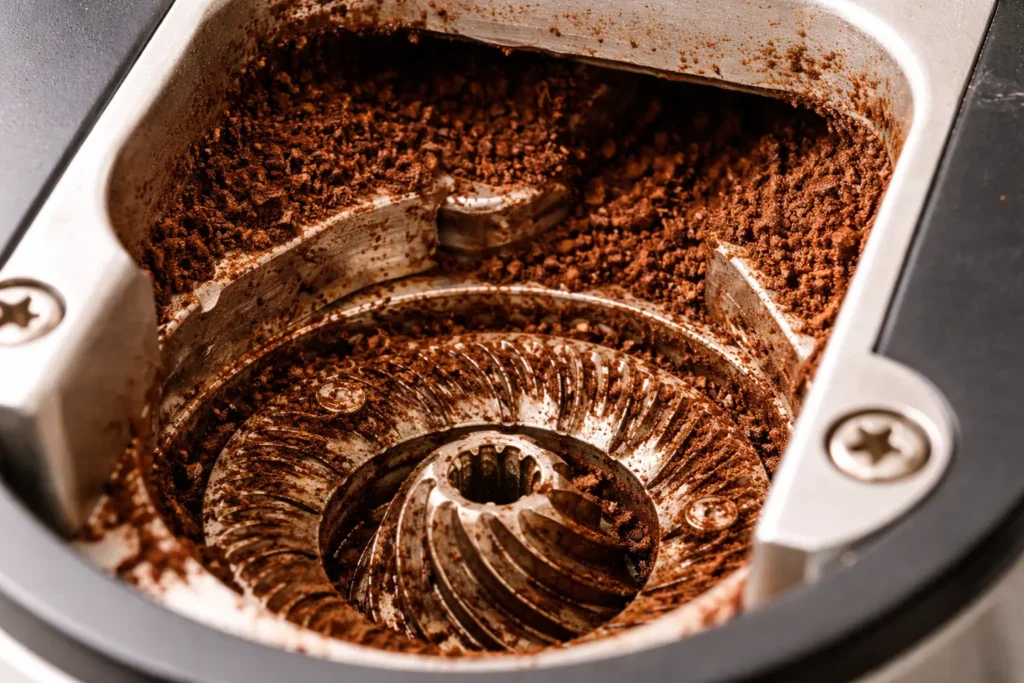
Retention becomes more important if you brew espresso daily, single-dose frequently, switch coffees often, or brew light roasts. For most pour-over, drip, and French press brewers, clean burrs matter more than retention specs.
Retention becomes more noticeable when brewing espresso, especially with light roasts or single-dosing workflows. If you’re dialing in shots daily, choosing one of the best espresso grinders can make consistency easier—but cleaning still matters just as much.
Cleaning vs Upgrading: Which Improves Taste More?
For most home brewers, cleaning your current grinder delivers an immediate improvement in taste and consistency. Upgrading can help, but it’s usually a slower, more expensive improvement.
Before you replace your grinder, do this first:
- Deep clean the grinder
- Confirm you’re using the right grind size for your method
- Check your water quality (hard water can create harsh flavors)
- Then consider an upgrade
Common Grinder Cleaning Mistakes
- Using water or soap on burrs
- Ignoring the chute/exit path where grounds collect
- Reassembling burrs incorrectly
- Never resetting grind size after deep cleaning
- Only cleaning once coffee tastes terrible
If you’re considering an upgrade, start by understanding what actually matters in a grinder. Our best coffee grinders guide breaks down which features improve flavor and which upgrades most home brewers can safely skip.
FAQs
Can a dirty coffee grinder really ruin coffee flavor?
Yes. Old coffee oils and retained grounds inside a grinder oxidize over time and can make fresh coffee taste bitter, stale, or flat. Cleaning your grinder often improves flavor immediately without changing beans or brew method.
How often should I clean my coffee grinder?
Most home brewers should lightly clean their grinder every 1–2 weeks and deep clean it every 2–3 months. If you use dark or oily roasts, more frequent cleaning helps prevent oil buildup and bitterness.
What is grinder retention and should I worry about it?
Grinder retention is the amount of ground coffee that stays inside the grinder instead of exiting. Small amounts are normal and usually harmless if you clean your grinder regularly. Retention only affects flavor when old grounds are left sitting inside the grinder.
Does grinder retention matter for pour-over or drip coffee?
For most pour-over, drip, and French press brewers, grinder cleanliness matters far more than retention. Retention becomes more important for espresso and single-dosing workflows where precision is critical.
Are grinder cleaning pellets enough on their own?
Grinder cleaning pellets are useful for routine maintenance, but they do not replace proper burr cleaning. Occasional burr removal and brushing is still necessary to fully remove built-up oils and residue.
Do manual coffee grinders need cleaning too?
Yes. Manual grinders accumulate coffee oils and fine particles just like electric grinders. Regular brushing and occasional burr removal helps keep flavors clean and grinding consistent.
Should I upgrade my grinder or clean it first?
Always clean your grinder first. For most home brewers, proper cleaning improves flavor more than upgrading. Only consider a new grinder after cleaning, dialing in grind size, and checking water quality.
Final Verdict
If your coffee still tastes off after cleaning, grind size may be the issue. Use our coffee grind size chart to match your grinder setting to your brew method before changing anything else.
A clean grinder improves flavor immediately, makes dialing in easier, reduces inconsistency, and extends burr life. Retention isn’t the enemy—neglect is. If your coffee tastes off, clean your grinder before changing anything else.