
Last Updated: March 2026 • 35–40 min read • Complete Espresso Troubleshooting: Every Problem, Diagnosed and Fixed
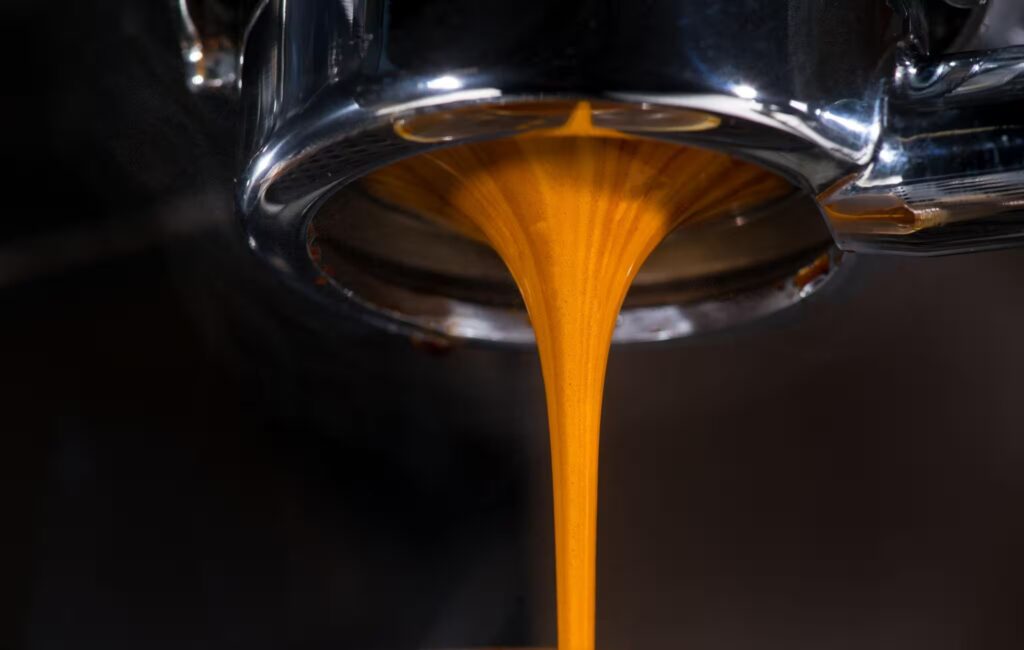
Espresso problems are not random — they follow a consistent, diagnosable pattern. If a shot tastes sour, bitter, watery, harsh, or keeps changing from pull to pull, the cause is almost always one of a small set of variables: grind size, brew ratio, puck preparation, temperature, water, or machine cleanliness. Identifying which one is causing the problem — and fixing it in the right order — is the difference between chasing your tail across fifty shots and dialling in confidently in five. This guide covers every common espresso problem with the specific cause, the correct diagnostic sequence, and the exact fix. The most important rule applies throughout: change one variable at a time, and almost always start with grind.
✍️ Editorial note: This guide is researched and written by the editors at CoffeeGearHub.com using published brewing science, SCA brewing standards, and established specialty-coffee community knowledge. All product links are affiliate links — we may earn a commission at no cost to you. Affiliate Disclosure: CoffeeGearHub.com participates in the Amazon Services LLC Associates Program. As an Amazon Associate, we earn from qualifying purchases.
🛒 New to Amazon? Try Prime free for fast, free shipping on every pick in this guide — or try Audible free if you’d rather listen while your coffee brews.
The 30-Second Answer
Most espresso problems have the same fix applied in the wrong order. Sour shots need a finer grind — not more yield, not higher temperature — grind first. Bitter shots need a coarser grind — not less yield — grind first. Shots that are simultaneously sour and bitter need better puck preparation — not any grind or ratio change. Temperature and ratio are refinements after grind is dialled. A scale and a consistent puck prep routine solve more problems than any equipment upgrade.
- Sour / fast: grind finer — this is the fix in 90% of under-extraction cases
- Bitter / slow: grind coarser — before changing yield or temperature
- Sour AND bitter together: fix puck prep — channeling, not a recipe problem
- Inconsistent shot-to-shot: weigh every dose; purge grinder before first shot
- Flat, hollow, no sweetness: check bean freshness — no technique fixes stale coffee
Jump to Your Problem
☕ Shot tastes sour
Under-extraction fix — the most common espresso problem and the fastest to resolve.
☕ Shot tastes bitter
Over-extraction fix — grind coarser first; temperature and ratio second.
🔧 Sour + bitter together
Channeling fix — a puck prep problem, not a recipe problem.
🔬 Shot is inconsistent
Inconsistency fix — dose, grinder retention, and puck prep are the usual causes.
Table of Contents
Extraction Science: Why Espresso Shots Go Wrong
Espresso extraction follows a fixed sequence. As water passes through the coffee puck at 9 bar of pressure, it dissolves different compound categories in a predictable order — and the timing of that extraction determines whether the shot tastes balanced, under-extracted, or over-extracted.
| Extraction phase | Compounds extracted | What it contributes | What it tastes like when dominant |
|---|---|---|---|
| Early (0–18% yield) | Acids, salts, lighter volatiles | Brightness, initial aroma, structure | Sharp sourness, lemon/vinegar, thin body — under-extraction |
| Middle (18–22% yield) | Sugars, Maillard compounds, body-producing solids | Sweetness, body, complexity, crema stability | Balanced — sweet, viscous, structured. This is the target zone. |
| Late (22%+ yield) | Bitter phenols, astringent tannins | Bitterness, drying mouthfeel, harshness | Dry, ashy, harsh — over-extraction |
The goal of every espresso dial-in is to land consistently in the middle extraction zone. Grind size controls the flow rate which determines where you land on this timeline. Too coarse and water passes through before reaching the middle zone. Too fine and water stalls through the middle zone into the late zone. Every other variable — temperature, ratio, yield — makes fine adjustments within the position that grind has already set.
🔬 Why “adjust grind first” is not a guideline — it is the mechanism. Grind directly controls puck resistance. Puck resistance directly controls water flow rate. Water flow rate directly determines where on the extraction timeline the shot ends. Every other variable operates within the position grind has already created. Adjusting yield or temperature before grind is dialled is adjusting the finishing touches before the foundation is set — it produces confusing, unreadable results.
Baseline Parameters: Eliminate 80% of Variables First
Before troubleshooting any specific problem, establish a fixed baseline. Troubleshooting without a locked baseline means you are changing too many variables simultaneously and cannot identify cause and effect. Set these parameters and hold them fixed until grind is dialled in.
| Parameter | Starting value | Why this number | When to change it |
|---|---|---|---|
| Dose | 18g (standard double) | Fills a 58mm double basket to correct headspace; enough coffee for a 1:2 yield at proper extraction | Only after grind and temperature are dialled — dose is a strength adjustment, not an extraction fix |
| Yield (target) | 36g (1:2 ratio) | The specialty coffee standard for a balanced double espresso | Extend to 38–40g if sour after grind adjustment; reduce to 32–34g if bitter after grind adjustment |
| Shot time | 25–30 seconds | The time range for correct extraction at 1:2 with a well-prepared puck — a diagnostic signal, not a target to hit by stopping the pump | Not adjusted directly — flows from grind adjustment |
| Temperature | 91°C (medium roast) | SCA-aligned starting point for medium roast espresso; light roasts need 93–96°C; dark roasts 88–91°C | After grind is in timing window — raise 1°C for sourness in window; lower 1°C for bitterness in window |
| Pump pressure | 9 bar | Industry standard; not adjustable on most home machines | Not adjustable on most home machines; some prosumer machines allow pressure profiling |
⚠️ Shot time is a consequence, not a target. Stop the pump when your scale reads 36g — not when the timer hits 30 seconds. A fast-flowing shot that reaches 36g in 18 seconds is under-extracted regardless of when you stop it. The weight tells you the ratio; the time tells you how fast the extraction happened. Both signals matter; weight is the primary one.
Quick Diagnosis Matrix: Symptom → Cause → Fix
Identify your symptom in the first column. Read the most likely cause and the first fix to try. Apply one fix per shot. Do not move to a secondary fix until you have confirmed the first one did not resolve the problem.
| What you notice | What it usually means | Most likely cause | First fix |
|---|---|---|---|
| Sharp sour / lemon, thin body, shot finishes under 20 seconds | Under-extraction | Grind too coarse; puck resistance too low | Grind 2 steps finer; keep dose and yield the same |
| Ashy bitter, dry mouthfeel, shot stalls or runs over 40 seconds | Over-extraction | Grind too fine; puck resistance too high | Grind 2 steps coarser; keep dose and yield the same |
| Sour AND bitter together; streams uneven or spraying | Channeling | Uneven puck prep — clumps, tilted tamp, uneven distribution | WDT before tamping + level tamp; do not change grind until channeling is resolved |
| Watery, weak, pale crema, bland taste | Under-extraction + low strength | Under-dose; or grind too coarse at correct dose | Confirm dose is 18g; then grind finer |
| Shot runs fast even at the finest grinder setting | Grinder cannot reach espresso-fine; or severe channeling | Grinder not espresso-capable; or non-pressurised basket with insufficient grinder | Check portafilter type; confirm dose; improve puck prep; consider grinder upgrade |
| Shot times vary significantly pull to pull at same setting | Grinder retention / stale grounds contaminating dose | Old retained grounds in chute changing effective grind each pull | Purge 2–3g before each session; weigh every dose; confirm grind setting is unchanged |
| Good shot time but sour — in timing window | Temperature too low for roast; or beans too fresh | Light roast at entry machine temp; or beans under 7 days post-roast | Raise temperature 1°C; rest beans to 7–10 days off roast; extend yield to 38–40g |
| Good shot time but bitter — in timing window | Temperature too high; or stale beans; or dark roast at standard parameters | Machine running hot; or 40+ day beans | Lower temperature 1°C; check roast date; for dark roast target 88–91°C and 22–26 second range |
| Pale, thin crema that disappears in seconds | Stale beans or grind too coarse | CO2 depleted from old beans; or under-extraction | Check roast date — use beans 7–21 days post-roast; if fresh, grind finer |
| Very dark, almost black crema with bitter taste | Over-extraction | Grind too fine; or temperature too high | Grind coarser; if in timing window, lower temperature 1°C |
| Shot quality has declined over weeks at same settings | Machine scale buildup reducing temperature; or grinder burr wear | Scale on heating element; rancid oil on burrs | Descale machine; clean grinder burrs; re-dial after cleaning |
Variable Hierarchy: What to Adjust and When
The most common espresso troubleshooting mistake is changing the wrong variable for the symptom. This matrix matches each symptom to the correct variable to change — and specifies what not to change, which is as important as what to change.
| If your shot is… | Change this first | Then consider | Do not change |
|---|---|---|---|
| Too fast (under 20s) and sour | Grind finer — 2 steps | Extend yield to 38g if still slightly sour after grind adjustment | Do not raise temperature or increase dose until grind is in window |
| Too slow (over 40s) and bitter | Grind coarser — 2 steps | Reduce yield to 32–34g if bitter persists in window | Do not lower temperature until grind is in window |
| Sour AND bitter — any timing | Puck preparation — WDT + level tamp | Then grind finer after channeling is fixed; then ratio | Do not change grind until channeling is ruled out |
| In timing window but sour | Raise temperature 1°C | Extend yield to 38g; confirm beans are 7+ days off roast | Do not change grind — you are already in timing window |
| In timing window but bitter | Lower temperature 1°C | Reduce yield to 32g; check roast date | Do not change grind — you are already in timing window |
| Correct timing and taste but too weak/intense | Adjust dose ±0.5g or yield ±3g | Minor grind tweak to compensate for puck resistance change | Do not change grind to fix strength — grind fixes extraction quality, not strength |
Sour Espresso: Under-Extraction — The Complete Fix
Sour espresso is the most common problem for home baristas — particularly with light to medium roasts on entry machines. Most of the time, the cause is straightforward: the shot is not extracting far enough into the sweetness phase before the water has passed through the puck. The fix is almost always a finer grind.
How under-extracted shots taste and look
- Sharp lemon or vinegar sourness — not pleasant fruit acidity but aggressive sharpness
- Thin, watery body with no viscosity
- Salty or metallic edge
- Short, hollow finish that disappears immediately
- Pale, blond crema that collapses quickly
- Shot reaches 36g yield in under 20 seconds
Step-by-step fix — in the correct order
- Grind finer in 1–2 step increments. Keep dose (18g) and yield target (36g) exactly the same. Pull the next shot at the new grind setting. Record the time. If it improved but is still fast, grind one more step finer and repeat.
- Once in the 25–30 second window: taste again. If sourness persists despite correct timing, raise brew temperature by 1°C and re-pull at the same grind setting.
- If still slightly sour in timing window: extend yield to 38–40g (1:2.2–1:2.3 ratio), keeping grind and dose the same. More yield extracts slightly more of the sweetness phase.
- Check bean freshness: beans under 7 days off-roast retain high CO2 that creates resistance inconsistency and gassy, sharp flavours. Rest beans to 7–10 days before pulling dial-in shots.
- If using a light roast: light roasts require higher temperature (93–96°C) and often benefit from a longer ratio (1:2.5 to 1:3) to fully extract their sweetness phase. Most entry machines cannot reliably reach 93°C — this is a machine limitation, not a recipe problem.
✅ The one-sentence fix for sour espresso: grind one step finer, keep everything else exactly the same, pull the next shot. Repeat until the shot runs 25–30 seconds. Taste at that point. That is the correct sequence. Yield and temperature adjustments come after — never before — grind is in the timing window.
Bitter Espresso: Over-Extraction — The Complete Fix
Some bitterness in espresso is normal and desirable — a controlled bitterness in the background is part of what makes espresso taste like espresso rather than coffee. The problem is when bitterness becomes dry, harsh, or ashy and overwhelms every other flavour. This is over-extraction — the shot has pushed past the sweetness phase into the harsh bitter compound zone.
How over-extracted shots taste and look
- Aggressive, mouth-drying bitterness — puckering the back of the palate
- Ashy, burnt, or hollow character with no sweetness
- Slow, labouring flow — or complete choking of the machine
- Shot takes over 40 seconds to reach 36g yield
- Very dark, almost black crema that lingers heavily
Step-by-step fix — in the correct order
- Grind coarser 1–2 steps. Keep dose and yield the same. Pull and record. If the shot is still slow, grind one more step coarser and repeat.
- If the machine choked: grind 4–5 steps coarser immediately. Do not force repeated choked shots through the machine — this strains the pump and gives no useful diagnostic data.
- Once in the 25–30 second window: taste. If bitterness persists despite correct timing, lower brew temperature by 1°C and re-pull at the same grind setting.
- If still slightly bitter in timing window: reduce yield to 32–34g (1:1.8–1:1.9 ratio). A slightly shorter yield stops extraction before the bitter phase becomes dominant.
- Check cleanliness: rancid coffee oil on group head, shower screen, and portafilter basket creates a background bitterness that persists regardless of grind or temperature. Clean all components before concluding a recipe problem is the cause.
Channeling: Why Your Shot Tastes Sour and Bitter at Once
Channeling is the most frequently misdiagnosed espresso problem — and the one most often “fixed” by changing grind or recipe when the real cause is puck preparation. When a shot tastes simultaneously sour and bitter, the instinct is to assume you are somehow both under- and over-extracting through the same recipe — which is impossible. What is actually happening is that water has found channels through the puck and is over-extracting through those paths (producing bitterness) while bypassing most of the puck entirely (producing sourness from under-extraction in the remainder).
Signs of channeling
- Shot tastes sour and bitter simultaneously — the diagnostic signature
- Spraying, jets, or asymmetric streams visible from a bottomless portafilter
- Early blonding (shot turns pale yellow) before the target yield is reached
- Shot runs fast despite what feels like a fine grind setting
- Two consecutive shots at the same setting taste completely different
Fix channeling before changing any recipe variable
- Use WDT — stir the grounds with thin wire needles after grinding into the basket (or dosing cup). This breaks up clumps and homogenises ground density across the basket surface, eliminating the dense/sparse zones that create channels when water pressure is applied.
- Distribute before tamping — after WDT, tap the portafilter lightly on a flat surface and use a finger sweep to level the surface before tamping. The goal is a uniform bed depth across the entire basket.
- Tamp level — place the portafilter on a flat surface, keep your wrist straight and elbow at 90°, and apply pressure straight down. A tilted tamp creates a thick side and a thin side in the puck; water finds the thin side every time. Calibrate your pressure once on a scale — target 15–20kg.
- Keep the basket and shower screen clean — dried grounds residue on the shower screen creates uneven pre-wetting of the puck surface that initiates channels before extraction even begins.
Disclosure: CoffeeGearHub may earn a commission on qualifying purchases through affiliate links on this page, at no cost to you. Our recommendations are editorially independent.
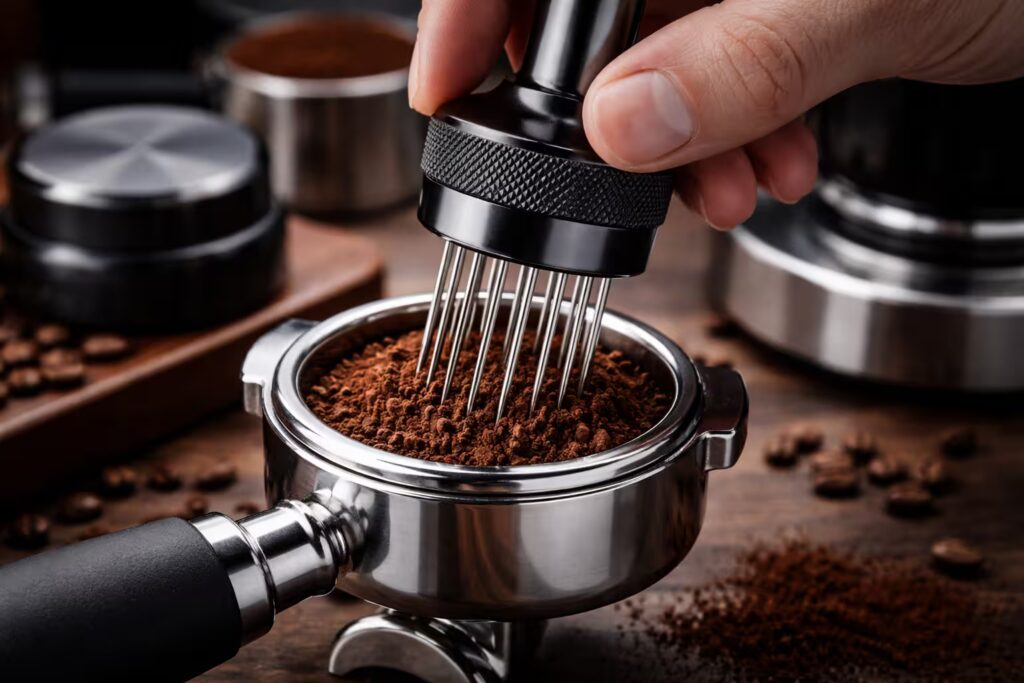
Best Channeling Fix: WDT Distribution Tool
A WDT (Weiss Distribution Technique) tool is the single highest-value accessory for improving espresso consistency at home — and one of the lowest-cost. It takes 15 seconds to use, eliminates the clumping that causes most channeling events, and produces more consistent shot-to-shot results than any recipe adjustment. For any home barista experiencing channeling symptoms — simultaneous sourness and bitterness, inconsistent timing, or uneven streams — this is the first purchase to make before any other upgrade.
- What it fixes: clumps that create dense/sparse zones → channeling → simultaneous sour and bitter shots
- How to use: stir grounds in the basket with thin wire needles in circular motion before tamping — 10–15 seconds per dose
- Impact: highest consistency upgrade per dollar in espresso accessories
Disclosure: CoffeeGearHub may earn from qualifying purchases.
Inconsistent Shots: Why Every Pull Tastes Different
Shot-to-shot inconsistency — where two pulls at the same grind setting and dose produce dramatically different timing and taste — is one of the most frustrating espresso problems because it makes dial-in feel impossible. If you cannot produce a consistent result from the same inputs, you cannot tell whether a change improved or worsened the shot. Inconsistency almost always has one of four causes, each with a specific fix.
| Inconsistency cause | How to identify it | Fix |
|---|---|---|
| Dose weight varying between shots | You are using a volume scoop or timer-only dosing without weighing each dose individually | Weigh every single dose on a scale accurate to 0.1g. A 1g variation at 18g changes shot timing by 3–5 seconds — enough to make two shots look like completely different grind settings. |
| Grinder retention contaminating each dose | First shot of the day tastes different from the second; first shot after a grind setting change still tastes like the old setting | Purge 2–3g of beans at the start of each session before grinding your dose. Retained stale grounds from the previous session mix with the fresh dose and change the effective grind every pull. |
| Inconsistent puck preparation | Shots are timed differently but dose weight is consistent | Standardise your preparation exactly — same number of WDT rotations, same tamp pressure, same level check every time. Inconsistent prep produces inconsistent puck resistance even with a perfect grind setting. |
| Machine not fully warmed up | First shot of the day is always different from subsequent shots | Allow at least 20 minutes warm-up time before pulling dial-in shots. Cold group heads act as a heat sink and drop brew temperature by several degrees on the first pull. Run a blank flush shot before the first coffee shot each session. |
Roast-Level Specific Problems
Different roast levels have different densities, solubilities, and compound profiles — meaning a recipe that produces a balanced medium roast shot produces an under-extracted light roast and an over-extracted dark roast from the same machine and grinder. Use this reference when switching roast levels.
| Roast level | Most common problem | Reason | Specific fix |
|---|---|---|---|
| Light roast ☀️ | Persistently sour despite finer grind | Light roasts are dense and less soluble — they need more thermal energy to extract the sweetness phase. Most entry machines cannot reach the 93–96°C required. | Raise temperature to maximum machine capability; target 1:2.5–1:3 ratio (longer yield); grind significantly finer than medium roast equivalent; extend pre-infusion if available |
| Medium roast 🌤 | Usually the most forgiving — sourness or bitterness from standard dial-in causes | Balanced solubility — standard parameters apply | Follow the standard sour or bitter fix sequences above; start at 91°C |
| Medium-dark roast | Tips into bitterness easily | More soluble than medium — extracts bitter compounds faster | Target 89–91°C; use slightly coarser grind than medium equivalent; consider 1:1.8–1:2 ratio |
| Dark roast 🌑 | Harsh bitterness and/or hollow flat shots | Highly porous and soluble; bitter compounds extract very rapidly; many dark roasts are designed to mask sourness with bitterness | Target 88–90°C; grind coarser than standard; use 1:1.5–1:1.8 ratio; if still harsh: the beans may simply be too dark for balanced espresso extraction |
| Very fresh beans (under 7 days) | Gassy, sharp, hard to extract evenly | High CO2 retention creates resistance inconsistency — water finds different paths each pull | Rest beans to at least 7 days post-roast before dial-in; medium and dark roasts can be used at 5–7 days; light roasts often need 10–14 days |
| Old beans (40+ days post-roast) | Flat, hollow, no sweetness or aroma despite correct parameters | Aromatic volatiles depleted; staling has progressed beyond the point where any extraction technique recovers flavour | Buy fresh roast-dated beans; no recipe or technique adjustment recovers flavour from stale beans |
Hidden Variables: Water Quality and Machine Cleanliness
If your espresso never tastes right — even when shot time, ratio, and grind are all calibrated — the cause is almost always water quality or machine cleanliness. These two variables operate invisibly and can undermine every other adjustment you make.
Water Quality
Water is 98% of espresso. Water chemistry affects both the extraction process and your perception of the finished cup.
- Too soft (under 50ppm TDS): tastes flat and lifeless; under-extracts despite correct parameters; no mineral ions to facilitate extraction
- Too hard (over 200ppm TDS): emphasises harshness and bitterness; deposits scale on heating element reducing temperature over time
- High chlorine: off-flavour that masks espresso sweetness and produces a chemical edge in the cup
- Fix: use filtered tap water (Brita or similar) as a baseline — removes chlorine and reduces scale-forming minerals while retaining extraction-facilitating mineral content
Machine Cleanliness
Rancid coffee oil on machine components produces a persistent, untraceable bitterness that no recipe adjustment can fix.
- Group head and shower screen: rinse after every session; dried grounds residue on the screen creates uneven pre-infusion
- Portafilter basket: soak weekly in hot water; oil builds up on the basket holes and restricts flow unevenly
- Steam wand: purge and wipe immediately after every use — milk residue dries within minutes and is very difficult to remove after hardening
- Descaling: every 1–3 months depending on water hardness — scale on the heating element reduces brew temperature silently over time
Gear: The Upgrades That Actually Fix Espresso Problems
Equipment problems produce equipment solutions — but not all equipment upgrades address the same problem category. Use this hierarchy to direct spending toward the upgrade that fixes your specific issue, rather than buying equipment that addresses problems you do not have.
| Tool / upgrade | Impact on consistency | Problem it fixes | When to buy |
|---|---|---|---|
| Dedicated espresso grinder | 🔴 Highest | Inconsistent extraction; shots that cannot be dialled in; fast shots at “fine” settings | If dial-in feels impossible or shot times vary wildly at the same grinder setting |
| 0.1g scale with timer | 🔴 Very high | Dose inconsistency; yield inconsistency; inability to compare shots | Immediately — this is non-negotiable for any systematic dial-in |
| WDT distribution tool | 🟠 High | Channeling; simultaneous sour + bitter; fast shots despite fine grind | Immediately after the scale — the highest-impact low-cost accessory in espresso |
| Bottomless portafilter | 🟡 Medium (diagnostic) | Makes channeling visible; accelerates puck prep diagnosis | If you want faster visual feedback on preparation quality |
| Calibrated level tamper | 🟡 Medium | Tilted tamp causing channeling; inconsistent tamp pressure | If tamping feels physically inconsistent between shots |
| Thermometer / PID-equipped machine | 🟡 Medium | Temperature-related sourness or bitterness in timing window; light roast under-extraction | If shots are in timing window but taste problems persist after grind and puck prep are resolved |
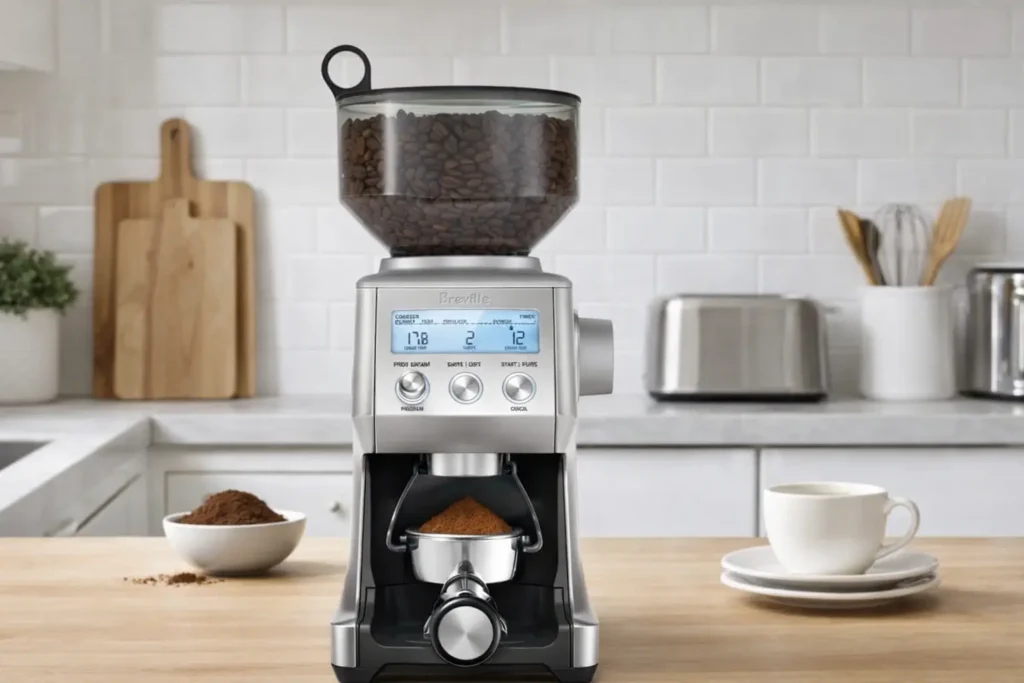
Fix #1 for Unsolvable Shots: Breville Smart Grinder Pro
If your shots cannot be dialled in despite correct technique — shot times that vary wildly at the same setting, fast shots at the finest setting, or results that change randomly between pulls — the grinder is almost certainly the limiting variable. The Breville Smart Grinder Pro is the CoffeeGearHub recommended entry dedicated espresso grinder: 60 numbered settings designed for espresso micro-adjustment, each step changing shot time by 2–5 seconds in the espresso range. The portafilter cradle doses directly into the portafilter, the LCD timer makes dose weight repeatable, and the numbered settings make every dial-in session loggable and reproducible. For anyone using a drip grinder or blade grinder for espresso, this is the single upgrade that makes systematic troubleshooting possible.
- What it fixes: shots that cannot be dialled; fast shots at finest settings; inconsistent timing between pulls
- 60 settings: dedicated espresso micro-adjustment; each step produces a meaningful timing change
- Works with: pressurised and non-pressurised baskets; 54mm and 58mm portafilters
Disclosure: CoffeeGearHub may earn from qualifying purchases.
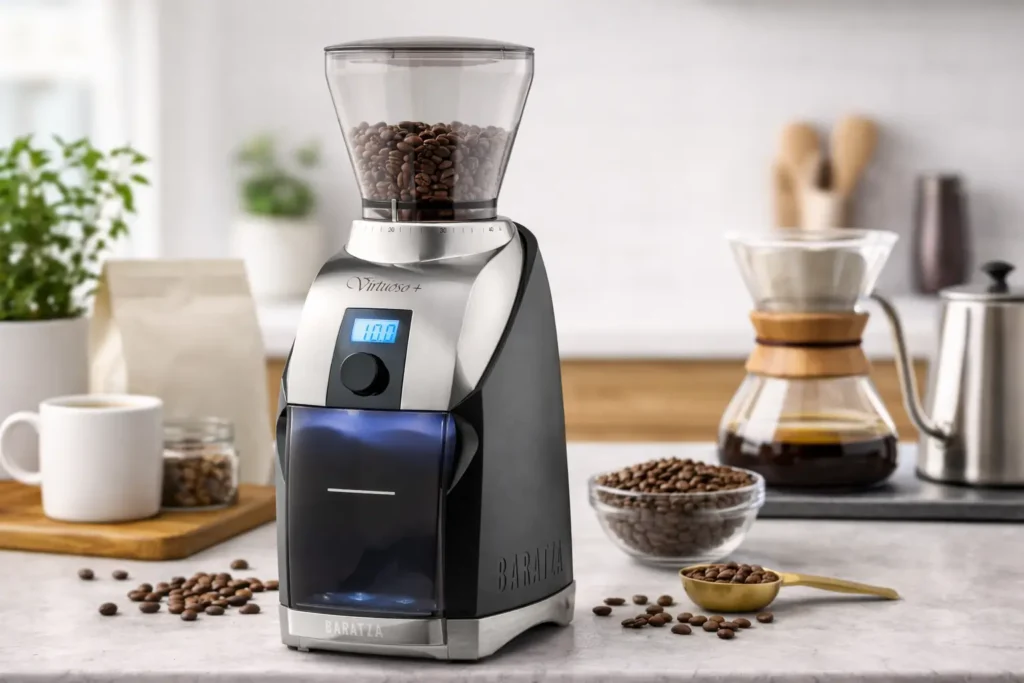
For Non-Pressurised Baskets: Baratza Virtuoso+
If your machine uses a non-pressurised (single-wall) basket — standard on machines like the Gaggia Classic Pro and Rancilio Silvia — and your shots are inconsistent despite correct preparation, the Baratza Virtuoso+ provides the tighter consistency that single-wall baskets require. Its DC motor maintains more stable grinding speed than AC motors, reducing the shot-to-shot grind variation that makes single-wall espresso troubleshooting particularly difficult. The 54 settings include sufficient fine range for non-pressurised work, and the digital dose timer provides repeatable output.
- What it fixes: shot-to-shot inconsistency on non-pressurised baskets; DC motor reduces grind speed variation
- 54 settings: covers the full espresso range for single-wall baskets
- Best for: Gaggia Classic Pro, Rancilio Silvia, and other prosumer single-wall machines
Disclosure: CoffeeGearHub may earn from qualifying purchases.
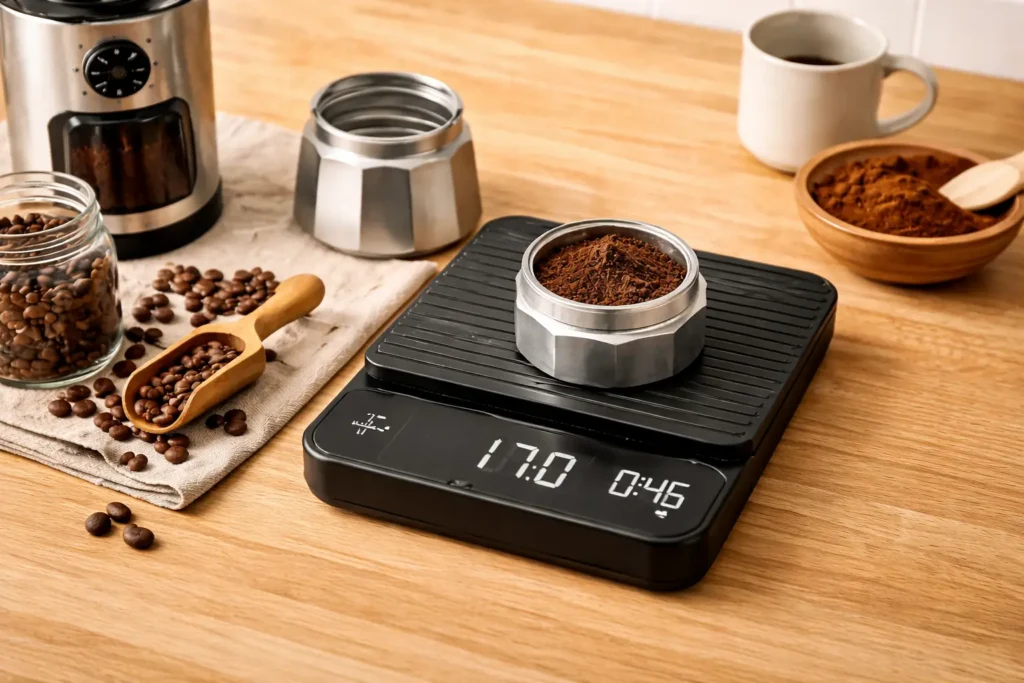
Fix #1 for Inconsistent Shots: OXO Brew Precision Scale with Timer
Without a scale, every shot is brewed at a different ratio — dose variations of 1–2g are invisible by eye and feel, but each one changes shot timing by 3–5 seconds and cup concentration measurably. A scale under the cup is the single most important tool for reproducible espresso troubleshooting: it makes dose and yield measurable, ratio trackable, and shot comparisons valid. Without it, changing a grind setting produces a result that reflects both the grind change and the dose variation simultaneously — impossible to diagnose. The OXO Brew Precision Scale auto-starts when liquid hits the platform and is accurate to 1g — sufficient for all espresso work.
- What it fixes: dose inconsistency; yield inconsistency; unreadable shot comparisons during dial-in
- Auto-start timer: triggers when liquid hits the platform — no separate timer needed
- 1g resolution: accurate enough for all espresso ratio work
Disclosure: CoffeeGearHub may earn from qualifying purchases.
Full Espresso Troubleshooting Guide Matrix: Every Common Espresso Problem
The complete reference matrix. Identify your symptom, check the most likely cause, apply fixes in order. Change one variable per shot.
| Symptom | Most likely cause | Fix — in order |
|---|---|---|
| Shot runs under 20 seconds, tastes sour | Grind too coarse | Grind 2 steps finer → confirm 18g dose → confirm level tamp with consistent pressure |
| Shot runs over 40 seconds, tastes bitter | Grind too fine | Grind 2 steps coarser → confirm dose is not over 18.5g → check distribution for clumps |
| Machine chokes — pump runs, no flow | Grind far too fine | Grind 4+ steps coarser immediately; do not force the machine → re-pull at new setting |
| Sour AND bitter together | Channeling | WDT before tamping → ensure tamp is level → grind 1 step finer → consider bottomless portafilter for diagnosis |
| Shot times vary significantly between pulls at same setting | Dose inconsistency or grinder retention | Weigh every dose to 0.1g → purge 3g at session start → confirm grind setting unchanged |
| Correct timing but sour | Temperature too low; or beans too fresh | Raise temperature 1°C → confirm beans are 7+ days off roast → extend yield to 38g |
| Correct timing but bitter | Temperature too high; or stale/dark beans | Lower temperature 1°C → check roast date → for dark roast target 88–90°C and 22–26 seconds |
| Fast even at finest grinder setting | Grinder cannot grind fine enough; or severe channeling | Confirm portafilter type (pressurised vs non-pressurised) → fix puck prep → consider grinder upgrade |
| Pale crema that disappears immediately | Stale beans or grind too coarse | Check roast date (use 7–21 days post-roast) → if fresh, grind finer |
| Very dark crema, bitter taste | Over-extraction — too fine or too hot | Grind coarser → if in timing window: lower temperature 1°C |
| Good shots become inconsistent mid-bag | Beans ageing within the bag; CO2 depleting | Grind 1 step coarser as beans age → buy smaller quantities more frequently; re-dial-in with each new bag |
| Flat, hollow — no sweetness or aroma | Stale beans | Check roast date — if 45+ days: beans are the problem. Buy fresh roast-dated beans. No dial-in technique fixes stale coffee. |
| Quality has declined over weeks at same settings | Machine scale buildup or grinder oil buildup | Descale machine → clean grinder burrs → re-dial after cleaning before changing any recipe parameter |
| Bitter background taste that doesn’t respond to grind | Rancid oil on machine components | Soak basket in hot water → backflush group head if machine supports it → clean shower screen |
Final Takeaway: The Master Troubleshooting Workflow
Every espresso problem becomes solvable when you apply the same sequence: establish a fixed baseline (18g dose, 36g yield, 91°C), pull a shot, record everything, identify whether the problem is a grind issue (timing off), a puck prep issue (sour + bitter together), or an in-window flavour issue (temperature or ratio). Change one variable per shot. Grind first. Puck prep before recipe. Temperature and ratio as refinements. Write down every result. The system is the same for the first shot on a new machine and the twentieth bag of beans — and the same sequence that turns a frustrating setup into a predictable, repeatable one.
FAQs: Espresso Troubleshooting
Why is my espresso sour even at 30 seconds?
If shot time looks correct but taste is still sharp, channeling is the most common cause — some water paths under-extract while the rest of the puck barely extracts. Fix puck preparation first (WDT + level tamp), then revisit grind one step finer. Sourness despite correct timing can also indicate brew temperature too low for the roast level — raise temperature 1°C and re-pull.
Why does my espresso taste both sour and bitter?
Simultaneous sourness and bitterness is the diagnostic signature of channeling. This is a puck preparation problem, not a recipe problem. Improve distribution with a WDT tool, ensure the tamp is level, and confirm your grinder produces consistent particle sizes. Do not change grind or ratio until channeling is resolved.
Do I have to hit 30 seconds exactly?
No. Shot time is a diagnostic signal, not a target. Many excellent shots land anywhere from 20–40 seconds depending on roast level, basket, and yield. Stop the pump when the scale reads your target yield weight — not when the timer hits a specific number. Yield and taste are the calibration signals; time is secondary.
What is the single most impactful upgrade for better espresso?
A dedicated espresso grinder with sufficient micro-adjustment precision, paired with a scale. The grinder determines whether shots are diallable at all. After the grinder and scale, the WDT tool is the highest-value accessory for reducing channeling.
Should I change grind size or ratio first?
Grind first, always. Keep dose and yield fixed while you adjust grind — get the shot running in the 25–30 second window before touching ratio. Once in the timing window, use ratio (yield adjustment) as a finishing tool, not a primary fix.
What is a good starting espresso ratio?
Start at 1:2 — 18g in, 36g out, 25–30 seconds. This is the specialty coffee standard. If still sour after grind adjustment: extend yield to 38–40g. If still bitter: shorten yield to 32–34g. Light roasts often benefit from 1:2.5 to 1:3; dark roasts from 1:1.5 to 1:2.
Do I need a bottomless portafilter to diagnose channeling?
No — taste alone identifies channeling (simultaneous sourness and bitterness). But a bottomless portafilter makes channeling visible in real time and accelerates the feedback loop significantly. It is the most useful diagnostic tool after a scale.
How fresh should espresso beans be?
Espresso beans are best between 7–21 days post-roast. Very fresh beans (under 7 days) contain high CO2 that creates extraction inconsistency. Beans beyond 35 days produce flat, hollow shots that no recipe adjustment fully corrects. Always use beans with a visible roast date.
Can water quality affect espresso taste?
Yes — significantly. Water too soft tastes flat; water too hard emphasises harshness and deposits scale that reduces machine temperature over time. Use filtered tap water as a baseline. If espresso never tastes right despite correct parameters, water is the most commonly overlooked variable.
Why is my shot fast even when the grind feels fine?
Three most common causes: channeling from uneven puck preparation, dose too low for the basket (under 17g), or grinder producing inconsistent particle distribution. Fix in order: WDT + level tamp, confirm 18g dose, purge stale retained grounds, then consider grinder upgrade.
Continue Learning
ESPRESSO TECHNIQUE
Shots troubleshot, now ready to dial in systematically? The complete dial-in guide covers the full 7-step process — grind adjustment, temperature, dose, yield, puck prep, and how to lock in a recipe that holds from the first shot to the last bean in the bag.
☕
Written by the CoffeeGearHub Editorial Team
CoffeeGearHub is a specialty coffee equipment resource produced by the CoffeeGearHub Editorial Team. Our guides are researched using published brewing science, SCA standards, grinder manufacturer specifications, and established specialty-coffee community knowledge. We review and update our pillar content regularly. About CoffeeGearHub →