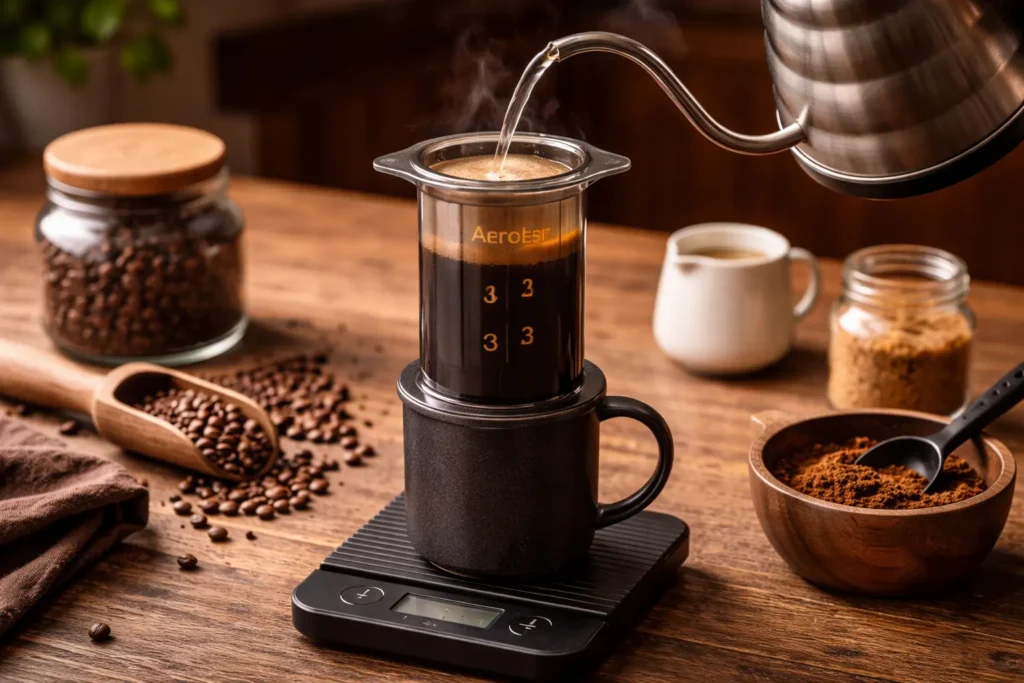
AeroPress brewing on a kitchen table
Grinders

Best Grinders for AeroPress (2026): The Ultimate Cornerstone Guide

AeroPress is famously forgiving — until your grinder isn’t. If your cups taste sour, thin, bitter, muddy, or stubbornly inconsistent brew after brew, the most common root cause isn’t your water temperature or your recipe. It’s grind quality: too many fines, uneven particle distribution, or adjustment steps too large to land in the sweet spot. […]
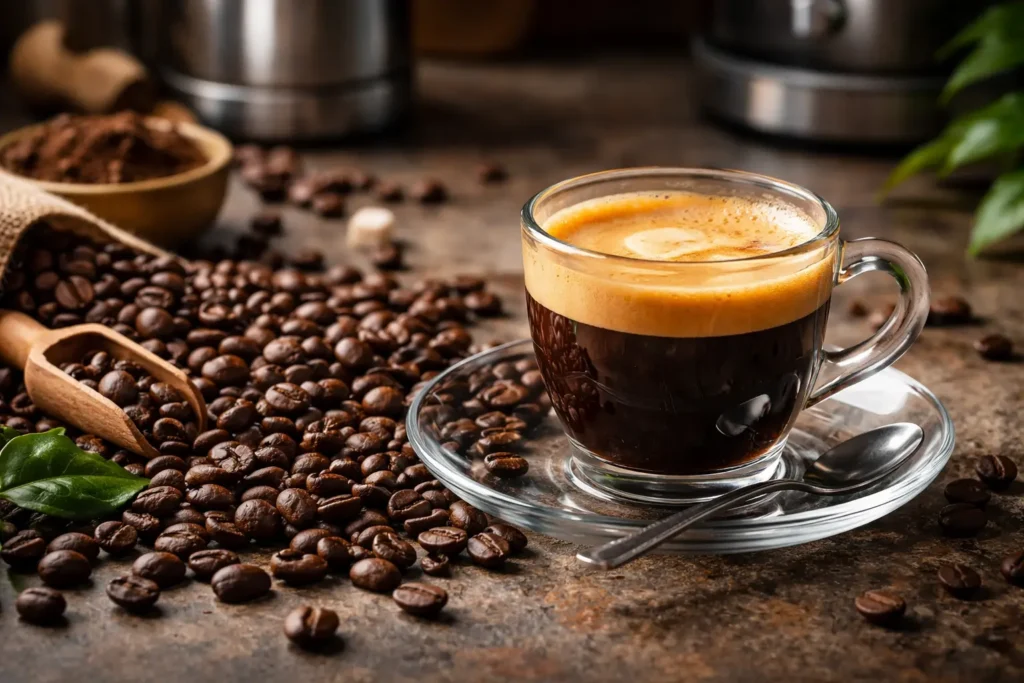
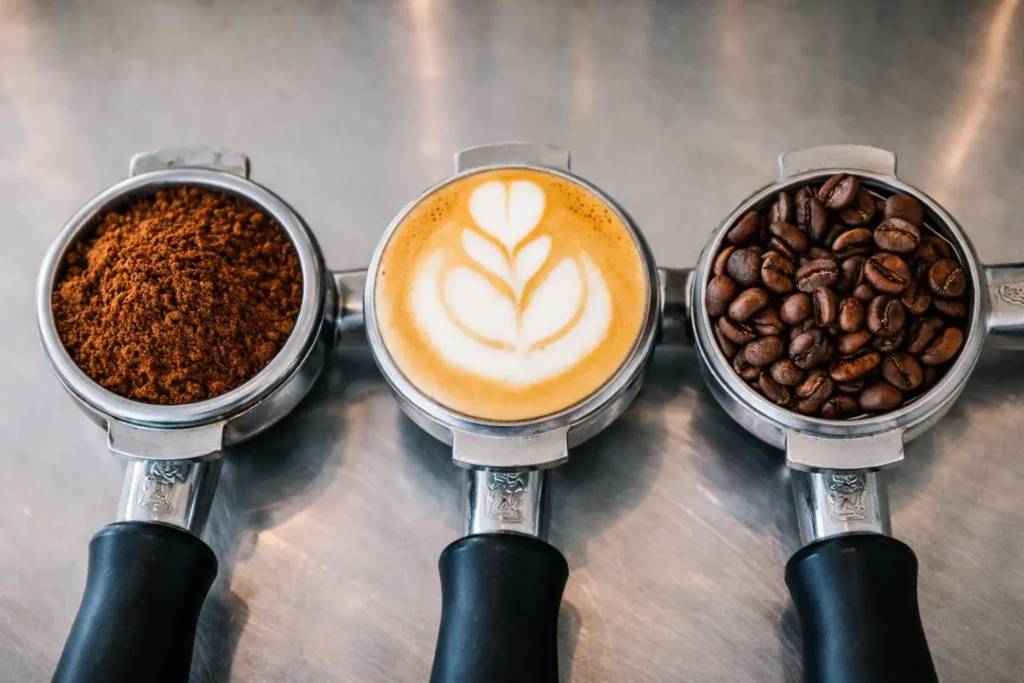
Robusta coffee beans
Brewing Methods

Robusta Coffee Guide: Brewing, Myths & Espresso Tips (2026)

The Robusta coffee guide provides a different extraction strategy. Learn how to brew Robusta for espresso, cold brew, crema, and smooth flavor. Robusta (Coffea canephora) isn’t “bad coffee”—it’s a different extraction problem. Robusta has higher caffeine and a different balance of bitter/structural compounds than Arabica. If you brew it like Arabica, it can taste harsh.

Coffee Makers

Moka Pot Accessories: Best Upgrades for Better Coffee

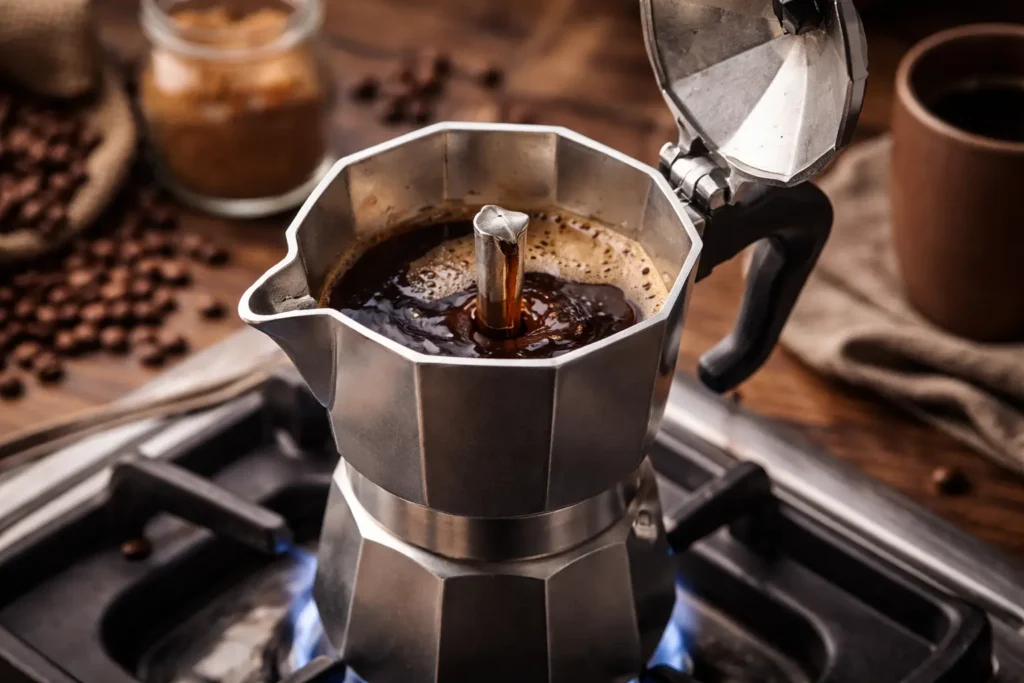
Last Updated: February 27, 2026 • 18–25 min read The moka pot is simple—but the right accessories dramatically improve consistency, flavor, and versatility. If you’re brewing with a stovetop espresso maker, a few smart upgrades can solve common issues like bitterness, sputtering, uneven extraction, and “metallic” taste. This pillar guide covers what to buy (and

Moka pot brewing coffee on a kitchen counter with coffee beans nearby
Coffee Beans

Best Coffee Beans for Moka Pot (Best-Selling Picks + Roast, Origin & Dial-In Guide)

Last Updated: February 27, 2026 • 18–22 min read The best coffee beans for moka pot are usually medium to medium-dark roasts with chocolate, caramel, and nutty notes—paired with a grind that’s finer than drip but coarser than espresso. In this complete guide, you’ll get moka-specific bean recommendations (including popular Amazon staples), two comparison tables

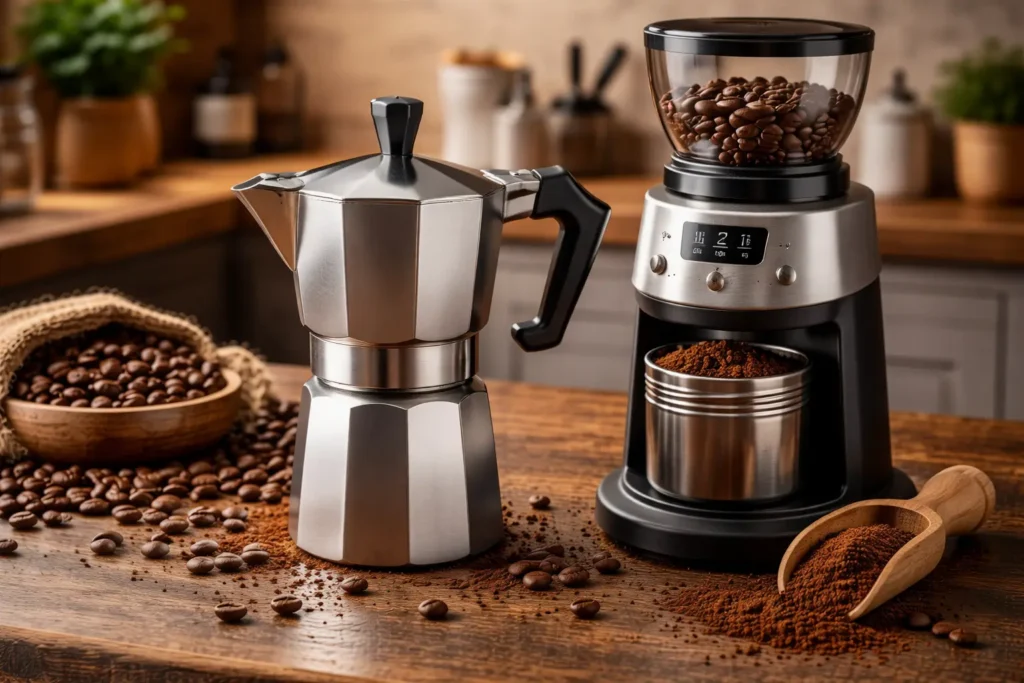
moka pot and burr grinder on a kitchen counter
Grinders

Best Coffee Grinders for Moka Pot (2026 Buyer’s Guide)

Last Updated: February 26, 2026 • 22–30 min read Moka pots don’t forgive bad grind quality. Too fine and your brew can stall or taste harsh. Too coarse and it turns thin, sour, and weak. This pillar guide shows the exact moka grind target, how to choose a grinder that consistently hits medium-fine, and the

Moka pot and AeroPress side by side on a modern kitchen counter with coffee beans and a burr grinder
Coffee Makers

Best Moka Pots: Complete Buyer’s Guide

Last Updated: February 26, 2026 • 35–45 min read • Buyer’s Guide + Brewing Science + Troubleshooting The best moka pot makes rich, espresso-style coffee with almost no maintenance. But moka pots are easy to brew bitter if you use the wrong grind, overheat the base, or let the pot sputter dry. This complete guide

Best milk frothers for lattes
Brewing Methods

Best Milk Frothers for Lattes – Electric, Wand & Steam Picks

Last Updated: March 1, 2026 • 18–26 min read Making café-level lattes at home isn’t just about coffee—milk texture is the difference-maker. The right frother helps you create glossy microfoam (not dry bubbles), balance sweetness through proper heating, and build a silky body that integrates with espresso, moka pot coffee, or AeroPress concentrate. In this

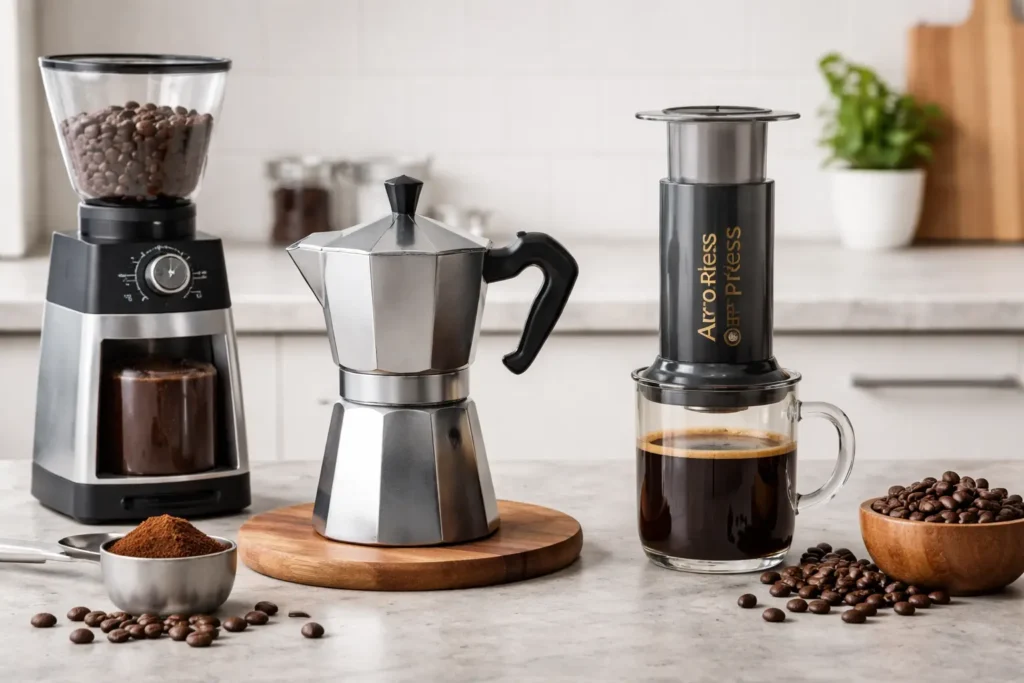
Moka pot and AeroPress side by side on a modern kitchen counter with coffee beans and a burr grinder
Brewing Methods

Moka Pot vs AeroPress (2026): Which Brewer Makes Better Coffee?

Last Updated: February 28, 2026 • 28–38 min read Moka Pot vs AeroPress is less about which is “better” and more about what you want from coffee day-to-day. A moka pot is a stovetop pressure brewer that naturally produces bold, concentrated coffee that shines in milk drinks. AeroPress is a fast, forgiving immersion brewer that

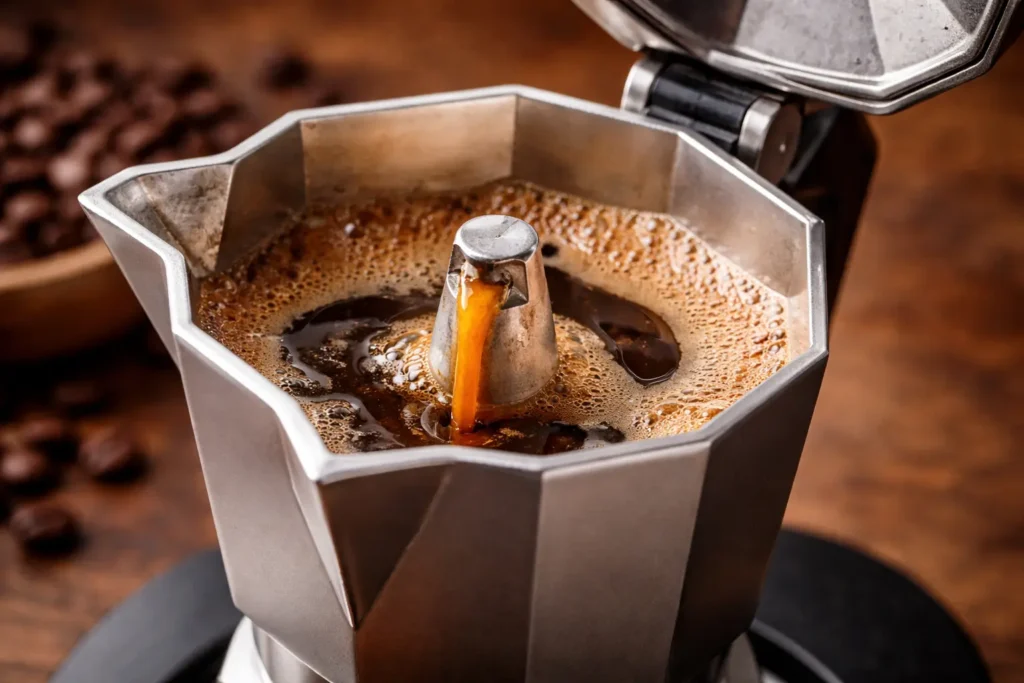
Moka pot brewing on stovetop with coffee stream flowing into upper chamber
Brewing Methods

Moka Pot Grind Size: The Complete Extraction Science Guide

If your moka pot coffee tastes bitter, burnt, metallic, weak, or sour, grind size is usually the real cause. The moka pot sits between drip and espresso: it uses steam-driven pressure (roughly 1–2 bars), rising brew temperature, and a fast-changing flow rate. That makes grind size the “master variable” that controls resistance, contact time, extraction

Scroll to Top