Coffee Brewing Guides

Coffee brewing methods play a major role in determining how coffee tastes, smells, and feels in the cup. Different brewing techniques use varying levels of pressure, immersion time, filtration, and water flow to extract flavors from coffee grounds. These variables influence the body, clarity, acidity, and strength of the final brew, meaning the same coffee beans can produce very different results depending on the brewing method used.

Some brewing methods rely on full immersion, where coffee grounds steep directly in water for a set period of time. Examples include French press and cold brew, which typically produce a rich, full-bodied cup. Other methods use pour-over filtration, such as V60 or Chemex, where hot water is poured slowly over coffee grounds and filtered through paper or metal filters. These methods often highlight clarity, brightness, and subtle flavor notes.

There are also brewing techniques that use pressure or concentrated extraction, such as espresso or moka pot brewing. These methods push water through finely ground coffee to create a stronger, more concentrated coffee with deeper flavors and heavier body.

Choosing the right brewing method often depends on personal taste preferences, available equipment, and how much control you want over the brewing process. Some brewers prioritize convenience and consistency, while others allow for more hands-on control over variables like pour rate, bloom time, and brew ratio.

In this section of CoffeeGearHub, you’ll find detailed guides covering popular brewing methods including pour-over, French press, AeroPress, drip coffee makers, moka pots, and cold brew. Each guide explains how the method works, what grind size to use, recommended brew ratios, and tips for improving extraction.

Whether you’re exploring manual brewing for the first time or refining your home coffee routine, understanding different coffee brewing methods can help you discover new flavors and consistently brew better coffee at home.

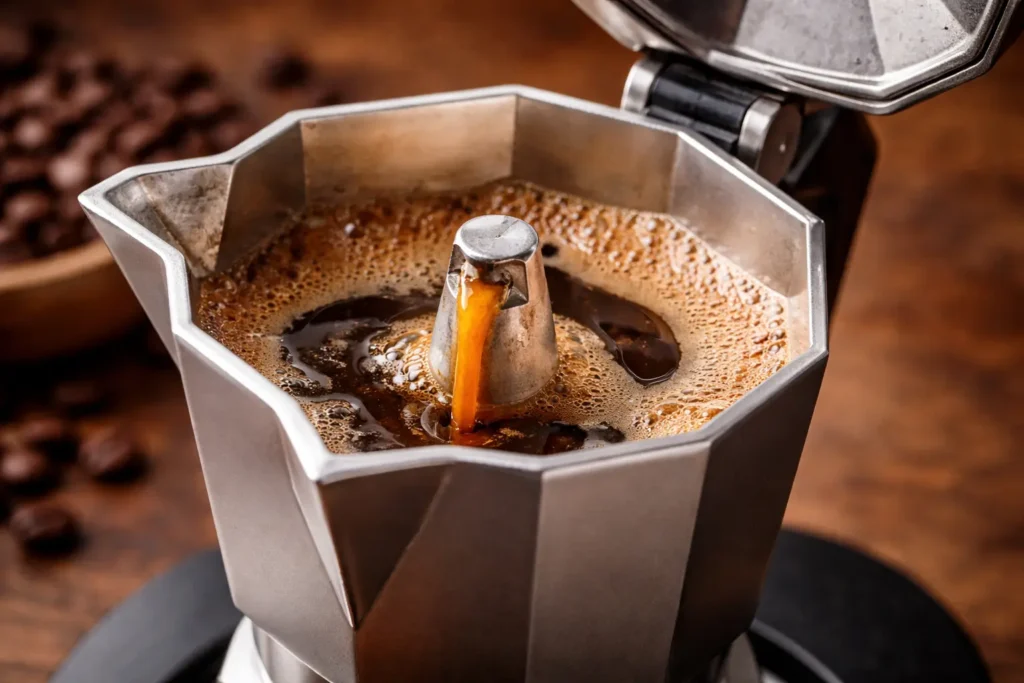
moka pot brewing
Coffee Brewing Guides

Moka Pot Troubleshooting Guide (Fix Bitter Coffee, Weak Brews, Leaks, Sputtering & More)

Last Updated: February 28, 2026 • 22–28 min read • Pillar Guide: Troubleshooting + Dial-In + Extraction Science + Gear ✍️ Editorial note: This guide is researched and written by the editors at CoffeeGearHub.com using published brewing science, moka pot extraction principles, and established specialty-coffee community knowledge. Recommendations reflect research consensus rather than in-house lab […]

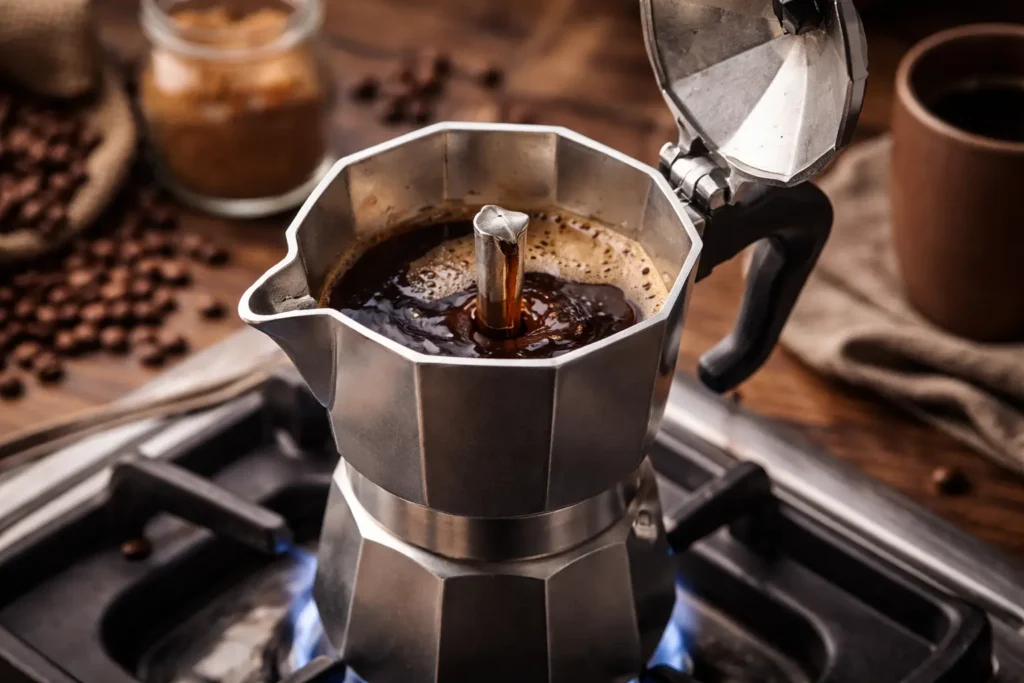
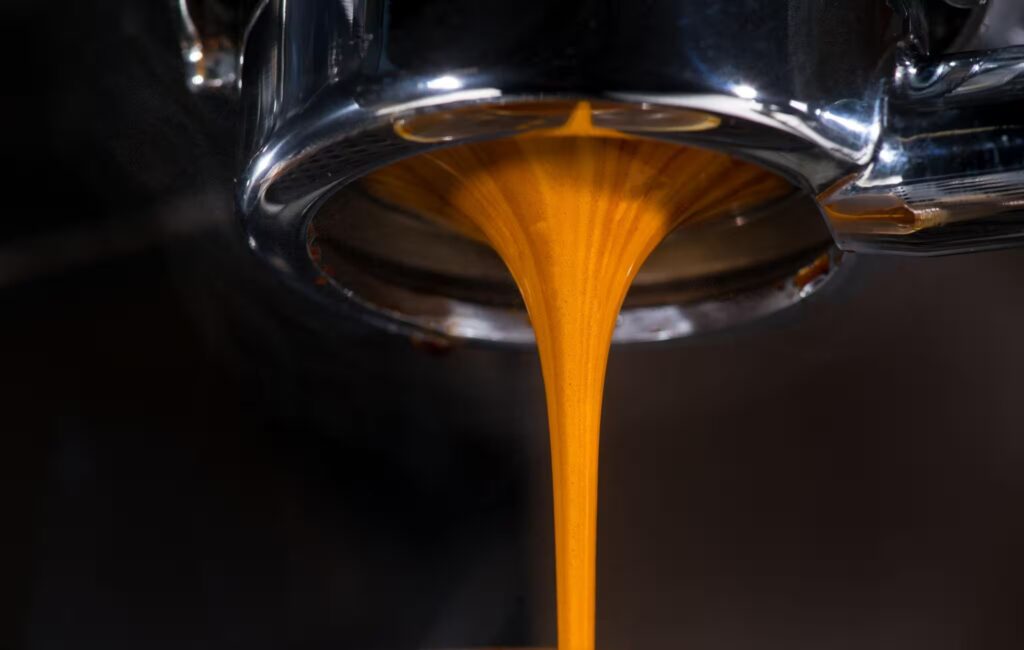
Moka pot brewing on stovetop with coffee stream flowing into upper chamber
Brew Methods

Moka Pot Grind Size: The Complete Extraction Science Guide

If your moka pot coffee tastes bitter, burnt, metallic, weak, or sour, grind size is usually the real cause. The moka pot sits between drip and espresso: it uses steam-driven pressure (roughly 1–2 bars), rising brew temperature, and a fast-changing flow rate. That makes grind size the “master variable” that controls resistance, contact time, extraction

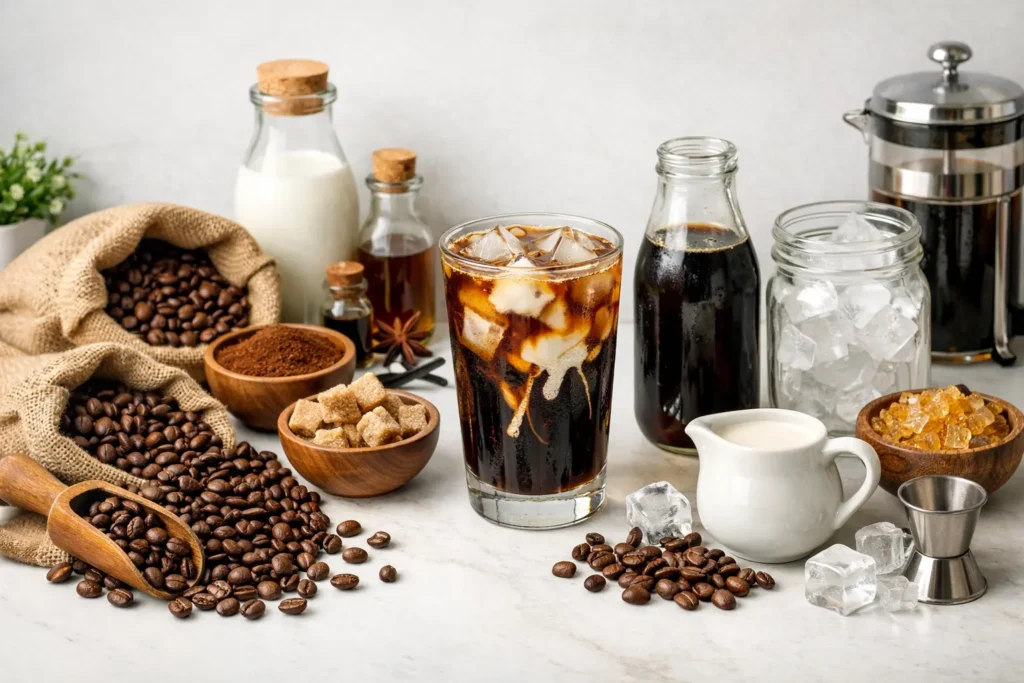
Assorted coffee beans and cold brew ingredients
Coffee Brewing Guides

How to Make Iced Coffee at Home (3 Methods + Ratios + Best Gear)

Last Updated: February 2026 • 22–30 min read Most homemade iced coffee tastes weak, bitter, or watery—because it’s brewed like hot coffee. Iced coffee needs a different approach: you have to plan for dilution, cool the coffee fast (to protect aroma), and pick the right brew method for your time and taste. This pillar guide

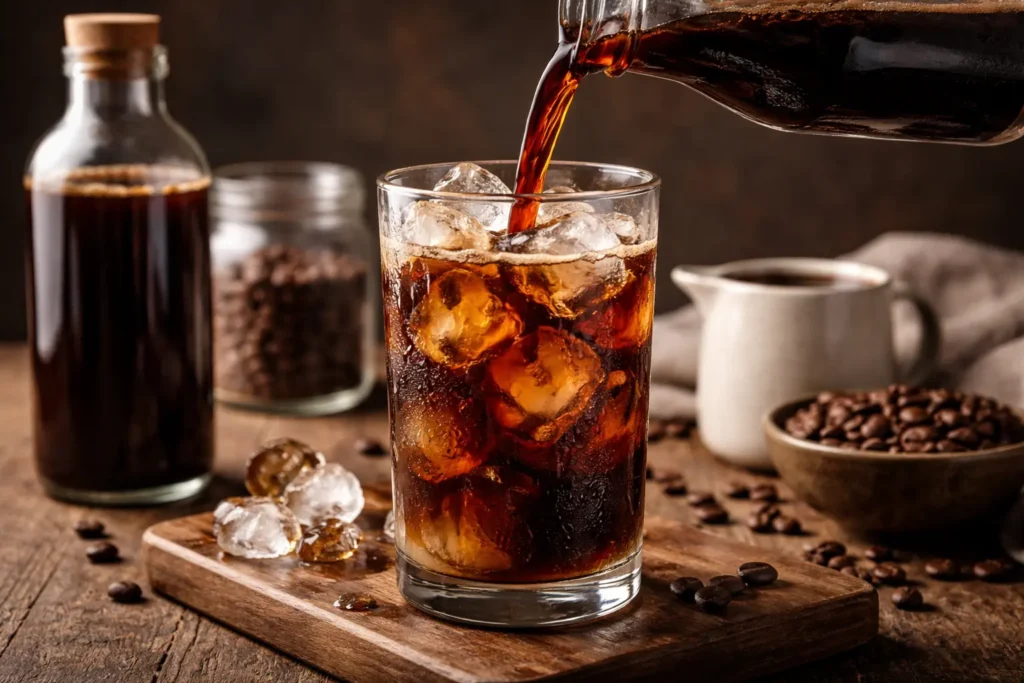
Cold brew concentrate poured over ice
Brew Methods

How to Make Cold Brew Coffee at Home (The Complete Guide)

Last Updated: February 23, 2026 • 12–16 min read Cold brew is smoother, less acidic, and cheaper than café iced drinks—and it’s one of the easiest “batch brews” you can make at home. In this guide you’ll learn the best coffee-to-water ratios (concentrate vs ready-to-drink), the ideal coarse grind, steep-time sweet spots, serving ideas, and

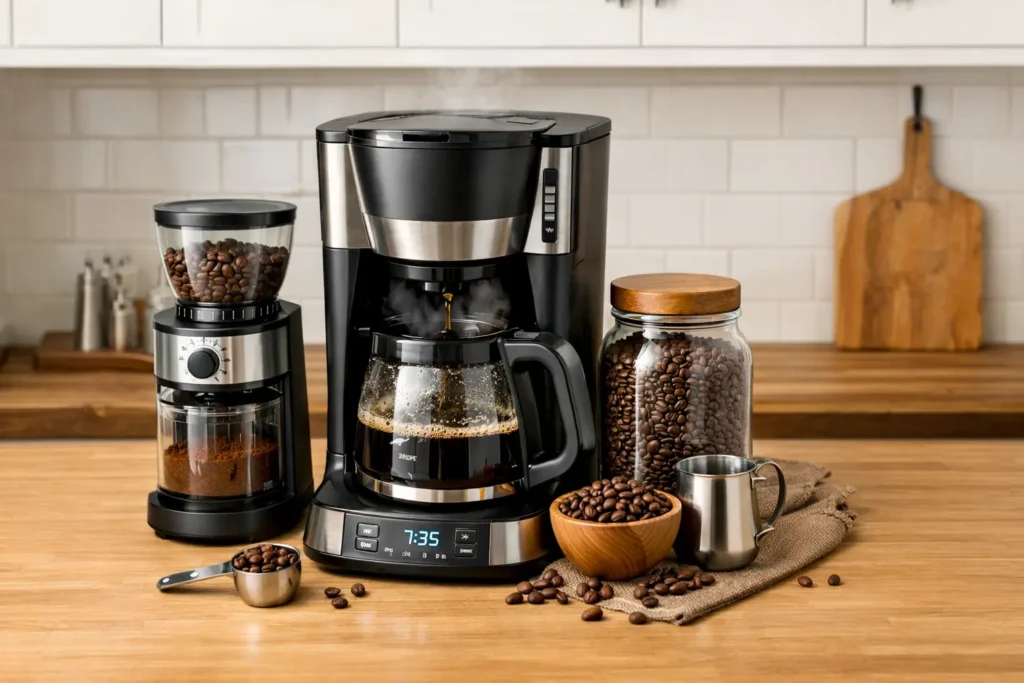
Drip-coffee-maker-brewing-fresh-coffee-with-whole-beans-and-grinder-on-a-kitchen-counter
Brewing Fundamentals

Drip Coffee Ratio (Simple Chart + Fixes)

Last updated: February 2026 • 20 min read Quick answer: The best drip coffee ratio for most people is 1:16 — that’s 1 gram of coffee for every 16 grams of water. But the “right” ratio depends on your coffee maker, grind size, and taste preferences. This guide gives you a simple chart, explains when

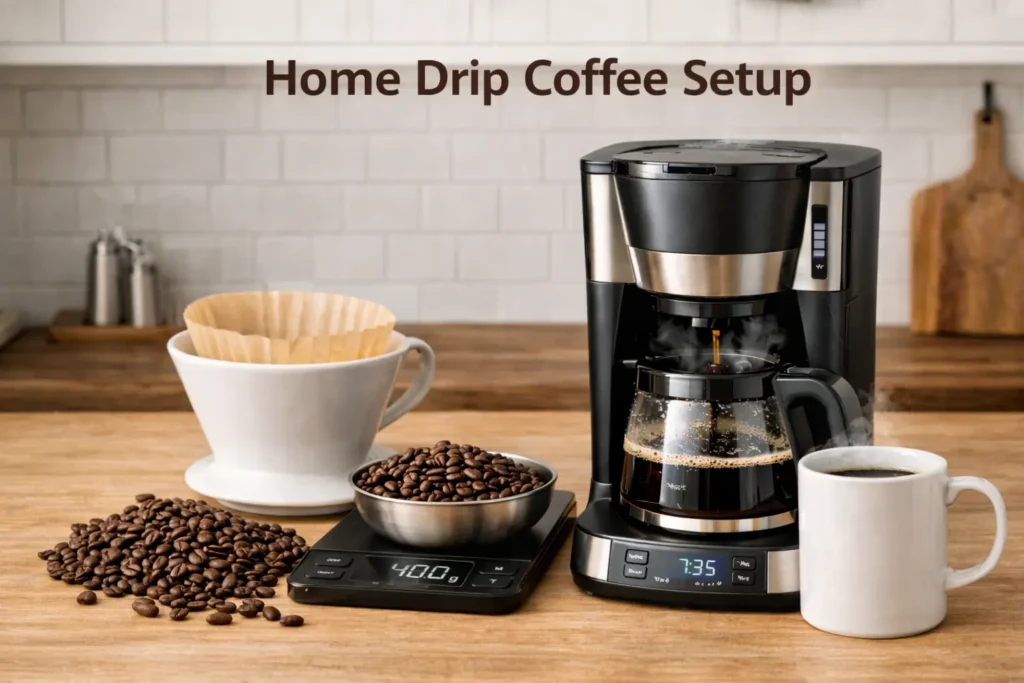
Home drip coffee setup with coffee maker, carafe, mug, filters, and whole beans on a kitchen counter
Troubleshooting

Common Drip Coffee Mistakes (And How to Fix Them)

Last updated: February 2026 • 16–20 min read Quick takeaway: Most bad drip coffee isn’t caused by the coffee maker — it’s caused by small, fixable mistakes. This guide walks through the most common drip coffee mistakes, explains why they happen, and shows exactly how to fix them without buying a new machine. This guide

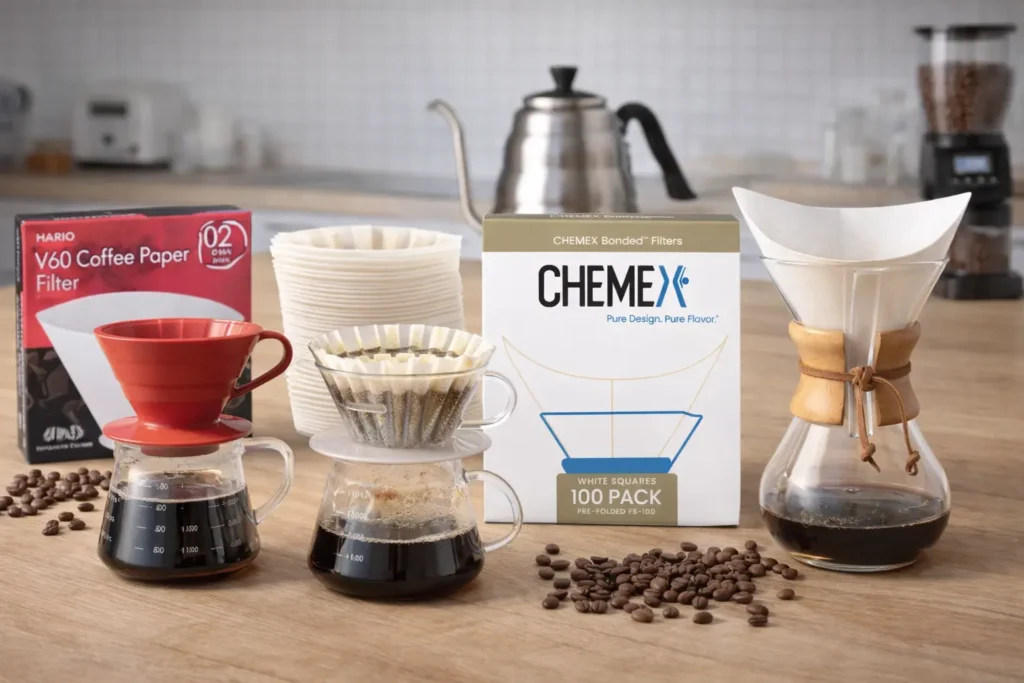
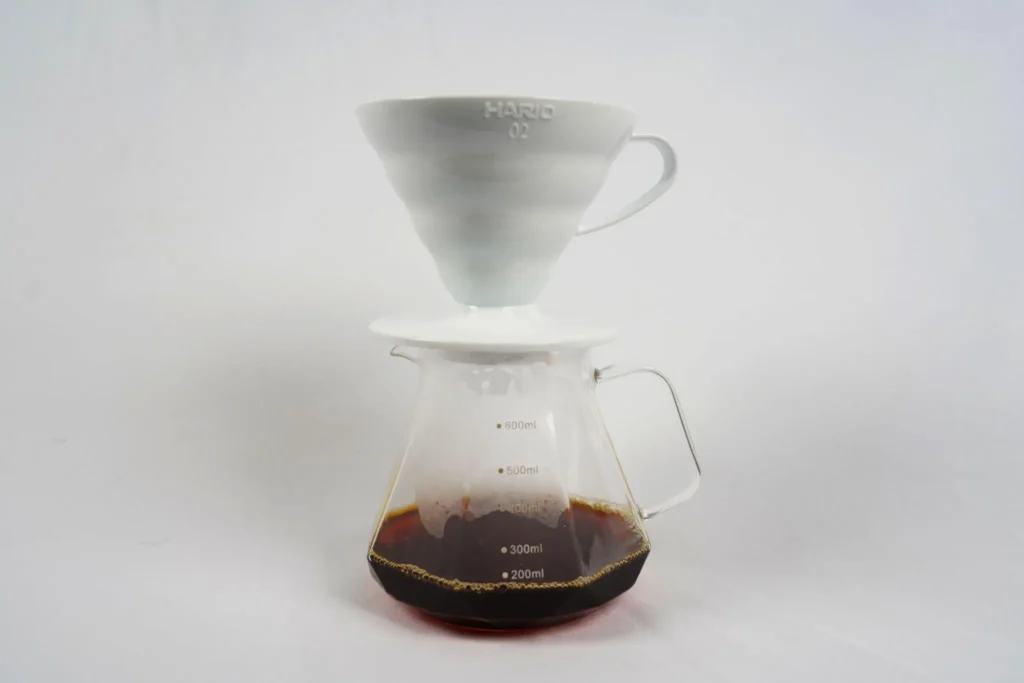
Flat-bottom and cone pour-over dripper
Coffee Brewing Guides

Flat-Bottom vs Cone Drippers (Kalita vs V60 Explained)

Quick Summary: Cone drippers (like the Hario V60) reward precision and can produce high-clarity, “sparkly” cups—but they’re more sensitive to grind consistency and pouring mistakes. Flat-bottom drippers (like the Kalita Wave) are typically more forgiving and consistent day-to-day, often producing a rounder, sweeter cup with less fuss. Key Takeaways (Read This First) New to pour-over?

Scroll to Top