
How to Descale a Nespresso Machine: Vertuo and Original Steps (2026)
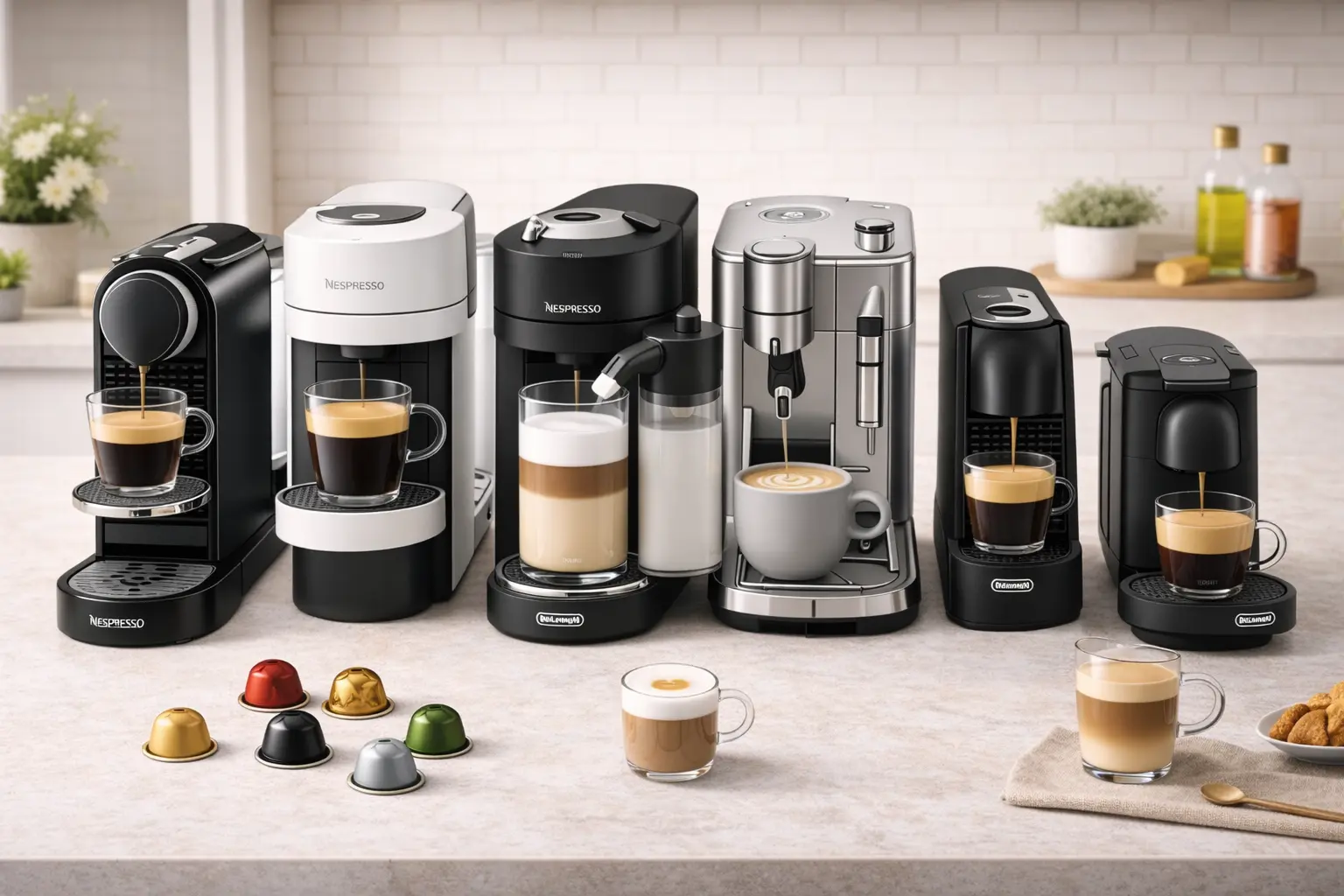
Editorial standards: descaling steps are taken from Nespresso’s published model guides, with model-specific sequences cross-checked against iFixit and Tom’s Guide. Button timings differ between models and sometimes between guides, so always confirm against your machine’s manual. CoffeeGearHub does not claim hands-on testing where it has not occurred.
At a glance
What this descaling guide covers
Why Nespresso machines need descaling, how often, what to use and what to avoid, the sequence every model shares, how to enter descaling mode on popular Vertuo and Original machines, what to do when the machine will not cooperate, and the other cleaning that keeps coffee tasting right.
Editorial analysis
The hard part is the button sequence, not the descaling
Descaling a Nespresso is simple once the machine is in descaling mode: solution in, cycle, rinse, done. What trips people up is getting into that mode, because every model uses a different, often timed, combination of buttons and lever moves.
So this guide gives the shared sequence first, then the model-specific entry steps, and tells you where to look when your model is not listed. Doing it on schedule is the single best way to keep a Nespresso brewing hot and fast for years.
The 30-Second Answer
To descale a Nespresso, empty the capsule container and drip tray, add one packet of Nespresso descaling solution plus fresh water to the tank, and put a container of at least 1 liter under the spout. Enter descaling mode with your model’s button sequence, run the solution through, then rinse with fresh water and exit.
Descale when the alert light appears, or every few months if your machine has none. Allow 20 to 30 minutes, and use filtered water afterward to slow new scale.
Compare current options
Start with these representative choices
A descaler for the job, filtered water to slow the next round of scale, and the milk frother that also needs regular cleaning.
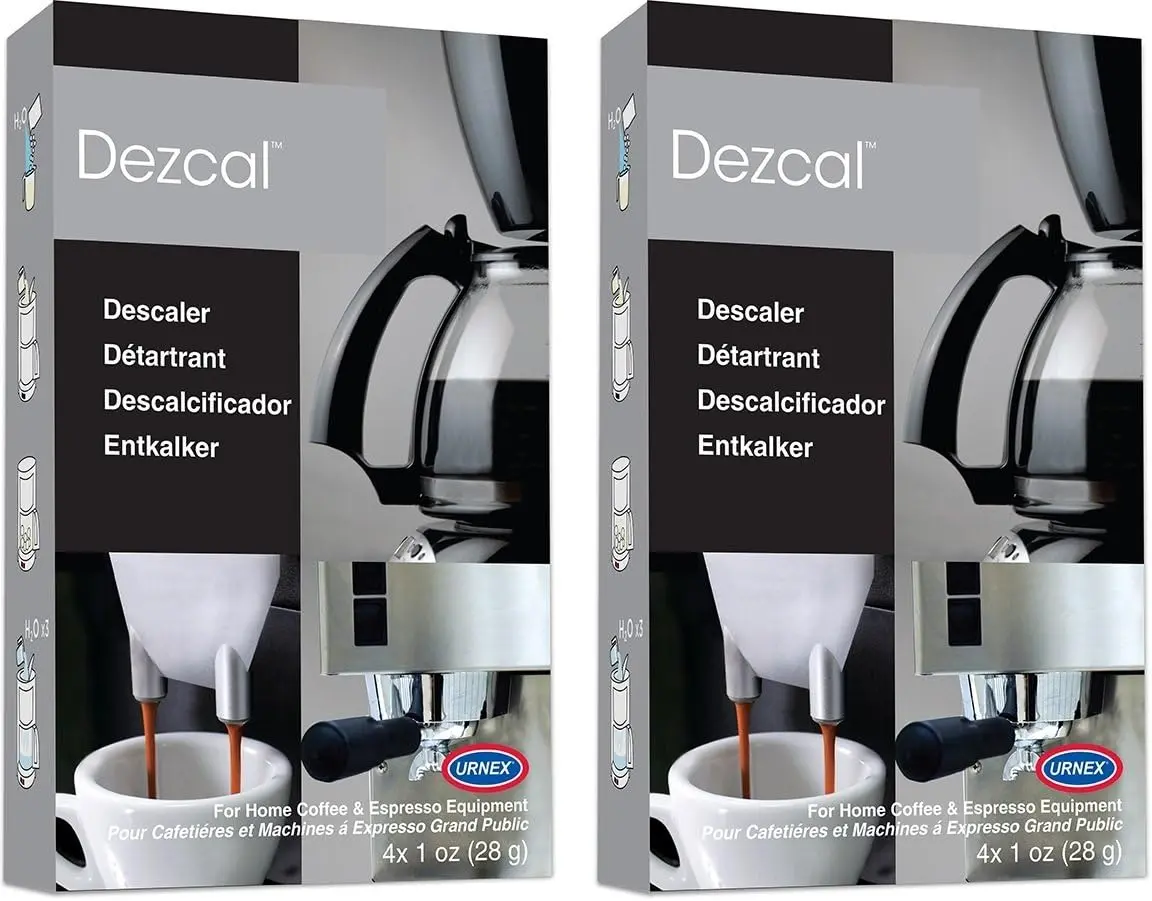
Urnex Dezcal — Citric alternative
A widely used citric-acid descaler for coffee and espresso machines; Nespresso’s own solution remains the maker’s recommendation.
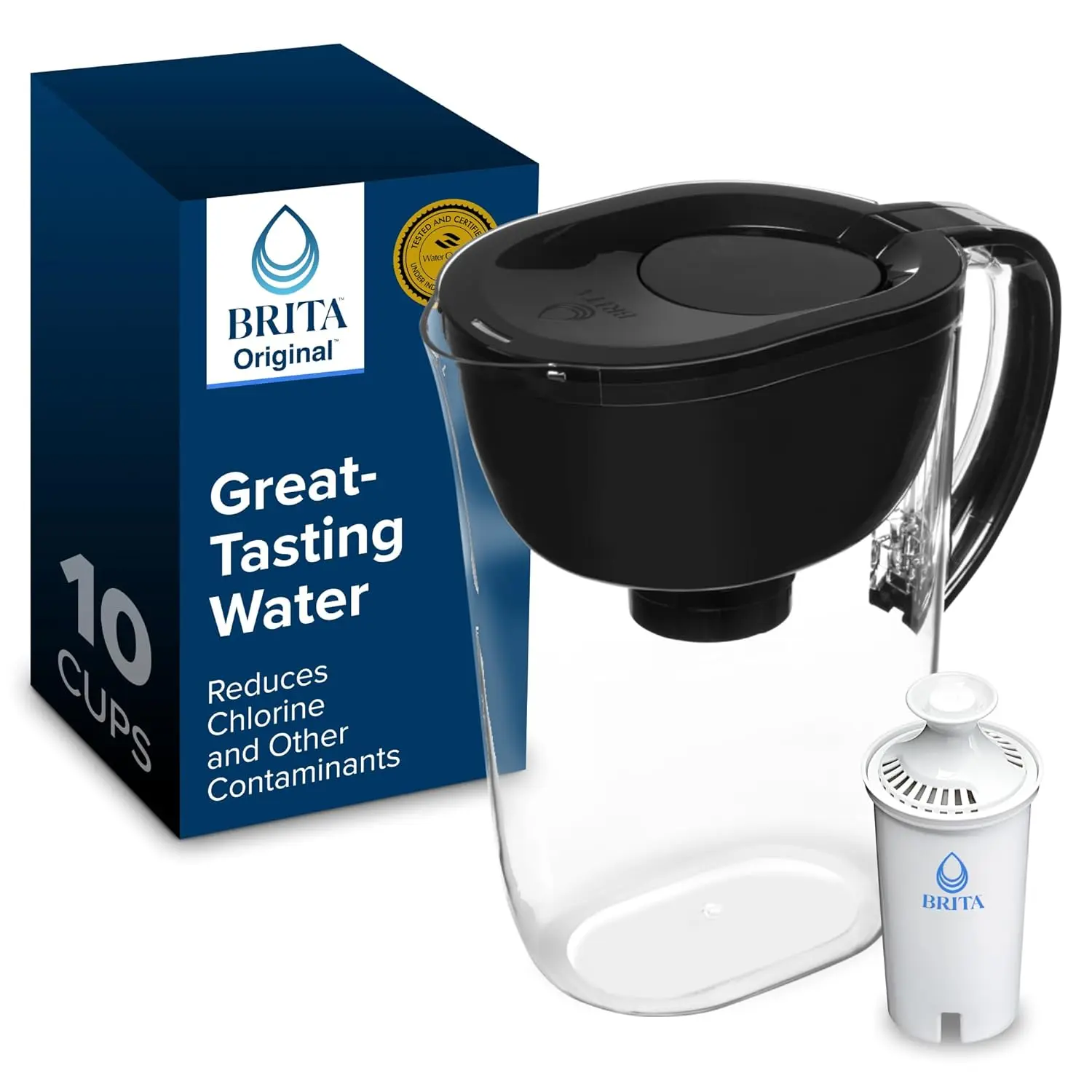
Brita 10-Cup Pitcher — Slower scale
Filtering tap water reduces the minerals that build scale and removes chlorine taste from every cup.
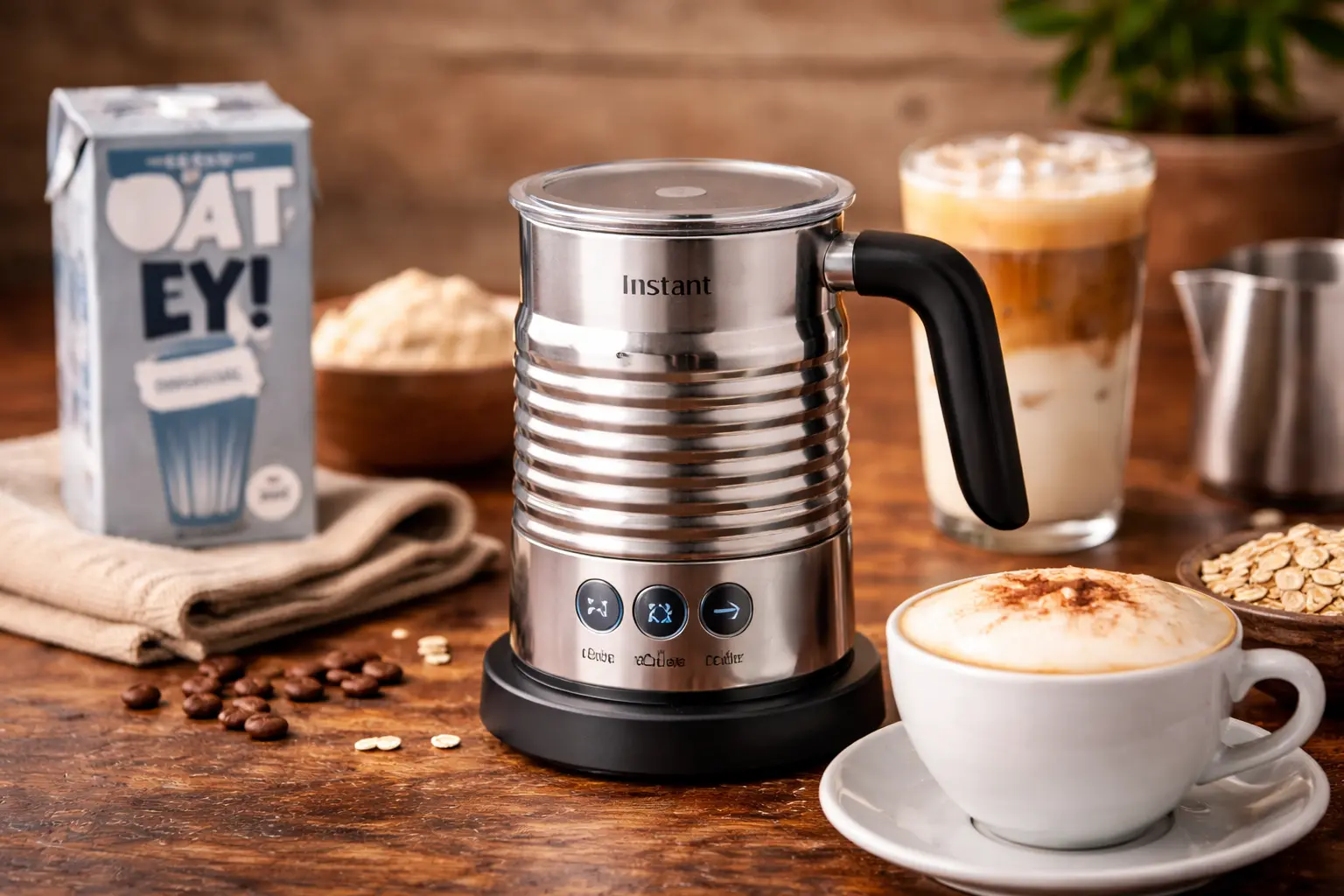
Nespresso Aeroccino 4 — Milk drinks
Nespresso’s standalone frother; clean it after every use, as covered below, to keep foam consistent.
Affiliate disclosure: Amazon links may earn CoffeeGearHub a commission at no additional cost to you. Prices and availability can change.
Why Nespresso Machines Need Descaling
Every time a Nespresso heats water, a little of the calcium and magnesium dissolved in that water is left behind as scale on the heating element and inside the narrow pipes. Over weeks and months it builds into a hard layer. Scale insulates the heater, so the water comes out cooler, and it narrows the water path, so the pump has to work harder and the coffee flows more slowly.
The signs show up gradually: coffee that tastes weaker or less hot than it used to, a smaller cup than the button should deliver, more noise from the pump, or a slow, sputtering flow. Left long enough, heavy scale can stop a machine from brewing at all. Descaling dissolves that buildup with a mild acid, restoring temperature and flow.
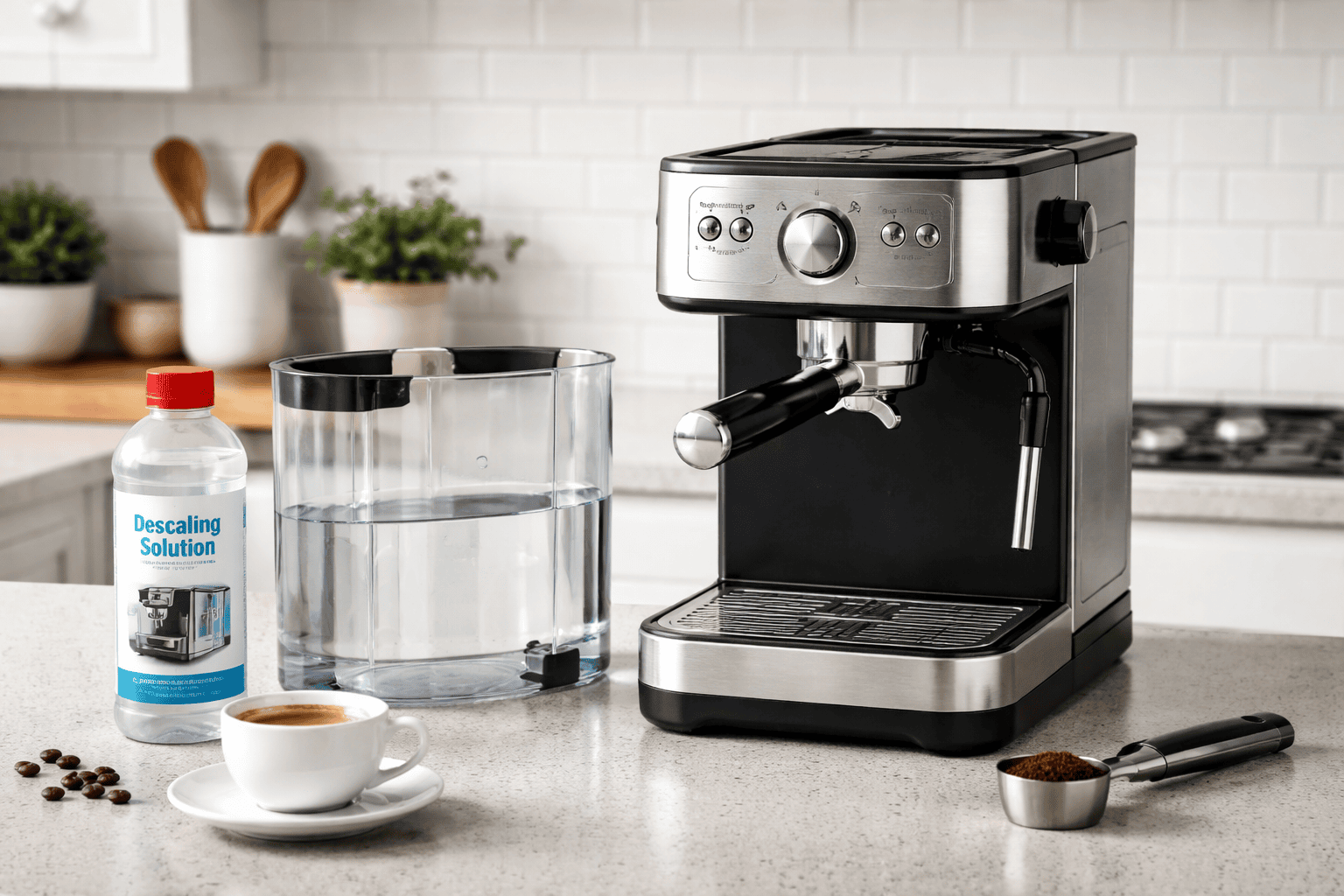
Scale is not the same as coffee residue. Descaling clears minerals from the water side of the machine; it does nothing for old coffee oils in the capsule area or milk residue in a frother. Those need their own cleaning, covered later in this guide. Both matter, but descaling is the one that protects the machine itself. Our guide to water quality for better coffee explains how mineral content affects both scale and flavor.
How Often to Descale
Most current Nespresso machines tell you when it is time. Vertuo models typically signal it with a change in the button light; Nespresso’s Vertuo Pop guide, for example, describes the cup button blinking orange three times before turning steady white. When you see your model’s alert, descale soon rather than waiting, because the alert is usually based on how much water has gone through the machine.
If your machine has no alert, or you are not sure, plan on descaling every few months. Tom’s Guide suggests at least every six months as a minimum for light use; households that brew several drinks a day, or that live in hard-water areas, should descale more often than that. A white crust around the tap or kettle at home is a good sign your water is hard and your Nespresso is scaling quickly.
Using filtered water stretches the interval between descales. A pitcher filter such as the Brita 10-Cup reduces some of the hardness and removes chlorine taste. It does not eliminate scale entirely, so keep descaling on schedule, but you will usually find the machine stays cleaner for longer between cycles.
What to Use, and What to Avoid
Nespresso recommends its own descaling solution, sold in kits that usually contain two single-use packets. It is formulated for Nespresso machines and is what every official guide assumes. Nespresso’s own kit is the simplest, warranty-friendly option, and one packet handles one full descale on most machines. For Original line machines, a lower-cost alternative is the Roobi Descaling and Cleaning Kit, a third-party kit made to fit Nespresso OriginalLine machines. Check that the listing covers your model, then follow your machine’s normal descaling steps.
Many owners use a third-party citric-acid descaler instead, such as Urnex Dezcal, which Urnex sells for coffee and espresso machines. Follow the maker’s dilution instructions and run the same Nespresso descaling sequence. The trade-off is that Nespresso’s guides specify their own solution, so if your machine is still under warranty and you ever need service, using the approved product avoids any question.
Avoid vinegar. It is a common household suggestion, but Nespresso does not recommend it, it is harder to rinse out completely, and it can leave a lingering taste in the next several cups. Also avoid harsh cleaners, bleach, or anything not designed for food-contact machines.
The Descaling Sequence Every Model Shares
Although each machine enters descaling mode differently, the overall process is the same across Vertuo and Original models. Read your model’s section below for the entry steps, then follow this sequence. Keep the whole cycle uninterrupted once it starts.
- Empty the machine. Eject any capsule, then empty the capsule container, drip tray, and water tank.
- Add descaling solution. Pour one packet into the tank and add fresh water to the amount your model’s guide specifies, usually around half a liter.
- Place a container. Put a container holding at least 1 liter under the coffee outlet.
- Enter descaling mode. Use your model’s button or lever sequence. The light changes to show the mode is active.
- Run the solution. Start the cycle and let it run. Some Original models ask you to pour the used solution back in and run it a second time.
- Rinse. Rinse the tank well, fill it with fresh water, empty the container, and run a rinse cycle.
- Exit and clean up. Exit descaling mode as your model requires, then empty and rinse the drip tray and capsule container and wipe the machine.
Nespresso advises keeping descaling solution away from eyes, skin, and kitchen surfaces, so wipe up any drips promptly and rinse your hands if they get splashed. Let the machine rest for a few minutes afterward, and consider discarding the first coffee if you notice any taste of the solution. A thorough rinse with a full tank of fresh water is the best way to make sure none remains in the system.
Vertuo Models: Entering Descaling Mode
On the VertuoPlus, start with the machine on and the capsule removed, then turn it off by locking the lever. iFixit’s guide describes pressing and holding the button and lever together for about three seconds until an orange light shows the special functions menu, then pressing the lever down once more to select descaling. Press the button to start; the machine stops by itself when the solution has run through. After rinsing, hold the button and lever together again to exit, and a green light confirms it is ready.
The Vertuo Pop uses a different sequence, set out in Nespresso’s own guide. With the head closed and the lever unlocked, press and hold the button for about seven seconds until the light starts blinking orange quickly. Lock and unlock the lever, then hold the button again for about seven seconds; those two steps must be done within 45 seconds. Lock the lever, press the button once to start, and allow about 20 minutes. Nespresso specifies 17 oz of water with one packet and a container of at least 34 oz.

Other Vertuo machines, including the Vertuo Next, Vertuo Pop+, Vertuo Lattissima, and Creatista-style models, each have their own variation, usually a timed button press combined with a lever position. Nespresso publishes a descaling guide and video for each model on its support site, and the model name is printed on the base of the machine. Our VertuoPlus review and Vertuo Pop+ review cover those machines’ other maintenance needs.
Original Line Models: Entering Descaling Mode
Original line machines use their two cup buttons, Espresso and Lungo, to enter descaling mode, typically by holding both together for a few seconds while the machine is on. For the Essenza Mini, Tom’s Guide describes holding both buttons together, about five seconds, after adding one sachet and roughly 0.6 L of water, then pressing Lungo to run the full tank through. You then return the used solution to the tank and run it again before rinsing with fresh water and holding both buttons once more to exit.
The Pixie follows a similar pattern in Tom’s Guide: about 0.5 L of water with one packet, hold both buttons for about three seconds to enter descaling mode, press Lungo to run the solution, pour it back and run it a second time, then rinse with clean water and press both buttons again to exit. The CitiZ and Inissia use comparable two-button sequences, but timings differ, so check Nespresso’s model guide.
| Model | How to enter descaling mode | Water with one packet | Source |
|---|---|---|---|
| VertuoPlus | Hold button and lever about 3 s, then press lever down once | About 3 cups | iFixit |
| Vertuo Pop | Lever unlocked: hold button about 7 s, lock and unlock lever, hold again, then lock | 17 oz | Nespresso guide |
| Essenza Mini | Hold Espresso and Lungo together about 5 s | About 0.6 L | Tom’s Guide |
| Pixie | Hold both buttons about 3 s | About 0.5 L | Tom’s Guide |
| Other models | Model-specific; see Nespresso’s guide for your machine | Per guide | Nespresso support |
Machines With Built-In Milk Systems
Lattissima models, Creatista machines, and other Nespressos with built-in milk systems still need descaling on the water side, and the basic sequence is the same: solution in, descaling mode, cycle, rinse, exit. What changes is the entry sequence and, sometimes, the parts you remove first. These machines often ask you to detach the milk container or steam wand before descaling so solution is not drawn through the milk circuit, and their guides can include an extra rinse step for the steam path.
The milk circuit itself needs a different kind of cleaning, because the problem there is milk residue rather than mineral scale. Most of these machines have a quick clean function to run after each milk drink, plus a deeper clean of the milk container, tubing, and frothing head every few days. Skipping it leads to soured smells, weaker foam, and blockages that descaling will not touch.
Because these machines vary so much, they are the ones where following the model guide matters most. If you own one, keep the manual or Nespresso’s guide for your model handy, and treat descaling and milk-system cleaning as two separate jobs on their own schedules. Doing both regularly is what keeps foam silky and the machine reliable.
When the Machine Will Not Cooperate
The most common problem is simply not getting into descaling mode. These sequences are timed, so a hold that is a second too short, a lever in the wrong position, or a step done too slowly sends the machine back to normal mode. Start over calmly, check that the tank is seated and no capsule is inside, and follow your model’s guide step by step. Many people find it easier with the guide open in front of them rather than working from memory.
If the alert light keeps flashing after you have descaled, the machine may not have registered a completed cycle, often because the cycle was interrupted or the rinse was skipped. Run the full sequence again, including the rinse and the exit step. If a machine stops partway through with an error light, unplug it for a minute, refill the tank, and restart; if the error returns, contact Nespresso support, since a pump or heater fault is outside what descaling can fix.
If coffee still flows slowly after a successful descale, the problem may be elsewhere. The needles that pierce the capsule can clog with coffee grounds, and the outlet can collect residue. Heavy scale in a long-neglected machine sometimes needs a second descaling cycle with a fresh packet. When nothing helps, it is worth comparing repair against replacement; our best Nespresso machines guide covers current models.
The Other Cleaning That Keeps Coffee Tasting Right
Descaling looks after the inside of the machine, but day-to-day cleaning matters for flavor. Empty the used capsule container and drip tray regularly, because damp grounds and spilled coffee grow mold quickly, and rinse both in warm soapy water every week or so. Wipe the capsule area and the coffee outlet with a damp cloth, and rinse the water tank whenever you refill it rather than just topping it up.
Many Vertuo machines also have a cleaning or rinse function that flushes hot water through the system without a capsule. Running it every so often, or simply brewing a cup of plain water, clears coffee residue from the brew path. Your manual describes how to start it on your model.
If you make milk drinks, the frother needs the most frequent attention. Milk proteins dry into a stubborn film quickly. Rinse a frother like the Aeroccino 4 as soon as it cools, wash the whisk and jug with warm soapy water, and never immerse the base. Our guide to the best milk frothers compares other options.
Our Recommendation
Descale your Nespresso when the alert appears, or every few months without one, using one packet of Nespresso descaling solution and fresh water. Find your model’s entry sequence, run the solution through, rinse thoroughly, and exit descaling mode properly so the alert resets. A citric-acid descaler such as Urnex Dezcal works for owners who prefer it, but skip vinegar. Then switch to filtered water from a pitcher like the Brita 10-Cup to slow the next round of scale, and keep the capsule container, drip tray, and frother clean between descales.
Keep Your Nespresso Brewing Hot and Fast
Descale on schedule, then use filtered water to slow the next buildup.
As an Amazon Associate, CoffeeGearHub earns from qualifying purchases.
Editorial bottom line: Descaling a Nespresso takes about half an hour and mostly runs by itself. The only tricky part is your model’s entry sequence, so follow its guide exactly, finish with a full rinse, and repeat whenever the alert appears.
Frequently Asked Questions
How often should I descale a Nespresso machine?
Descale when your machine’s descaling alert appears, and at least every few months if it has no alert. Hard water calls for more frequent descaling; filtered water stretches the interval.
Can I use vinegar to descale a Nespresso?
Nespresso recommends its own descaling solution and does not recommend vinegar. Vinegar is harder to rinse out completely and can leave a taste, and using unapproved products may matter if you need warranty service.
How long does Nespresso descaling take?
Plan on about 20 to 30 minutes, including the rinse. Nespresso’s Vertuo Pop guide notes its descaling cycle takes about 20 minutes and cannot be interrupted.
Why won’t my Nespresso enter descaling mode?
The button sequence is model-specific and often timed. Check that the lever position and button hold match your model’s guide, that the tank is in place, and that no capsule is inside.
Is one Nespresso descaling packet enough?
Yes for most machines. Nespresso kits usually contain two packets, one per descale. Very scaled machines in hard-water areas may need a second full cycle.
Does descaling fix weak or slow Nespresso coffee?
Often, because scale narrows the water path and lowers temperature. If the flow is still slow afterward, the capsule needles or outlet may need cleaning, or the machine may need service. Our Vertuo vs Original comparison explains how the two systems brew.
Sources and Further Reading
The Vertuo Pop sequence, water amounts, cycle time, and safety notes come from Nespresso’s published Vertuo Pop descaling guide; Nespresso’s support site lists separate guides for each Original model. The VertuoPlus sequence follows the iFixit VertuoPlus descaling guide, and the Essenza Mini and Pixie sequences and descaling frequency follow Tom’s Guide. Dezcal information comes from Urnex product documentation. CoffeeGearHub did not test these procedures hands-on; always confirm against your machine’s manual.
CoffeeGearHub product shortlist
Continue with related products on CoffeeGearHub
Review product categories and current verified merchant offers on CoffeeGearHub before leaving the site.