
How to Clean a Moka Pot: Daily Care, Deep Cleaning, and Descaling (2026)
Editorial standards: cleaning guidance follows Bialetti’s published care instructions for aluminum and stainless steel moka pots, supplemented by widely documented maintenance practice. Replacement parts are suggested on published specifications. CoffeeGearHub does not claim hands-on testing where it has not occurred.
At a glance
What this moka pot cleaning guide covers
Why moka pots need gentler cleaning than most cookware, the daily rinse, a weekly deep clean, descaling the base, aluminum versus stainless steel care, the gasket and filter plate, what never to do, fixing stains, smells, and metallic tastes, and storing the pot so it lasts.
Editorial analysis
Less scrubbing, more drying
The instinct with any pot is to scrub it with soap until it shines. With an aluminum moka pot that does more harm than good: detergent and abrasives strip the metal, can leave a taste, and wear the seal. What actually keeps a moka pot brewing well is a quick rinse after every use and, above all, drying it completely.
So this guide keeps daily care simple and saves the deeper work, brushing the filter plate, descaling, and replacing the gasket, for when the pot actually needs it.
The 30-Second Answer
To clean a moka pot, let it cool, unscrew it by the bodies rather than the handle, knock out the grounds, and rinse every part in warm water. Skip soap on aluminum; a little mild soap is fine on stainless steel. Never use the dishwasher. Dry every part completely and store the pot taken apart.
Every week or two, brush the filter plate and threads. Remove white scale with warm water and white vinegar, and replace the gasket when it hardens or leaks.
Compare current options
Start with these representative choices
The replacement parts that wear out with regular cleaning and use, and a stainless pot for anyone who wants easier care.
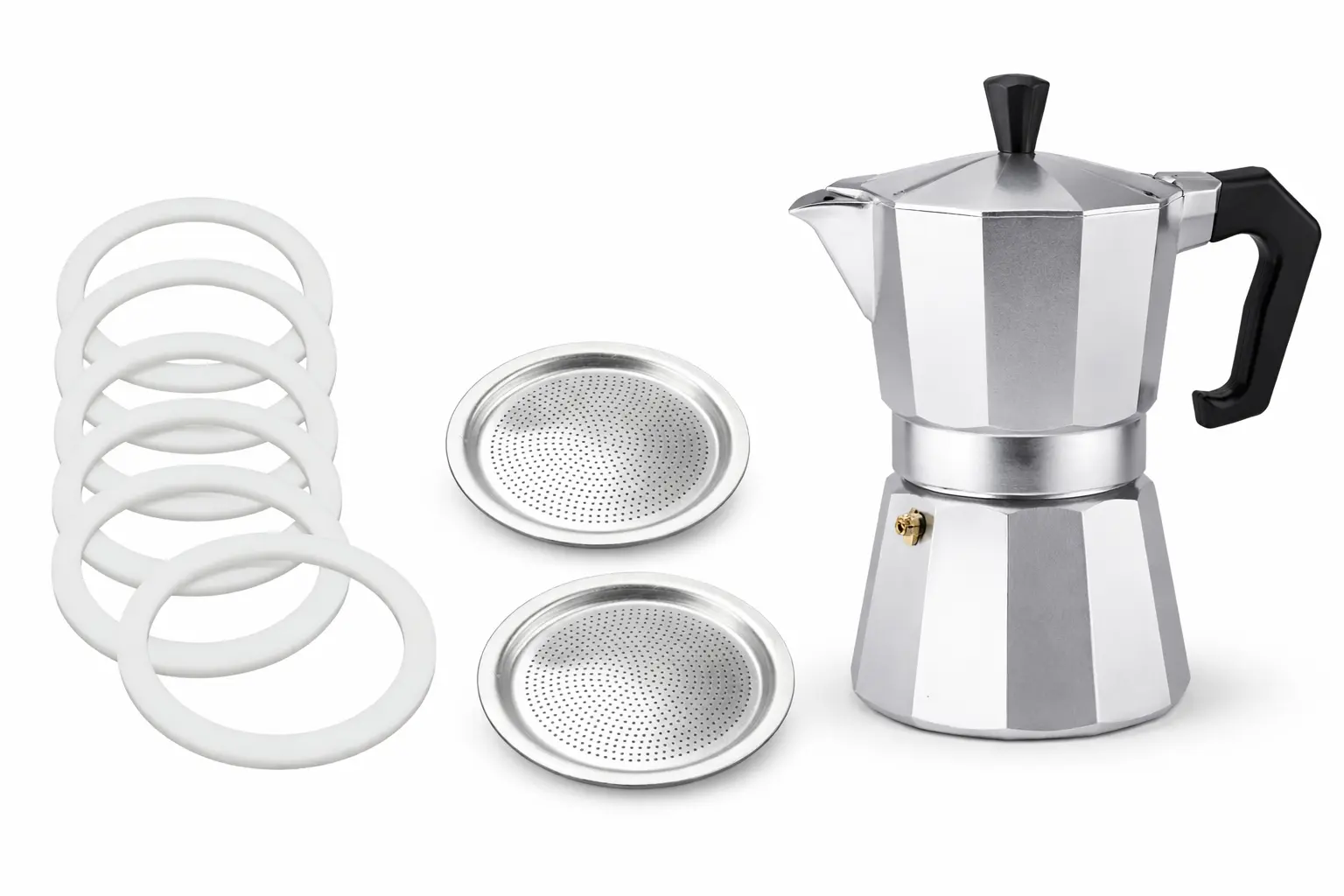
Gasket and filter plate set — Full refresh
Replaces the two parts that wear first, restoring the seal and an even flow through the coffee.
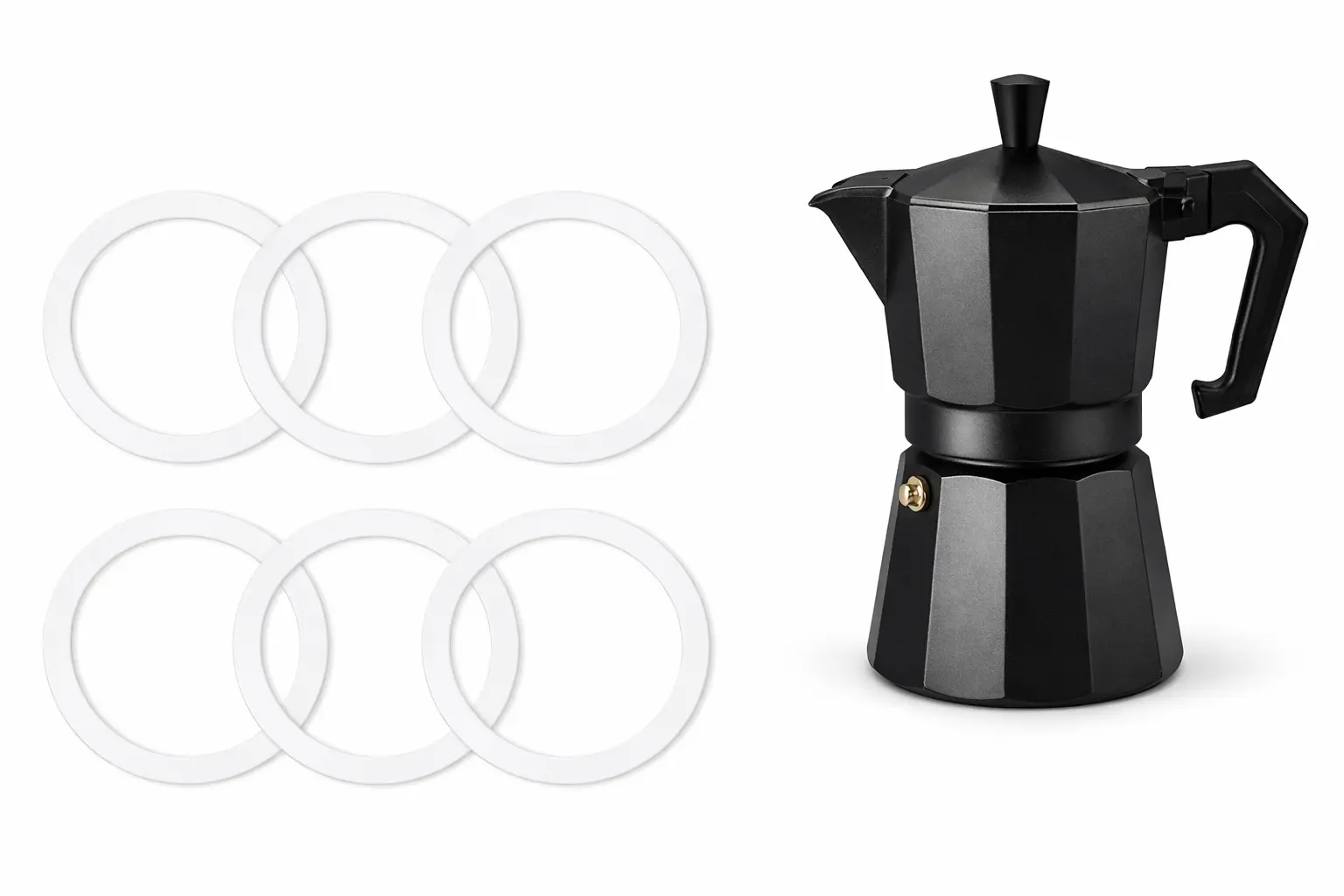
Silicone gasket — Longer-lasting seal
Silicone tends to resist heat and odors better than rubber, so it stays flexible longer between replacements.
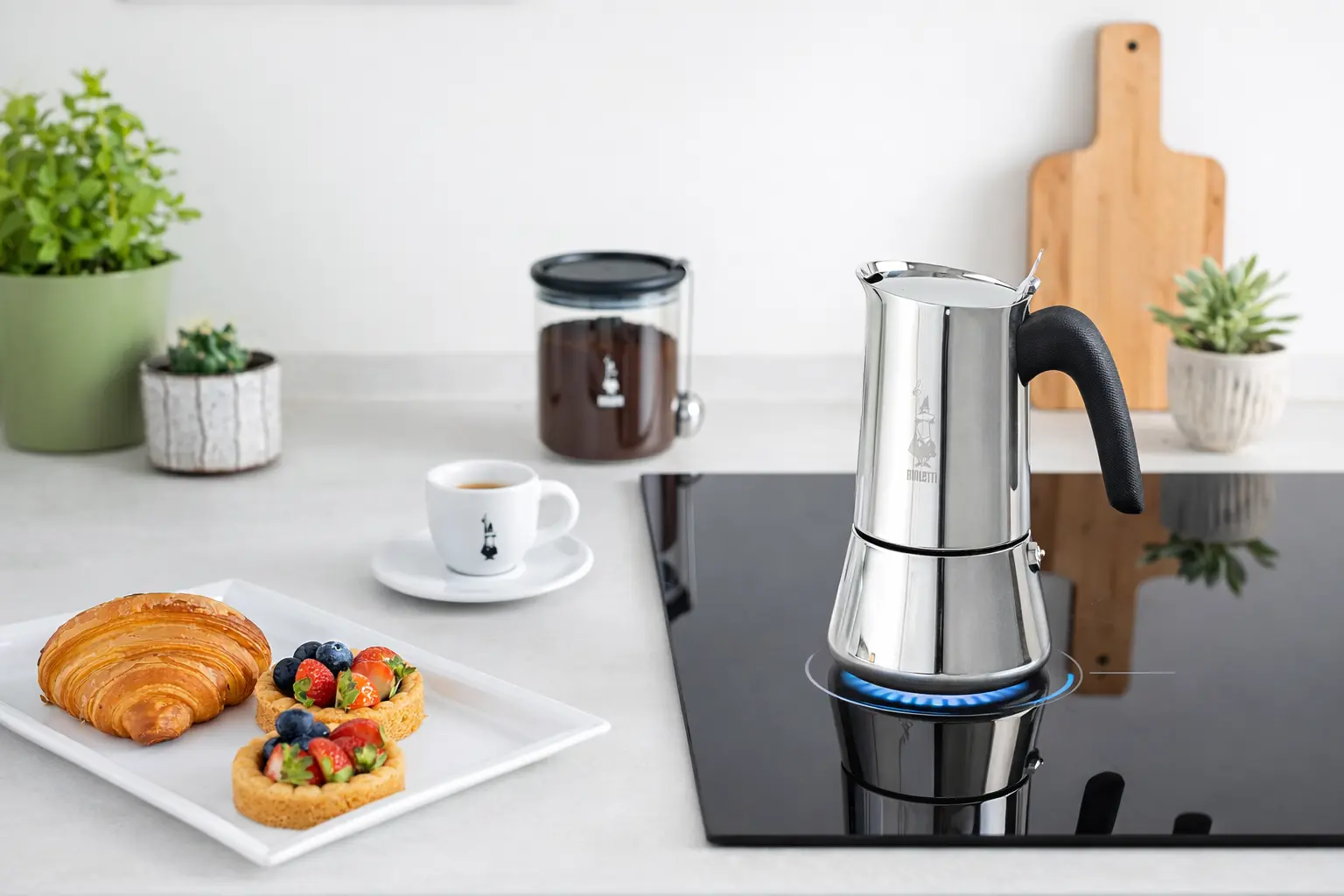
Bialetti Venus — Easier-care stainless
Stainless steel tolerates mild soap, resists discoloration, and works on induction hobs.
Affiliate disclosure: Amazon links may earn CoffeeGearHub a commission at no additional cost to you. Check that replacement parts match your pot’s brand and cup size.
Why a Moka Pot Needs Gentler Cleaning
Most classic moka pots, including the original Bialetti Moka Express, are made of aluminum. Aluminum is light and heats quickly, but it is a soft, reactive metal. Strong detergents, dishwasher cycles, and abrasive pads strip its surface, leaving it dull, discolored, and sometimes pitted. Bialetti advises against detergent on aluminum pots because it can affect both the metal and the taste of the coffee.
Many moka pot owners also deliberately leave a thin, light-brown coffee film inside the pot. It is harmless, and it helps prevent the faint metallic taste a freshly scrubbed aluminum pot can give. That is very different from leftover grounds and thick, stale oil, which turn rancid and make the next brew taste bitter and old. The goal is clean, not bare.
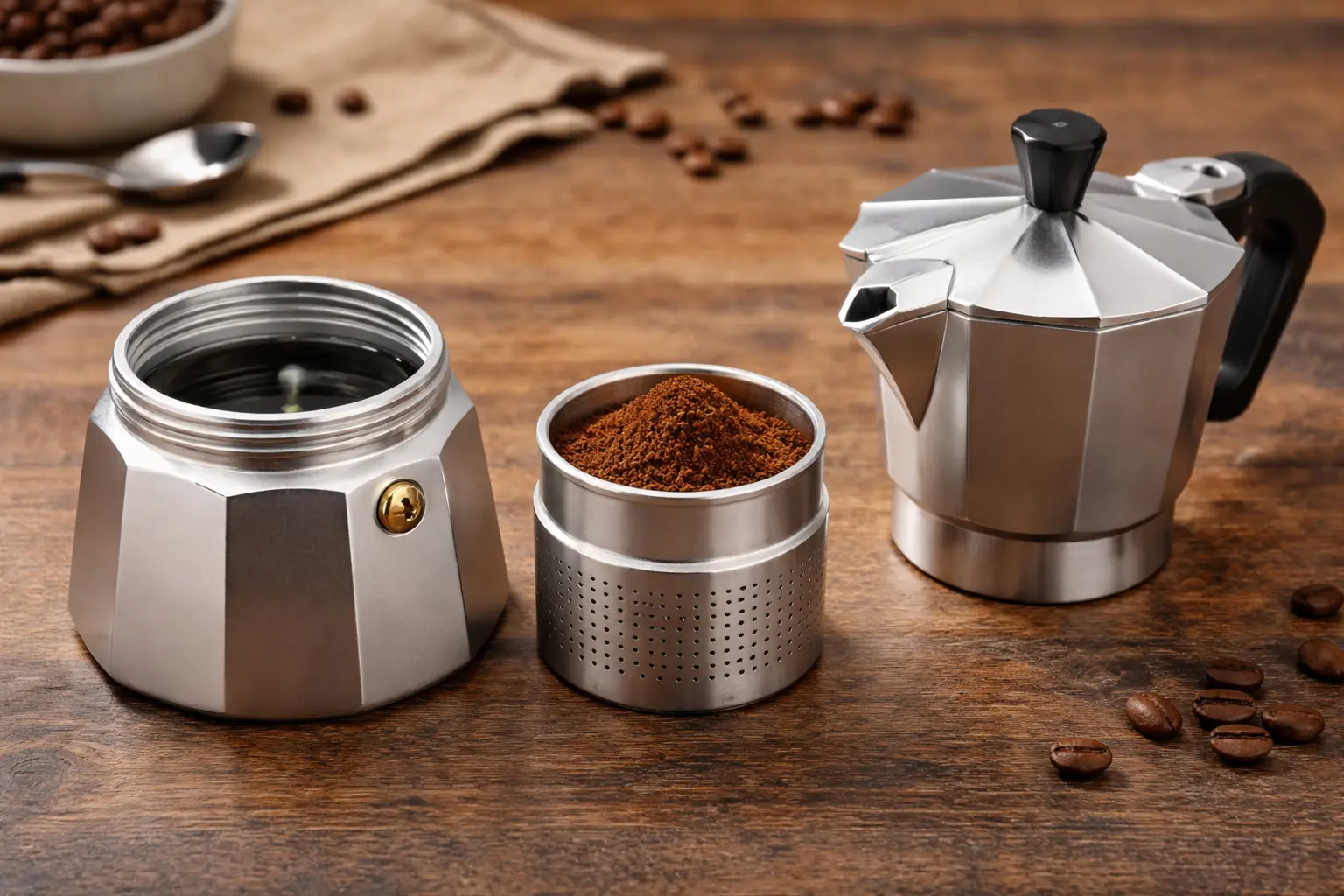
The parts that matter most are not the shiny outside but the small working pieces: the funnel that holds the coffee, the filter plate with its tiny holes, the rubber or silicone gasket that seals the pot, and the safety valve on the base. Keeping those clear and intact is what keeps the pot brewing evenly and safely. Our guide on how to use a moka pot explains how each part works during the brew.
The Daily Rinse
After each brew, let the pot cool completely before you open it. The base holds pressure and hot water, and unscrewing it while hot risks burns and can damage the threads. Once it is cool enough to hold comfortably, unscrew the top from the base by gripping the two bodies, not the handle. Bialetti specifically warns against using the handle to unscrew the pot, since it can break.
Lift out the funnel and knock the spent grounds into compost or the trash; a gentle tap on the edge of the bin is usually enough. Then rinse the base, funnel, and top under warm running water, using your fingers or a soft brush to loosen any grounds stuck in the funnel or on the underside of the filter plate. On aluminum, warm water alone is enough for daily cleaning.
The last step is the one most people skip: dry everything. Wipe the parts with a soft cloth and leave them to air-dry fully before reassembling. Water left sitting in an aluminum base causes oxidation, the chalky white spots many owners mistake for dirt, and trapped moisture also makes the gasket smell musty. This whole routine takes about two minutes.
A Weekly Deep Clean
Every week or two, depending on how often you brew, give the pot a more thorough clean. Take it fully apart, including popping out the filter plate and gasket from the top section if your pot allows it. Coffee oils and fine grounds build up behind them, and that hidden layer is a common source of stale or rancid flavors that a quick rinse never reaches.
Use a soft dish brush or an old toothbrush to scrub the filter plate, working the bristles through the holes from both sides so water can flow evenly again. Brush the threads on both the base and the top, where coffee collects and can make the pot hard to seal. Clean the seat where the gasket sits, then rinse everything well. If the filter plate holes are badly clogged, soaking the plate in warm water for a few minutes softens the residue first.
While the pot is apart, check the safety valve on the side of the base. It should be free of scale and coffee residue. You can gently press the valve’s pin to make sure it moves, and rinse around it. A blocked valve is a real safety issue, so if it looks heavily scaled or will not move, descale the base as described below or replace the pot.
Descaling the Base
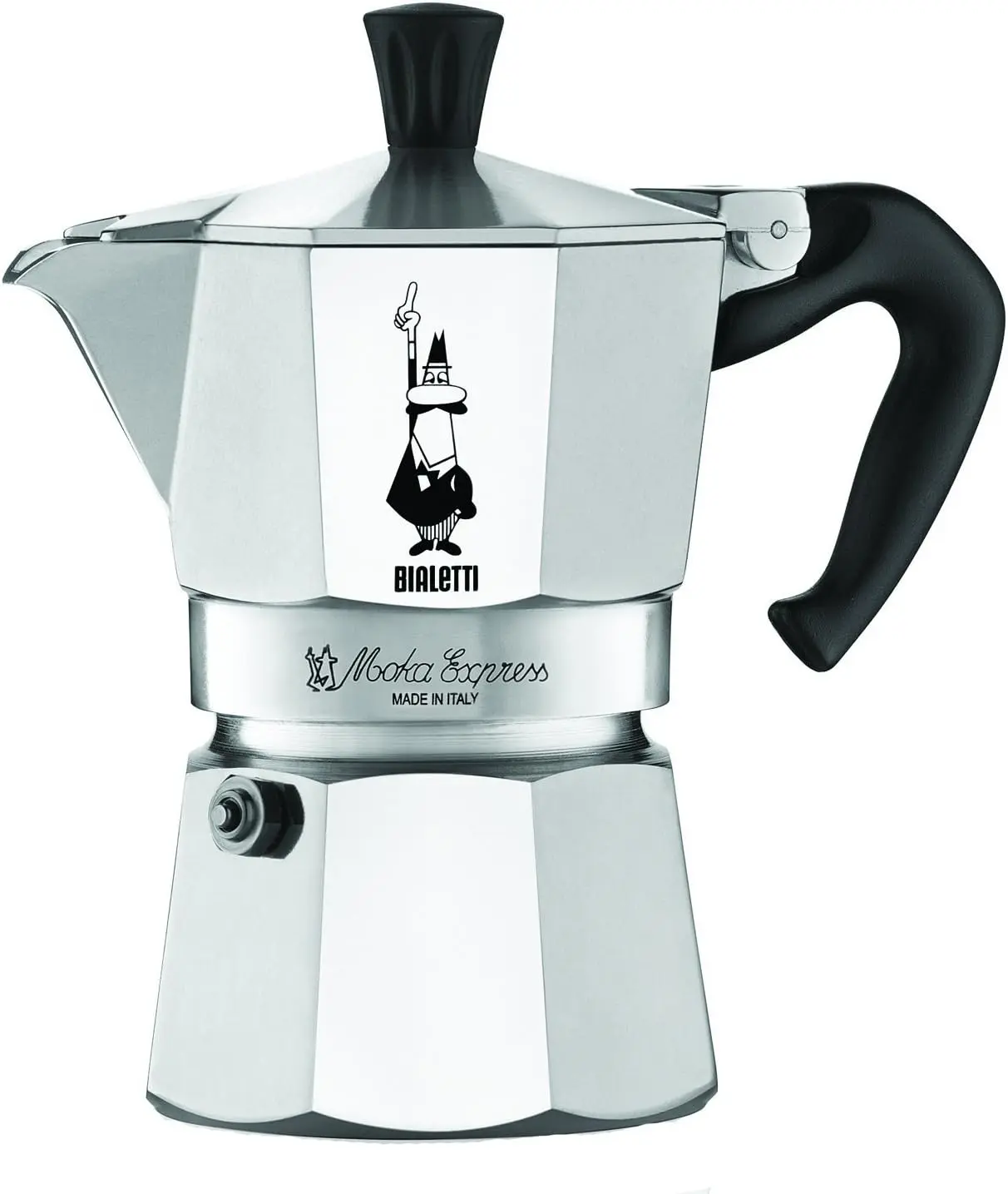
If you have hard water, white mineral deposits gradually build up inside the base where water is heated. Bialetti’s advice for white deposits or discoloration inside the base is to scrub with a dish brush in warm water mixed with white vinegar, then dry the pot thoroughly. That gentle approach handles most light buildup and is the safest place to start.
For heavier scale, a common method is to fill the base to the valve with equal parts water and white vinegar, assemble the pot without coffee, and heat it on the stove as if brewing. Discard the liquid, then run one or two more cycles with plain water to rinse away any vinegar taste. A food-safe citric-acid solution works the same way and smells less.
How often you need to do this depends entirely on your water. In soft-water areas, a moka pot may rarely need descaling at all; in hard-water areas, every month or two is reasonable. Using filtered water for brewing slows the buildup and often improves flavor too. Our guide to water quality for better coffee explains how hardness affects both.
Aluminum vs Stainless Steel Care
Aluminum and stainless steel moka pots need slightly different care, and knowing which you own avoids the most common mistakes. Aluminum pots, such as the Moka Express, are cleaned with warm water only, never go in the dishwasher, and should not be scrubbed with steel wool or abrasive cleaners. Some discoloration and dulling over time is normal and does not affect the coffee.
Stainless steel pots are more forgiving. Bialetti says mild detergent is fine on its stainless models, and stainless does not oxidize or discolor the way aluminum does. A stainless pot such as the Bialetti Venus also works on induction hobs, which aluminum cannot without an adapter. If you want a moka pot that tolerates a little more everyday soap and handling, stainless is the easier choice.
Even with stainless, Bialetti still advises against the dishwasher and abrasive products, since the gasket, valve, and handle are not designed for it. In both cases, drying the pot completely matters more than how hard you scrub. Our best moka pots guide compares aluminum and stainless models in more depth.
| Care step | Aluminum pot | Stainless steel pot |
|---|---|---|
| Daily cleaning | Warm water only | Warm water; mild soap is fine |
| Dishwasher | No | No |
| Abrasive pads or steel wool | No | No |
| White deposits | Warm water and white vinegar, then dry | Warm water and white vinegar, then dry |
| Induction hob | Needs an adapter plate | Usually works directly |
| Most important habit | Dry completely to prevent oxidation | Dry completely before storing |
Caring for the Gasket and Filter Plate
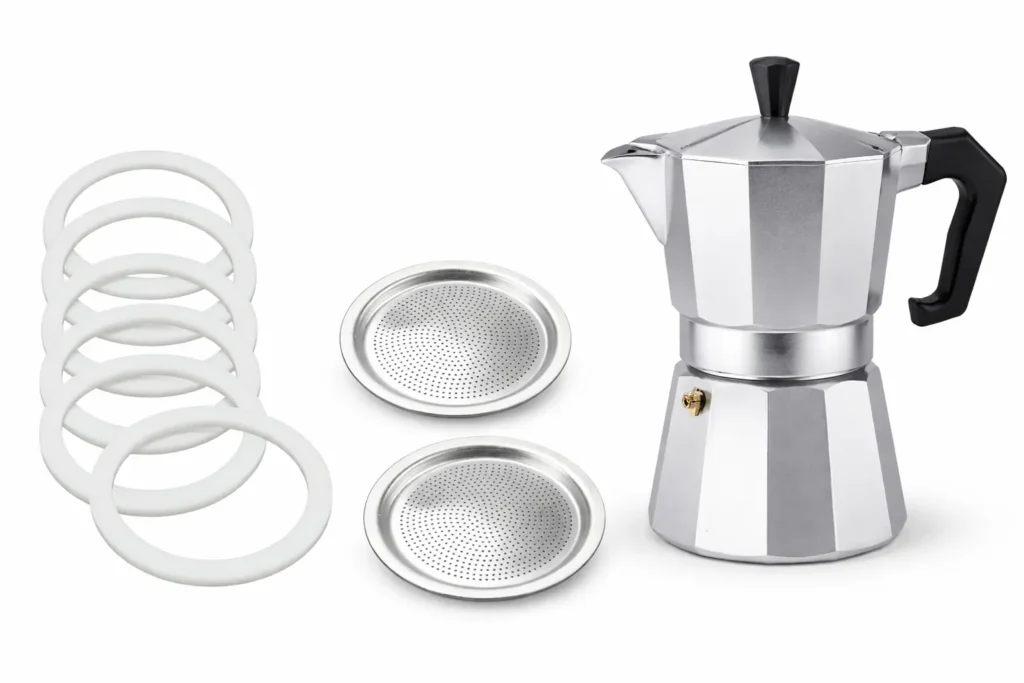
The gasket is the ring that seals the top to the base, and it is the part that wears out first. Heat gradually hardens it, and coffee oils soak into it. Signs it needs replacing include steam or coffee escaping at the seam, a pot that has to be screwed very tightly to seal, weak output, and a rubbery smell that cleaning does not remove. With daily use, many owners replace it about once a year.
A gasket and filter plate set lets you refresh both at once, which is worthwhile because a clogged or bent filter plate causes similar problems. A silicone gasket is a good upgrade, since silicone tends to resist heat and odors better than rubber. Always match parts to your pot’s brand and cup size.
To replace the gasket, pry out the old one and the filter plate from the top section with a blunt tool, clean the seat thoroughly, then press the filter plate back in followed by the new gasket, seating it evenly all the way around. A new gasket can feel stiff for the first few brews. Bialetti recommends discarding the first two or three brews from a new pot, and the same habit helps after fitting new parts.
What Never to Do
A few habits shorten a moka pot’s life quickly. The dishwasher is the biggest one: detergent and high heat dull and discolor aluminum, and they dry out the gasket and can damage the safety valve. Bialetti is explicit that its stovetop pots must not go in the dishwasher, whether aluminum or stainless.
Avoid steel wool, scouring powders, and harsh chemical cleaners. They scratch the surface, and on aluminum they remove the protective layer and can leave a taste. Bleach is never appropriate for a coffee pot. Do not leave brewed coffee sitting in the top chamber for hours, and do not leave water standing in the base overnight, since both encourage stains and oxidation.
Finally, never unscrew a hot pot, never force a pot closed by the handle, and never run it dry on the stove. Heating an empty pot can warp the base and damage the gasket. If you ever leave a pot on the heat too long and it boils dry, let it cool completely and check the gasket and valve before using it again.
Fixing Stains, Smells, and Metallic Tastes
Dark brown staining inside the top chamber is just coffee and is generally harmless; if it bothers you, a soak in warm water with a little vinegar or baking soda loosens it without harsh scrubbing. White, chalky spots inside an aluminum base are usually mineral scale or oxidation from water left standing. Brush them with warm water and vinegar, rinse, and make a habit of drying the base completely.
A rancid or stale smell usually comes from old oil trapped behind the gasket and filter plate. A proper deep clean with those parts removed fixes it; if the smell persists, the gasket has absorbed it and should be replaced. A metallic taste is most common in new pots or ones that have been scrubbed back to bare metal. Brewing and discarding a few pots of coffee builds up a thin protective layer and usually solves it.
If your pot leaks at the seam, spits, or brews weakly even after cleaning, the gasket or filter plate is the likely cause rather than dirt. Our moka pot troubleshooting guide walks through brewing problems such as sputtering, bitterness, and blockages, many of which come down to grind size or heat rather than cleaning.
Storing Your Moka Pot So It Lasts
How you store a moka pot matters almost as much as how you clean it. Bialetti recommends storing the parts separately so air can circulate. Screwing a pot tightly closed when it is still slightly damp traps moisture inside, which leads to oxidation spots on aluminum and a musty smell. It also keeps the gasket compressed, so it hardens and flattens faster.
The simplest approach is to keep the base, funnel, and top loosely stacked rather than screwed together, ideally somewhere dry rather than in a closed cupboard right after washing. If you brew daily, leaving the parts on a drying rack until the next morning works well. If you will not use the pot for a while, make sure every part is bone dry first.
With that routine, an aluminum moka pot can easily last decades, needing only a new gasket and occasionally a new filter plate. That longevity is one of the best things about the moka pot, and it depends far more on simple, consistent care than on any special cleaner. If you are choosing beans to go with a freshly cleaned pot, our best coffee beans for moka pot guide is a good next stop.
Our Recommendation
Clean your moka pot the gentle way: let it cool, take it apart by the bodies, knock out the grounds, and rinse in warm water, with soap only on stainless steel. Brush the filter plate and threads every week or two, remove white deposits with warm water and vinegar, and keep it out of the dishwasher. Dry every part completely and store it apart. When the seal starts to fail, a gasket and filter plate set or a silicone gasket restores it, and a stainless pot like the Bialetti Venus is the easier-care option if you are replacing the pot.
Refresh the Parts That Wear Out
A new gasket and filter plate restore the seal and the flow on most moka pots.
As an Amazon Associate, CoffeeGearHub earns from qualifying purchases.
Editorial bottom line: A moka pot needs a rinse, not a scrub. Warm water after every brew, a brush through the filter plate now and then, vinegar for scale, and thorough drying will keep it brewing well for years.
Frequently Asked Questions
Can I put a moka pot in the dishwasher?
No. Bialetti says its stovetop pots must not go in the dishwasher. Detergent and heat dull aluminum, can discolor it, and wear the gasket and valve faster.
Should I use soap on a moka pot?
Not on aluminum. Bialetti advises against detergent on aluminum pots because it can affect the metal and the coffee’s taste. A little mild soap is fine on stainless steel models.
How do I remove white deposits from my moka pot?
White deposits inside the base are usually mineral scale or aluminum oxidation. Scrub with a soft brush in warm water mixed with white vinegar, rinse thoroughly, and dry completely.
How often should I replace the moka pot gasket?
Replace it when it hardens, cracks, flattens, or lets steam escape at the seam. With daily use that is often about once a year. Match the gasket to your pot’s brand and cup size. Our moka pot accessories guide covers other useful parts.
Why does my moka pot coffee taste metallic?
A new or heavily scrubbed aluminum pot can taste metallic until a thin coffee layer builds up; brew and discard a few pots first. Old oil residue, a worn gasket, or hard water can also cause it.
Is it okay to leave coffee residue in a moka pot?
A light coffee film on aluminum is normal and harmless, but leftover grounds and stale oil turn rancid and spoil the next brew. Empty and rinse the pot after every use.
Sources and Further Reading
Cleaning, first-use, parts, deposit-removal, and storage guidance follow Bialetti’s published care advice for aluminum and stainless steel moka pots. Water hardness concepts follow the Specialty Coffee Association’s water and brewing standards. Replacement part details come from product listings. CoffeeGearHub did not test these products or methods hands-on; recommendations rely on manufacturer guidance and widely documented maintenance practice.
CoffeeGearHub product shortlist
Continue with related products on CoffeeGearHub
Review product categories and current verified merchant offers on CoffeeGearHub before leaving the site.