
Moka Pot Accessories: Best Upgrades for Better Coffee (2026)

Editorial standards: accessories were judged on whether they solve a specific moka pot problem (grind consistency, heat control, repeatability, sealing, induction compatibility, or milk drinks), using manufacturer documentation, published specifications, and brewing guidance. CoffeeGearHub does not claim hands-on testing where it has not occurred.
At a glance
What this moka pot accessories guide covers
Which moka pot accessories actually change the cup and which only add convenience: burr grinders, heat diffuser plates, scales, water, paper filters, replacement gaskets and filter plates, induction adapters, milk frothers, and cleaning tools, plus a repeatable brewing workflow, what to skip, and a symptom-by-symptom troubleshooting table.
Editorial analysis
The best moka pot upgrades fix a specific limitation
A moka pot has no thermostat, pump, or pressure gauge, so the result depends on a few things you control by hand: how evenly the coffee is ground, how quickly the base heats, how much coffee and water go in, and whether the gasket still seals. The accessories worth buying are the ones that make one of those variables easier to control.
That puts a burr grinder first, a heat diffuser and a scale next, and a fresh gasket whenever the old one is worn. Milk frothers and induction adapters solve narrower problems for the people who have them. Gadgets borrowed from espresso, such as tampers and distribution tools, mostly do not help.
The 30-Second Answer
The single best moka pot accessory is a burr grinder; the KINGrinder K6 is our pick for most people, and the Baratza Encore ESP is the electric alternative. After that, a heat diffuser plate smooths the heat ramp and a 0.1 g scale makes good brews repeatable. Replace the gasket when it stiffens or leaks, and add an induction adapter or milk frother only if your stove or drinks call for them.
Skip tampers, distribution tools, and pressure gadgets. They are built for espresso pucks and pump pressure, and they do little for a stovetop brewer. The money is better spent on a good burr grinder, which improves every cup you make.
Compare current options
Start with these representative choices
Start with the upgrades that change the cup most: grind consistency, heat control, and measurement. Replacement parts, induction adapters, and milk tools follow below.
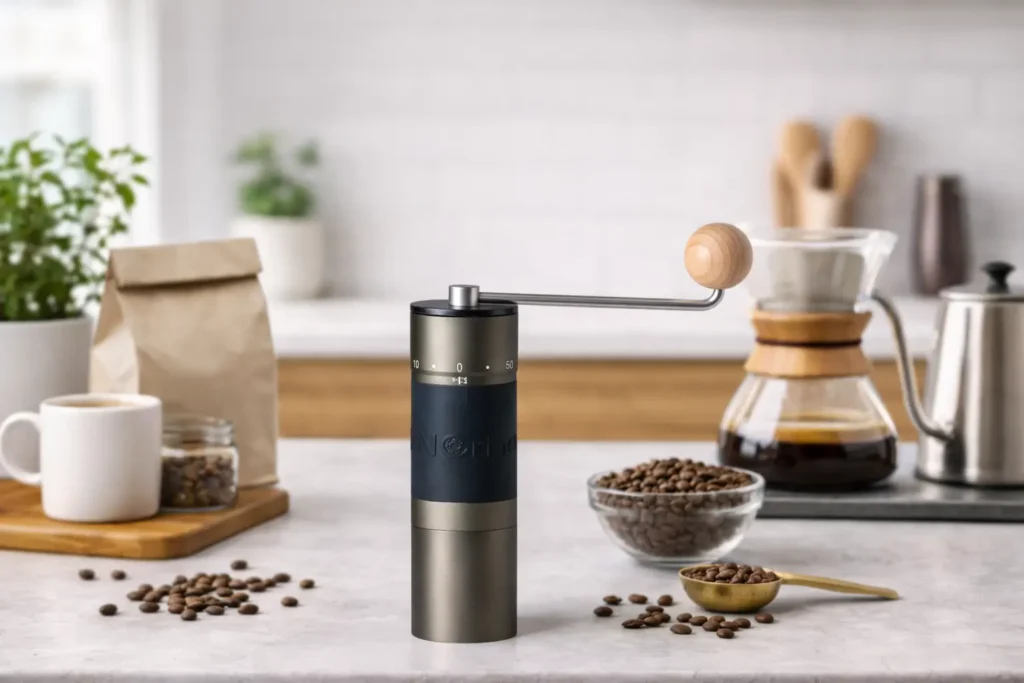
KINGrinder K6 — Biggest upgrade
A burr grinder with a numbered external dial makes an even medium-fine grind easy to find and repeat.
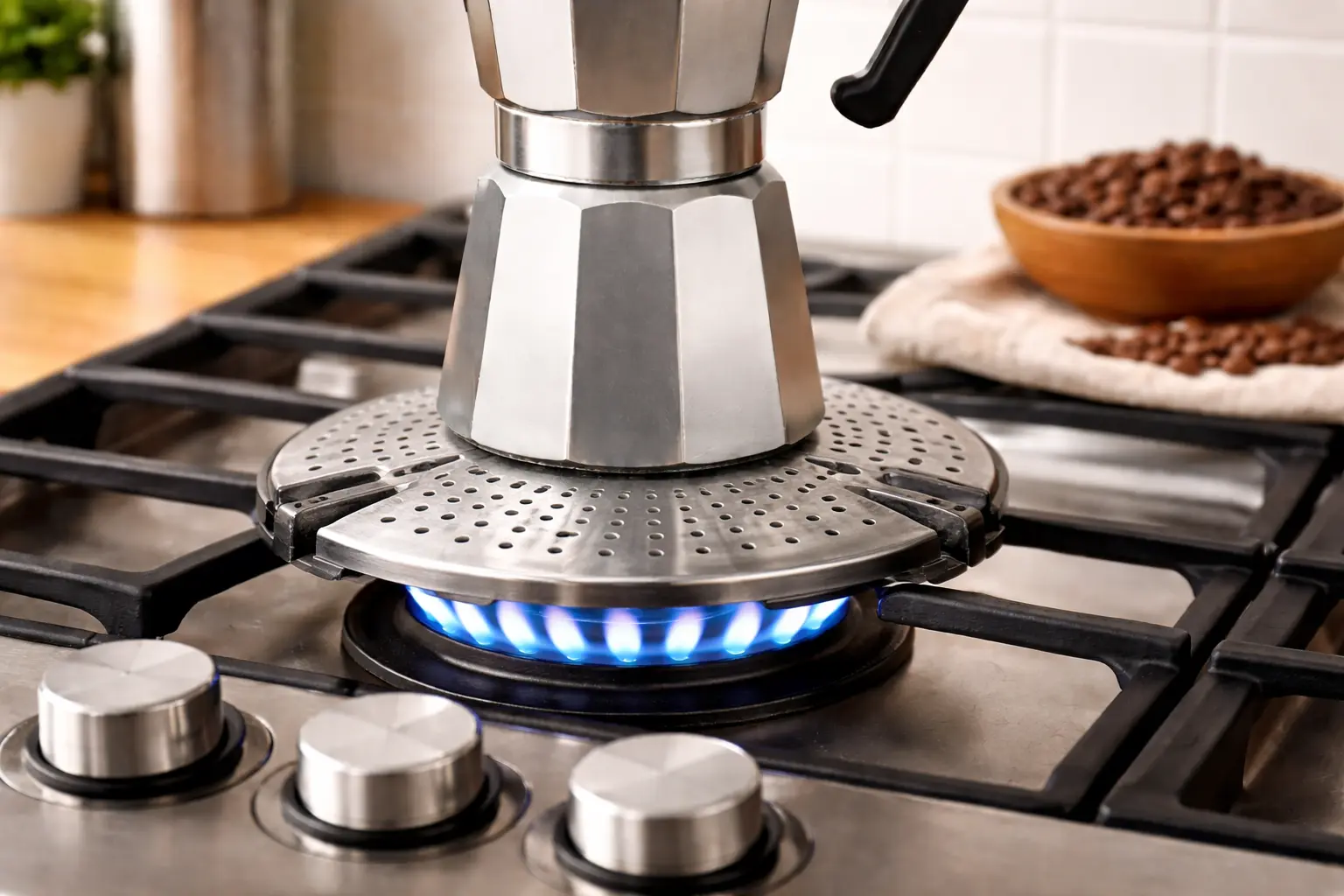
Heat diffuser — Smoother heat
Spreads and slows the heat so the brew runs calmly instead of rushing and sputtering, especially on gas and small pots.
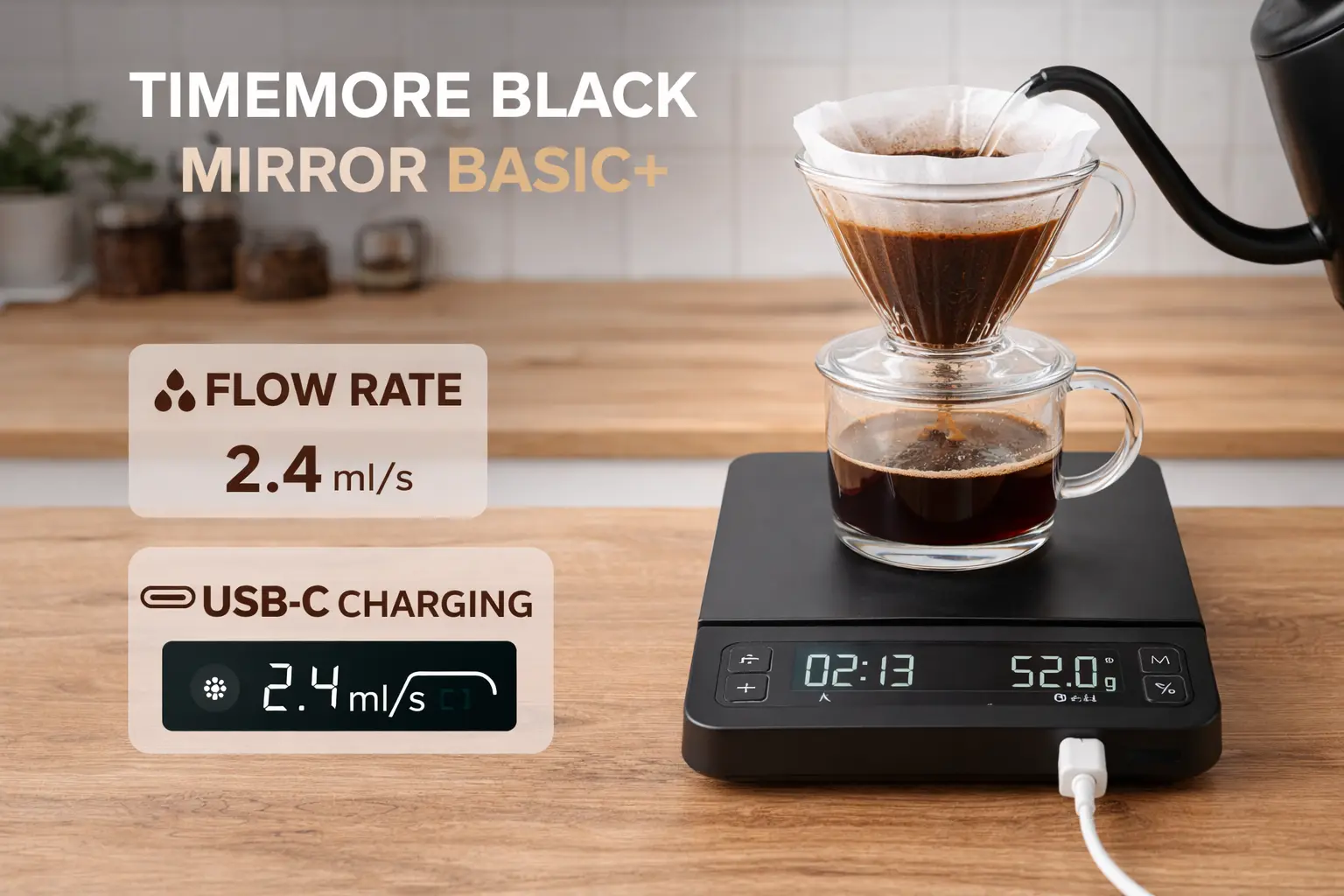
Timemore Black Mirror — Repeatability
A 0.1 g scale with a timer turns a good brew into a recipe you can repeat and adjust one variable at a time.
Affiliate disclosure: Amazon links may earn CoffeeGearHub a commission at no additional cost to you. Prices and availability can change.
Why Accessories Matter More for a Moka Pot
A moka pot sits between drip coffee and espresso. Water heats in the base, steam pressure builds, and hot water is pushed up through a bed of coffee into the upper chamber. There is no thermostat, no pump, and no gauge, so small changes in the things you control by hand show up directly in the cup: how fast the base heats, how evenly the coffee is ground, how much coffee and water you use, the water itself, and whether the gasket still seals.
Those variables interact. A finer grind adds resistance and slows the flow; more heat raises pressure and speeds it up. When the base heats too fast, the brew can go from a calm stream to violent sputtering in seconds, pushing very hot water and steam through spent grounds at the end and adding bitterness. When the grind is uneven, fine particles over-extract while coarse ones under-extract, so the cup is bitter and sour at once.
Good accessories make the brew gentler, more consistent, or cleaner. A burr grinder evens out the grind, a diffuser smooths the heat ramp, a scale makes the recipe repeatable, and a fresh gasket keeps pressure going through the coffee instead of out of the seam. Everything else is optional and depends on your stove and the drinks you make.
Moka Pot Accessories by Priority
The table ranks the accessories by how much they usually change the cup. Start at the top and stop when your coffee tastes the way you want; most people get the biggest gains from the first two or three, and the later items only matter if you have that specific problem.
| Accessory | Problem it solves | Priority |
|---|---|---|
| Burr grinder | Uneven grind, bitter-and-sour cups | Essential |
| Heat diffuser plate | Harsh finish, sputtering, hot spots | High |
| 0.1 g scale | Inconsistent dose and results | High |
| Replacement gasket and filter plate | Leaks, weak output, rubbery taste | When worn |
| Filtered water and paper filters | Flat or harsh notes, sludge | Medium |
| Induction adapter disc | Aluminum pot on an induction hob | Only if needed |
| Milk frother | Lattes and cappuccinos | Only if needed |
Burr Grinder: The Most Important Moka Pot Upgrade
If your moka coffee is harsh one day and weak the next, the grinder is usually the reason. A moka pot needs a medium-fine grind, finer than drip and coarser than espresso, and a burr grinder produces it much more evenly than a blade grinder. With fewer fines and fewer boulders, water flows evenly through the bed, and a one-step change on the grinder produces a predictable change in the cup.
The KINGrinder K6 is our recommended hand grinder for moka pot. Its 48 mm conical burrs grind a moka dose quickly, and the numbered external dial makes it easy to record a setting and return to it. If you would rather grind electrically, the Baratza Encore ESP has small steps in its finer range that suit moka pot well. Start at a table-salt texture, then go a step or two coarser if the cup is bitter and finer if it is sour. Our best grinders for moka pot guide compares six options, and the moka pot grind size chart shows the target.
Heat Diffuser Plate: Control the Heat Ramp
A heat diffuser plate sits between the burner and the moka pot and spreads the heat across its surface. The pot warms more gently and evenly, which helps the brew stay in its calm, steady phase longer and delays the sputtering, steam-driven end phase where most bitterness comes from. It also makes small pots usable on large burners, where flames would otherwise lick up the sides and heat the handle.
Diffusers help most on gas, where flame size is hard to judge, and on electric coil burners that cycle on and off. They add a little time to the brew, which is part of the point. If your coffee tastes burnt or ashy, or the pot sputters early, try a diffuser together with medium-low heat before changing anything else. Starting with hot, not boiling, water in the base also shortens time on the stove without rushing the brew.
Coffee Scale: Make Good Brews Repeatable
Many people brew by filling the basket and the base by eye. That works, but it makes problems hard to solve, because dose and water both change a little every time. A 0.1 g scale with a timer, such as the Timemore Black Mirror, turns the moka pot into a recipe: weigh the coffee and water once you like the result, and you can repeat it or change one variable at a time when something tastes off.
A moka pot’s basket and safety valve limit how far you can move the ratio, so treat ratios as a way to compare coffees and pot sizes rather than a target to chase. Around 1:7 coffee to water by weight gives a strong, concentrated cup that suits milk drinks, about 1:8 is a balanced starting point, and 1:9 or so gives a softer cup. Never fill the base above the safety valve to reach a ratio; adjust the dose instead.
Water and Paper Filters: Small Changes, Cleaner Cups
Water is most of the cup, and its mineral content changes how bitterness, sweetness, and acidity come across. Very hard water can make coffee taste chalky or harsh and builds scale in the base; very soft water can taste flat. A carbon filter pitcher or tap filter is the simplest improvement and removes chlorine taste. For maximum consistency, a low-mineral bottled water that tastes clean on its own works well. Our water quality guide covers mineral targets in detail.
A paper filter is the cheapest experiment on this list. Place a small round paper filter, such as an AeroPress filter, on top of the coffee bed so it sits under the upper filter plate when you assemble the pot. It catches fines that would otherwise reach the cup, which usually gives a cleaner, smoother finish and less sludge, especially with darker roasts. If you love the traditional thick body of moka coffee, leave it out.
Replacement Gaskets and Filter Plates: Fix Leaks and Off-Flavors
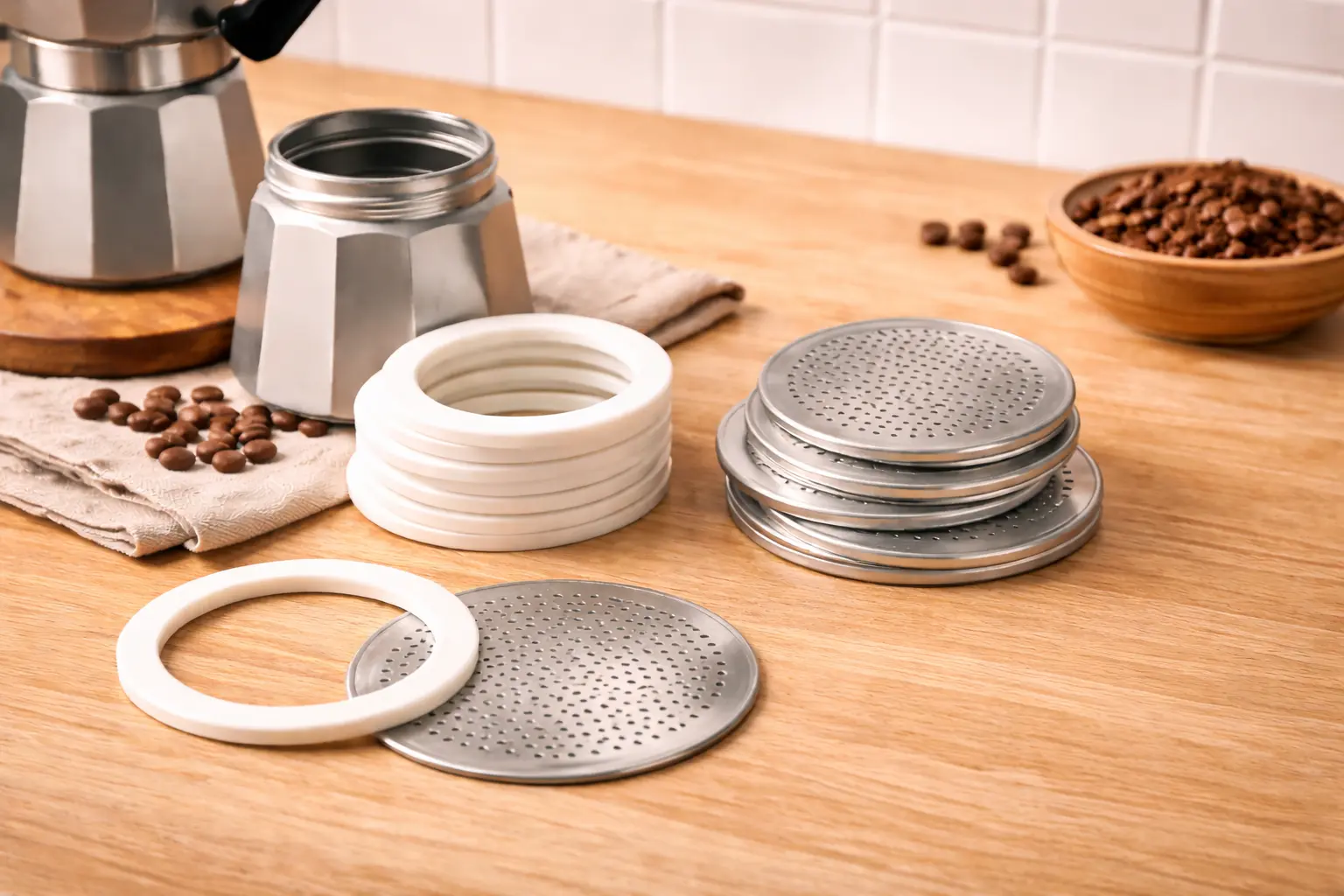
The gasket seals the upper chamber to the base, so it directly affects how the pot brews. When it hardens or flattens, steam escapes at the seam instead of pushing water through the coffee, and you get weak output and spitting at the joint. Old rubber also holds odors and can add a rubbery or stale taste. Signs it is time for a replacement gasket and filter plate set include steam leaking at the seam, weak output despite correct fill and grind, and a rubber smell that cleaning does not remove.
With daily use, many people replace the gasket roughly once a year; silicone gaskets tend to resist heat and odors better than rubber. Gaskets and filter plates are sized by brand and cup size, so match them to your pot before buying. A clogged or bent filter plate causes similar symptoms, and replacing it at the same time is inexpensive insurance.
Induction Adapter Disc: Use an Aluminum Pot on Induction
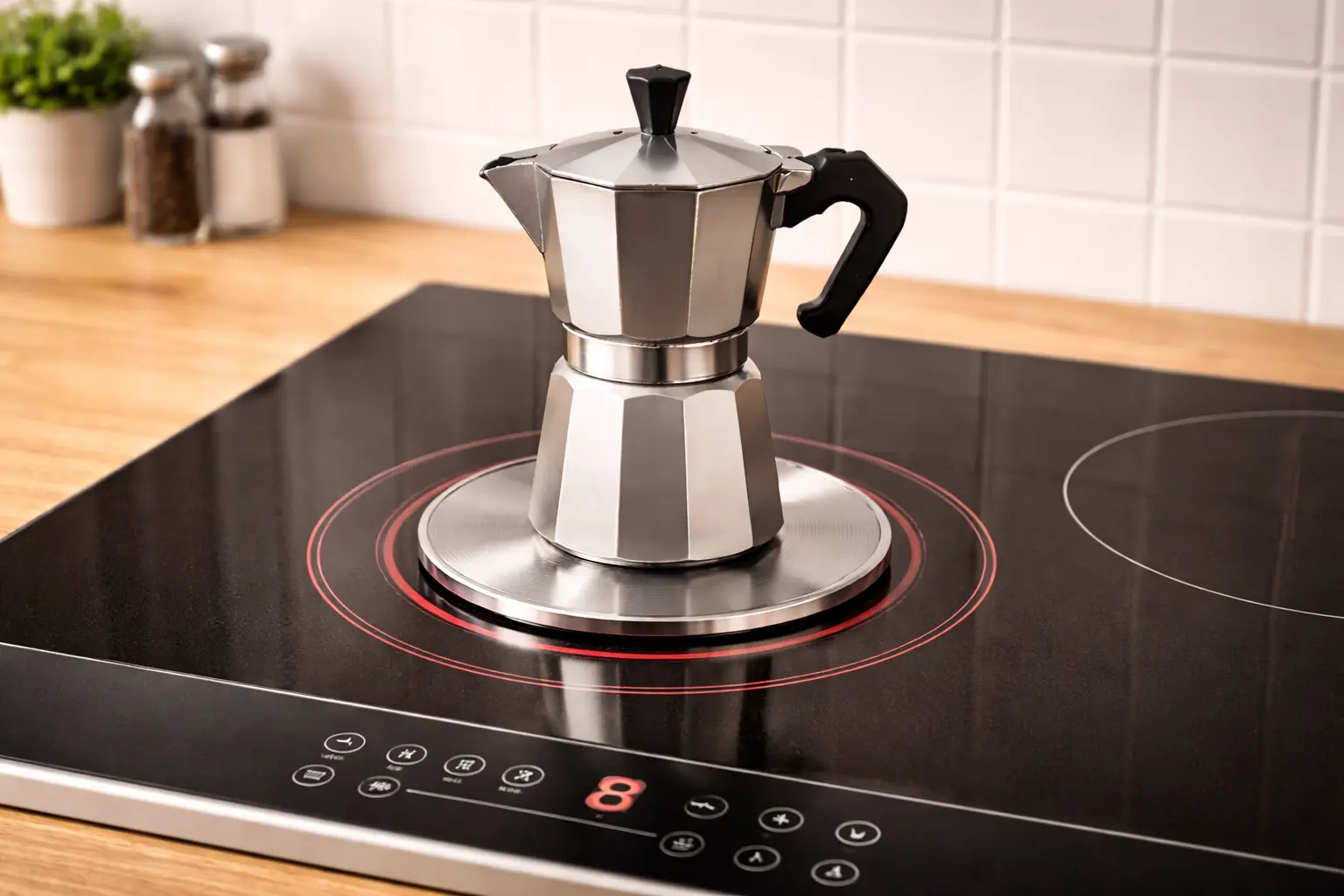
Classic aluminum moka pots do not work on induction hobs because aluminum is not magnetic. An induction adapter disc is a magnetic plate that the hob heats, and it passes that heat to the pot by contact. It lets you keep an aluminum pot you already like instead of replacing it.
Expect a slower, less responsive heat-up than direct induction, and keep the disc and pot centered on the zone. If you are buying a new pot for an induction kitchen, a moka pot with a magnetic stainless-steel base is simpler; our best moka pots guide notes which models are induction-ready.
Milk Frothers: Moka Lattes and Cappuccinos at Home
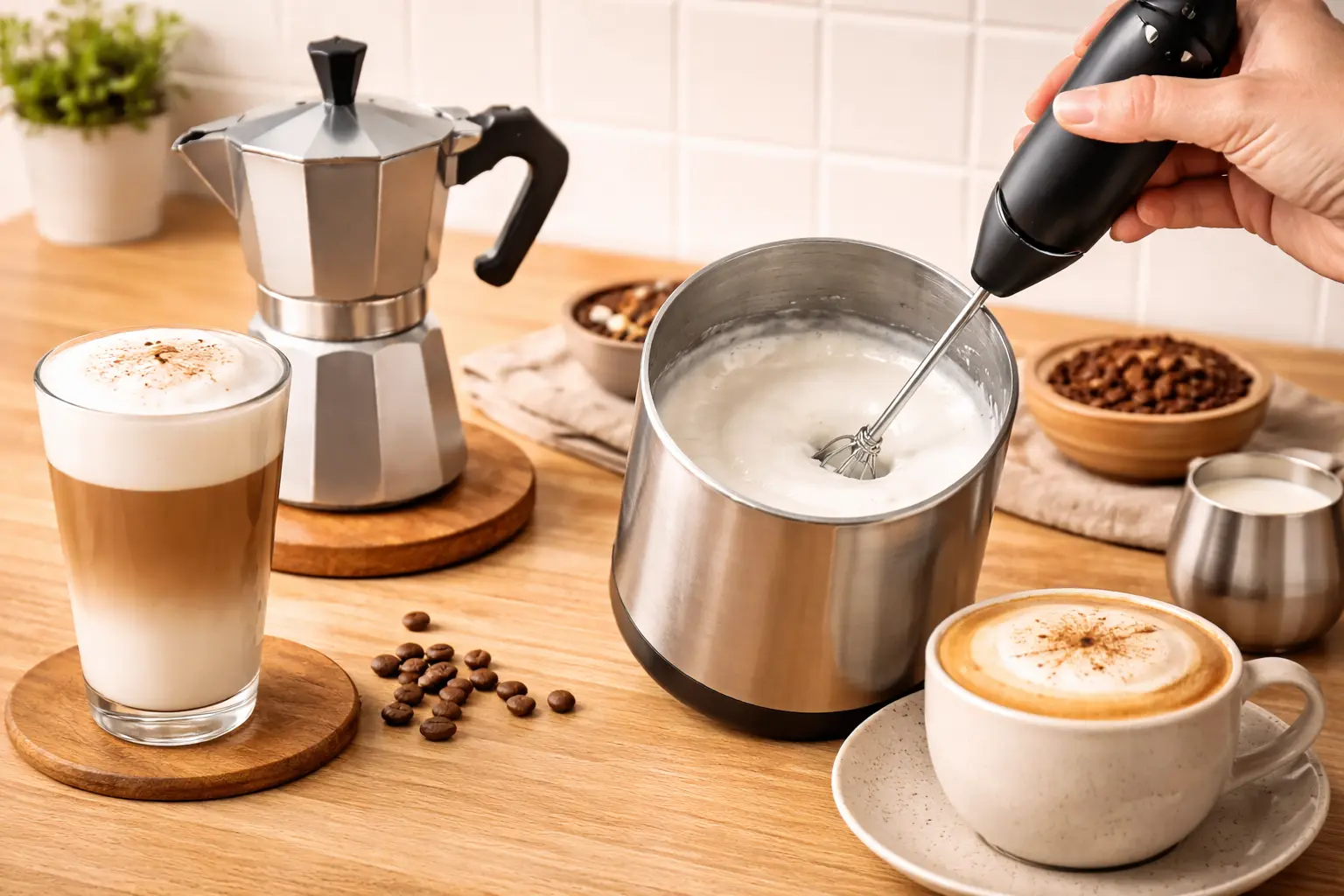
Moka coffee is strong and concentrated, which makes it a good base for milk drinks. A milk frother is the quickest way to turn it into a latte or cappuccino. Handheld wands are inexpensive and fast, and fine for casual foam and iced drinks. Automatic jug frothers heat and foam the milk with the least effort and the most consistent texture. Manual pump frothers can make good foam with practice and need no power.
Pour the textured milk from a small pitcher for more control, and use the stronger end of the ratio range so the coffee is not lost in the milk. Clean the frother right after each use, since dried milk is hard to remove. Our best milk frothers guide compares the main types.
Cleaning Tools: Prevent Metallic and Stale Flavors
Many moka pots that taste metallic or stale simply need cleaning. Coffee oils build up under the filter plate, around the gasket seat, and in the threads, and they turn rancid over time. A small brush for the threads and filter holes and a soft cloth for drying cover most of it. Bialetti recommends rinsing aluminum pots with warm water and avoiding dishwashers and harsh detergents, which can discolor the metal.
Dry the pot fully and store it unassembled so moisture and odors are not trapped inside. Do not leave brewed coffee sitting in the upper chamber, and avoid abrasive scouring pads on aluminum. Every few weeks, remove the gasket and filter plate to clean the seat behind them. If the base shows mineral deposits, a descaling solution or diluted vinegar followed by thorough rinsing will clear it.
A Repeatable Moka Pot Workflow
Accessories help most when they support the same routine every time. This workflow uses the grinder, scale, and diffuser together to keep the brew calm and the cup sweet. For the full method, see our how to use a moka pot guide.
- Fill the base with hot, filtered water to just below the safety valve.
- Grind medium-fine and fill the basket level without tamping; add a paper filter on top if you like a cleaner cup.
- Assemble firmly by hand, using a cloth to hold the hot base.
- Brew on medium-low heat, on a diffuser if you have one, with the lid open so you can watch the flow.
- Stop early when the stream turns pale or starts to gurgle, then cool the base under cold water.
Moka Pot Accessories You Can Usually Skip
Several espresso tools do not translate to a moka pot. Tampers compress the bed, which raises resistance and usually makes the coffee harsher; the moka pot basket should be filled loose and level. Distribution or WDT tools make a large difference for espresso pucks but little for a shallow, low-pressure moka basket. Pressure gauges and thermometers that attach to the pot can be interesting, but they rarely change what you would do next, which is adjust grind and heat by taste. Spend the money on a better grinder instead.
Troubleshooting Moka Pot Problems by Symptom
Change one variable at a time, starting with grind and heat, because they fix most problems. The table lists common symptoms, their likely causes, and the order to try fixes in, so you can work from the cheapest and most likely fix to the least.
| Symptom | Likely cause | Try in this order |
|---|---|---|
| Bitter, harsh, or dry finish | Heat too high, grind too fine, brewed too long | Lower heat or add a diffuser; grind coarser; stop earlier |
| Weak, sour, or watery | Grind too coarse, basket under-filled, stale beans | Grind finer; fill the basket level; use fresher beans |
| Sputtering early | Heat too high, grind too fine, worn gasket | Reduce heat; grind coarser; check the gasket |
| Metallic taste | Oil buildup, old gasket, hard water | Deep clean; replace the gasket; use filtered water |
| Steam at the seam | Worn or poorly seated gasket | Tighten firmly; replace the gasket if stiff or flat |
| Sour and bitter together | Uneven grind from a blade grinder | Switch to a burr grinder |
For problems beyond grind, heat, and seals, such as a stuck safety valve or a pot that will not brew, see our moka pot troubleshooting guide, which walks through each issue and when a part needs replacing rather than cleaning.
Our Recommendation
If you buy only one moka pot accessory, make it a burr grinder; the KINGrinder K6 gives the biggest improvement for the money, and the Baratza Encore ESP is the electric alternative. Add a heat diffuser if your coffee is harsh or the pot sputters, and a scale if you want to repeat good brews and fix bad ones logically. Replace the gasket when it shows wear, try filtered water and paper filters as cheap refinements, and buy an induction adapter or milk frother only if your kitchen or your drinks need one.
Start With the Upgrade That Changes the Cup
A burr grinder fixes the most common moka pot problem; a diffuser plate is the next step for harsh, sputtering brews.
As an Amazon Associate, CoffeeGearHub earns from qualifying purchases.
Editorial bottom line: The best moka pot accessories control grind, heat, and measurement. Start with a burr grinder, add a diffuser and scale, keep the gasket fresh, and skip espresso gadgets that do not suit a stovetop brewer. Change one thing at a time so you know which upgrade made the difference.
Frequently Asked Questions
What is the single best accessory for a moka pot?
A burr grinder. Grind consistency drives moka pot flavor more than anything else, because an even grind gives an even flow through the coffee bed. The KINGrinder K6 is our recommended starting point; see our best grinders for moka pot guide for more options.
Do paper filters improve moka pot coffee?
They can. A small round paper filter, such as an AeroPress filter, placed on top of the coffee bed under the upper filter plate catches fines, which usually makes the cup cleaner and less bitter. Skip it if you like the traditional heavy body.
Should I tamp coffee in a moka pot?
No. A moka pot relies on modest steam pressure, so tamping makes the bed too resistant, slows the flow, and tends to produce harsh coffee. Fill the basket level and loose, brush the rim clean so the gasket seals, and adjust strength with grind and dose instead.
How often should I replace a moka pot gasket?
Replace it when it hardens, cracks, flattens, smells of rubber, or lets steam escape at the seam. With daily use that is often around once a year. Check that the replacement matches your pot’s brand and cup size, and clean the gasket seat before fitting it.
Can I use an aluminum moka pot on induction?
Not directly. Aluminum is not magnetic, so induction hobs will not heat it. An induction adapter disc sits on the hob and heats the pot by contact, or you can choose a moka pot with a magnetic stainless-steel base that works on induction directly.
Is a scale necessary for moka pot brewing?
Not essential, but it is one of the cheapest ways to make results consistent. Weighing coffee and water lets you change one variable at a time, so you can tell what actually improved the cup instead of guessing between several changes.
Sources and Further Reading
Moka pot operating and care guidance draws on Bialetti’s instructions for filling, heat, and cleaning, and on manufacturer documentation for KINGrinder (K6) and Baratza (Encore ESP). Water guidance follows the Specialty Coffee Association’s water and brewing standards. Accessory descriptions rely on published specifications; CoffeeGearHub did not test these accessories hands-on.
CoffeeGearHub product shortlist
Continue with related products on CoffeeGearHub
Review product categories and current verified merchant offers on CoffeeGearHub before leaving the site.
Continue Learning
In this guide