
Ethiopian Coffee Guide
Editorial standards: established origin research is separated from generalized flavor expectations. Region, plant material, producer, processing, roast, crop, and brewing method can all change the cup, so regional tasting notes are treated as tendencies rather than guarantees.
At a glance
What this guide covers
Understand Yirgacheffe, Sidama, Guji, and Harar; compare washed and natural processing; choose beans by flavor direction; and match Ethiopian coffee to your brew method.
Editorial analysis
Buy by region + process + roast, not by region alone
Ethiopia contains exceptional Arabica genetic diversity, but a regional name cannot predict a cup by itself. Processing and the individual lot often matter just as much as geography.
Start with the flavor direction you want, then verify process, roast, producer or lot information, and current roaster tasting notes.
The 30-Second Answer
Ethiopia is the native home of Coffea arabica and contains much of the species’ major genetic diversity. For buyers, the most useful way to choose an Ethiopian coffee is not by region alone: combine the regional label with processing method, roast level, producer information, and the roaster’s current tasting notes.
Washed Yirgacheffe-style coffees are a sensible starting point if you want clean floral and citrus clarity. Natural-processed coffees from Sidama, Guji, Harar, and other areas are often chosen for heavier fruit and more fermentation-driven character.
Compare current options
Two Ethiopian profiles to start with
Coffee lots change by crop and roaster, so these links use broad searches rather than locking the guide to a single bag that may disappear.
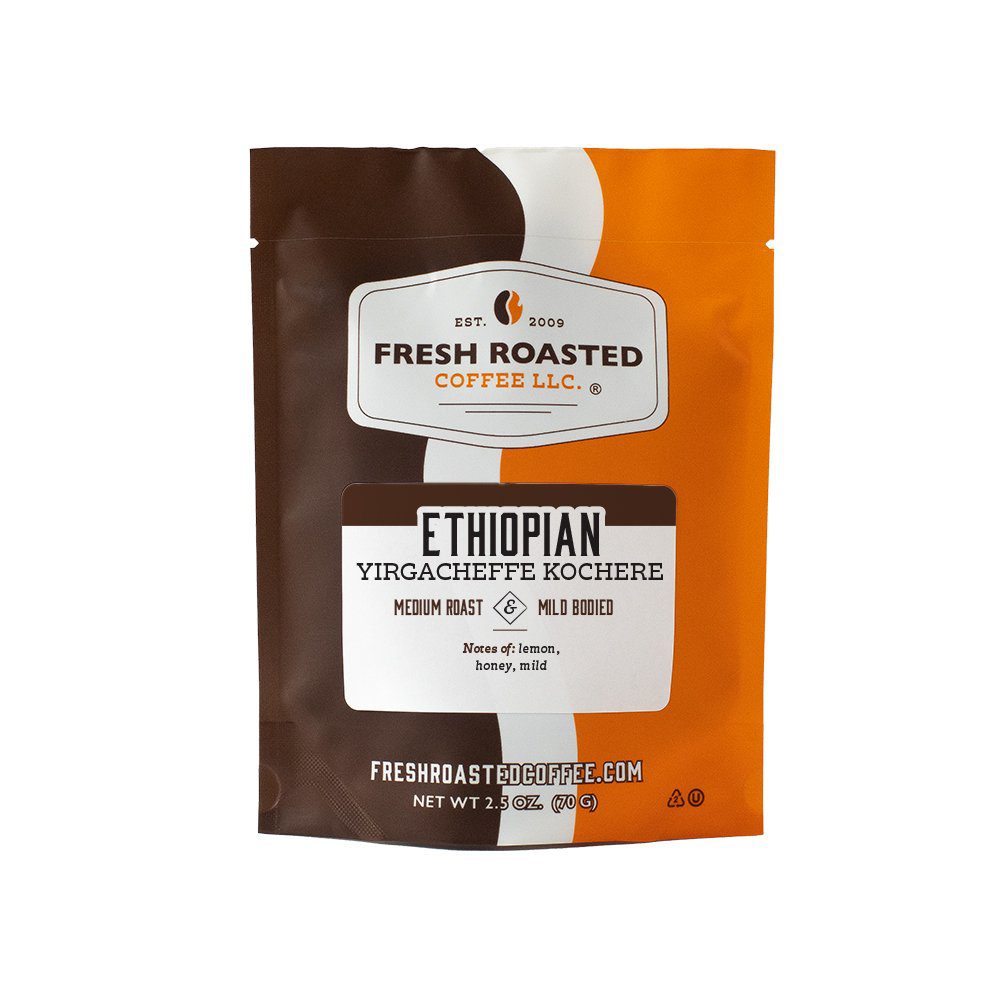 Yirgacheffe-style washed coffeesA useful starting point for buyers looking for clean floral, citrus, and tea-like profiles.Browse current Amazon options →
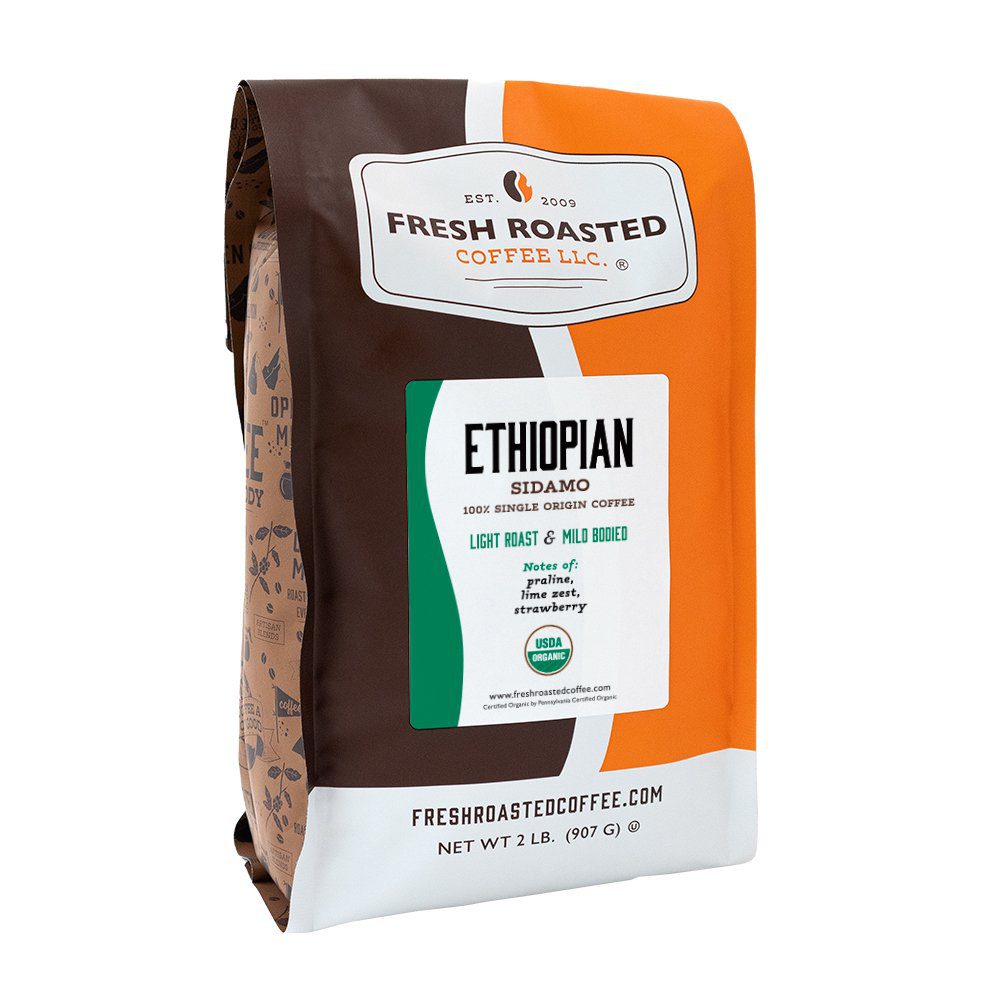 Sidama natural coffeesA useful direction for buyers who want fuller fruit, more body, and a more expressive natural-process cup.Browse current Amazon options →
Affiliate disclosure: These Amazon links may earn CoffeeGearHub a commission at no additional cost to you. Verify current origin, processing, roast, seller, and crop details before purchasing.
Why Ethiopian Coffee Tastes So Different
Coffea arabica is native to Ethiopia, and World Coffee Research identifies Ethiopia as the place where much of the species’ major genetic diversity is found. That diversity matters because the coffees grown across Ethiopia are not simply one standardized variety planted over a large area.
Local plant material, elevation, soil, rainfall, farm practices, cherry selection, fermentation, drying, storage, roast development, and brewing all shape the final cup. This is why two coffees carrying the same regional name can taste very different.
Use regional labels as orientation rather than promises. They help narrow the search, but the roaster’s current lot information and processing details usually tell you more about the coffee you are actually buying.
The Major Ethiopian Coffee Names Buyers See
Yirgacheffe, Sidama, Guji, and Harar are among the best-known names on retail coffee bags, but they do not function like flavor recipes. Each covers many producers and lots, and boundaries between historical coffee names, administrative regions, and trade labeling can be complicated.
Yirgacheffe is strongly associated in specialty coffee with high-aroma washed coffees, often described with floral, citrus, tea-like, or stone-fruit notes. Natural Yirgacheffe lots can move in a much fruitier direction.
Sidama/Sidamo appears across a broad range of washed and natural coffees. Expect substantial variation rather than one fixed profile.
Guji is often marketed for highly expressive floral and fruit character, but processing and producer information still matter more than the name alone.
Harar/Harrar has a long association with natural processing and heavier fruit, cocoa, spice, or wine-like descriptions. Again, treat those as tendencies rather than guarantees.
Washed vs Natural Processing
Processing can change the sensory direction of Ethiopian coffee as much as region. In a washed process, fruit is removed before drying and fermentation is managed around the seed and mucilage. These coffees are commonly chosen for clarity, defined acidity, and a cleaner separation of floral or citrus notes.
In a natural process, the coffee cherry dries around the seed. That longer contact with the fruit can produce heavier body, berry-like sweetness, tropical-fruit character, or fermented notes. Poorly managed naturals can also taste overly boozy or muddy, so the quality of drying and sorting matters.
Experimental processing—extended fermentation, anaerobic methods, and other producer-specific techniques—can push flavor even further. When a bag highlights an unusual process, read the roaster’s notes carefully rather than assuming it will taste like a classic regional profile.
CoffeeGearHub may earn from qualifying Amazon purchases at no additional cost to you.
How to Read Ethiopian Coffee Tasting Notes
Words such as jasmine, bergamot, blueberry, peach, lemon, black tea, strawberry, wine, or cocoa are sensory descriptions—not added flavorings. They describe aromas, acidity, sweetness, body, and aftertaste that tasters associate with familiar foods and flowers.
Light roasts usually preserve more origin character, which is why many specialty Ethiopian coffees are sold light to medium. A darker roast can still be enjoyable, but roast-derived chocolate, caramelized, smoky, or bitter flavors begin to dominate the subtler floral and fruit notes.
If you are new to highly aromatic coffees, start with a washed light or medium-light Ethiopian coffee. If you already enjoy fruit-forward naturals, look for clear process information and recent roast dates rather than buying by region name alone.
Best Brew Methods for Ethiopian Coffee
Pour over is a natural fit for washed Ethiopian coffees because paper filtration and controlled flow can emphasize clarity. A V60 or similar cone brewer can highlight acidity and aroma, while a flat-bottom brewer can make the extraction more forgiving.
AeroPress is useful when you want more body without losing too much clarity. Standard drip brewers also work well when grind size and water temperature are stable. French press can suit natural coffees when you enjoy heavier texture and fruit, though sediment can blur delicate aromatics.
Start with your normal brew ratio and change one variable at a time. Light roasts often benefit from hotter water and a sufficiently fine grind, but taste should determine the final setting rather than a fixed number copied from another coffee.

Grind, Water, and Temperature Matter More Than the Origin Label
Even an excellent Ethiopian coffee can taste dull when the water is poor, the grind distribution is inconsistent, or the recipe is too weak. Use fresh water with a balanced mineral profile, grind immediately before brewing when possible, and keep your dose and yield consistent while dialing in.
If the cup is sharply sour and thin, increase extraction by grinding a little finer, using hotter water, or extending contact time. If it is harsh, drying, or hollow, move in the opposite direction. The goal is to preserve aroma while building enough sweetness to support the acidity.
Storage and Freshness
Store whole beans in an airtight, opaque container away from heat, moisture, and direct sunlight. Avoid repeatedly opening a large bulk bag if you can divide it into smaller sealed portions.
Light-roast Ethiopian coffees can be aromatic for weeks, but there is no universal “perfect day” after roast because density, roast style, packaging, and brewing method vary. Use the roaster’s guidance, then pay attention to how the coffee changes over time.
Ethiopian Coffee Buying Guide by Profile
| What you want | Good starting direction | What to verify on the bag |
|---|---|---|
| Floral, citrus, tea-like clarity | Washed Yirgacheffe or similar washed Ethiopian lot | Washed process, light roast, recent roast date |
| Berry-heavy, fruit-forward cup | Natural Sidama or Guji | Natural process, producer/lot information, roast level |
| Heavier fruit, cocoa, wine-like character | Natural Harar/Harrar direction | Current tasting notes and process details |
| Easy everyday brewing | Medium-light washed Ethiopian coffee | Balanced tasting notes and brew recommendations |
| Experimental flavors | Producer-specific fermented or anaerobic lot | Exact process and roaster description |
How to Choose an Ethiopian Coffee
- Pick the processing style first. Washed for clarity; natural for heavier fruit; experimental processing if you actively want fermentation-driven character.
- Use region as a filter, not a guarantee. Yirgacheffe, Sidama, Guji, and Harar are useful labels, but individual lots vary.
- Read the roast level. Light and medium-light roasts usually preserve more origin character.
- Check the roast date and packaging. Freshness and storage can matter more than brand recognition.
- Buy a smaller bag first. Learn whether you actually enjoy the profile before buying in bulk.
Frequently Asked Questions
What does Ethiopian coffee usually taste like?
Common descriptions include floral, citrus, berry, stone-fruit, tea-like, cocoa, spice, and wine-like notes. The exact cup depends on lot, process, roast, and brewing.
Is Yirgacheffe always floral?
No. Regional labels are not flavor guarantees. Washed Yirgacheffe is often associated with floral and citrus clarity, but natural lots and different roasts can taste very different.
What is the difference between washed and natural Ethiopian coffee?
Washed coffees often emphasize cleaner acidity and clarity; naturals often have heavier fruit and body. Quality and flavor vary within both methods.
What roast level is best?
Light to medium-light is a common choice when you want to preserve origin character, but the best roast depends on your taste and brew method.
Which brew method should I use?
Pour over is excellent for clarity, AeroPress is flexible, drip is practical, and French press can work well for fruit-forward naturals when you want more body.
Sources and Further Reading
Primary references: World Coffee Research Arabica catalog for the species’ Ethiopian origin and genetic diversity; Specialty Coffee Association for specialty-coffee preparation resources; and current roaster/producer information for individual lots.
CoffeeGearHub shortlist
Gear for brewing Ethiopian coffee
Use these CoffeeGearHub product pages to compare specifications and current verified merchant offers before leaving the site.
Continue Learning
In this guide
- The 30-Second Answer
- Why Ethiopian Coffee Tastes Different
- Major Ethiopian Coffee Names
- Washed vs Natural Processing
- How to Read Tasting Notes
- Best Brew Methods
- Grind, Water, and Temperature
- Storage and Freshness
- Buying Guide by Profile
- How to Choose an Ethiopian Coffee
- Frequently Asked Questions
- Sources and Further Reading
- Continue Learning