Last updated: February 2026 • 17 min read
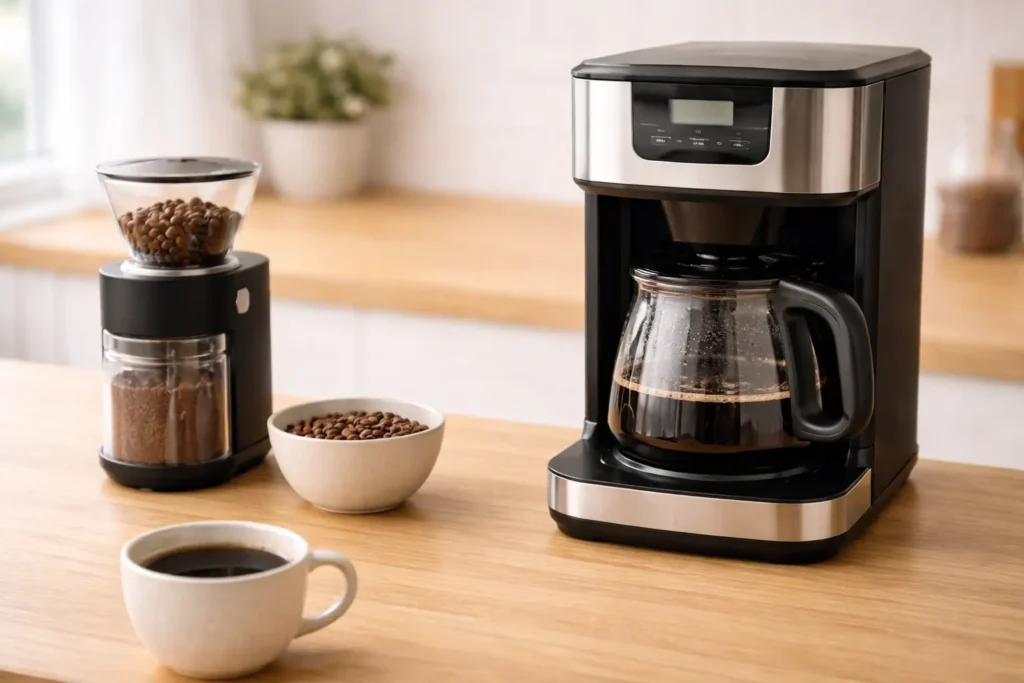
Quick takeaway: Drip coffee makers are designed for consistency—but the beans you choose still determine whether your coffee tastes smooth and balanced or flat and bitter. This guide focuses on beginner-friendly beans that brew well in automatic drip machines without requiring precise technique.
Key Takeaways
- Medium and medium-dark roasts work best for most drip machines
- Chocolate-forward, low-acid beans taste smoother in auto brewers
- Consistency matters more than origin complexity
- Fresh whole beans outperform pre-ground every time
If you’re just starting out, review the basics in our Coffee Brewing Foundations guide before dialing in beans.
What Makes Coffee Beans Good for Drip Coffee Makers?
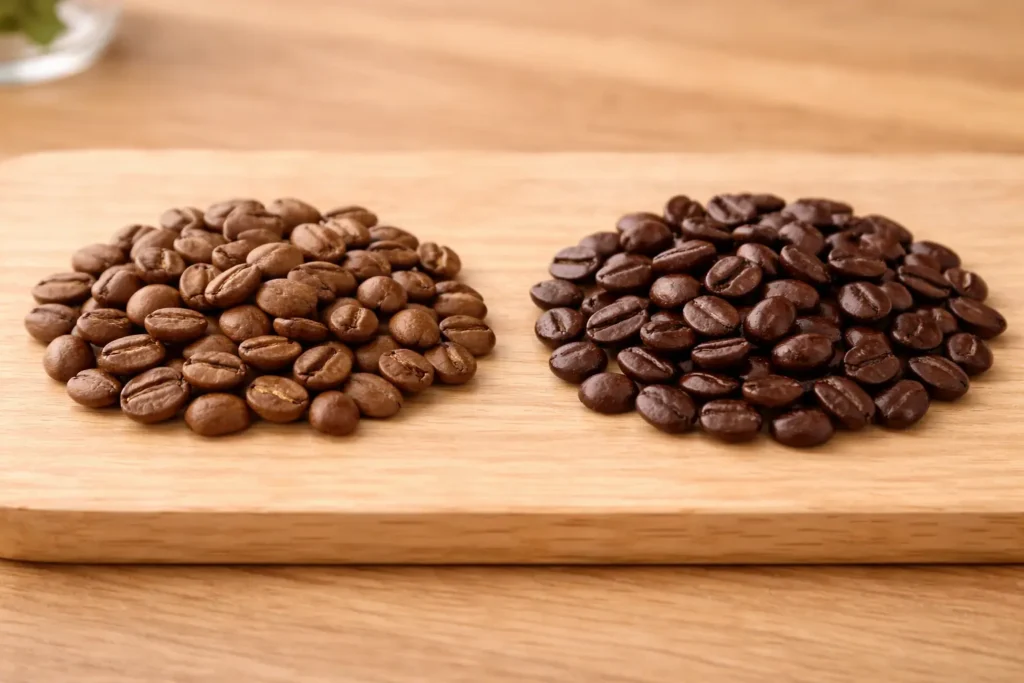
Automatic drip machines extract coffee quickly and at a fixed water temperature. That means beans need to be forgiving and balanced—there’s very little room to compensate for roast flaws or uneven extraction.
- Medium to medium-dark roast: Extracts evenly at standard brew temps
- Low to moderate acidity: Prevents sour or sharp cups
- Balanced sweetness: Chocolate, nut, caramel notes shine
- Even roasting: No oily surface or burnt aroma
If your drip coffee tastes bitter or weak, beans are often part of the issue—but grind size and ratios matter too. See our coffee grind size chart and drip coffee ratio guide.
How to Choose Beans Based on Your Drip Machine
Not all drip coffee makers brew the same way. Matching beans to your machine improves flavor instantly.
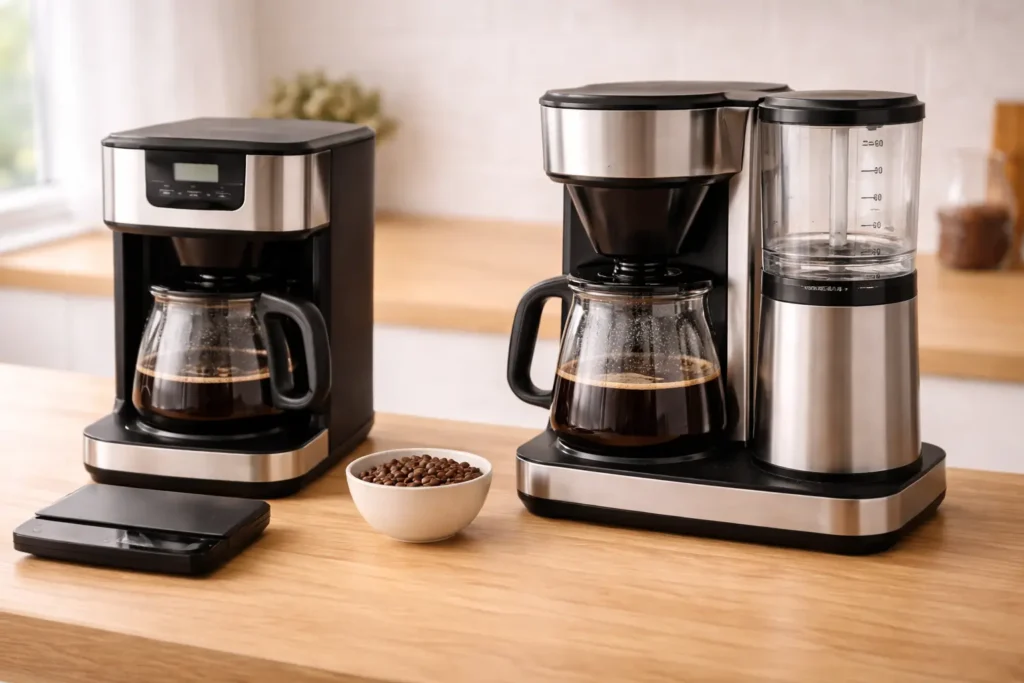
Standard Home Drip Machines (Mr. Coffee, Hamilton Beach)
- Medium or medium-dark roasts
- Blends outperform single origins
- Chocolate and nutty profiles work best
SCA-Certified Brewers (Technivorm, Bonavita)
- Medium roasts or balanced light-medium roasts
- More origin character comes through
- Freshness matters more
What Good Drip Coffee Should Taste Like
- Aroma: Sweet, familiar, inviting
- First sip: Smooth, not sharp
- Body: Medium, not watery
- Finish: Clean, no harsh bitterness
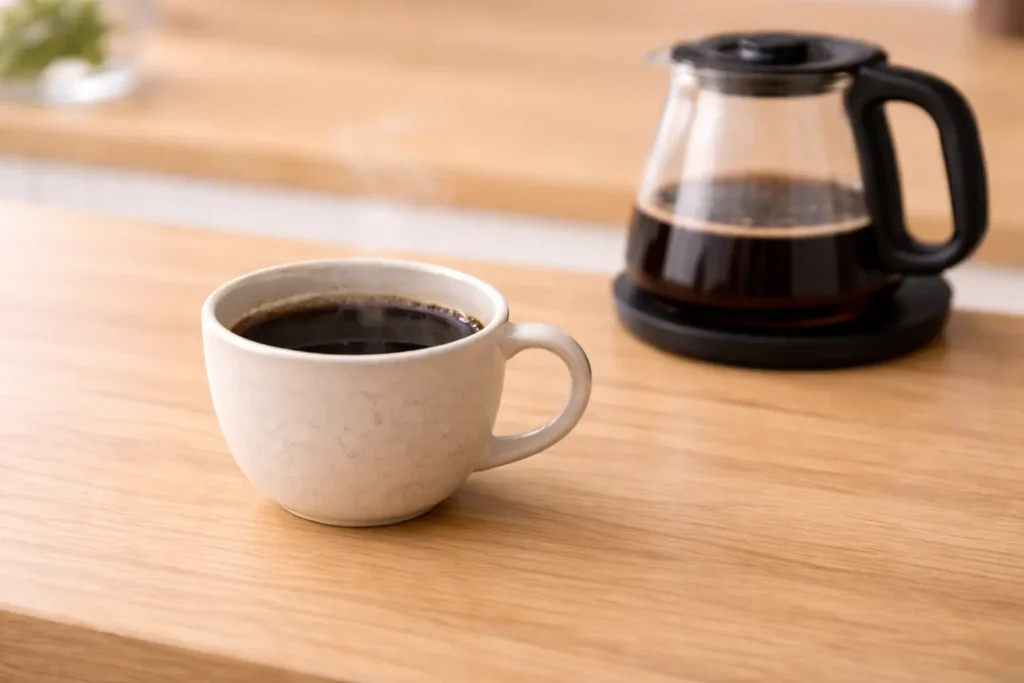
If your coffee tastes bitter, the roast may be too dark. If it tastes thin, the beans may be stale or under-dosed.
How These Beans Were Selected
- Performs well in automatic drip machines
- Extracts evenly at common ratios (1:15–1:17)
- Forgiving with grind inconsistency
- Widely available and consistently roasted
Peet’s Coffee Major Dickason’s Blend
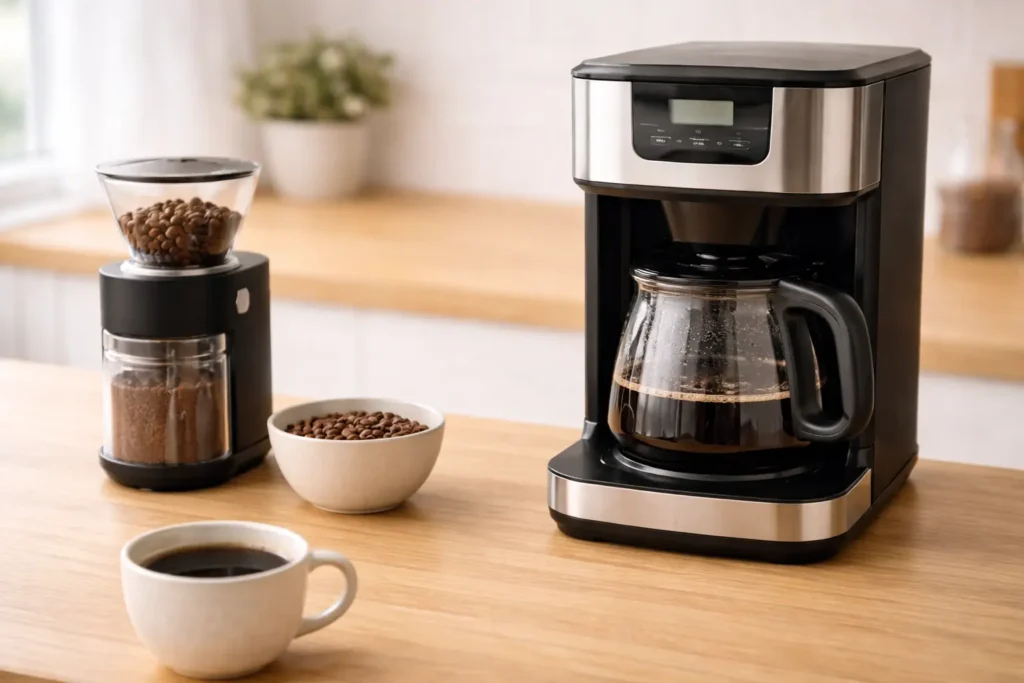
A classic for a reason. This blend delivers rich body and chocolate depth that works exceptionally well in standard drip machines.
- Flavor: Dark chocolate, spice
- Roast: Medium-dark
- Best for: Standard home drip brewers
Starter recipe: 60g coffee per liter • Medium grind
Lavazza Qualità Rossa
Extremely forgiving and consistent, this blend produces smooth, familiar drip coffee with minimal bitterness.
- Flavor: Cocoa, dried fruit
- Roast: Medium
- Best for: Large-batch drip coffee
Starter recipe: 55–60g coffee per liter • Medium grind
Stumptown Founder’s Blend
A balanced option that bridges specialty quality with everyday drinkability.
- Flavor: Toffee, citrus, cocoa
- Roast: Medium
- Best for: SCA-certified brewers
Starter recipe: 58g coffee per liter • Medium grind
Side-by-Side Comparison
| Coffee | Roast | Best Machine | Flavor Profile |
|---|---|---|---|
| Major Dickason’s | Medium-dark | Standard drip | Chocolate, bold |
| Qualità Rossa | Medium | Large-batch drip | Smooth, cocoa |
| Founder’s Blend | Medium | SCA-certified | Balanced, sweet |
Common Mistakes When Choosing Beans for Drip Coffee
- Choosing ultra-light roasts for basic machines
- Buying pre-ground coffee too far in advance
- Overpaying for delicate origins that get lost
- Using espresso roasts in drip brewers
FAQs
What roast is best for drip coffee?
Medium and medium-dark roasts extract best in most drip machines.
Can I use pour-over beans in a drip machine?
You can, but lighter roasts may taste sour unless the machine brews hot enough.
Is whole bean better for drip coffee?
Yes. Grinding fresh significantly improves aroma and flavor.
Are expensive specialty beans worth it for drip coffee?
Not always. Many drip machines can’t fully showcase delicate flavor notes from very expensive beans. Fresh, well-roasted, moderately priced beans often taste better and more consistent in automatic brewers.
Should I use whole bean or pre-ground coffee for drip brewing?
Whole bean coffee is always the better choice. Grinding fresh improves aroma, sweetness, and body, and allows you to adjust grind size for better extraction.
Why does my drip coffee taste bitter even with good beans?
Bitterness often comes from over-extraction, which can be caused by too fine a grind, too much coffee, or very dark roasts. Adjusting grind size and dose usually fixes the issue.
How fresh should coffee beans be for drip coffee?
Beans taste best when used within 7–28 days after roasting. Older beans lose sweetness and aroma, while overly fresh beans may taste sharp or uneven.
What’s the easiest way to improve drip coffee without buying a new machine?
Start with fresher beans, grind them just before brewing, and use the correct coffee-to-water ratio. These changes often improve flavor more than upgrading equipment.
Next Steps: Improve Your Drip Coffee
These guides build naturally on what you’ve learned here. Start by dialing in technique, then refine grind, beans, and water for consistently better drip coffee.
Tip: Change one variable at a time—beans, grind size, ratio, or water—to clearly taste improvements.