Last updated: February 2026 • 18–22 min read
Quick takeaway: If you want better coffee at home, a grinder matters more than your coffee maker. A good burr grinder gives you consistent grind size, better flavor, and easier dialing-in for drip, pour-over, French press, and even espresso. This guide explains what to buy, what to skip, and which grinders actually make sense for home brewing.
This guide is written for real home brewers—small kitchens, everyday routines, and practical budgets.
Key Takeaways
- Burr grinders are far better than blade grinders for home brewing
- Consistency matters more than grind speed or fancy features
- You don’t need espresso-level precision for great drip or pour-over
- A grinder upgrade improves flavor more than a new brewer
If you’re still building fundamentals, start with Coffee Brewing Foundations, then come back here to choose the right grinder.
Why Your Grinder Matters More Than Your Coffee Maker
The grinder controls particle size—and particle size controls extraction. Uneven grounds lead to bitter and sour flavors in the same cup. Even an inexpensive brewer can make great coffee with a good grinder.
- Even grind = balanced extraction
- Inconsistent grind = bitter + weak flavors mixed together
- Fresh grinding preserves aroma and sweetness
This is why grinder upgrades are often recommended before upgrading your coffee maker.
Burr vs Blade Grinders (What to Buy and What to Avoid)
Blade grinders chop beans randomly. Burr grinders crush beans evenly between two burrs. For home brewing, this difference is huge.
| Type | Pros | Cons |
|---|---|---|
| Burr Grinder | Even grind, better flavor, repeatable | Costs more |
| Blade Grinder | Cheap, small | Uneven grind, bitter coffee |
Bottom line: If you care about taste, skip blade grinders.
Best Coffee Grinders for Home Brewing
These picks focus on reliability, consistency, and ease of use—perfect for drip, pour-over, and French press.
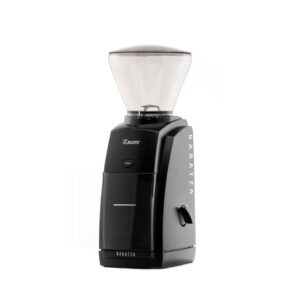
Best Overall: Baratza Encore
A proven classic for home brewing. Consistent, easy to use, and supported with readily available parts.
- Best for: drip, pour-over, French press
- Strengths: consistency, reliability
Price may vary. We may earn a commission at no cost to you.
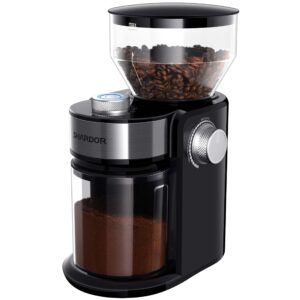
Best Budget Burr Grinder: OXO Brew Conical Burr Grinder
A great entry-level grinder that delivers consistency without overwhelming controls.
Price may vary. We may earn a commission at no cost to you.
Best Manual Grinder: Timemore Chestnut C2
Compact, affordable, and surprisingly consistent—excellent for small kitchens or travel.
Price may vary. We may earn a commission at no cost to you.
Which Grind Size Should You Use?
Each brew method needs a different grind. Use this as a starting point:
- Drip coffee: medium
- Pour-over: medium to medium-fine
- French press: coarse
For visuals and fixes, see our Coffee Grind Size Chart.
Common Grinder Mistakes at Home
- Using a blade grinder
- Grinding too far in advance
- Ignoring grind size changes between brew methods
- Not cleaning the grinder
FAQs
Is a burr grinder really worth it for home brewing?
Yes. Burr grinders produce even particle sizes, which leads to more balanced extraction and better-tasting coffee. This matters far more than grind speed or extra features.
What is the best type of coffee grinder for beginners?
A basic electric burr grinder is the best starting point for most beginners. It’s easy to use, consistent, and works well for drip, pour-over, and French press.
Can I use one coffee grinder for all brew methods?
Yes. Most burr grinders can handle drip, pour-over, and French press by adjusting grind size. Espresso requires finer precision, but general home brewing does not.
Are blade grinders bad for coffee?
Blade grinders chop beans unevenly, which causes bitter and sour flavors in the same cup. They’re inexpensive, but they make consistent brewing very difficult.
Do I need an expensive grinder for good drip coffee?
No. Consistency matters more than price. A reliable entry-level burr grinder can dramatically improve drip coffee without spending a lot.
Is a manual coffee grinder good for home use?
Yes. Manual grinders can be very consistent and are great for small batches, limited counter space, or travel. They require more effort but deliver good results.
How often should I clean my coffee grinder?
For home use, clean your grinder every 1–2 weeks. Regular cleaning helps maintain flavor and prevents old grounds from affecting fresh coffee.
Why does my coffee taste different after changing grinders?
A new grinder often produces a more even grind, which changes extraction. You may need to slightly adjust grind size or ratio to dial in the best flavor.
Next Steps: Build Better Coffee at Home
Use these guides to build on what you learned here. Start with technique, then refine ingredients and gear for consistent results.