
How Long to Steep Cold Brew: Steep Time by Method, Grind, and Ratio (2026)
Editorial standards: steep-time ranges reflect established cold brew practice, manufacturer instructions for the makers discussed, and CoffeeGearHub’s existing cold brew guides. Times are starting points to adjust by taste, not fixed rules. CoffeeGearHub does not claim hands-on testing where it has not occurred.
At a glance
What this cold brew steep time guide covers
How long to steep cold brew in the fridge and on the counter, why grind size and ratio move the clock, how to tell whether a batch steeped too long or too short, a three-batch method for finding your own time, and the makers that make timing easy.
Editorial analysis
The right steep time is a range, and your grind decides where you land in it
Most cold brew recipes say “steep 12 to 24 hours,” which is true but not very useful on its own. A batch steeped 12 hours at a coarse grind in a cold fridge and a batch steeped 12 hours at a medium-coarse grind on a warm counter are different drinks. Time only means something alongside temperature, grind size, and ratio.
This guide treats steep time as one dial among four. Set the other three sensibly, and the right time for your kitchen usually falls into a narrow window you can find in a week of brewing.
The 30-Second Answer
Steep cold brew for 12–18 hours at room temperature or 16–24 hours in the fridge, using a coarse grind. A good default is 18 hours in the fridge or 14 hours on the counter.
Past about 24 hours, most coffees start to taste woody, bitter, or flat, so strain once the brew tastes right. If it tastes weak or sour, steep longer or grind slightly finer; if it tastes harsh or muddy, shorten the steep or grind coarser. See our full cold brew guide for the complete method.
Compare current options
Start with these representative choices
Makers that make it easy to steep and strain on schedule. Our best cold brew coffee makers guide compares more options.
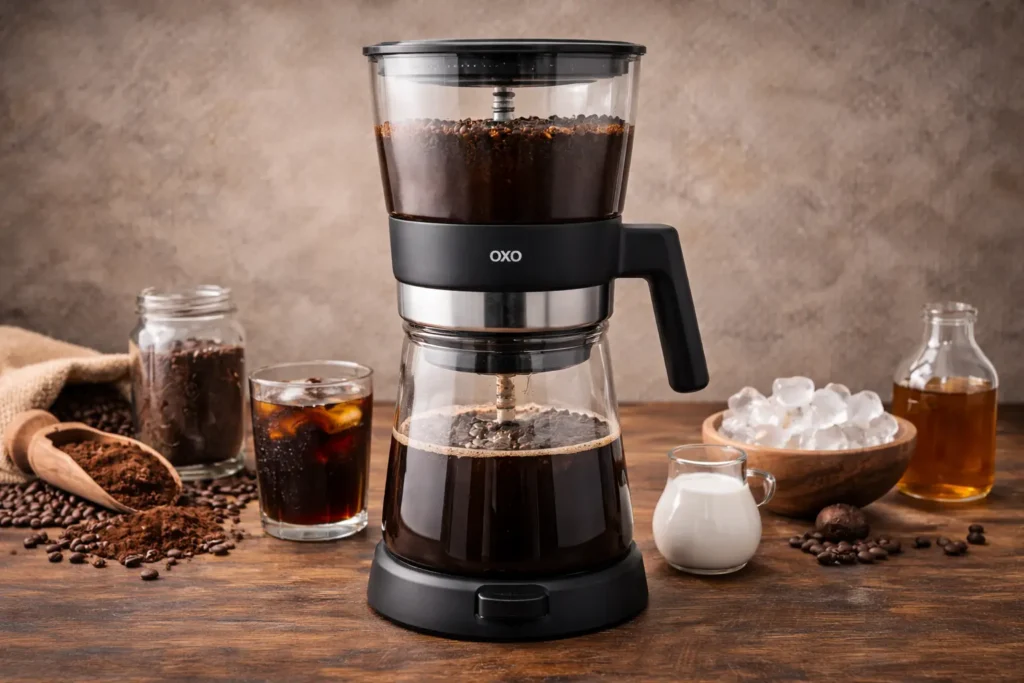
OXO Good Grips Cold Brew — Best for timed concentrate
A rainmaker lid wets the grounds evenly, and a switch drains the brew off the grounds the moment your steep time is up.
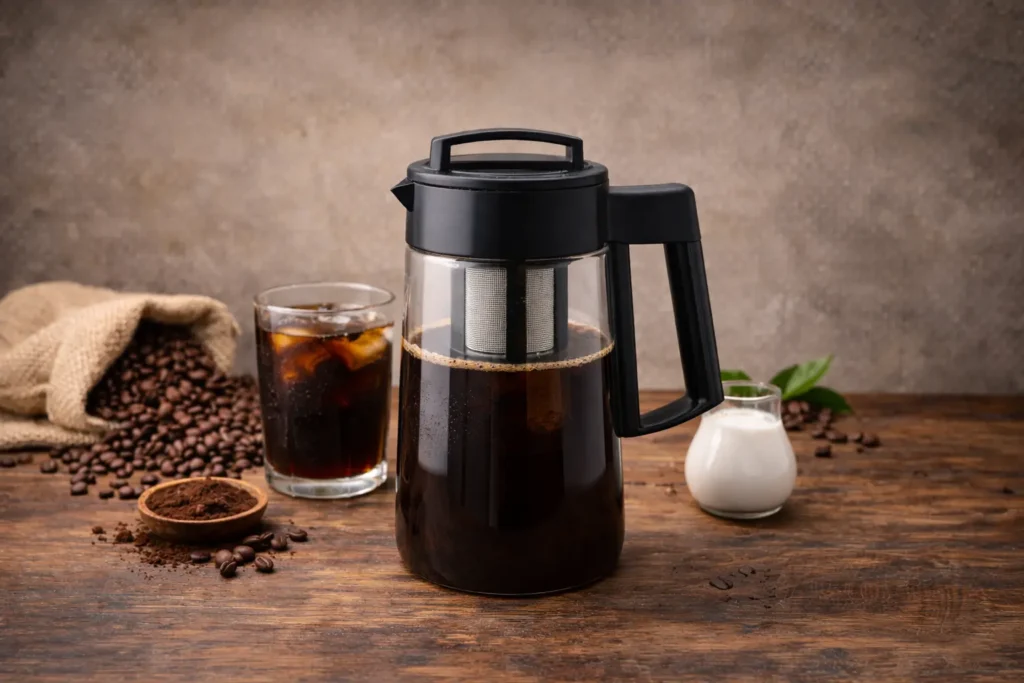
Takeya Deluxe 2-Quart — Best for fridge steeping
A sealed pitcher that fits most refrigerator doors, so the whole steep happens cold. Lift the filter out when the time is up.
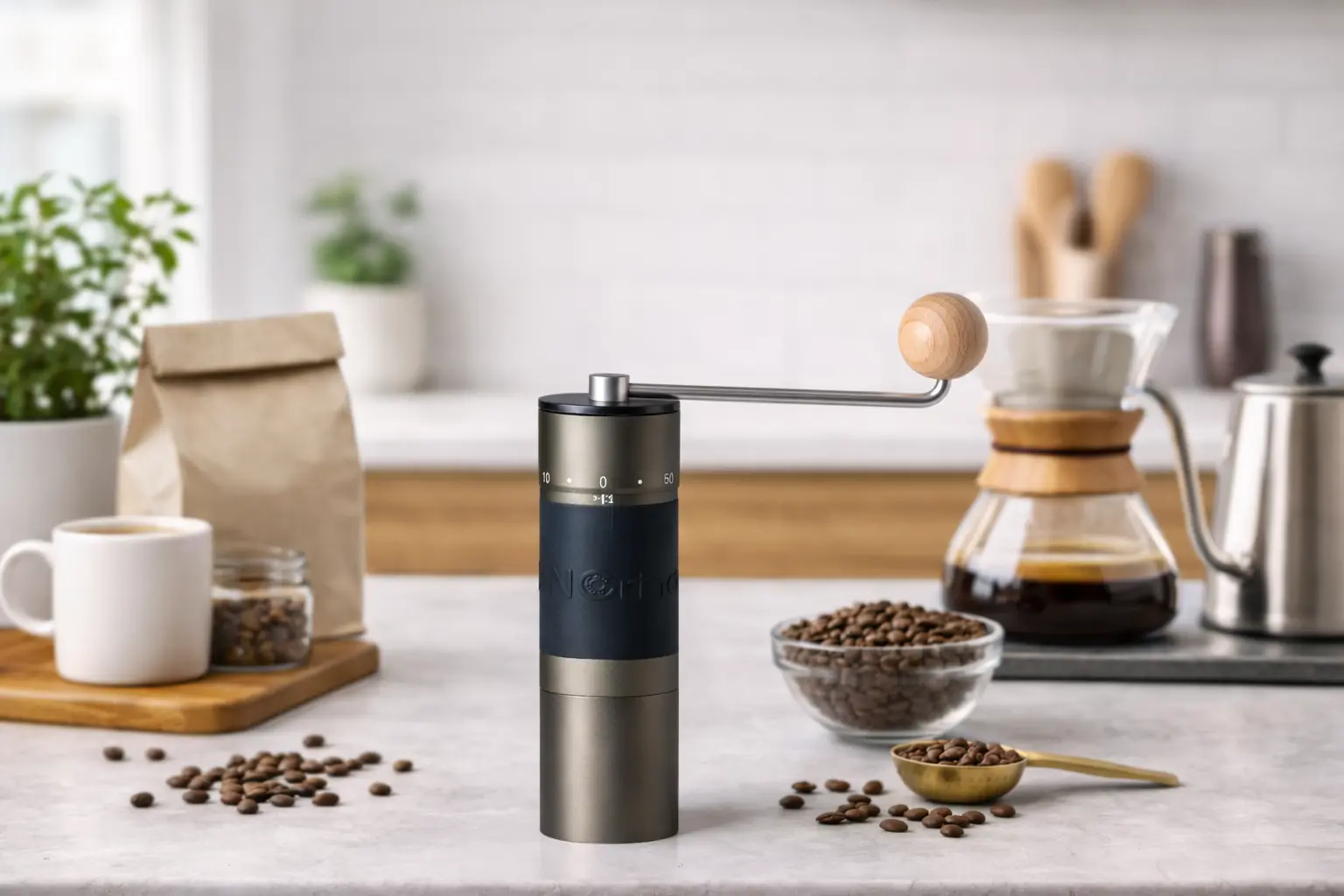
KINGrinder K6 — Best grinder for repeatable batches
An external dial makes it easy to return to the same coarse setting every week, which keeps steep times predictable.
Affiliate disclosure: Amazon links may earn CoffeeGearHub a commission at no additional cost to you. Prices and availability can change.
Cold Brew Steep Times at a Glance
The table below gives starting points for the most common ways people make cold brew at home. Each assumes a coarse grind, roughly the texture of raw sugar or a little coarser, and a medium roast. Treat the middle of each range as your first batch and move from there. The sections after the table explain why each variable shifts the clock, so you can adjust for your own beans and kitchen rather than following a number blindly.
| Method | Where it steeps | Typical steep time | Good first batch |
|---|---|---|---|
| Concentrate (1:4–1:5) | Fridge | 16–24 hours | 18 hours |
| Concentrate (1:4–1:5) | Counter, 68–72°F | 12–18 hours | 14 hours |
| Ready-to-drink (1:8) | Fridge | 14–20 hours | 16 hours |
| Ready-to-drink (1:8) | Counter | 10–16 hours | 12 hours |
| French press | Counter or fridge | 12–18 hours | 14 hours (counter) |
| Mason jar + paper filter | Fridge | 16–24 hours | 18 hours |
| Medium-coarse grind, any vessel | Counter | 8–12 hours | 10 hours |
Notice how much overlap there is. Concentrate and ready-to-drink batches steep for similar lengths of time because the ratio mostly changes strength, not the speed of extraction. The bigger swings come from temperature and grind, which is why a cold fridge adds several hours and a finer grind takes several away. Our cold brew ratio chart covers strength in detail.
Steep Time Is an Extraction Decision, Not a Timer Setting
Every brew method dissolves flavor compounds out of ground coffee, and cold brew is no different; it simply does it slowly. Hot water at around 200°F extracts most of a pour-over in three or four minutes. Cold or room-temperature water dissolves the same compounds far more slowly, so cold brew compensates with hours of contact time. That is the whole reason the method exists, and it is also why cold brew tastes the way it does.
Not every compound comes out at the same rate. The sweet, chocolatey, and fruity flavors that people love in cold brew dissolve relatively early. Harsher compounds and the papery, woody notes associated with the cell structure of the bean come out later and more slowly. A well-timed steep captures the first group and stops before the second group takes over. Steep too briefly and you get a thin, slightly sour drink that never developed its sweetness; steep too long and the cup flattens, turns bitter, and can taste like wet cardboard.
Cold water also leaves some compounds behind almost entirely, which is why cold brew is often described as smoother and less sharply acidic than hot coffee made from the same beans. That smoothness is a feature of the method, not of a long steep, so there is no benefit to pushing the time far past the point where the brew tastes right.

The practical takeaway is that steep time is a flavor decision. A timer is useful for consistency, but the right number is whatever produces the cup you like with your beans, grind, and temperature. The rest of this guide is about narrowing that number quickly.
Fridge or Counter: Temperature Changes the Clock
Temperature is the single biggest reason two recipes disagree about steep time. Extraction speeds up as water warms, so a batch sitting on a 72°F counter extracts noticeably faster than the same batch in a 38°F refrigerator. As a rough rule, plan on about four to six extra hours when you steep in the fridge instead of on the counter. Many people find 14 hours on the counter and 18 to 20 hours in the fridge produce similar strength.
Counter steeping has real advantages. It is faster, which matters if you start a batch in the evening and want it by the next afternoon, and many people find it produces a slightly fuller, rounder cup. The drawback is that room temperature varies. A batch steeped in a warm summer kitchen can over-extract in the same time that produced a perfect batch in winter, so counter brewers often shorten their steep by an hour or two when the house is warm.
Fridge steeping is slower but steadier. The temperature barely changes, which makes results more repeatable from week to week, and the coffee stays cold from start to finish. That makes it the more hygienic choice, especially for anyone brewing large batches or steeping close to a full day. Whichever you choose, the U.S. Department of Agriculture’s general guidance is to keep refrigerated food at 40°F or below and to refrigerate perishable foods promptly, so counter-steeped cold brew should go into the fridge as soon as it is strained. Our cold brew storage guide covers what happens after that.
Grind Size Sets How Fast the Clock Runs
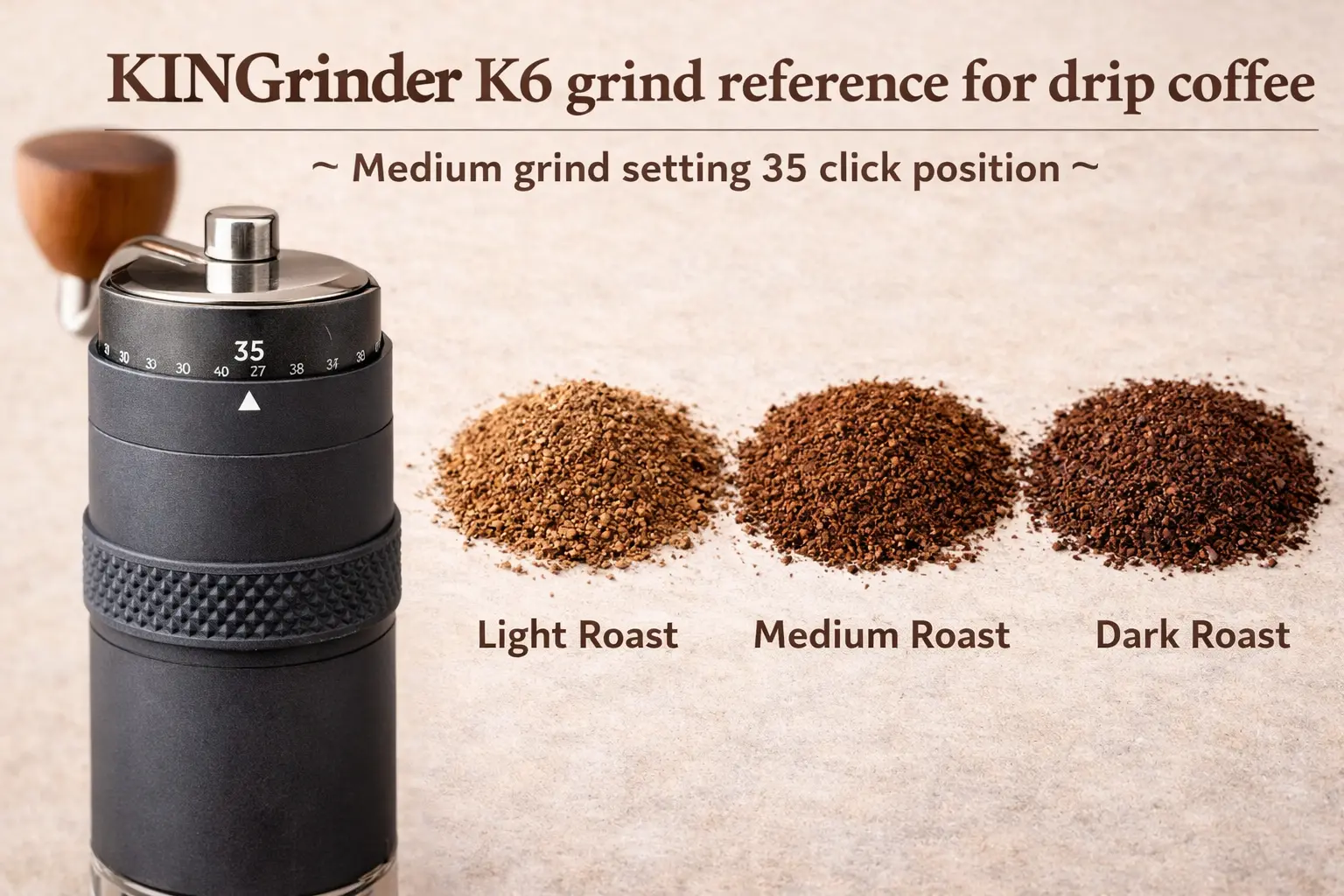
If temperature is the biggest variable, grind size is the one you control most precisely. Smaller particles have more surface area, so water reaches more of the coffee more quickly. A medium-coarse grind can be ready in 8 to 12 hours on the counter, while a very coarse grind may need 18 hours or more to reach the same strength. Change the grind and you change the clock.
Most cold brew recipes call for a coarse grind for two reasons. A coarse grind extracts slowly enough that the timing is forgiving, so a batch strained at hour 16 instead of hour 14 still tastes good. It also filters cleanly. Fine particles slip through mesh filters, cloud the concentrate, and keep extracting after you strain, which is one of the most common causes of cold brew that tastes muddy or grows more bitter in the fridge.
Consistency matters as much as the setting itself. A blade grinder produces a mix of dust and chunks, so part of the batch over-extracts while the rest under-extracts, and no steep time fixes that. A burr grinder produces far more uniform particles. A hand grinder such as the KINGrinder K6 at roughly 140 to 160 clicks from zero is a practical cold brew setting, and our K6 grind settings chart lists starting points for every method.
When you adjust, move the grind in small steps and change only one thing per batch. If you grind finer and shorten the steep at the same time, you will not know which change made the difference. Pre-ground coffee labeled for drip machines is usually too fine for a full-length steep; if that is all you have, start around 10 to 12 hours and filter through paper.
Ratio and Roast Shift the Sweet Spot
Ratio has a smaller effect on timing than most people expect. A concentrate brewed at 1:4 or 1:5 tastes stronger than a ready-to-drink batch at 1:8 mostly because there is more coffee per unit of water, not because it extracts faster. In practice, very dense concentrates can extract a little less efficiently because the grounds crowd each other and some stay dry or clumped, which is why stirring at the start matters most for strong batches. If your concentrate tastes weak, add coffee before you add hours.
Roast level and freshness move the window more noticeably. Darker roasts are more brittle and porous, so they give up their flavor faster and can turn bitter and ashy if steeped as long as a light roast. Many people find 12 to 16 hours suits a dark roast, while lighter roasts often taste best at the longer end of the range, around 18 to 22 hours in the fridge, because they need more time to develop sweetness. Very fresh coffee, roasted within the last few days, releases more gas and can float stubbornly on top; a gentle stir after the first hour keeps it in contact with the water.
Origin matters too, though less dramatically. Chocolate-forward Brazilian and Colombian coffees are forgiving across a wide range of steep times, which is one reason they are popular for cold brew. Bright, fruity Ethiopian coffees can be stunning as cold brew but often reward a slightly shorter steep, before the delicate fruit notes are buried under heavier flavors. Our best coffee beans for cold brew guide covers how to choose.
How to Tell If You Steeped Too Long or Too Short
Your palate is the most reliable timer you have. Under-steeped cold brew tastes thin and watery even as concentrate, often with a sharp, slightly sour edge and very little of the chocolate or caramel sweetness you expect. The aroma is faint. If you dilute it as usual and the drink disappears under milk, the steep was probably too short, or the grind too coarse for the time you gave it.
Over-steeped cold brew announces itself differently. The sweetness flattens, a dry bitterness lingers after you swallow, and you may notice woody, papery, or even slightly medicinal notes. The texture can turn muddy, especially if fines slipped through the filter. Some people describe it as tasting like the bottom of a used coffee filter, which is a fair summary of what over-extraction does.
The most useful habit is to taste before you strain. Around two hours before your planned finish, dip a spoon past the floating grounds and taste a little of the brew, diluted roughly the way you will drink it. If it already tastes sweet and full, strain now. If it is still thin, give it the remaining time and taste again. After a few batches you will recognize the point where the flavor peaks, and you will rarely need to check.
Finding Your Own Steep Time in Three Batches
The fastest way to find your ideal time is to hold everything else steady and run a short, deliberate experiment. Choose one bag of beans, one grind setting, one ratio, and one location, either the fridge or the counter. Write those down. Then brew your first batch at the middle of the recommended range: about 18 hours in the fridge or 14 hours on the counter for concentrate.
Taste the first batch carefully and decide which direction it needs to move. If it tastes thin or sour, make the second batch four hours longer. If it tastes heavy, bitter, or woody, make it four hours shorter. If it tastes good but not great, you are close; move two hours in whichever direction seems more promising. Keep the grind, ratio, and temperature identical so the only change is time.
The third batch splits the difference between your two best results. By then you will usually have a time you are happy with, and from that point on you only need small adjustments when you change beans or the season changes. If no steep time tastes right, the problem is probably the grind or the beans rather than the clock: very stale coffee and inconsistent grinding cannot be fixed with timing. A simple kitchen scale makes this kind of experiment far more reliable, and our coffee scale guide shows how to weigh coffee and water quickly.
Steep Times by Maker
Any vessel that holds coffee and water can make cold brew, but the design of a maker affects how it steeps and, just as importantly, how quickly you can stop the steep. A maker that separates the brew from the grounds in seconds lets you hit your time precisely. One that takes ten minutes to drain keeps extracting while it drains, which is worth accounting for.
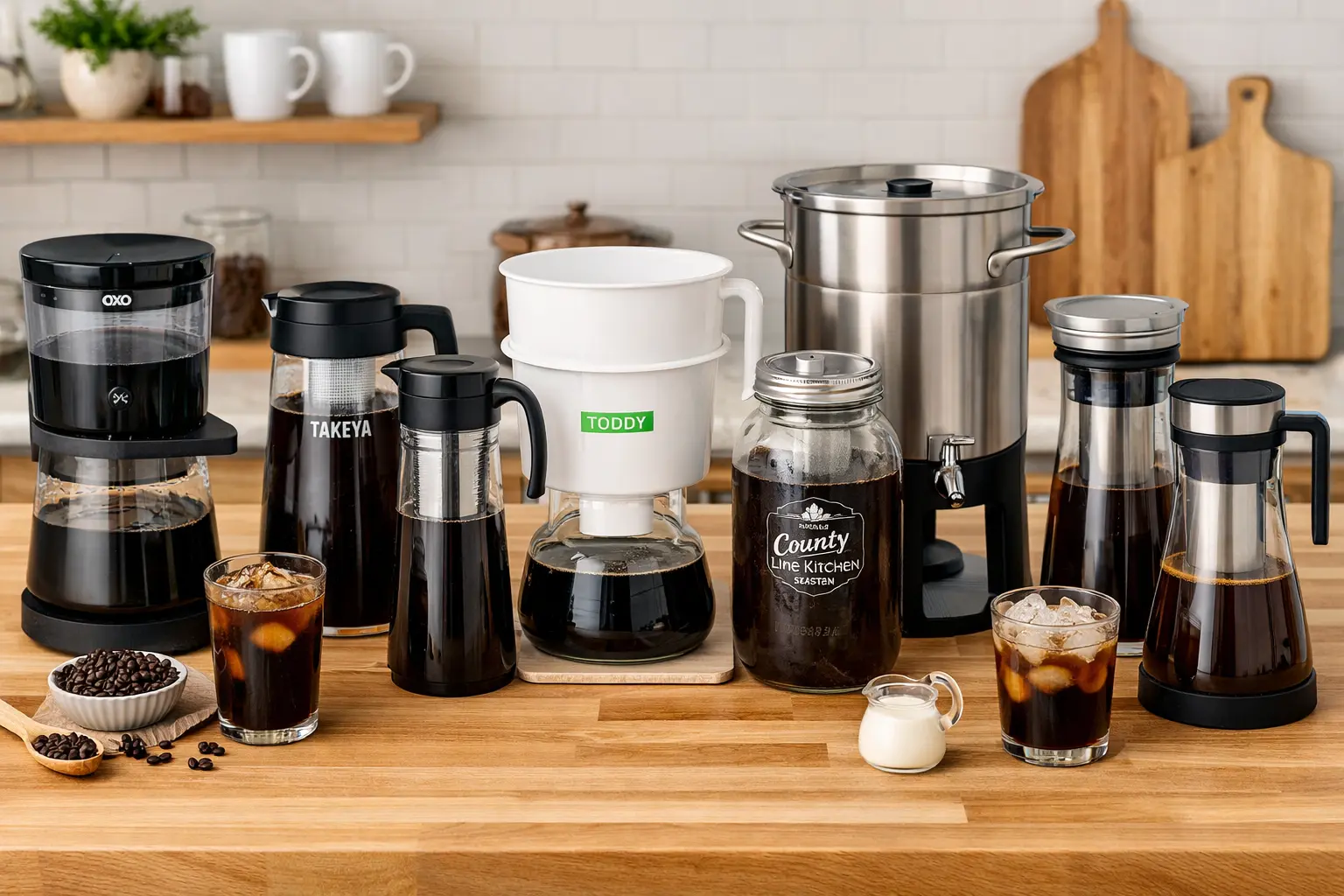
The OXO Good Grips Cold Brew is the easiest maker to time precisely. Its perforated rainmaker lid spreads water across the grounds so the whole bed is wet from the start, and a switch at the bottom drains the concentrate into a glass carafe when you are ready. OXO’s instructions call for a steep of roughly 12 to 24 hours, and because draining takes only a few minutes, the time you choose is the time you get. It is our first choice for anyone who brews concentrate on a schedule.
The Takeya Deluxe is built for fridge steeping. The grounds sit in a fine mesh filter inside a sealed pitcher, and most people steep it 16 to 24 hours in the refrigerator door. When the time is up you simply lift the filter out, so stopping the steep is instant. It is less suited to strong concentrate because the filter limits how much coffee it holds, but for ready-to-drink cold brew it is very convenient.
The County Line Kitchen 2-Quart is a wide-mouth glass jar with a removable stainless filter, and it behaves much like a classic mason jar setup. It suits fridge steeping in the 16 to 24 hour range. Because a metal mesh lets some fines through, many owners strain once more through a paper filter, which adds a few minutes but produces a cleaner, longer-keeping brew. The Hario Mizudashi is a slim pitcher designed for small, ready-to-drink batches; Hario suggests about eight hours in the fridge for its fine mesh basket, and many people go longer for a fuller cup.
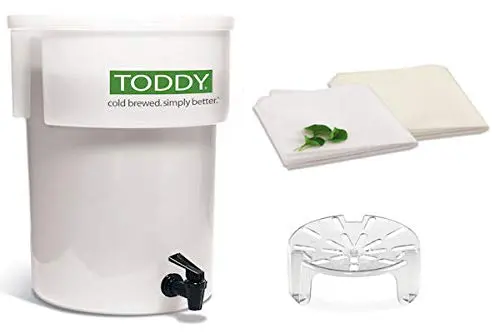
The Toddy Cold Brew System is the classic large-batch concentrate maker. Toddy’s instructions call for a room-temperature steep of about 12 to 24 hours, then removing a stopper so the concentrate drains through a thick felt filter. That filter produces very clean concentrate, but draining a full batch can take a while, so pull the stopper a little before your target time. A dedicated maker is never required; our French press cold brew guide covers making a good batch with equipment you may already own.
Our Recommendation
For most people, the best starting point is a coarse grind, a 1:5 concentrate, and an 18-hour steep in the fridge, or 14 hours on the counter if you are in a hurry. Taste a couple of hours before the end, strain as soon as it tastes sweet and full, and change only one variable per batch until you find your number. If you want to make that routine effortless, the OXO Good Grips Cold Brew makes precise timing easy for concentrate drinkers, and the Takeya Deluxe is the simplest way to steep entirely in the fridge. A consistent burr grinder such as the KINGrinder K6 keeps your steep time predictable from one week to the next.
Steep Cold Brew on Schedule
A maker that drains or lifts out cleanly lets you stop the steep exactly when the flavor peaks.
As an Amazon Associate, CoffeeGearHub earns from qualifying purchases.
Editorial bottom line: Steep coarse-ground cold brew about 16–24 hours in the fridge or 12–18 hours on the counter, with 18 hours cold or 14 hours warm as a reliable first batch. Strain when it tastes sweet and full, adjust grind before you add hours, and avoid going much past 24 hours.
Frequently Asked Questions
Can you steep cold brew for 48 hours?
You can, but most coffees taste worse for it. After about 24 hours the brew tends to turn woody, papery, or bitter, and very long steeps on the counter also raise hygiene concerns. If you want a stronger result, use more coffee rather than more time; our cold brew ratio chart shows how.
Is 8 hours long enough for cold brew?
Usually not at a coarse grind. Eight hours typically produces a thin, slightly sour brew. If you need cold coffee sooner, a medium-coarse grind steeped 10–12 hours on the counter, or flash-chilled iced coffee, will taste better.
Should cold brew steep in the fridge or on the counter?
Both work. Counter steeping is faster, often 12–16 hours, and can taste a little fuller. Fridge steeping takes longer, usually 16–24 hours, but keeps the coffee cold from start to finish. Refrigerate counter-steeped brew as soon as it is strained.
Do you stir cold brew while it steeps?
Stir once at the start so every ground is wet, and optionally once more after the first hour if dry clumps float on top. Stirring repeatedly during the steep is unnecessary and can cloud the brew with fines.
Does steeping longer make cold brew stronger?
Only up to a point. Longer steeping extracts more, but past roughly 20–24 hours it mostly adds bitterness and woody flavors rather than useful strength. Ratio is the better lever for strength.
When do you start timing cold brew?
Start the clock when all the grounds are fully wet, not when you start pouring water. Stop it when you begin straining, and finish straining promptly so the coffee is not still sitting on the grounds.
Sources and Further Reading
Steep-time ranges are consistent with manufacturer instructions for the OXO, Takeya, Toddy, and Hario makers discussed, and with CoffeeGearHub’s existing cold brew, ratio, and storage guides. Refrigeration guidance follows the USDA Food Safety and Inspection Service. Treat all times as starting points and adjust by taste.
CoffeeGearHub product shortlist
Continue with related products on CoffeeGearHub
Review product categories and current verified merchant offers on CoffeeGearHub before leaving the site.