
How to Clean an AeroPress (2026): Daily Rinse, Seal Care, and Deep Cleaning
Quick picks
AeroPress options at a glance
Picks are based on published specifications, manufacturer documentation, and owner reports. As an Amazon Associate, CoffeeGearHub earns from qualifying purchases.
Editorial standards: this guide draws on AeroPress’s own help pages, brewer care guidance, and common home-brewer practice. CoffeeGearHub does not claim hands-on testing where it has not occurred.
At a glance
What this guide covers
A quick daily rinse, a weekly wash, how to care for the seal, how to deep clean coffee oils, and how to store the brewer.
Editorial analysis
The AeroPress is easy to keep clean
The AeroPress has only a few parts and no hidden chambers. Because the plunger wipes the chamber as it travels down, most of the coffee comes out with the puck, and a quick rinse leaves the brewer ready for the next cup.
The part that deserves a little more attention is the silicone seal on the plunger. Coffee oils and trapped grounds there are what cause stale smells and a sticky feel. A short monthly wash keeps it working and keeps old coffee out of fresh brews.
The 30-Second Answer
Rinse the chamber, plunger, and seal after every brew, wash everything with warm water and dish soap about once a week, and take the seal off to clean it about once a month.
Let it air dry, store it loosely assembled, and replace the seal if it leaks, hardens, or smells no matter how clean it is.
Shopping Black Friday or Cyber Monday? See our coffee gear deals page for the moka pot, AeroPress, grinder and espresso picks worth buying on sale.
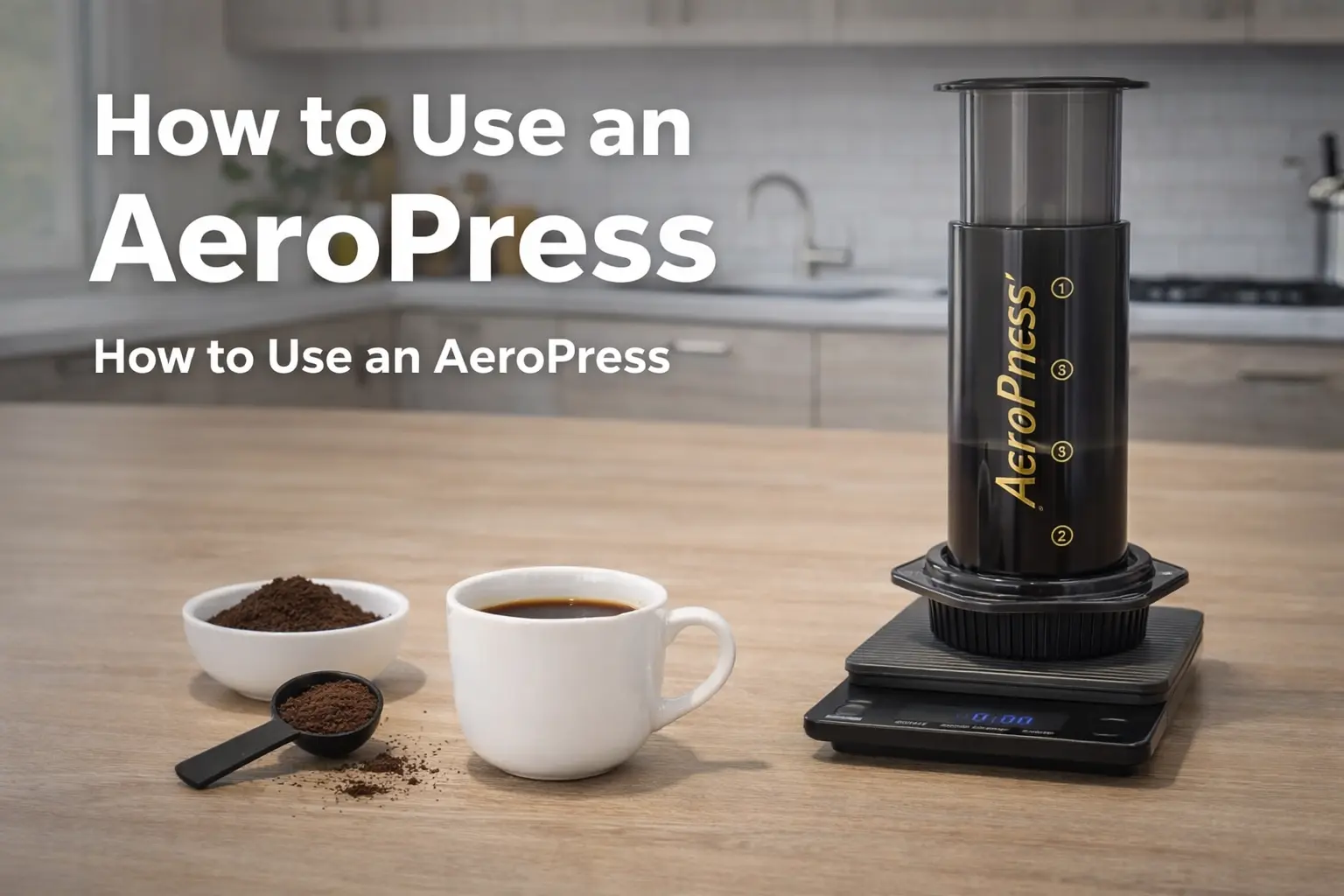
If your brewer is old, stained, or has a worn seal, replacing it is cheap. The AeroPress Original is the standard model for cleaning routines like this one, and the one our AeroPress brew guide and how to use AeroPress guide are written around.
Travelling? Our AeroPress Go review covers how the Go compares and how to rinse it away from home.
The Daily Rinse (30 Seconds)
Right after you press, unscrew the filter cap and push the puck into the bin or compost. Then rinse the chamber, plunger, and cap under running water. That is the whole daily routine. AeroPress states that a simple rinse is enough for day-to-day use, because the plunger wipes the chamber clean as you brew.
Do this while the brewer is still warm. Fresh grounds rinse off easily; dried coffee takes more effort. If you use a metal filter, rinse it from the back so grounds come out the way they went in.
The Weekly Wash
Once a week, take the AeroPress apart and wash the chamber, plunger, filter cap, and any metal filter with warm water and a drop of dish soap. Use a soft sponge or cloth, avoid abrasive pads that scratch the plastic, and rinse until no soap film remains.
AeroPress’s help pages describe top-rack dishwasher cleaning for several of its products, including the XL and the stainless steel filter. Check the page for your exact model before using the dishwasher, and keep it to the top rack. Hand washing takes about a minute and is easier on the seal.
Cleaning the Seal
Pull the seal off the end of the plunger about once a month and wash it inside and out with warm water and dish soap. Coffee oils collect under the lip and behind the seal, and that is where a stale smell usually comes from. Dry the seal and the plunger completely before putting them back together.
The current seal is silicone, not rubber, so a “rubbery” smell is usually trapped coffee oil or soap. If a thorough wash does not fix it, or if the seal feels sticky, stiff, or cracked, replace it.
Deep Cleaning Coffee Oils and Stains
If the plastic looks stained or smells of old coffee even after washing, soak the parts in warm water with dish soap for 10 to 15 minutes, then scrub gently. A diluted white vinegar soak is a common home method for oily film and mineral deposits: a short soak, a thorough rinse, and a final soap wash so the vinegar taste does not reach your next cup.
Do not use bleach, and do not scrub the inside of the chamber with anything abrasive. Scratches hold coffee oils and make the chamber harder to clean next time.
| Part | After every brew | Weekly | Monthly or as needed |
|---|---|---|---|
| Chamber | Rinse | Wash with soap | Soak if stained |
| Plunger and seal | Rinse and wipe | Wash with soap | Remove seal, wash both sides |
| Filter cap | Rinse | Wash with soap | Check threads for grounds |
| Metal filter (if used) | Rinse from the back | Wash with soap | Soak to clear clogged holes |
| Paper filters | Discard | – | – |
Troubleshooting Common AeroPress Problems
| Symptom | Likely cause | Fix |
|---|---|---|
| Stale or oily taste | Coffee oils on the seal or chamber | Wash everything with soap; clean under the seal |
| Rubbery or musty smell | Trapped oil or soap residue | Remove and wash the seal; rinse well and dry fully |
| Plunger sticks or drags | Dry, dirty, or worn seal | Clean the seal and chamber; replace the seal if it is stiff or cracked |
| Leaks around the seal | Worn seal or grounds in the chamber | Clean thoroughly; replace the seal if it still leaks |
| Brown staining on plastic | Coffee oils over time | Soak in warm soapy water or diluted vinegar, then rinse well |
Recommended brewer


Drying and Storing Your AeroPress
Let every part air dry before you put it away. Store the brewer loosely assembled, or with the plunger only partly in the chamber. AeroPress notes that older natural-rubber seals could wear faster when stored compressed, while its current silicone seal copes with compression well. Leaving it loosely assembled is still the easy habit.
Our Verdict
Rinse after every brew, wash weekly, and clean the seal monthly. That is all an AeroPress needs. If it smells or feels sticky after a proper wash, the seal is the first thing to replace. For the full set of recipes and variables once it is clean, read our AeroPress brew guide.
Need a Fresh AeroPress?
A new brewer is a small purchase, and the Original and the Go both clean up in seconds.
As an Amazon Associate, CoffeeGearHub earns from qualifying purchases.
Editorial bottom line: A daily rinse, a weekly soap wash, and a monthly seal wash keep an AeroPress tasting clean. Replace the seal if it leaks, hardens, or keeps smelling.
Frequently Asked Questions
Do I need to wash my AeroPress after every use?
A rinse is enough for day-to-day use. AeroPress notes that the plunger wipes the chamber clean as you brew, so rinsing out the chamber, plunger, and filter cap after each cup is the main habit. Add a soap wash about once a week.
Is the AeroPress dishwasher safe?
AeroPress’s help pages describe top-rack dishwasher cleaning for several of its products, including the AeroPress XL and the stainless steel filter. Check the manufacturer’s page for your exact model, and use the top rack only. Hand washing is quick and gentler on the seal.
How do I clean the AeroPress seal?
Pull it off the plunger occasionally and wash it inside and out with warm water and dish soap. Dry both the seal and the plunger before putting them back together. If it feels sticky, smells, or no longer grips the chamber well, a replacement seal is inexpensive.
Can I use vinegar on an AeroPress?
Diluted white vinegar is a common home method for coffee oils and mineral film on coffee gear. If you use it, keep the soak short, rinse thoroughly, and finish with a soap wash so the vinegar smell does not carry over into your next cup.
How often should I replace the seal?
Replace it when it leaks around the chamber, becomes hard or cracked, or can no longer build pressure. Current AeroPress seals are silicone and hold up well, but they do wear with use.
Should I store the AeroPress with the plunger pushed in?
It is better to leave it loosely assembled or with the plunger only partly in. AeroPress notes that older natural-rubber seals could wear faster when stored compressed, while its current silicone seal handles compression well.
Sources and Further Reading
Cleaning guidance follows AeroPress’s own help pages on cleaning and its product FAQ, with common home-care practice for deep cleaning. Always check the care page for your specific model. CoffeeGearHub did not test these products hands-on.
CoffeeGearHub product shortlist
Continue with related products on CoffeeGearHub
Review product categories and current verified merchant offers on CoffeeGearHub before leaving the site.