
Moka Pot vs Espresso Machine: Differences, Taste, Cost, and Which to Buy
Quick picks
Moka pot vs espresso machine at a glance
Picks are based on published specifications, measurements, and owner reports. As an Amazon Associate, CoffeeGearHub earns from qualifying purchases.
Editorial standards: this moka pot vs espresso machine comparison draws on published brew measurements, the Istituto Nazionale Espresso Italiano’s espresso definition, Specialty Coffee Association concepts, manufacturer guidance, and owner reports. CoffeeGearHub does not claim hands-on testing where it has not occurred.
At a glance
What this comparison covers
The core difference in pressure, how each brewer works, taste, strength, crema, and caffeine, milk drinks, cost, space, and learning curve, how to make espresso-style coffee without a machine, who should buy which, and our verdict.
Editorial analysis
Strong coffee or true espresso: decide which you want
A moka pot and an espresso machine overlap less than their names suggest. One makes strong coffee with steam pressure; the other makes espresso with nine bars of pump pressure.
Most of the decision follows from that. If you want bold coffee and simple mornings on a budget, the moka pot wins. If you want crema, microfoam, and control, only an espresso machine delivers.
The 30-Second Answer
A moka pot makes strong, concentrated coffee at roughly one to two bars of steam pressure; an espresso machine makes true espresso at about nine bars, with crema and a steam wand for milk. Choose a moka pot for low cost, small spaces, and simple mornings. Choose an espresso machine if you want real espresso and café-style lattes and are willing to spend more and practice.
Not sure yet? Start with a moka pot. It costs little, it makes excellent milk drinks with a frother, and it stays useful even after you buy a machine.
Compare current options
Start with these representative choices
The classic stovetop brewer, a beginner-friendly espresso machine, and the moka pot that gets closest to espresso.
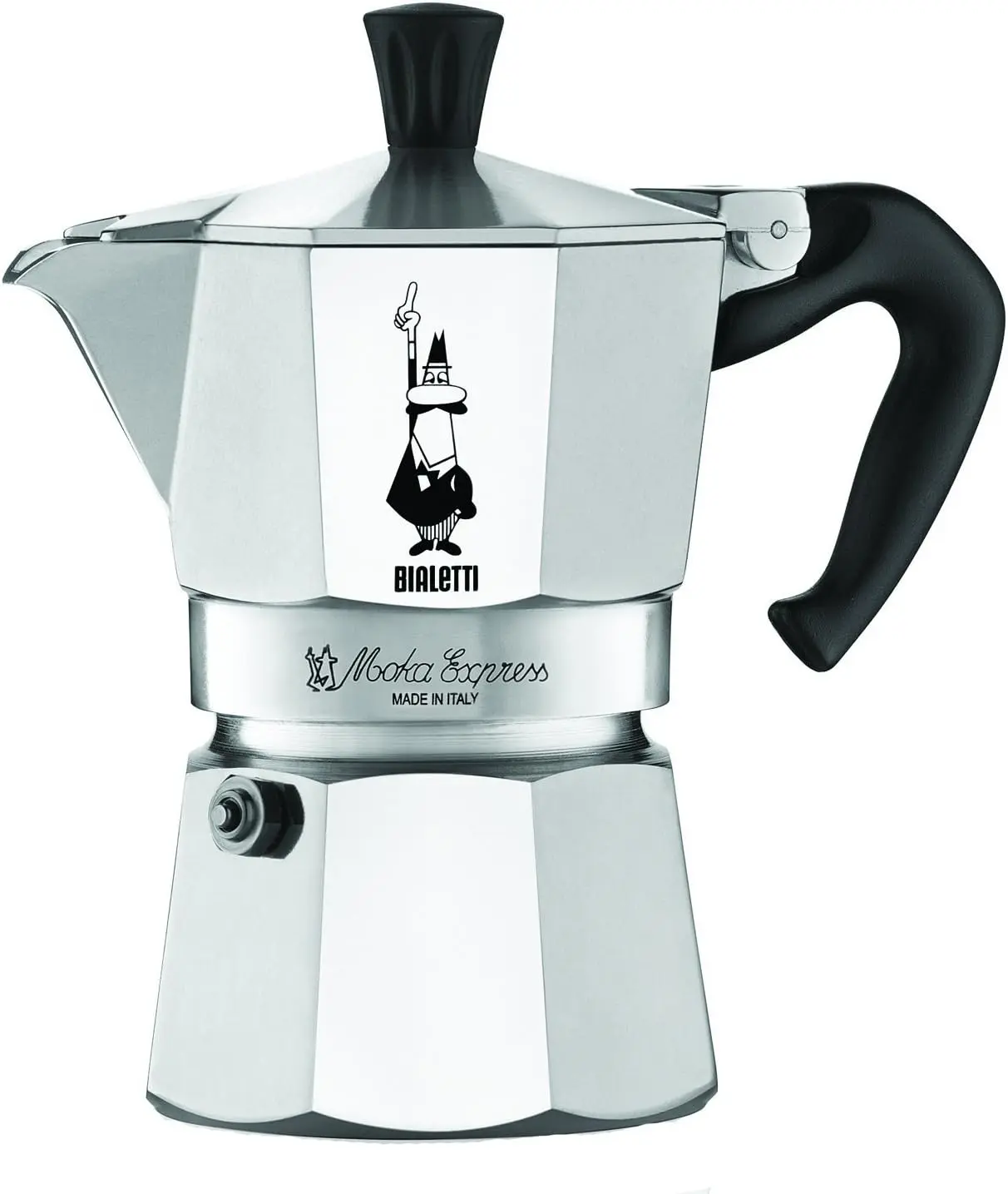
Bialetti Moka Express — Best stovetop
The classic eight-sided moka pot for strong, concentrated coffee on gas or electric stoves.
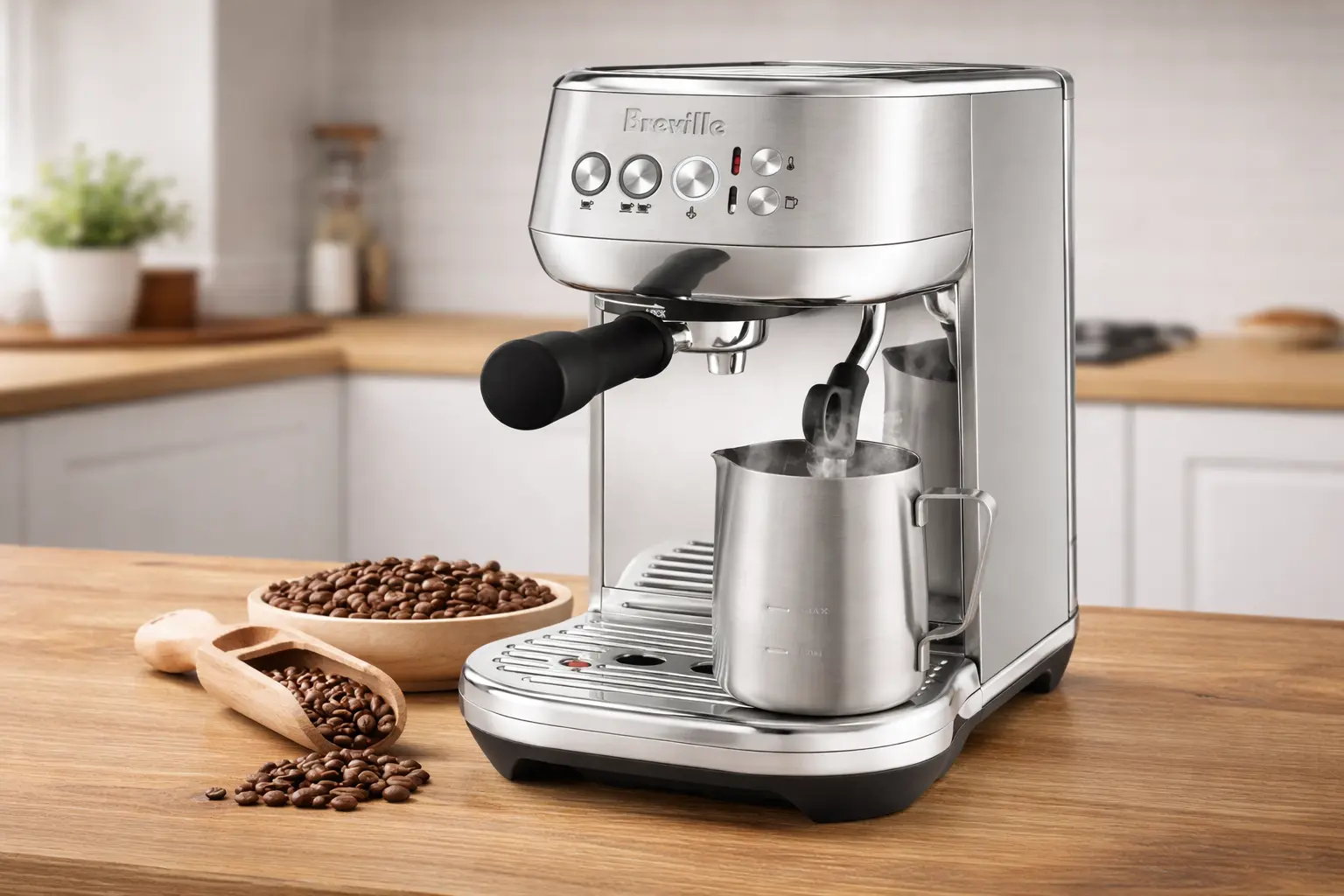
Breville Bambino Plus — Best entry machine
Fast heat-up and an automatic steam wand that makes milk texturing far easier for beginners.
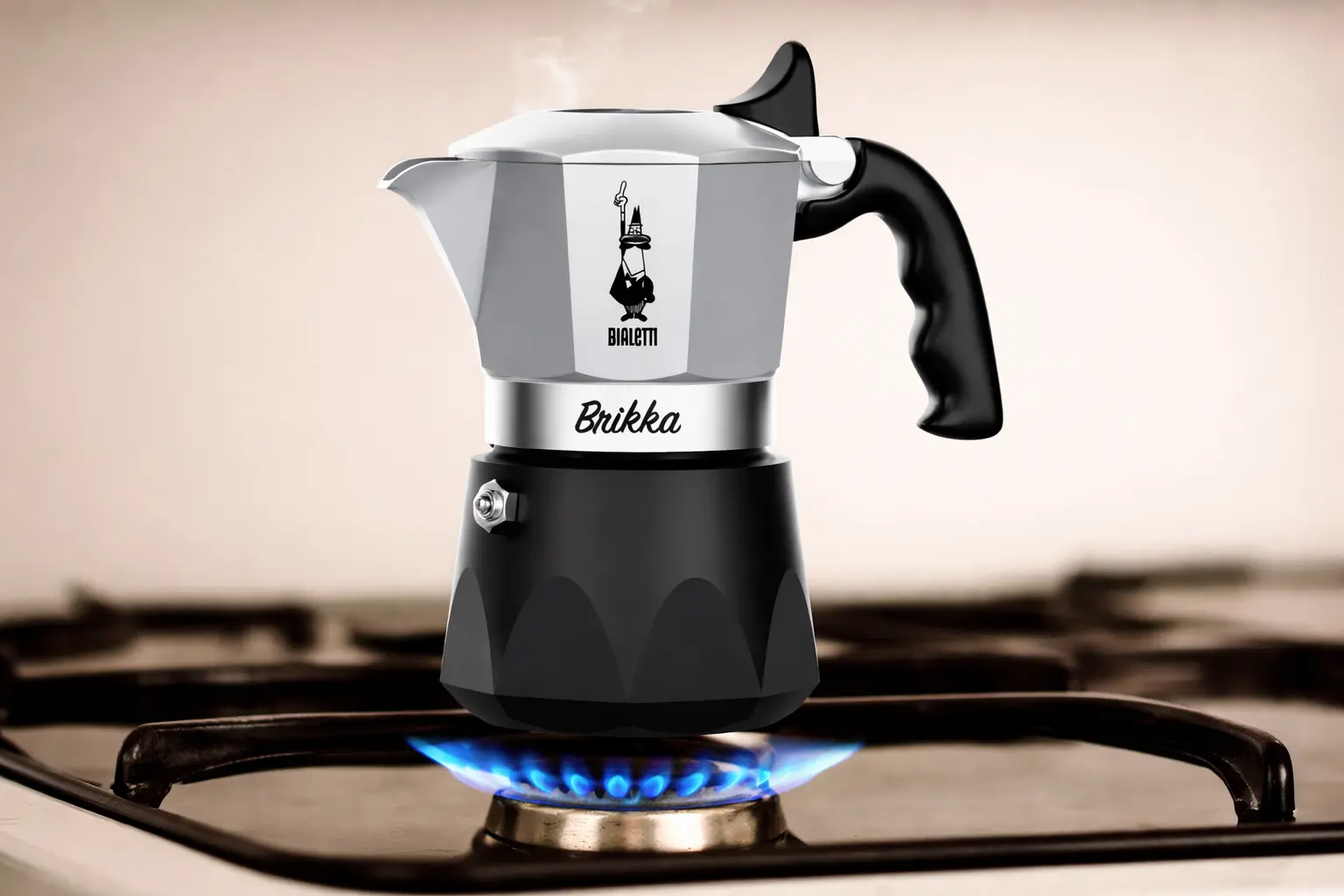
Bialetti Brikka — Closest to espresso
A weighted valve builds extra pressure for a more concentrated cup with light foam.
Affiliate disclosure: Amazon links may earn CoffeeGearHub a commission at no additional cost to you. Prices and availability can change.
The Short Version: Pressure Is the Difference
A moka pot and an espresso machine both make small, strong coffees that work on their own or as the base for milk drinks, which is why they are so often compared. The difference comes down to pressure. A moka pot uses steam from water heated in its base to push water up through the coffee at roughly one to two bars. An espresso machine uses a pump, or a lever, to force water through finely ground, tightly packed coffee at about nine bars.
That gap in pressure changes almost everything else: how strong the coffee is, whether it has crema, how fine the grind must be, how much equipment you need, and how much it costs. The table below summarizes the practical differences before we look at each one.
| Factor | Moka pot | Espresso machine |
|---|---|---|
| Brewing pressure | About 1 to 2 bar | About 9 bar |
| Strength | About 2.0 to 2.5% dissolved solids | Roughly 9% dissolved solids |
| Crema | None, or a thin short-lived foam | Thick, stable crema |
| Grind | Medium-fine | Fine, adjusted in small steps |
| Milk texture | Needs a separate frother | Steam wand makes microfoam |
| Learning curve | A few mornings | Weeks of dialing in |
| Power and space | Any stove, fits in a drawer | Countertop machine and outlet |
| Upfront cost | Very low | Much higher, plus a grinder |
If you remember one thing, make it this: a moka pot makes excellent strong coffee, not espresso. An espresso machine makes espresso, but asks more of your budget, counter space, and patience.
How a Moka Pot Works
The moka pot was patented in Italy in 1933, credited to Alfonso Bialetti and the engineer Luigi De Ponti, and it became the standard way to make coffee in Italian homes. Its design has barely changed. Water goes in the bottom chamber, ground coffee sits in a funnel-shaped basket above it, and the brewed coffee collects in the top chamber.
As the base heats, the water and the air above it expand and steam pressure builds. That pressure pushes hot water up through the coffee bed and out of a central spout into the top chamber. Because the pressure comes only from heat, it stays low, roughly one to two bars, and the water pushed through the coffee is close to boiling. Good technique is mostly about keeping that process gentle: medium-fine coffee, an untamped basket, low to medium heat, and taking the pot off the stove before it starts to sputter.
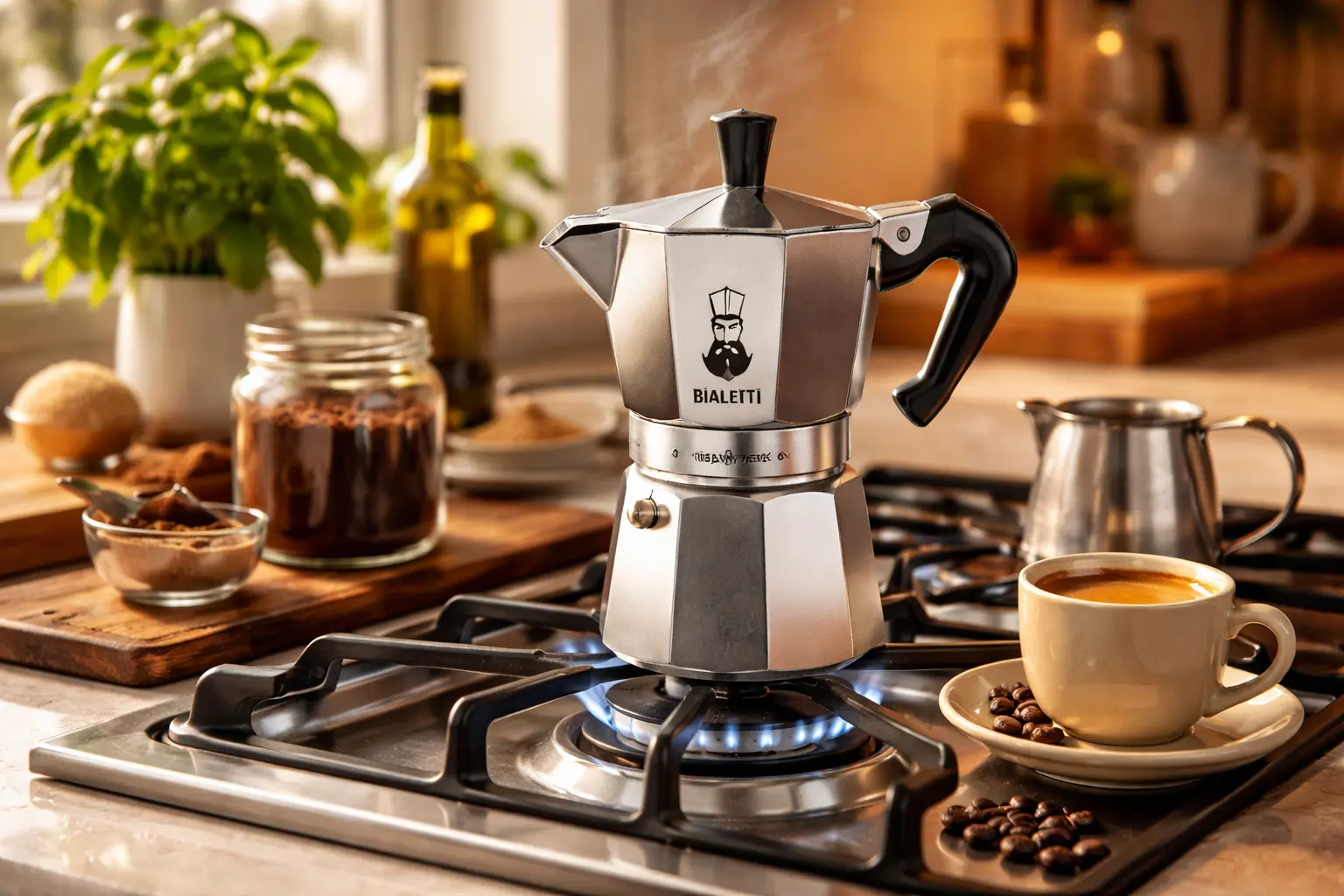
The result is a short, intense coffee that takes about five minutes from cold stove to cup. Our how to use a moka pot guide covers the method step by step, and the moka pot grind size guide explains why the grind matters so much. If you are new to the classic pot, our Bialetti Moka Express review covers its strengths and quirks in detail.
How an Espresso Machine Works
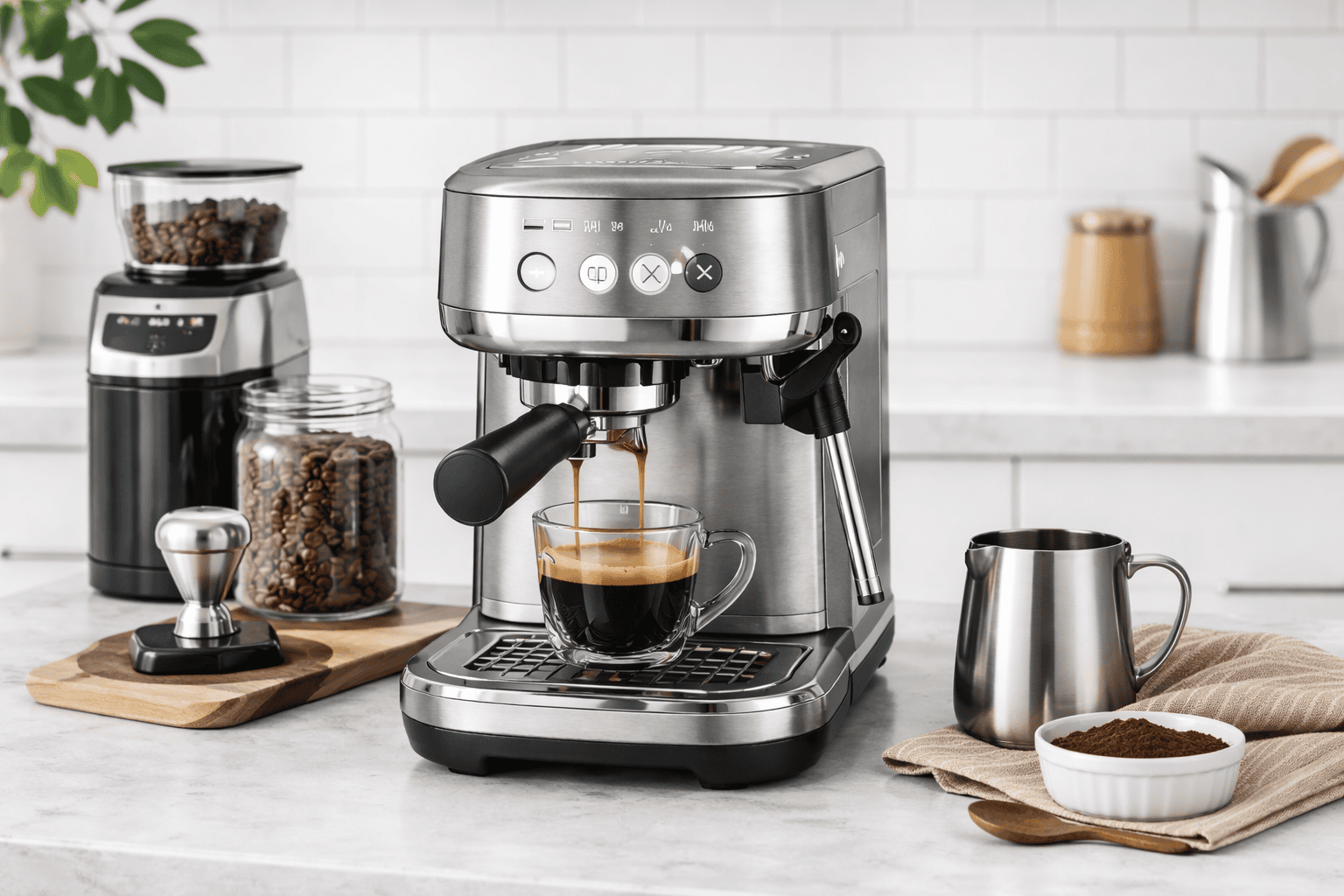
An espresso machine heats water to a controlled temperature, below boiling, and a pump forces it through a tightly packed puck of finely ground coffee at about nine bars. The high pressure extracts oils and dissolved solids quickly, in around 25 to 30 seconds, and emulsifies them into a thick, syrupy shot topped with crema, the golden foam that forms as dissolved gases are forced out of solution.
Italy’s Istituto Nazionale Espresso Italiano, which certifies traditional Italian espresso, defines a single shot using roughly 7 grams of coffee, water at about 88 degrees Celsius at the group, about 9 bars of pressure, and around 25 seconds of extraction to produce a cup of about 25 ml. Modern specialty practice often uses larger doses and different ratios, but the principle is the same: fine coffee, high pressure, and tight control of temperature and time.
That control is what you pay for. A machine has to hold a stable temperature, build consistent pressure, and usually steam milk too. And because espresso is so sensitive to grind, it needs a grinder capable of fine, repeatable adjustments, which is why most espresso guides treat the grinder as part of the machine budget. Our how to make espresso at home guide walks through the full process, and espresso machine types explains the main categories.
Taste, Strength, and Crema
The clearest way to compare the two is strength. The Coffee Locator, which logged more than 160 moka brews over eight weeks, measured moka coffee at about 2.0 to 2.5 percent total dissolved solids, against roughly 9 percent for a shot from an entry-level espresso machine. Ordinary drip coffee sits at around 1.2 to 1.5 percent. Moka coffee is therefore much stronger than drip but far less concentrated than espresso.
In the cup, that translates into body and texture. Espresso is thick, almost syrupy, with crema on top and an intensity that carries through milk. Moka coffee is rich, full-bodied, and often chocolatey, with a heavier mouthfeel than filter coffee, but it is thinner than espresso, has no real crema, and can carry a little sediment because its metal filter lets very fine particles through.
Flavor also depends heavily on technique. Moka pots turn harsh and bitter when the heat is too high or the brew runs into the sputtering phase, because near-boiling water keeps extracting. Espresso turns sour or bitter when the grind or dose is off by a small amount. Both reward medium to dark roasts, though a well-dialed espresso machine can also bring out the sweetness of lighter roasts. Our best coffee beans for moka pot guide covers what works best on the stove.
Caffeine is a common question. Per milliliter, espresso is stronger. Per brew, a full moka pot can contain more caffeine than a single shot because it uses more ground coffee: a 6-cup moka pot basket holds roughly 24 to 30 grams, compared with about 18 grams for a typical double shot. How much you drink matters more than which brewer you use.
Lattes and Cappuccinos: Where the Gap Is Widest
For people who mainly drink lattes, cappuccinos, and flat whites, the biggest difference is not the coffee but the milk. Espresso machines have a steam wand that injects steam into milk to create microfoam: fine, glossy, pourable foam that blends into the coffee and makes latte art possible. A moka pot has no way to texture milk on its own.
That gap can be narrowed. A separate electric frother such as the Breville Milk Café heats and froths milk with no skill required, and a handheld frother or a French press can make serviceable foam on a budget. The foam is usually airier than steam-wand microfoam, but for a comforting home latte made with moka coffee it works well. Our best milk frothers for lattes guide compares the options.
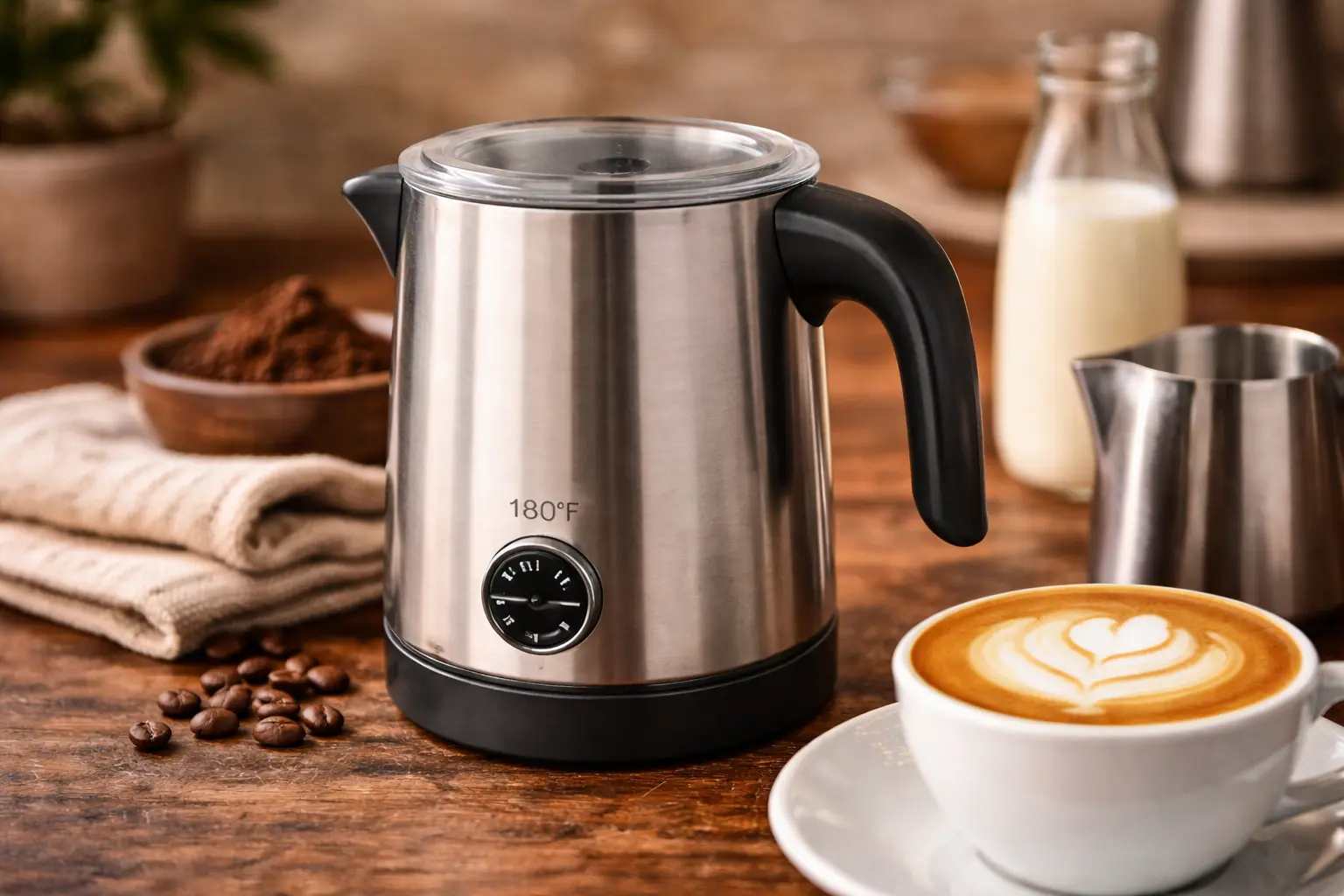
Strength matters here too. Because espresso is so concentrated, it cuts through a large volume of milk. Moka coffee is milder, so moka lattes taste best with a little less milk or a slightly stronger brew. If café-style milk drinks are your main goal, an espresso machine with a good steam wand is the more satisfying long-term choice. Our how to make a latte at home guide covers both routes, and our moka pot latte guide gives a step-by-step stovetop recipe.
Cost, Space, and Learning Curve
The moka pot wins easily on cost. It costs a fraction of an entry-level espresso machine, runs on any gas or electric stove, and its only regular spare part is an inexpensive rubber gasket. Aluminum pots need an adapter on induction, but stainless models such as the Bialetti Moka Induction work directly; our best induction moka pots guide covers the options. A moka pot also fits in a drawer, needs no outlet, and travels easily.
An espresso machine is a bigger commitment. Beyond the machine itself, you usually need a capable burr grinder, a tamper, and a scale, plus regular descaling and backflushing. It also takes longer to learn. Most beginners spend weeks dialing in grind, dose, and timing before shots become consistent, while most moka pot owners are making good coffee within a few mornings.
Time per cup is closer than people expect. A moka pot takes about five minutes on the stove. A modern machine such as the Bambino Plus heats up in seconds, but grinding, dosing, tamping, pulling the shot, steaming milk, and cleaning up take a similar few minutes. The real difference is that espresso rewards attention with café-quality drinks, while the moka pot rewards a simple routine with strong, satisfying coffee.
How to Make Espresso Without a Machine
True espresso needs about nine bars of pressure, which no stovetop brewer can reach. But several methods produce a strong, espresso-style concentrate that works for straight sipping and milk drinks. The moka pot is the most popular. For the strongest, cleanest moka coffee, fill the base with hot water to just below the safety valve, which shortens the time the coffee sits on heat. Fill the basket level with medium-fine coffee without tamping, screw the pot together firmly, and brew on low to medium heat with the lid open.
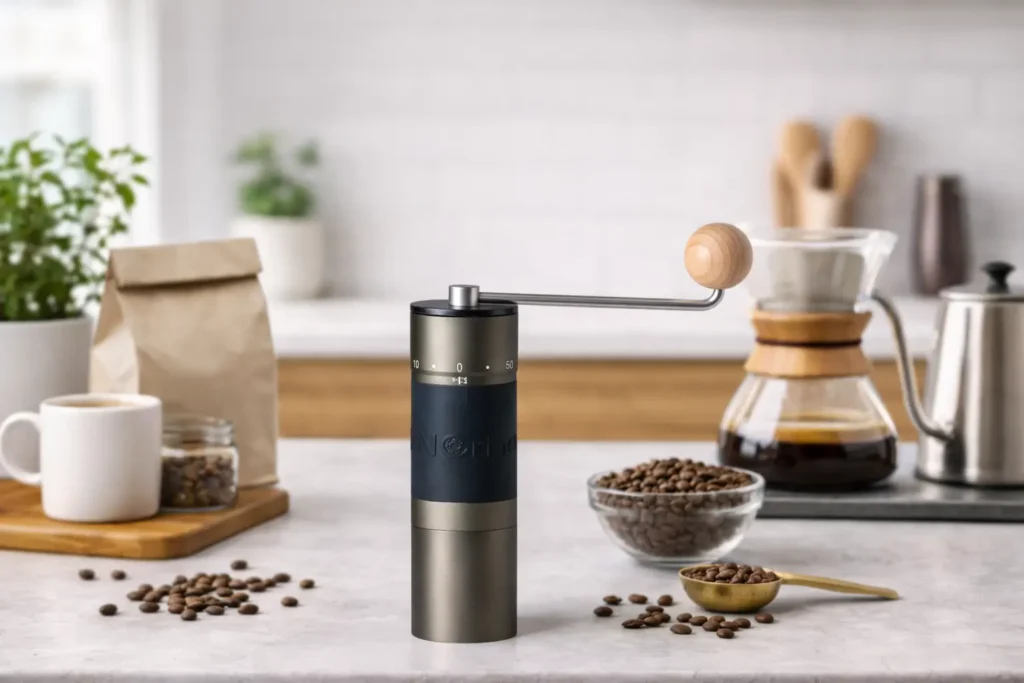
When the coffee stream turns pale and starts to gurgle, take the pot off the heat and cool the base under a cold tap to stop extraction. Stir the coffee in the top chamber before pouring, because the first and last coffee to emerge taste very different. A consistent grind makes the biggest difference: a hand burr grinder such as the KINGrinder K6 gives far more even moka coffee than a blade grinder.
The Bialetti Brikka goes a step further. Its weighted valve holds back the coffee until pressure builds a little higher than in a standard moka pot, so the coffee bursts out as a more concentrated brew with a layer of light foam. It is the closest a stovetop brewer gets to espresso, though the foam is not true crema.
An AeroPress is another option. Using a fine grind, a high coffee-to-water ratio, and firm hand pressure, it makes a short, strong concentrate in under two minutes, and it is easier to clean than a moka pot. Our AeroPress espresso concentrate guide gives the recipe, and our moka pot vs AeroPress comparison explains which suits you. Finally, manual lever presses can reach real espresso pressure by hand, with no electricity, but they need a fine espresso grinder and practice.
If you are weighing pod machines too, our Nespresso vs espresso machine comparison covers the convenience route, and percolator vs moka pot clears up a common source of confusion between two very different stovetop brewers.
Which Should You Buy?
The right choice depends less on which brewer is better and more on what you drink, how much you want to spend, and how much time you want to invest. The table below matches common situations to the better fit.
| If you… | Better choice | Why |
|---|---|---|
| Want strong coffee on a small budget | Moka pot | Rich, concentrated coffee for very little money |
| Want true espresso with crema | Espresso machine | Only nine bars of pressure produces real espresso |
| Mostly drink lattes and cappuccinos | Espresso machine | A steam wand makes microfoam and stronger coffee cuts through milk |
| Have limited counter space or travel | Moka pot | Fits in a drawer, needs no outlet |
| Want quick, simple mornings | Moka pot | A short learning curve and almost nothing to maintain |
| Enjoy experimenting and dialing in | Espresso machine | Much more control over flavor and texture |
For many people, the best answer is to start with a moka pot. It is inexpensive enough to be a low-risk way to find out whether you enjoy strong coffee and homemade milk drinks, and it remains useful even after you buy a machine, for camping, travel, or a second cup for guests.
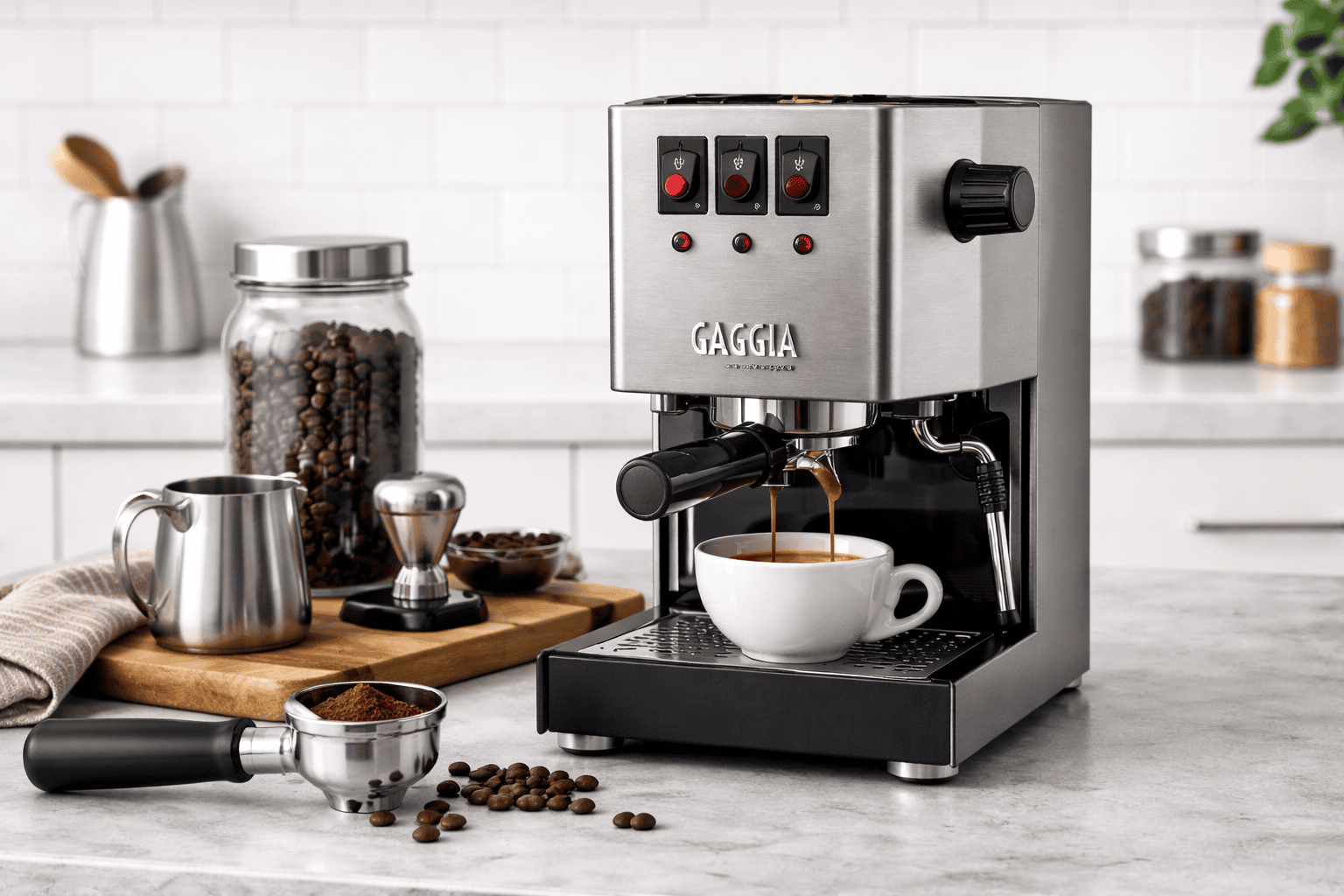
If you already know you want espresso, buy a machine designed for beginners. The Breville Bambino Plus heats quickly and automates milk steaming, while the Gaggia Classic E24 offers a more traditional, repairable machine with a manual steam wand. Our Bambino Plus review, Gaggia Classic Pro review, and best espresso machines for beginners guide go deeper.
Our Verdict
A moka pot and an espresso machine are not really competitors. They solve different problems. The moka pot makes strong, rich, concentrated coffee for very little money, with almost no equipment and a short learning curve. It is the better choice for anyone who wants bold coffee on a budget, has little counter space, or wants a simple morning routine.
An espresso machine makes true espresso, with crema, syrupy body, and the steam power for café-style milk drinks. It costs more, takes more space, and asks for weeks of practice, but nothing else at home matches it. Start with a Bialetti Moka Express if you are unsure, and step up to an entry machine such as the Bambino Plus when you know espresso is what you want. For more stovetop options, see our best moka pots guide.
Choose Your Route to Strong Coffee
The Moka Express is the low-cost stovetop classic; the Bambino Plus is the easiest step into true espresso.
As an Amazon Associate, CoffeeGearHub earns from qualifying purchases.
Editorial bottom line: A moka pot makes strong coffee, not espresso, and does it for very little money. Choose a moka pot for budget, simplicity, and space; choose an espresso machine for real crema, microfoam, and control. If you are unsure, start on the stove.
Frequently Asked Questions
Is moka pot coffee the same as espresso?
No. A moka pot brews with steam pressure of roughly one to two bars, while an espresso machine forces water through coffee at about nine bars. Moka coffee is strong and concentrated, several times stronger than drip, but it is lighter in body than espresso and has no real crema. Many people call it stovetop espresso, but it is a distinct style of coffee.
Can you make espresso without a machine?
Not true espresso, which needs about nine bars of pressure. You can make a strong, espresso-style concentrate with a moka pot, a Bialetti Brikka, or an AeroPress, and a manual lever press can reach real espresso pressure without electricity. For lattes and cappuccinos at home, a moka pot is the closest low-cost substitute.
Is a moka pot stronger than espresso?
No. Published measurements put moka coffee at about 2.0 to 2.5 percent dissolved solids, compared with roughly 9 percent for a typical espresso shot. A full moka pot can contain more total caffeine than a single shot because it uses more ground coffee and makes a larger volume, but each sip is less concentrated.
Can you make a latte with a moka pot?
Yes. Brew a small moka pot, then add steamed or frothed milk. You will not get the microfoam of a steam wand without extra equipment, but a handheld or electric frother gets close. Our how to froth milk without a steam wand guide explains the options.
Is a moka pot cheaper than an espresso machine?
By a wide margin. A moka pot costs a fraction of an entry-level espresso machine, needs no electricity of its own, and its only regular spare part is an inexpensive rubber gasket. A real espresso setup also usually needs a capable burr grinder, which adds further cost.
Should a beginner buy a moka pot or an espresso machine?
If you mainly want strong coffee or milk drinks on a budget, start with a moka pot. If you specifically want true espresso with crema, café-style milk texture, and are willing to learn dialing in, an entry machine such as the Breville Bambino Plus is a better long-term choice.
Sources and Further Reading
Moka pot history follows published Bialetti company histories. Brew pressure and dissolved-solids measurements come from The Coffee Locator’s moka pot testing. Single-shot espresso parameters follow the Istituto Nazionale Espresso Italiano’s certified espresso definition. Moka basket capacity draws on published Bialetti size information and independent reviews. Brewing and extraction concepts follow the Specialty Coffee Association’s standards. CoffeeGearHub did not test these products hands-on.
CoffeeGearHub product shortlist
Continue with related products on CoffeeGearHub
Review product categories and current verified merchant offers on CoffeeGearHub before leaving the site.